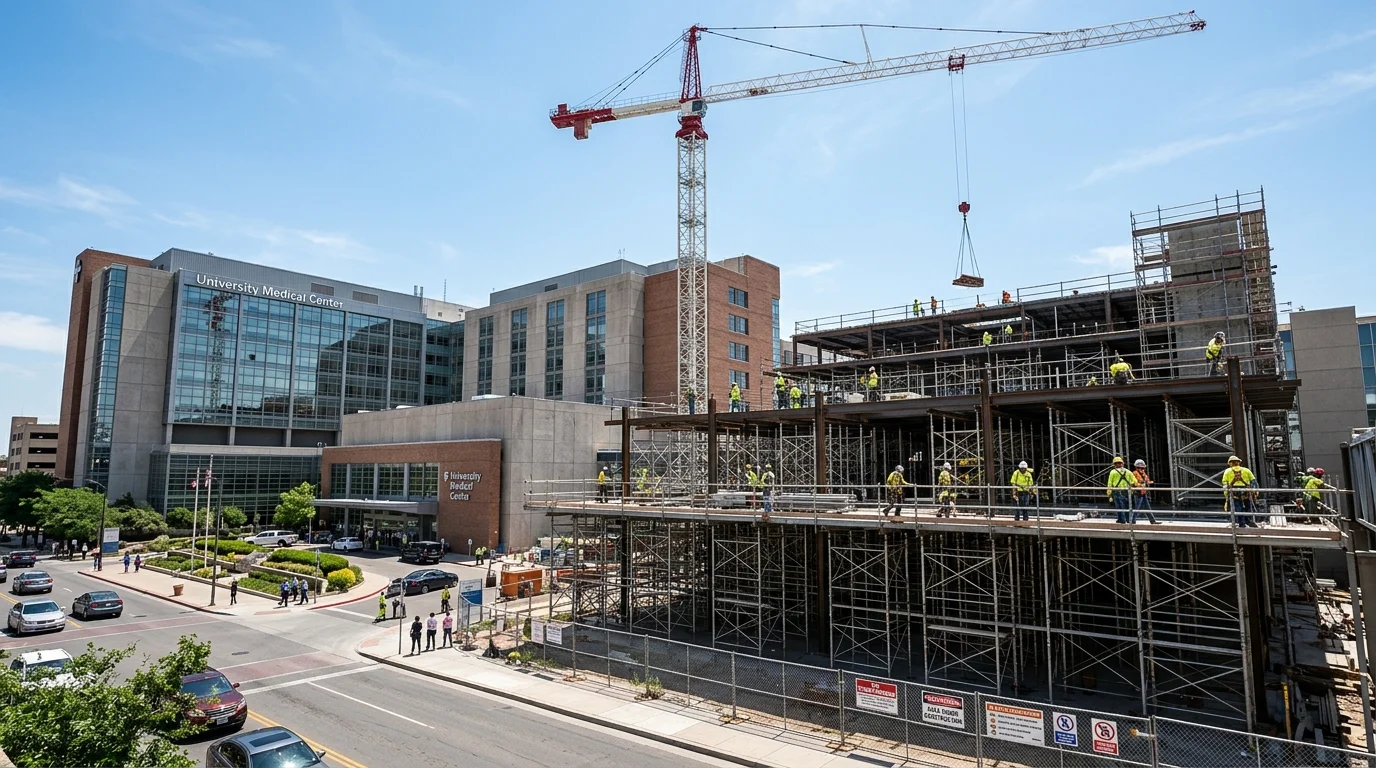
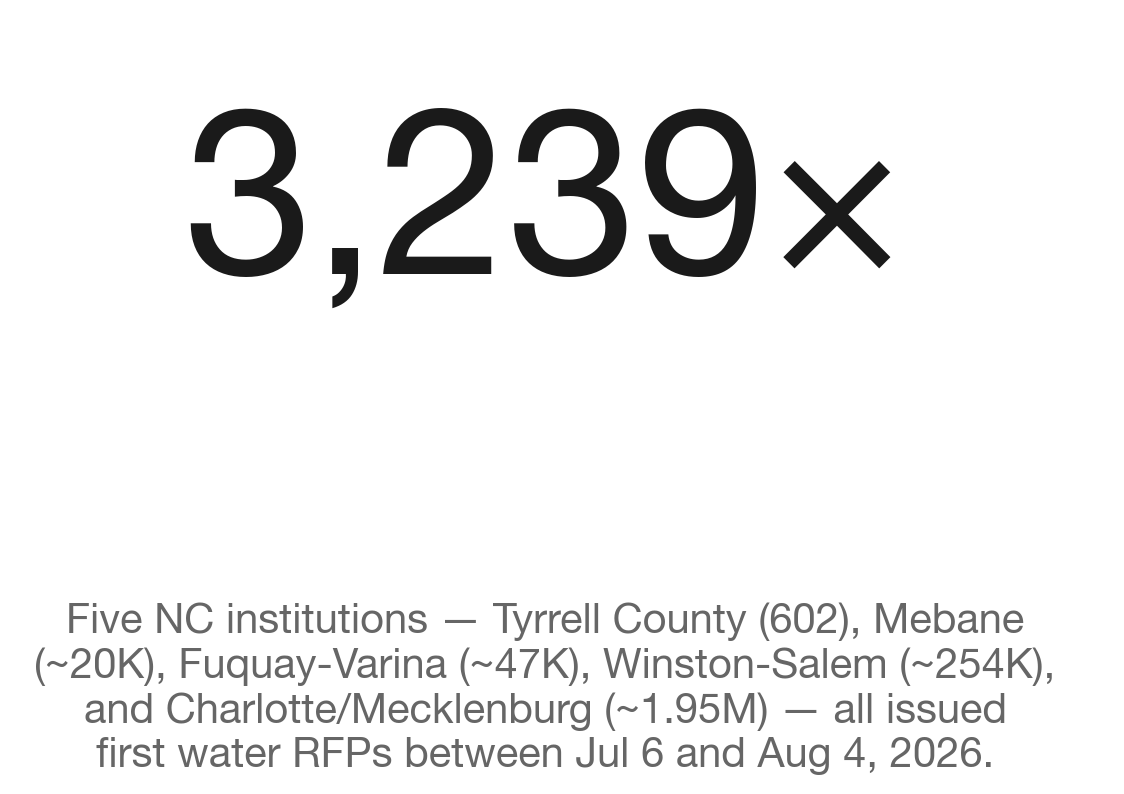
Five North Carolina institutions issued their first water infrastructure procurement solicitation in more than a year during a single 30-day window ending August 4, 2026, a burst of activity that spans from Tyrrell County, population 602, to Charlotte, population 1.95 million. The spread is the signal: this is not a story about the hardest-hit mountain communities finally getting contracts. It is a story about federal and state capital that entered the pipeline after Hurricane Helene now diffusing simultaneously across every tier of the municipal hierarchy.
The trigger was two deadlines arriving at once. On July 15, 2026, the State Water Infrastructure Authority approved $244M in drinking water and wastewater awards to 28 counties, announced by Governor Josh Stein the following day, the same week three of the five new RFPs dropped. Then, on August 4, one day after the last solicitation posted, NCDEQ's Division of Water Infrastructure opened its Fall 2026 funding round with applications due September 30. Any local government that wants to be in that round needs procurement underway now. The two dates created a narrow corridor: money confirmed, next application window open, clock running.
The $244M is itself downstream of a much larger federal commitment. The EPA allocated $409.4M to NCDEQ through the Drinking Water State Revolving Fund as part of the 2025 Supplemental Appropriation for Hurricanes Helene and Milton. A separate EPA announcement in May 2026 directed $30.1M in emerging contaminants grants specifically to small and disadvantaged NC communities. Active EPA water program obligations to North Carolina now exceed $1.9B across more than 80 grants. The state's layered funding structure, federal SRF to NCDEQ to SWIA to local governments, routinely introduces a 12-to-18-month lag between federal allocation and local procurement. What the five new RFPs represent is that lag finally expiring at the local level.
Source: NationGraph.
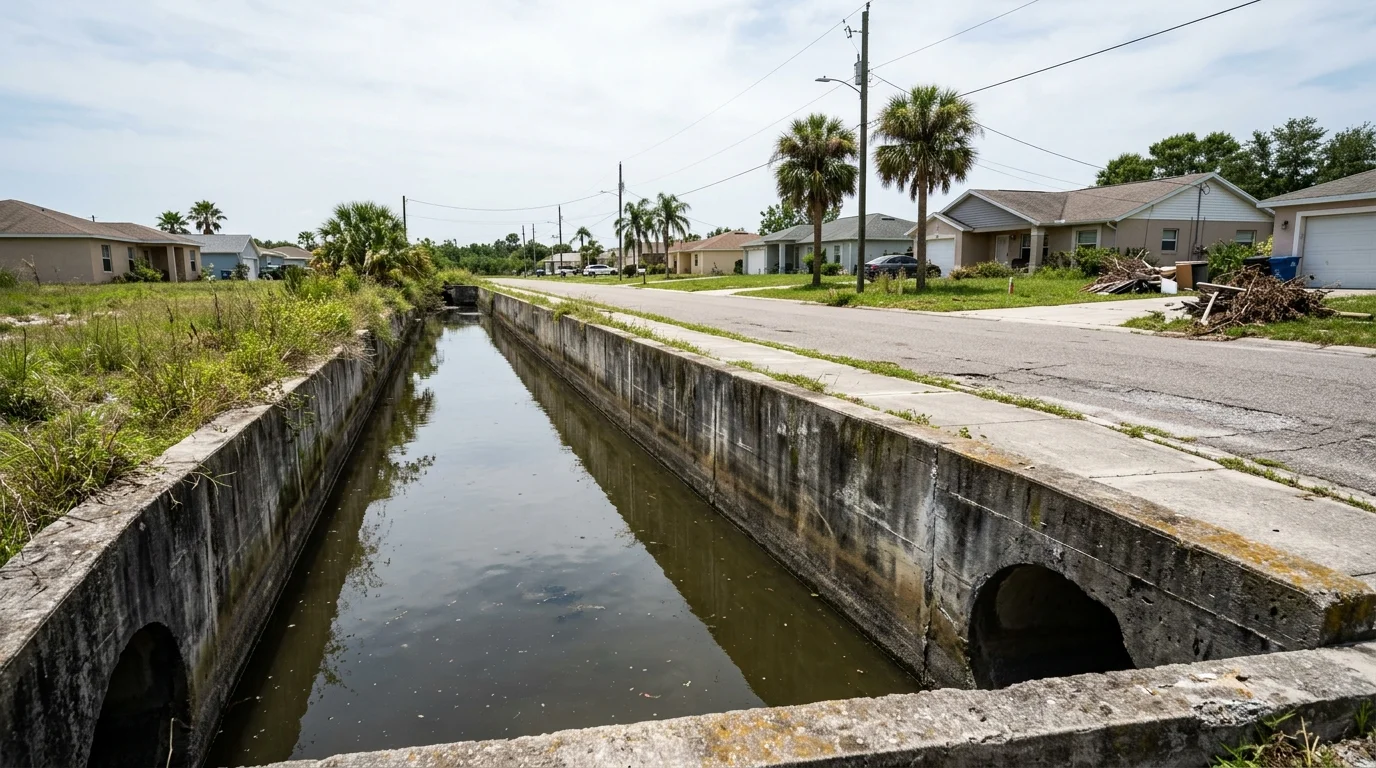
The five institutions show how broadly the capital has spread. Winston-Salem posted a Progressive Design-Build RFQ for its Runnymede Water Infrastructure Improvements Project, a major upgrade for a mid-size city that has struggled with aging pipes for years. Mebane, a fast-growing Orange County town of 20,000, issued two separate solicitations: a Water Resource Recovery Facility expansion and a waterline connector. Fuquay-Varina, another high-growth Wake County suburb, is moving forward on an Advanced Water Metering Infrastructure project backed by a $5.25M EPA congressionally mandated grant already obligated to the town. Charlotte posted a Severn-Tyndale Storm Drainage Improvement Project. And Tyrrell County, the coastal plain county with 602 residents, issued an asset inventory and assessment RFQ it explicitly tied to a recently funded AIA grant, the kind of foundational work a jurisdiction must complete before it can qualify for larger capital grants.
Tyrrell's solicitation is worth holding onto. The county cited a grant from NCDEQ's Asset Inventory and Assessment program, which is itself funded in part through the federal WIIN Act's SmaRT Program, a program targeting small, rural, and tribal water systems that announced more than $25M nationally in June 2026. A 602-person county completing its asset inventory is not a headline project. It is the precondition for every subsequent grant application. The fact that Tyrrell is moving now, in the same window as Charlotte, suggests the funding cascade has reached the bottom of the size distribution.
North Carolina's water system has not fully recovered from Helene. According to reporting from Blue Ridge Public Radio, NCDEQ has now surpassed $1B in water and wastewater grants to Helene-affected counties, but Governor Stein has acknowledged that communities still need more than $750M in additional repairs. The $44M directed to western NC within the $244M SWIA round is part of that ongoing effort, not the conclusion of it.
For residents in any of these five jurisdictions, the practical implication is construction activity over the next 12 to 24 months on systems that determine water pressure, water quality, and flood drainage. For residents in the roughly 95 other North Carolina counties not yet represented in the current procurement wave, the September 30 application deadline is the next signal to watch. Jurisdictions that submit complete applications to NCDEQ's DWI by that date are positioning for the next SWIA award cycle. Those that miss it wait for the Spring 2027 round, and another 12-to-18-month lag before procurement can begin.