Portland, Ore. is beginning the planning work to replace the streetcar fleet that launched a national transit movement, a quiet but significant step that will force the city to decide what it wants its signature system to look like for the next generation.
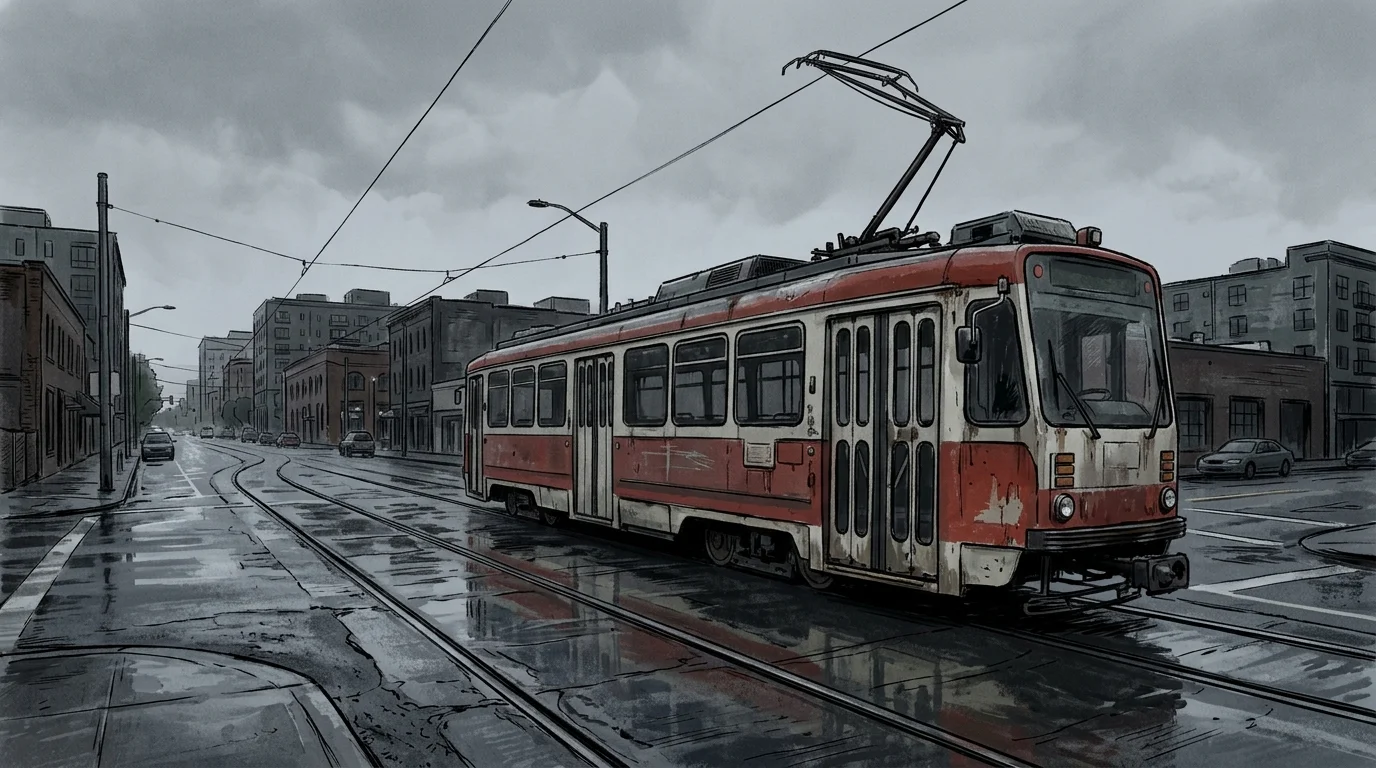
The original vehicles are the core problem. When Portland Streetcar opened in 2001 as the first modern streetcar system built in the United States in over 50 years, the city purchased a small fleet of Skoda-built Type 001 cars. Only 10 were ever manufactured worldwide, and Portland owns 7 of them. Skoda has since exited the streetcar market entirely, making spare parts nearly impossible to find. At 25 years old, the cars are at the outer edge of their engineered service life, and keeping them running has become increasingly difficult. The city has posted a solicitation for design and engineering support as an early planning step, well before any vehicle procurement.
The newer United Streetcar vehicles, built in Clackamas, Ore. as a showcase for domestic manufacturing under Buy America rules in the early 2010s, have had their own reliability problems, and that manufacturer also exited the streetcar business.
Source: NationGraph.
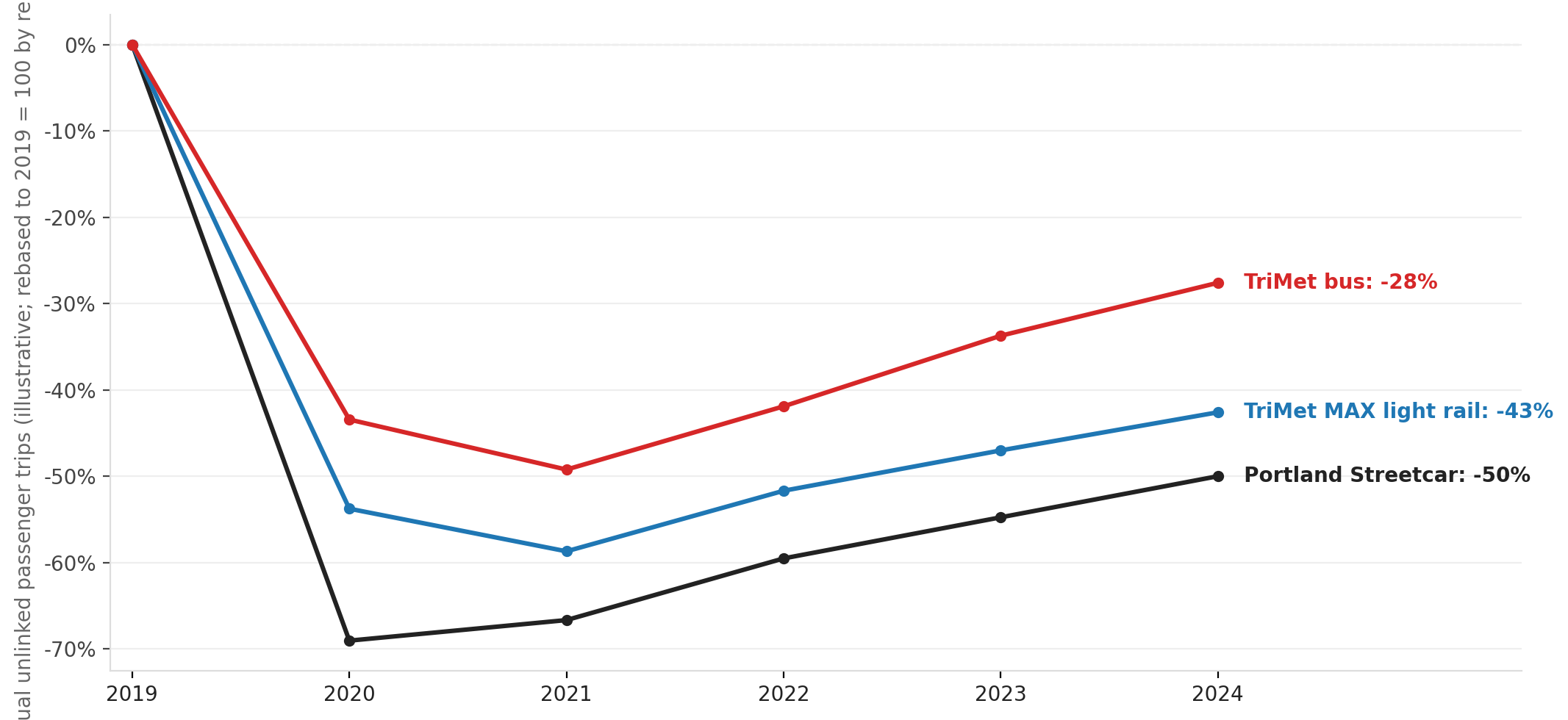
The timing is complicated. Portland Streetcar ridership collapsed during COVID and has recovered more slowly than buses or MAX light rail. The system's primary routes serve the Pearl District and South Waterfront, exactly the neighborhoods most affected by remote work and reduced downtown foot traffic. Portland's city bureau of transportation is also facing a budget crisis driven by declining gas tax and parking revenue, making a major capital investment harder to justify politically even as the vehicles wear out.
The decision carries weight beyond Portland. When the streetcar opened a quarter century ago, it became a direct model for systems in Seattle, Atlanta, Cincinnati, Kansas City and more than a dozen other cities, all chasing the same theory linking fixed rail to walkable development that Portland had pioneered. Many of those systems have since struggled with ridership and operating costs, and the streetcar mode has faced a national reassessment in the years since.
Federal funding will likely shape what Portland can actually afford. The 2021 Bipartisan Infrastructure Law expanded Federal Transit Administration grant programs for low-emission vehicles and bringing aging systems into a state of good repair, and those programs represent the most plausible source of outside money for a replacement of this scale.
The design support work is an early phase, meaning key questions remain open: how many vehicles to buy, whether to expand or contract the system, and which manufacturers could even build a compatible modern streetcar. Those answers will come later, but Portland's choices will likely be watched closely by the other cities that followed its lead the first time.