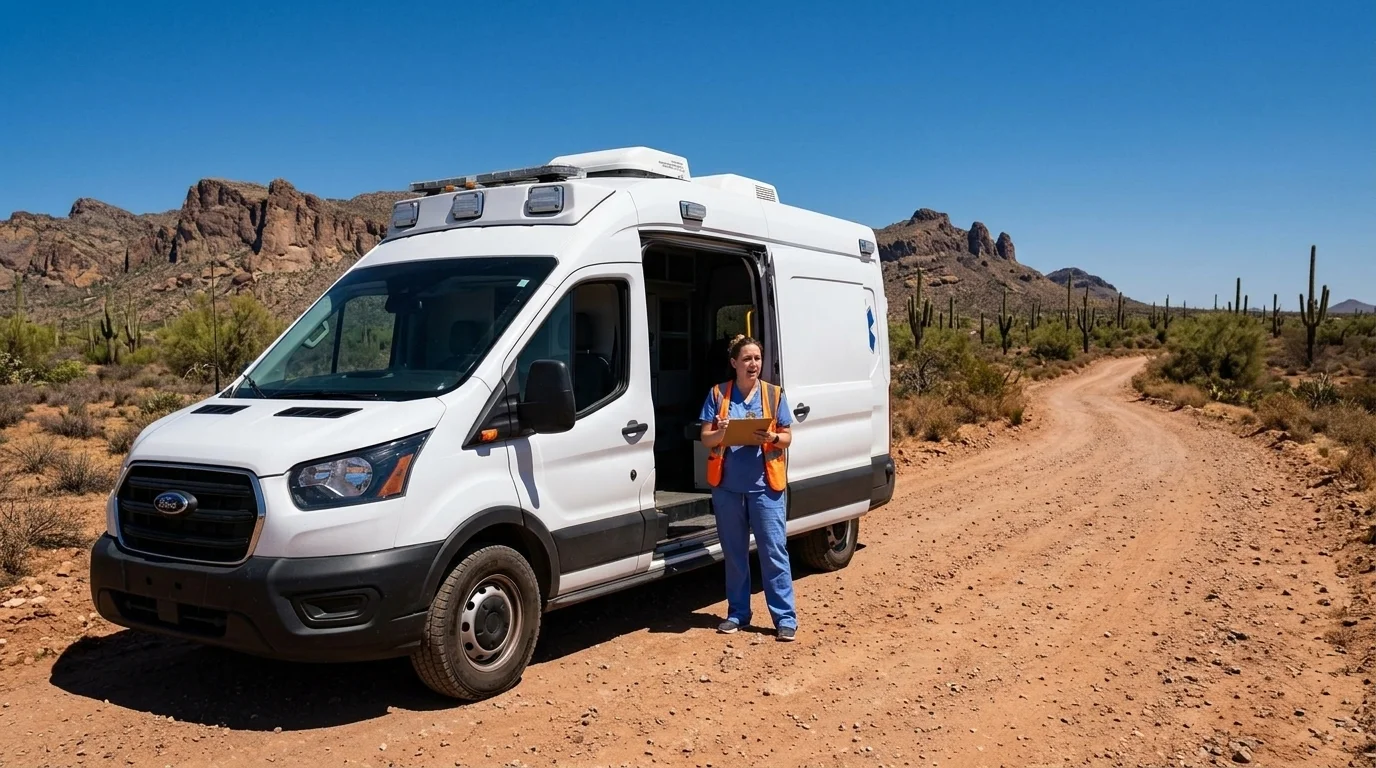
Pima County, Arizona is moving to bring opioid addiction treatment directly to the people farthest from help: tribal communities on the Tohono O'odham Nation, unhoused residents in encampments, and border towns where fentanyl is killing people faster than the traditional clinic system can reach them.
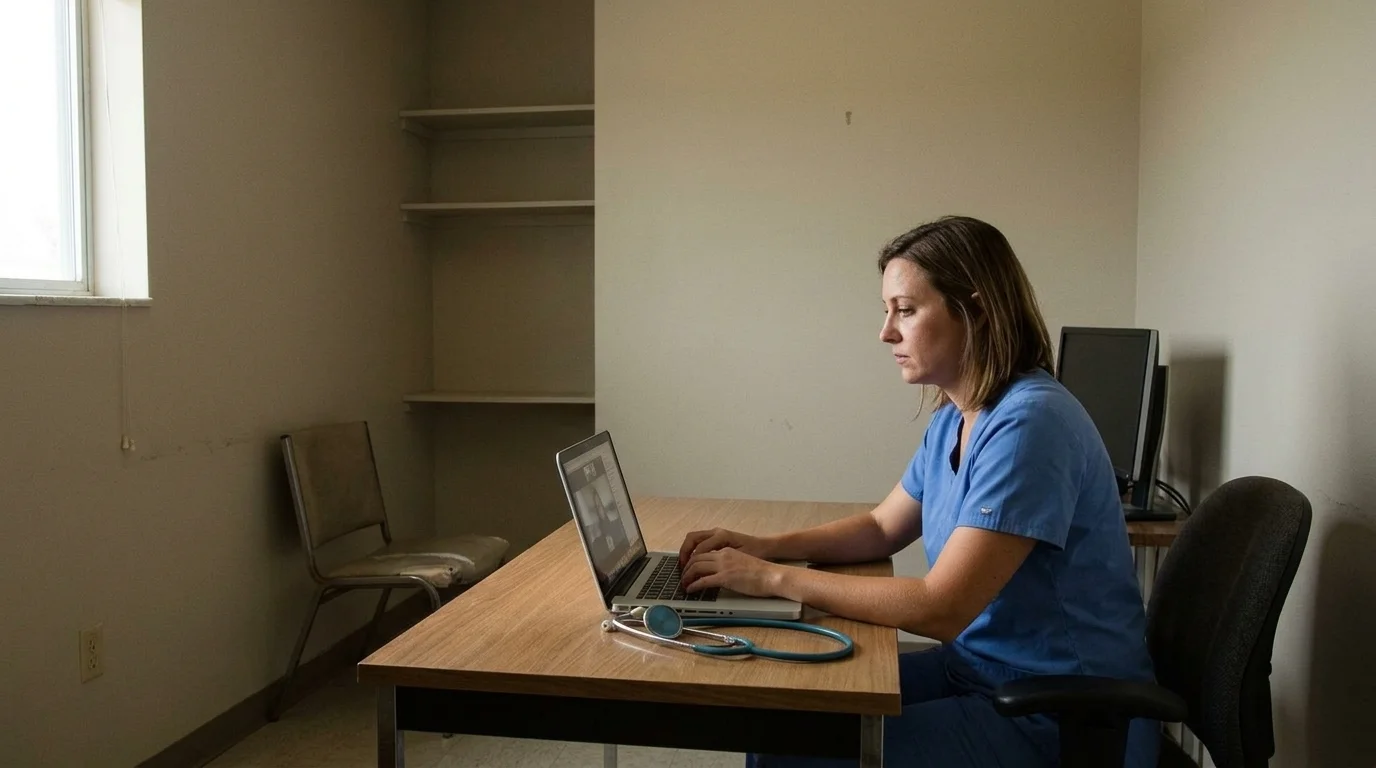
The county's Health Department is seeking a provider to operate a mobile medication program dispensing methadone and buprenorphine, the frontline pharmaceutical treatments for opioid use disorder. The solicitation is posted on Arizona's BidNet Direct purchasing portal.
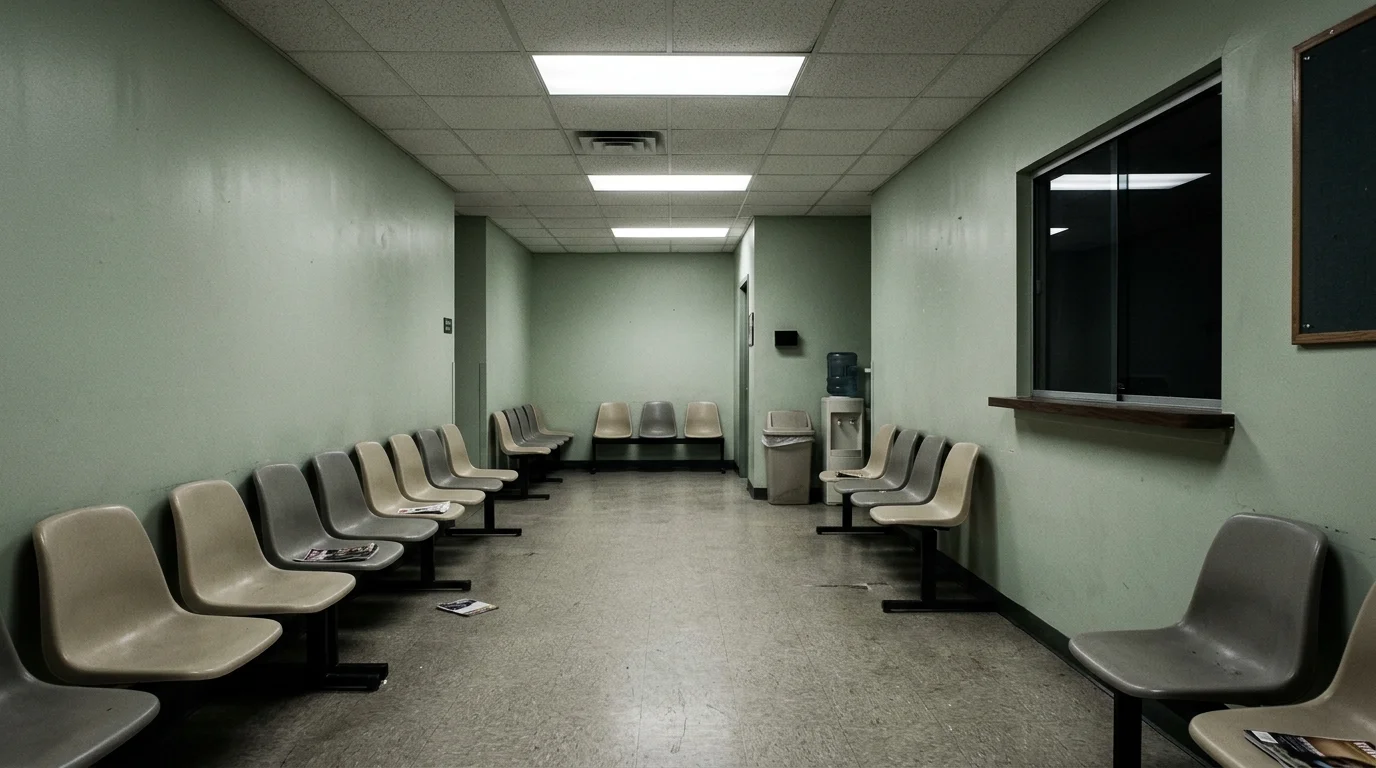
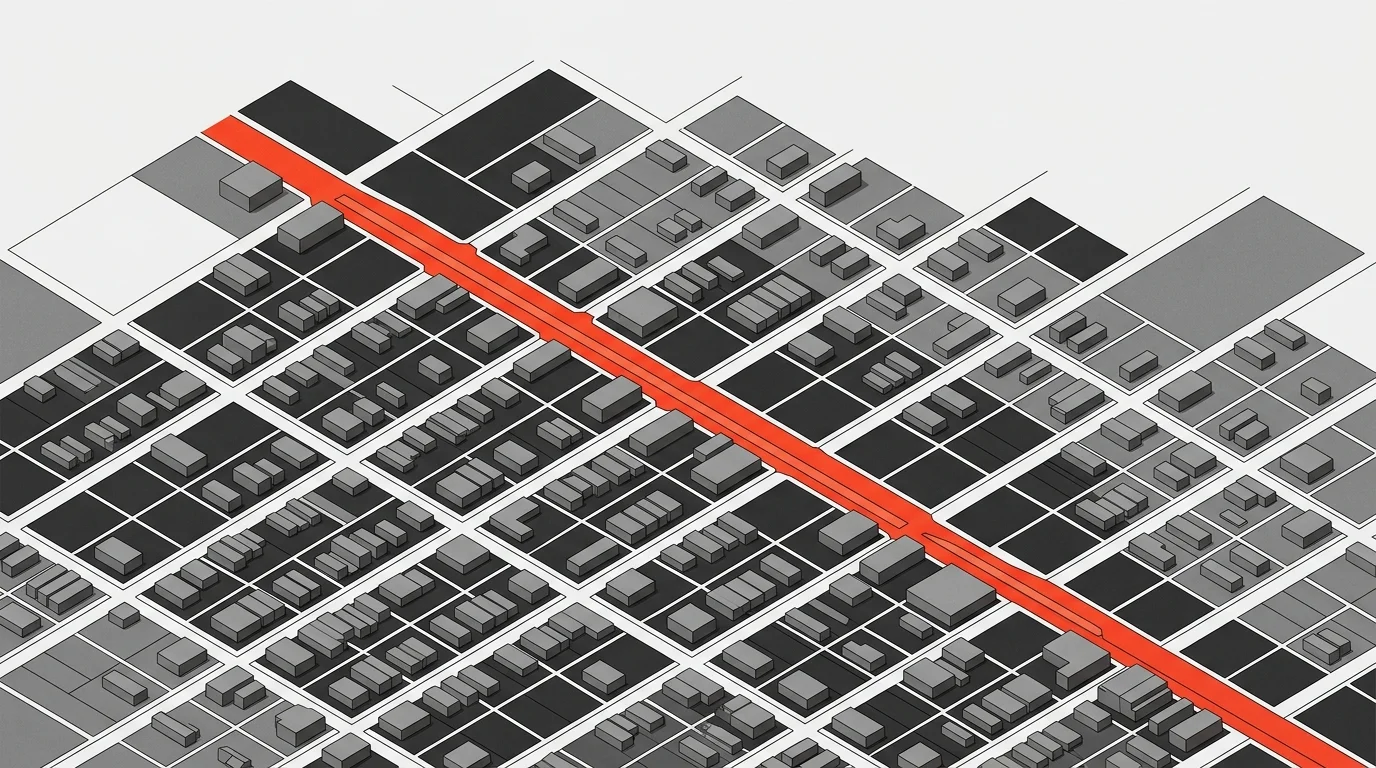
The logic is straightforward. Methadone clinics require patients to show up daily, often in the early morning. That works if you have a car and live near downtown Tucson. It does not work if you live on a reservation, sleep outside, or are too deep in withdrawal to navigate the bus system. For decades, federal rules tied methadone dispensing to fixed, certified facilities, which concentrated clinics where real estate and staffing were easiest, not where patients were most desperate.
Source: NationGraph.
A 2021 DEA rule change opened the door by allowing certified mobile units to dispense methadone for the first time in 20 years. Cities including New York, Boston and Baltimore have since deployed mobile vans, and early results have pushed more states and counties to follow. Pima County is now among them.
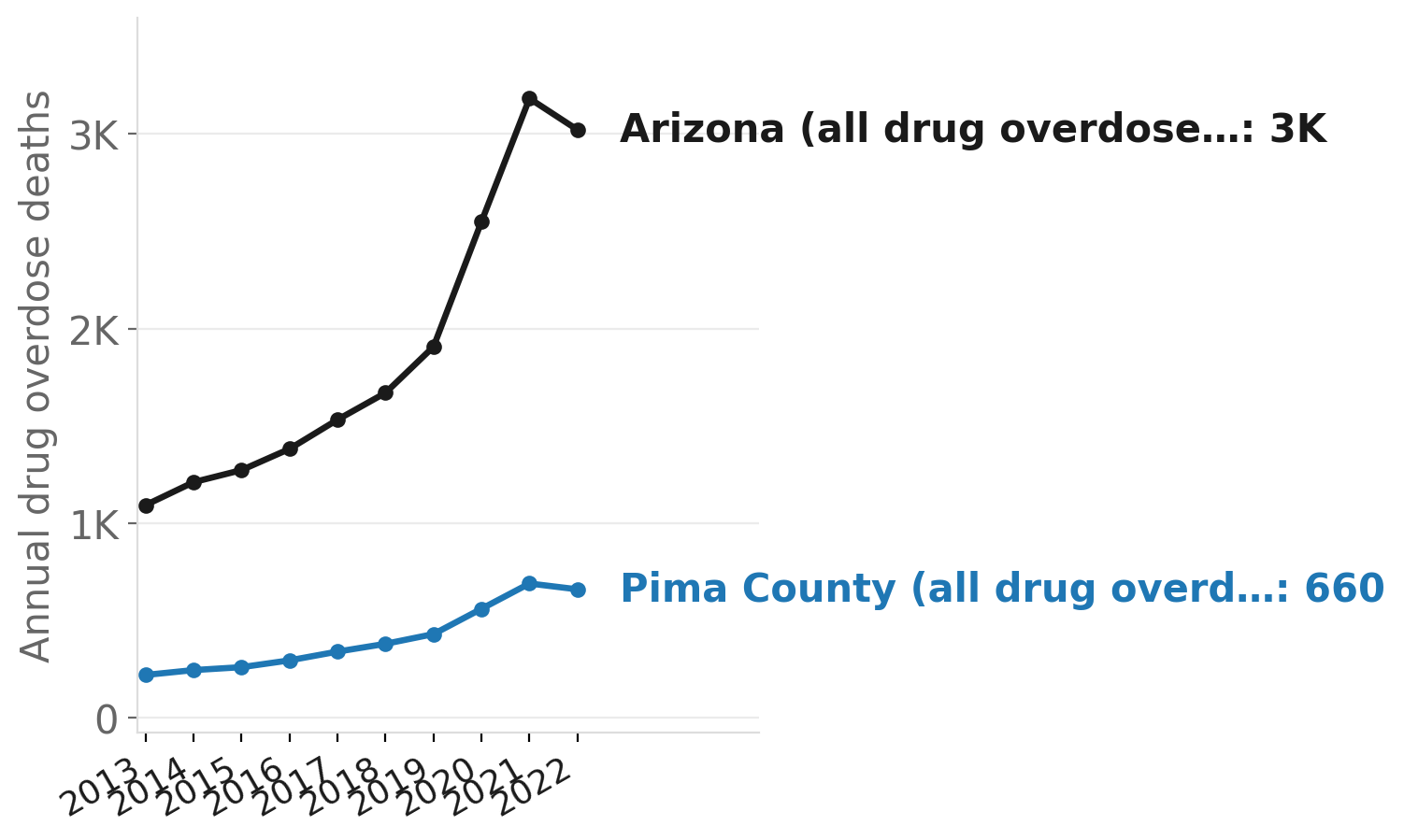
The county has reason to move fast. Arizona declared a statewide opioid emergency in 2017, and the crisis has only deepened since. Fentanyl trafficked through the Nogales port of entry flows directly into Pima County, which consistently ranks among the state's hardest-hit counties for overdose deaths. The county is home to the Pascua Yaqui Tribe as well as parts of the Tohono O'odham Nation, populations that face acute barriers to daily-dosing clinics concentrated in central Tucson.
Funding for the program is expected to draw partly from Arizona's share of the national opioid settlements with drug distributors and manufacturers, which will deliver roughly $1.15 billion to the state over 18 years. Mobile treatment is an explicitly approved use of those settlement dollars. Pima County's Health Department, known for aggressive harm reduction efforts including public naloxone vending machines and low-barrier buprenorphine access, has been among the county health agencies in Arizona most willing to spend that money on direct services.
The specific contract value and service area have not been disclosed publicly. Once a provider is selected, the harder question becomes which routes the mobile unit travels and how frequently, decisions that will determine whether the program reaches the communities it's designed to serve.