Nine Florida institutions issued a housing-related RFP in the last 30 days after more than 12 months of silence. The agencies span the state from Pensacola to Miami, from a small coastal county to a major research university, and none of them had touched the procurement market for housing in over a year. That kind of distributed reactivation does not happen by accident.
The reason it happened now is that three separate housing policies all took effect on July 1, 2026, at the same moment. They fund different things, target different actors, and work through different legal mechanisms. But they landed simultaneously, and the procurement market is only beginning to show the downstream evidence.
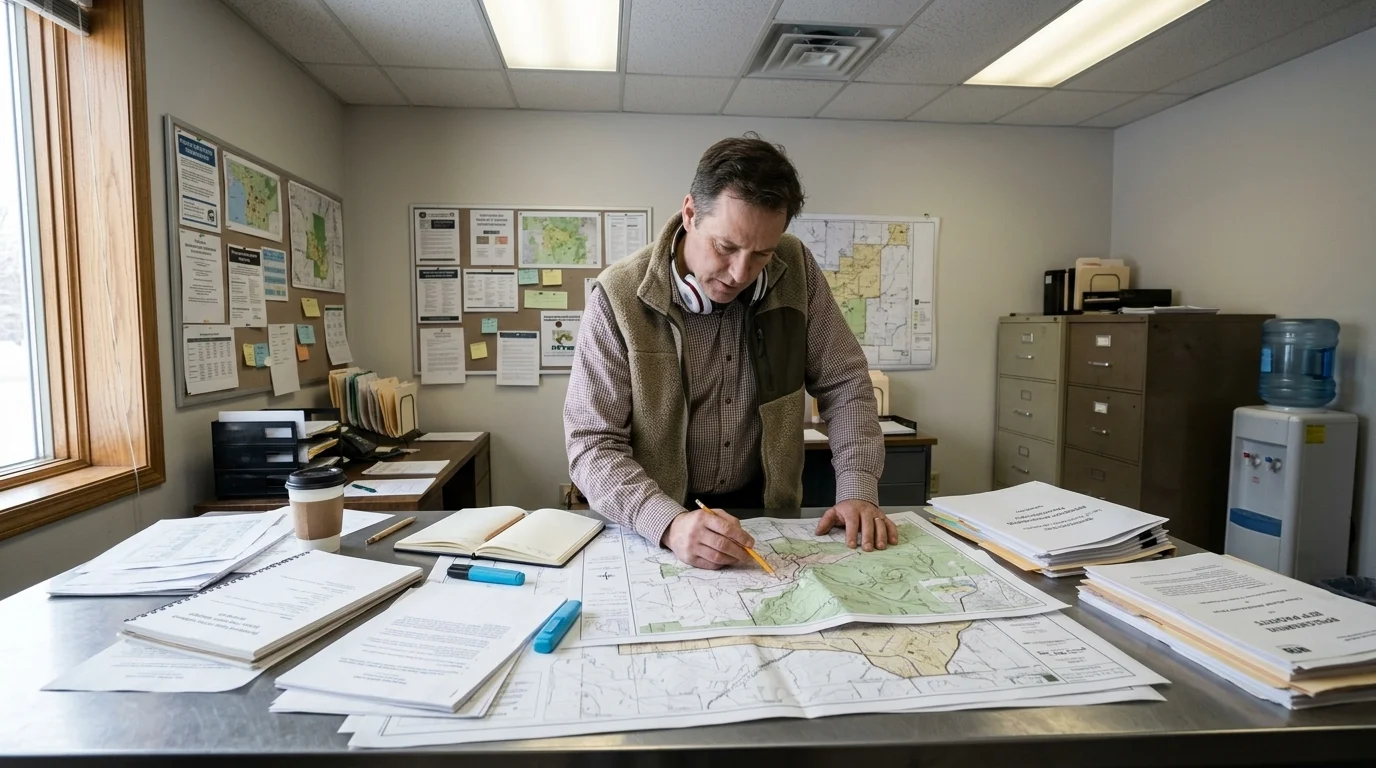
The most direct driver for most of the nine institutions is Florida's State Housing Initiatives Partnership program, known as SHIP. The state's FY2026-27 budget, fully funded for a sixth consecutive year, commits $165.7 million to SHIP, distributed by formula to all 67 counties and 55 cities, with a minimum allocation of $350,000 per county. When the new fiscal year began July 1, those allocations started reaching local governments, which must then go out and hire the contractors, appraisers, and title search vendors to execute the programs. That is exactly what the RFPs from Cocoa, Titusville, Santa Rosa County, and Pensacola reflect: cities and counties procuring the private-sector capacity to spend money they have already been allocated. Pensacola's solicitation, seeking pre-qualified vendors for title search and appraisal work across CDBG, CDBG-DR, HOME, and SHIP programs simultaneously, signals a local government that is standing up or refreshing its entire housing vendor pipeline at once, not just responding to one grant.
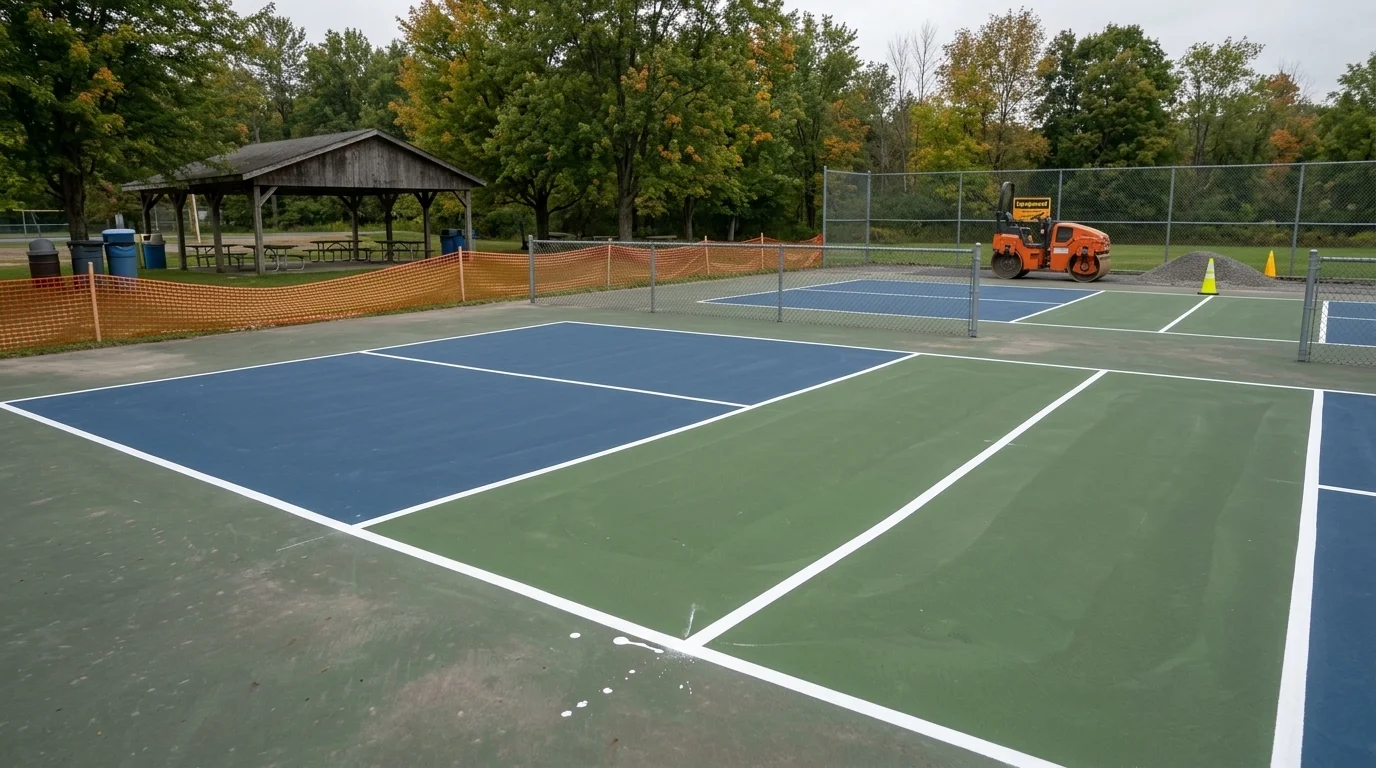
Federal dollars are layered on top. HUD HOME Investment Partnerships grants began flowing to more than 20 Florida municipalities in January and February 2026, with performance periods running to 2034. Hillsborough County received $2.8 million, Orange County $2.7 million, Brevard and Pinellas each $1.1 million. Florida's active HUD housing portfolio now stands at $4.1 billion committed, with $488 million outlayed across 1,692 active grants. Those federal block grants fund construction and rehabilitation directly, and they carry their own procurement obligations, separate from SHIP, separately administered, separately timed. Pensacola's RFP naming CDBG-DR specifically suggests disaster recovery funds from the 2024 hurricane season are still actively moving through the system.
The third force is newer and structurally different from either of the above. Governor DeSantis signed HB 1389, the Live Local Act 4.0, on June 26, 2026, with an effective date of July 1. The law for the first time makes land owned by counties, municipalities, and school districts eligible for by-right affordable housing development under the Live Local Act, provided the local government co-applies with a private developer. It does not appropriate housing funds, it is a zoning preemption that creates a new planning and procurement obligation for jurisdictions that previously had no by-right housing development role at all. Florida State University's solicitation for a University Housing Demand and Market Study, issued in this same 30-day window, is the clearest example of that new obligation materializing: before a public institution can responsibly co-develop its land under HB 1389, it needs to know what the market will bear. The bill passed 98-4 in the House and 35-0 in the Senate, suggesting that dynamic will repeat across many public landowners over the coming year.
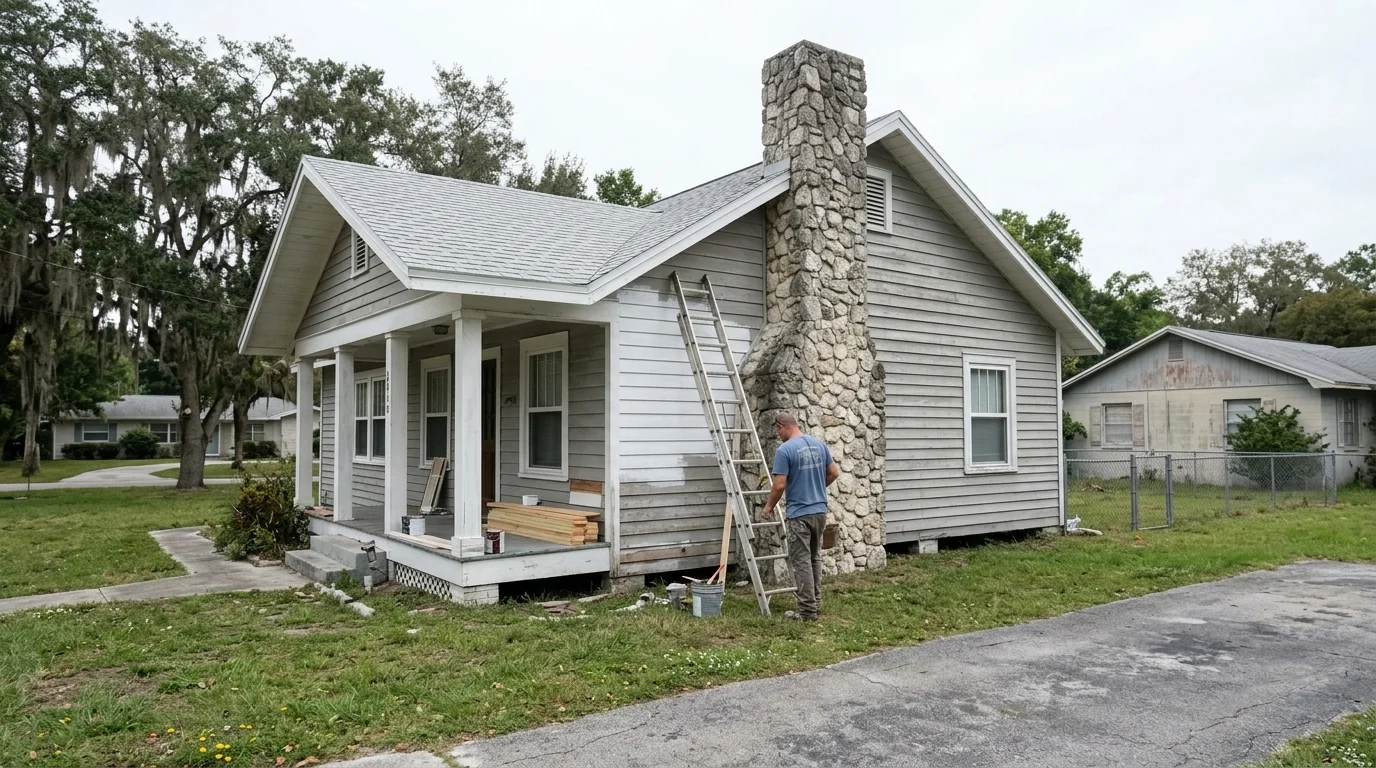
Also effective July 1: a SHIP legislative expansion removing the prior 20 percent cap on manufactured housing rehabilitation, widening the universe of projects that rural and small-county governments can now procure for. Santa Rosa County's two address-specific rehabilitation bids, the kind of hyperlocal, single-property solicitation that only makes sense when a county already has a resident identified and money in hand, are consistent with that expansion reaching smaller markets.
What makes this moment legible as a systemic signal rather than a cluster of unrelated procurements is the baseline: zero comparable RFPs from these same institutions in the prior 12-plus months. Florida routes SHIP money through a uniquely decentralized system, and most smaller local governments cycle through housing contractor solicitations only once every few years. When nine of them surface in a single 30-day window, the common cause is the policy calendar, not coincidence.
For residents in the affected cities and counties, the near-term consequence is concrete: contractors will be hired, rehabilitation projects will be awarded, and the housing programs that have been funded but dormant will begin moving. Hillsborough County activated its SHIP rehabilitation program as recently as September 15, suggesting the procurement wave has not yet crested.
The signal to watch next is whether institutions that received HUD HOME grants in January and February, Orange County, Pinellas, Brevard, Seminole, Tallahassee, follow with their own contractor solicitations in the coming 60 days. If they do, the 30-day window just captured the leading edge of a much larger procurement cycle.