The Northshore School District, serving roughly 22,000 students across Bothell, Kenmore and Woodinville, Washington, is simultaneously moving three school replacement projects into full construction procurement, the most ambitious building push in the district's history.
Inglemoor High School, Leota Middle School and Shelton View Elementary are all advancing to Phase 2, meaning design and early site work are giving way to main building replacement. The projects are funded through a $425 million bond that Northshore voters approved in February 2022 with about 61% support. The district has posted the active solicitations on its purchasing page alongside a companion civil engineering and landscape architecture contract that will support all three sites.
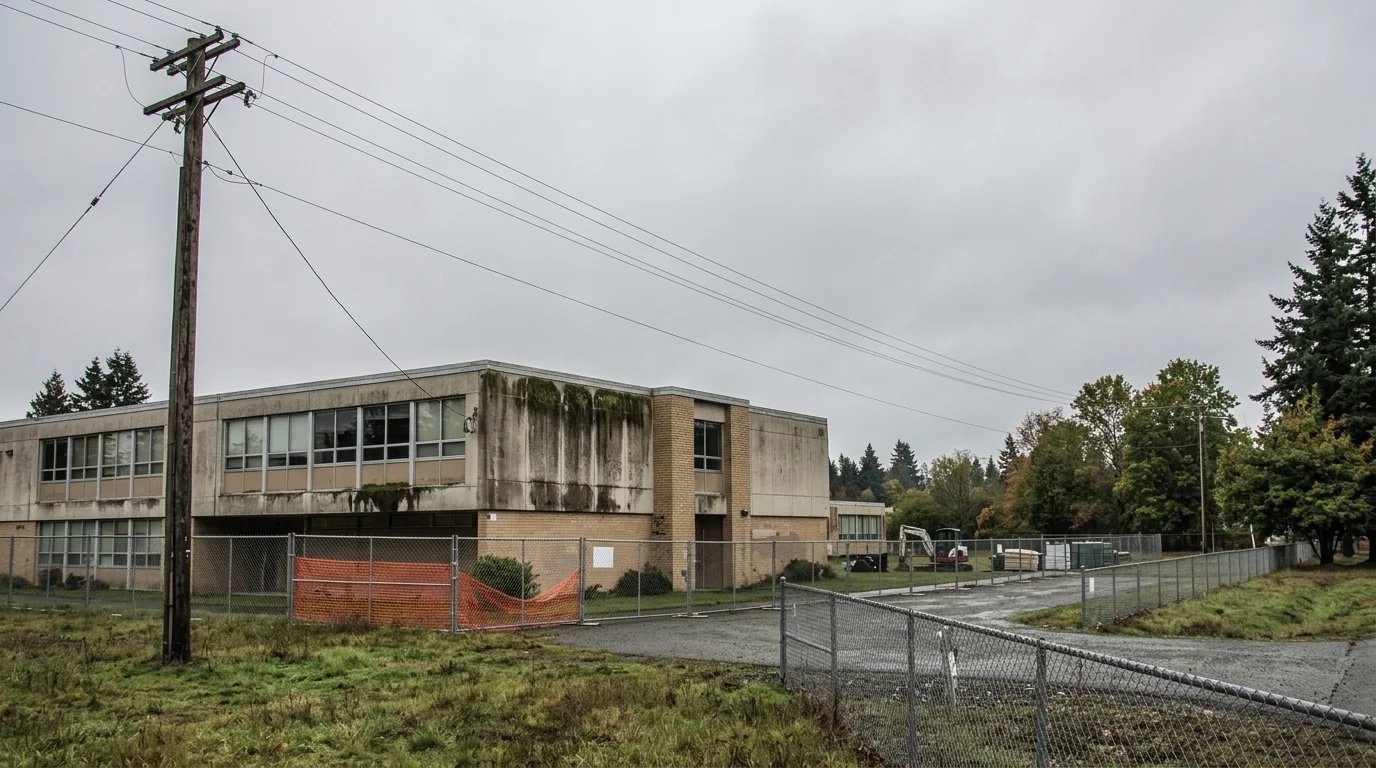
The buildings being replaced share a common history: most Northshore schools were built during the Boeing-era population boom of the 1960s and 1970s, and many are now 50 to 60 years old. Beyond simple age, Washington state seismic safety assessments conducted between 2019 and 2021 flagged hundreds of Puget Sound schools as vulnerable to a Cascadia Subduction Zone earthquake, and Northshore sits in a high-risk corridor. Inglemoor, home to the district's International Baccalaureate program, is among the highest-profile campuses in the replacement queue.
The construction push is unfolding against a complicated backdrop. Northshore faced a budget shortfall estimated at $17 to $25 million in 2023-2024, leading to staff cuts and program reductions amid post-pandemic enrollment declines across the Puget Sound region. The district is also conducting a concurrent enrollment demographics study to assess whether current facility plans match the community's actual size, and it is searching for a new superintendent, the second such search since 2022.
Rising construction costs are adding pressure. Washington's school construction assistance program covers only a fraction of actual project costs, leaving local bonds to carry the bulk of the bill. The district's simultaneous solicitations for building condition assessments and capital bond planning services suggest leadership is already laying groundwork for another bond measure, likely in 2026 or 2027, before work on the current projects is even complete.
Whether the pace of construction matches long-term enrollment trends will be a central question as architects and engineers are selected and work begins.