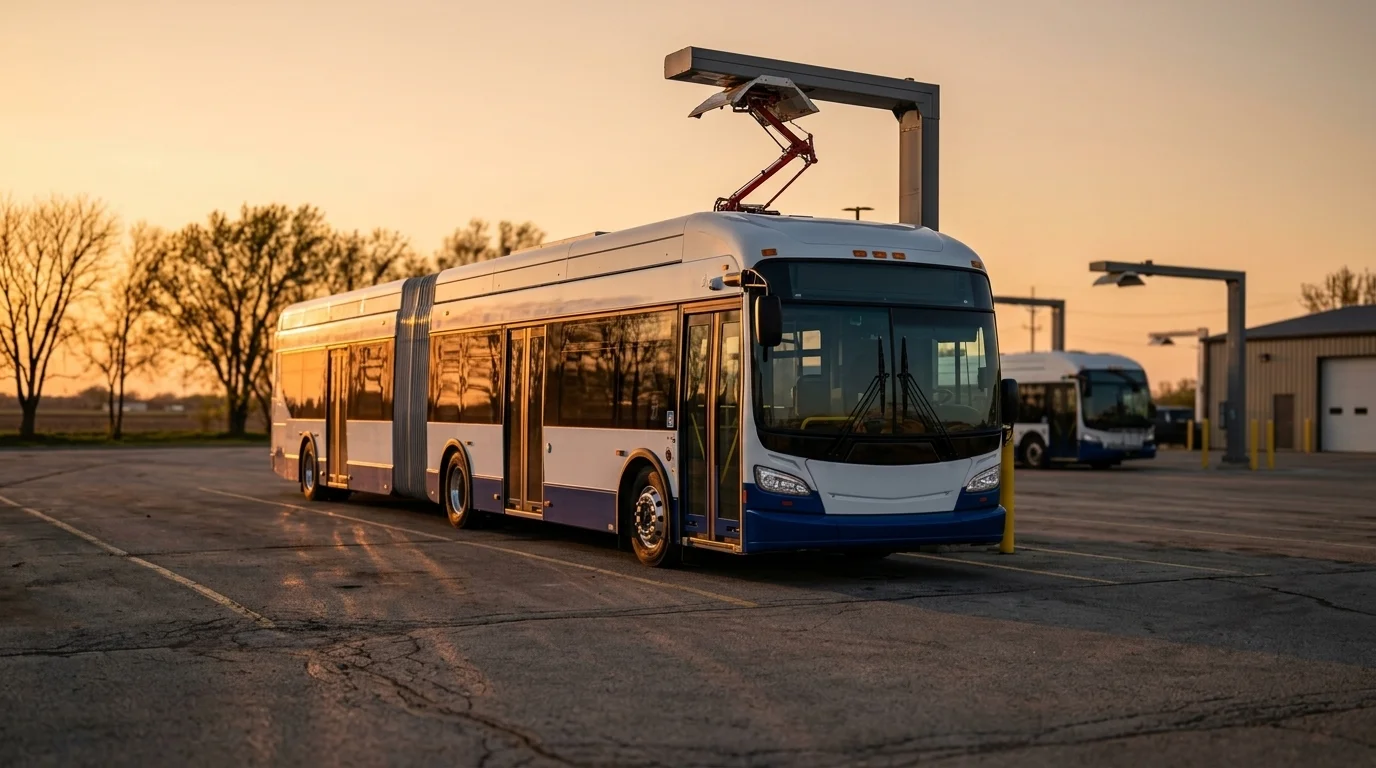
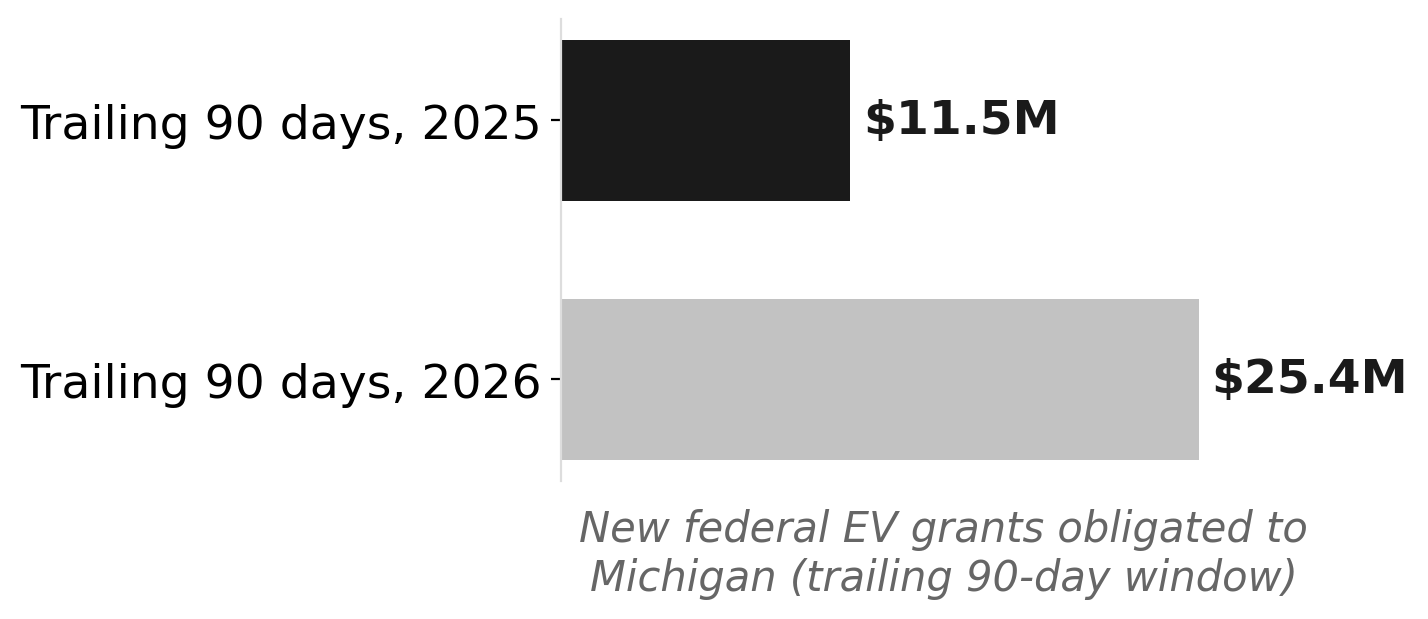
Federal electric vehicle grants newly obligated to Michigan have hit $25.35 million in the trailing 90 days, more than doubling the $11.5 million awarded in the same window a year ago. The jump is driven almost entirely by a single award: a $25 million FTA Low or No Emission grant to the Ann Arbor Area Transportation Authority, obligated July 27, 2026, for zero-emission bus procurement running through September 2030. The timing matters more than the dollar figure alone, because the federal program that funded it just changed the rules.
Two separate federal mechanisms are behind Michigan's current EV grant surge, and they should not be confused. The first is the National Electric Vehicle Infrastructure formula program, administered by FHWA through MDOT, which funds public fast-charging stations along highway corridors and, after a key eligibility threshold, across the state more broadly. The second is the FTA's Low or No Emission Grant Program, a competitive award that funds transit agencies buying zero- or low-emission buses. Both flow from the Bipartisan Infrastructure Law. Both are now moving money into Michigan at an accelerated pace. And both face headwinds that make the current grant window unusually consequential.
On the highway charging side, FHWA granted Michigan a "fully built out" certification on April 6, 2026, unlocking $51 million in discretionary NEVI funds that the state could not access before hitting that milestone. MDOT followed with a Round 3 RFP in June 2026, targeting roughly 60 additional charging stations for completion by 2029. The scale of what remains unbuilt is striking: only 7 of the 81 stations previously selected under NEVI are currently operational. MDOT holds approximately $52.1 million in active NEVI grants running through 2039, but the physical infrastructure is far behind the obligation schedule.
Source: NationGraph.
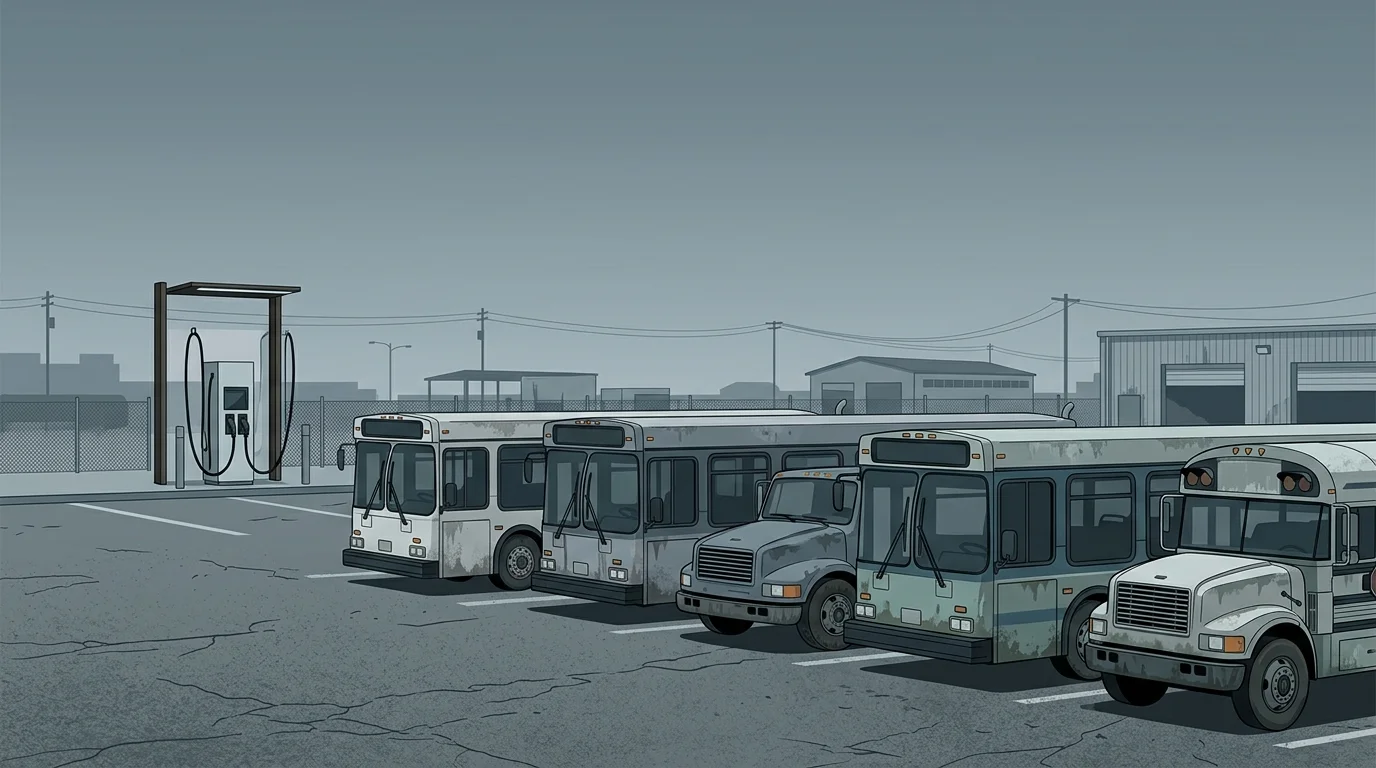
On the transit bus side, the stakes are different and more urgent. The FTA opened its FY2026 Low-No NOFO on July 27, 2026, with $589 million available nationally and an application deadline of September 21. But for the first time, the scoring criteria favor low-emission projects, including compressed natural gas, propane, and hybrid buses, over fully zero-emission electric buses. The shift follows Secretary Duffy's July 2025 announcement redefining flexibility in the program. Transit agencies that want to compete for all-electric bus funding in future rounds will be doing so under less favorable terms than AAATA faced when its $25 million award was structured.
That makes Ann Arbor's grant look, in retrospect, like a well-timed close. AAATA secured full electric-bus funding under scoring rules that treated battery-electric as the preferred option. The next transit agency in Michigan to apply for similar support will compete in a different environment.
Michigan's position among Midwest peers underscores how concentrated this surge is. Ohio leads the region in the same 90-day window with $31.9 million across 40 grants. Michigan ranks second with $25.35 million, but across only 3 awards. That ratio, large dollar figures from a small number of decisions, means the state's EV grant activity is less a broad wave of agency engagement than a few high-value bets hitting at once.
The broader economic stakes are not incidental. Michigan hosts GM's dedicated EV assembly plant in Hamtramck, Ultium battery facilities in Lansing, and more than 15,000 auto-sector jobs created since 2019. Governor Whitmer has set a target of 2 million EVs on Michigan roads by 2030. A charging network that lags vehicle production creates a drag on the same manufacturing base the state is trying to protect. The NEVI buildout and the transit bus program address different parts of that ecosystem, highway access and urban mobility respectively, but both feed the same underlying policy goal.
State-level investments are running in parallel. Whitmer's January 2026 budget document cites state funding for EV charging network expansion, electric school buses, and battery supply-chain programs. Those are distinct from the federal grants driving the current spike and are not part of the $25.35 million figure, but they represent a second track of commitment that state officials would point to if federal priorities continue to shift.
The next signal to watch is the September 21 FTA application deadline. Transit agencies across Michigan that did not move as quickly as AAATA now face a choice: apply under the new scoring rules and compete against CNG and hybrid projects, or wait for a future round that may be no more favorable. On the highway side, the NEVI Round 3 awards will indicate whether MDOT's accelerated procurement timeline can close the gap between the 7 stations already operating and the 81 that were planned.