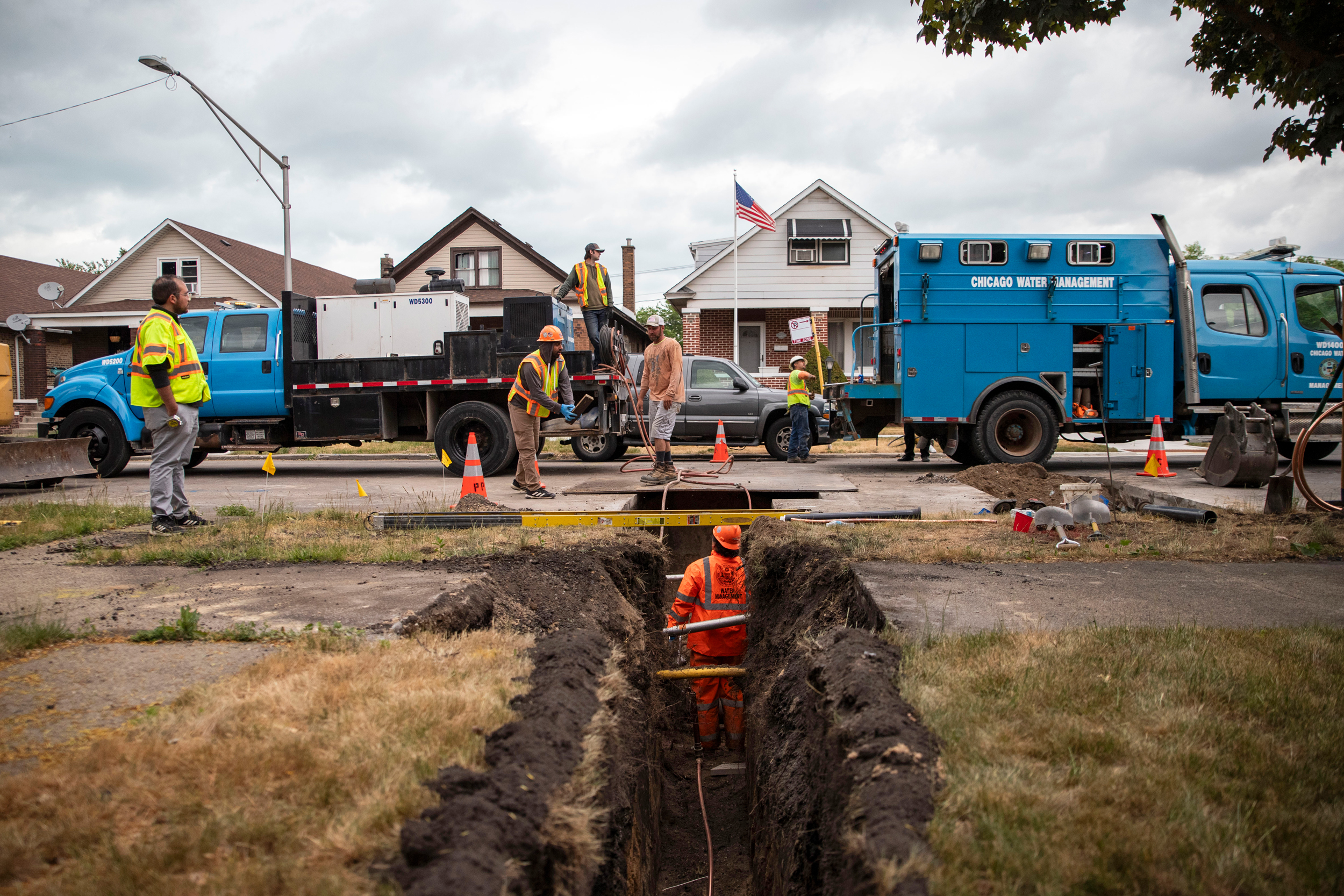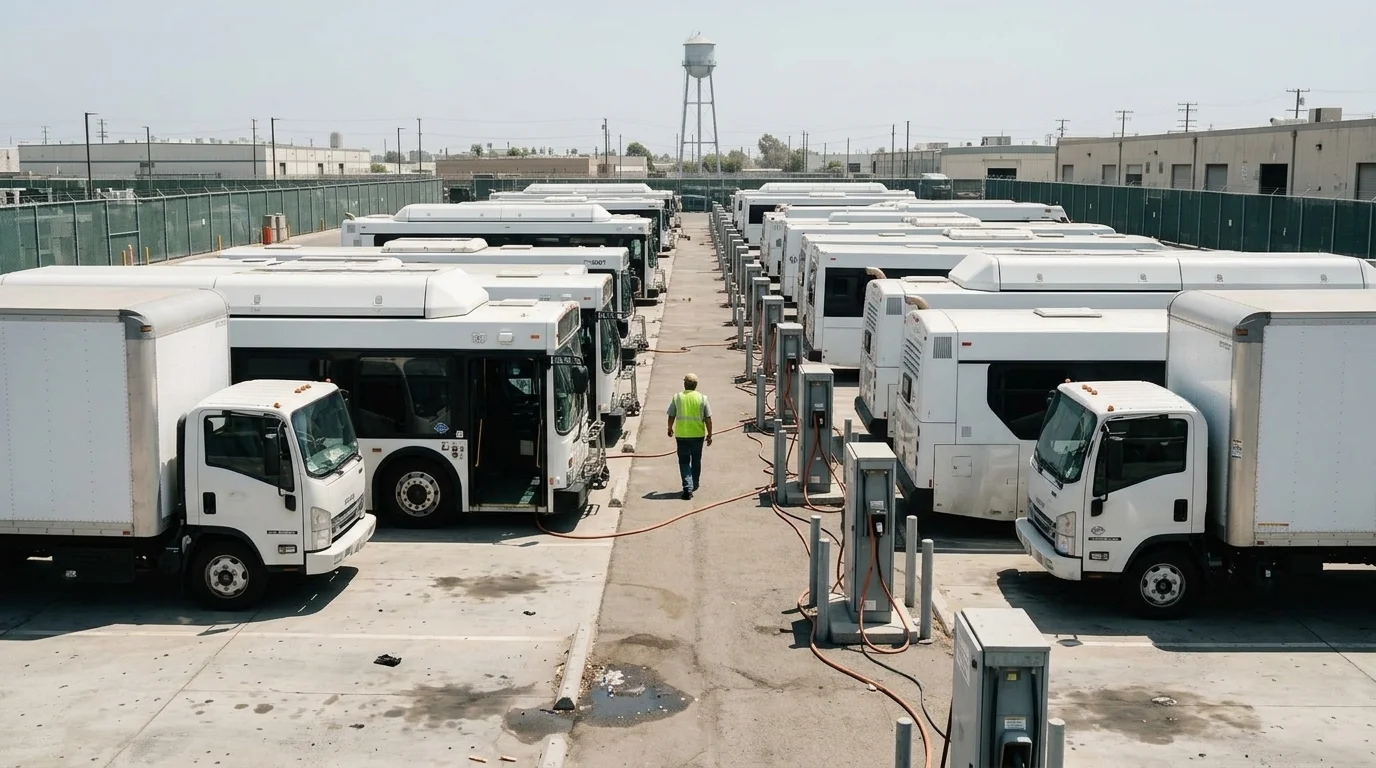
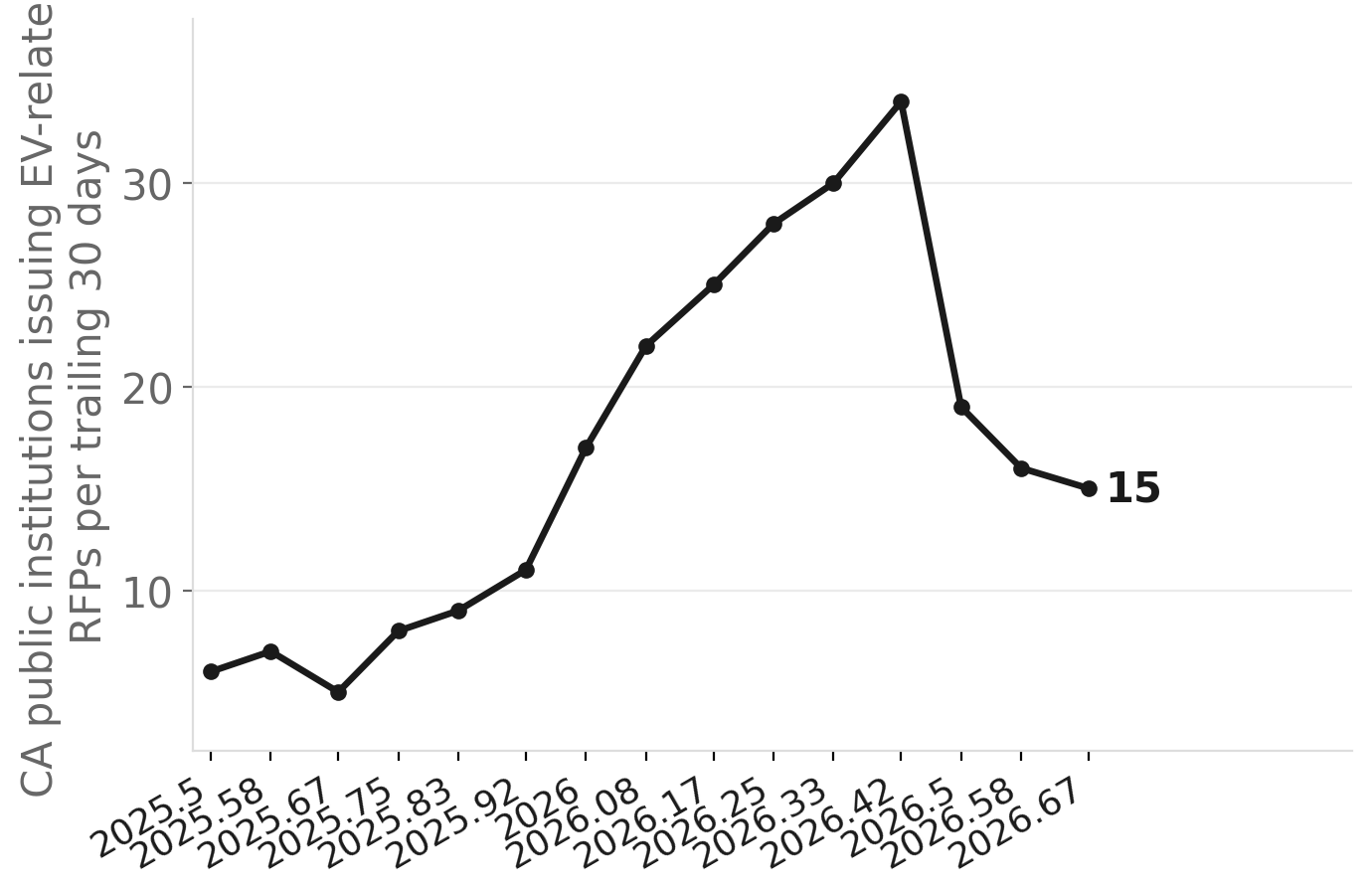
Fifteen California public institutions issued EV-related solicitations in the trailing 30 days ending early September 2026, a pace that would have been unimaginable in mid-2025, when the monthly count sat in the single digits. The California Energy Commission alone put out four RFPs in this window. The Port of Los Angeles solicited a drayage charging depot in Wilmington. The City of Ventura issued four separate light-duty EV repair contracts. Sacramento-area state agencies, including the Department of General Services and the Department of State Hospitals, each added two or three solicitations of their own.
The surface-level paradox is real: Washington is dismantling the regulatory scaffolding that California built its EV program on, and California's public agencies are responding by spending faster, not slower.
The explanation sits in two hard deadlines that federal action cannot touch. CARB's Advanced Clean Fleets regulation, a separate rule from the consumer sales mandate that the Trump administration challenged, requires state and local government agencies to source at least 50% of new medium- and heavy-duty vehicle purchases from zero-emission options beginning January 1, 2027. That clock is running regardless of what happens in the ongoing litigation over California's Clean Air Act waivers. A CARB Second 15-Day Notice issued June 1, 2026 extended that compliance obligation to private contractors operating fleet vehicles under government contracts, a change that drew opposition from more than 200 commenters and has quietly rewritten the procurement language appearing in new RFPs across the state.
Source: NationGraph.
The second deadline is already in the rearview mirror, and institutions are feeling it. The federal 30C Alternative Fuel Infrastructure Tax Credit expired June 30, 2026. For public agencies designing charging depots and school bus charging facilities, the expiration shifts the cost basis on any project that has not yet locked in an engineering or construction contract. Agencies that move now can still structure contracts against the prior cost assumptions; agencies that wait cannot. That asymmetry is doing a significant amount of the work in explaining why the RFP count spiked in July and has stayed elevated.
The federal consumer-facing credits that once supported the broader EV market are also gone. The $7,500 EV purchase credit ended September 30, 2025. On June 12, 2026, President Trump signed three Congressional Review Act resolutions rescinding California's Clean Air Act waivers, the legal foundation for its Advanced Clean Cars II mandate on automakers. Governor Newsom and Attorney General Rob Bonta announced litigation the same day. But as Stanford's Steyer-Taylor Center analysis of the ACF regulation makes clear, the fleet rule and the sales mandate are distinct instruments, and public agencies cannot defer their purchasing obligations while the waiver fight works through the courts.
California has moved to fill the consumer-credit vacuum with state appropriations. The 2026-27 budget includes a $200 million state ZEV incentive program designed to partially replace the lost federal credit. In May 2026, Governor Newsom announced a $1 billion electric truck rebate program aimed at easing the cost of the ACF fleet transition for public and private operators. These are state spending decisions, not extensions of the federal mandate, and they sit on top of California DOT's $721 million-plus in active federal NEVI and transit formula EV grants, which run through 2035 and represent a durable federal funding floor even as consumer-facing credits disappear.
What this means at the institutional level is that procurement offices are now working with a compressed decision window and a more complex compliance checklist. Agencies issuing RFPs for charging depots, school bus programs, and fleet maintenance this fall are trying to accomplish three things at once: satisfy the January 2027 ACF purchasing threshold, design infrastructure against a cost basis that reflects pre-30C-expiration assumptions where possible, and qualify vendors for contractor obligations that CARB's June modifications just extended to private operators. The CEC's RECESS school-bus charging program, one of four solicitations the commission issued in this window, threads all three needles simultaneously.
The broader time series makes the acceleration visible. Monthly EV RFP issuance from California public institutions ran in the single digits through mid-2025. Since January 2026, it has ranged between 15 and 34 institutions per month. That is not noise. It is the institutional response to a known compliance deadline getting close enough to feel.
The next signal to watch is whether this pace holds through the end of 2026. If agencies are scrambling to hit the January 2027 ACF threshold, RFP volumes should remain elevated through at least October, then contract as awards are made and purchasing targets are met. If the count stays high into 2027, it will suggest that CARB's extension of ACF obligations to private fleet contractors is generating a second wave of compliance activity that outlasts the immediate deadline pressure.