East Harlem is about to become the center of one of the most consequential infrastructure projects in New York City's history. The Metropolitan Transportation Authority is moving forward with Phase II of the Second Avenue Subway, a roughly $7.7 billion extension that would bring the Q train from its current northern terminus at 96th Street to 125th Street, adding three new stations at 106th, 116th, and 125th Streets in a neighborhood that has waited generations for better transit.
To do that, the MTA needs to clear a high bar set by federal regulators, and the first real test is community engagement. The agency is now seeking a contractor to run the federally required outreach process for Phase II. That work isn't a formality. Because the project depends heavily on federal transit dollars through the FTA's New Starts program, the MTA must document meaningful engagement with East Harlem's residents under civil rights and environmental justice law. Inadequate outreach could jeopardize the federal funding the project cannot survive without.
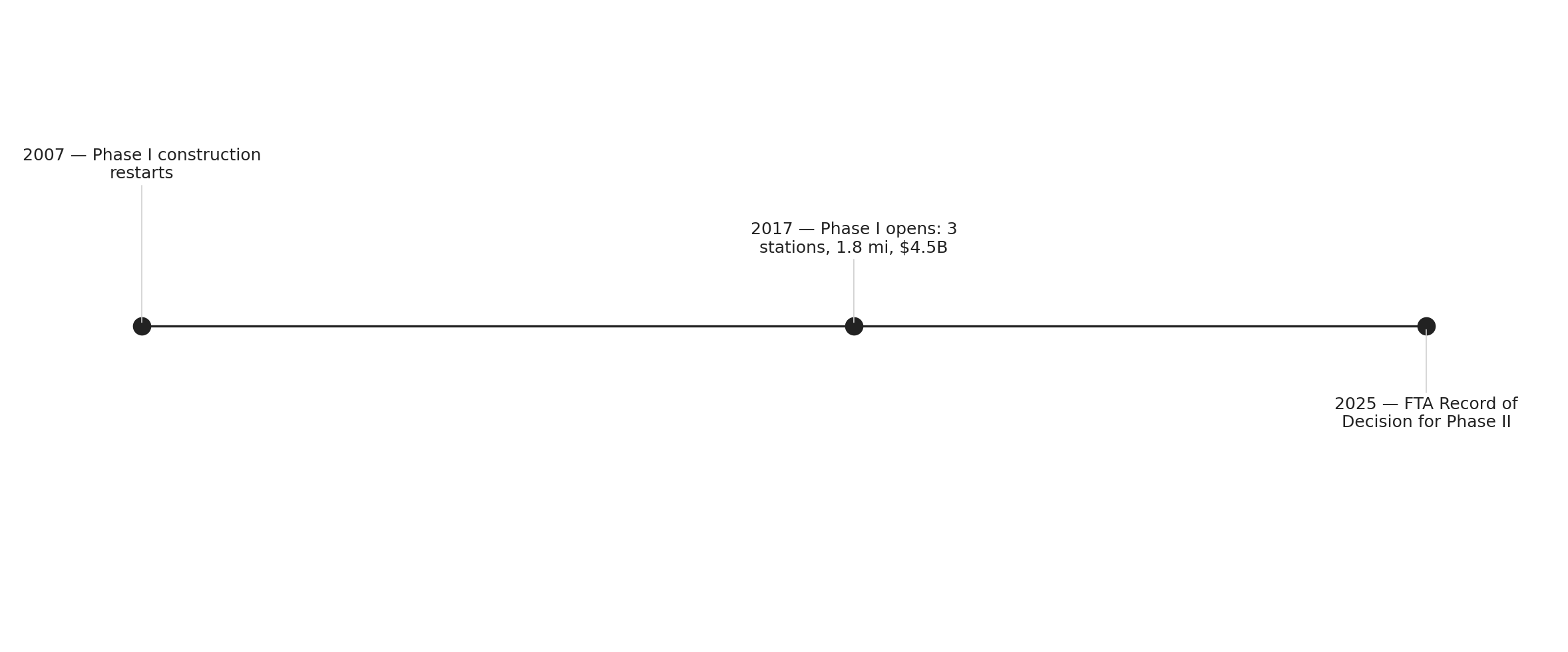
East Harlem, known as El Barrio or Spanish Harlem, is roughly 44% Hispanic/Latino and 26% Black, with a median household income far below the Manhattan average. Federal rules require that low-income and minority communities directly affected by a federally funded project have a genuine voice in its planning, not just a checkbox notification. The FTA issued a Record of Decision for Phase II in January 2025, clearing environmental review, but that milestone only opens the door to the next phase of approvals and funding negotiations.
Source: NationGraph.
The stakes behind this outreach contract are hard to overstate. The Lexington Avenue 4/5/6 trains, which run just blocks west of the proposed line, carry roughly 1.3 million riders daily, making it the busiest subway corridor in North America. The East Side of Manhattan has had one north-south subway line while the West Side has had three, a disparity that has driven overcrowding for decades. Phase II would begin to address that imbalance in a neighborhood that has long borne the strain.
The project also carries real anxieties in the community. Construction could disrupt East Harlem businesses and residents for the better part of a decade, and many local groups worry that a new subway line will accelerate gentrification and displacement. Phase I's community outreach drew criticism from some residents for being superficial, and the MTA appears to be trying to get ahead of that problem this time.
Phase I, which opened on January 1, 2017, cost $4.5 billion for just 1.8 miles of track, drawing sustained criticism over labor costs and construction inefficiencies. The agency has pledged reforms, but Phase II's $7.7 billion price tag ensures that scrutiny will continue. How well the MTA engages East Harlem over the coming months could shape both the project's federal funding prospects and its relationship with the community that will live with the construction for years to come.