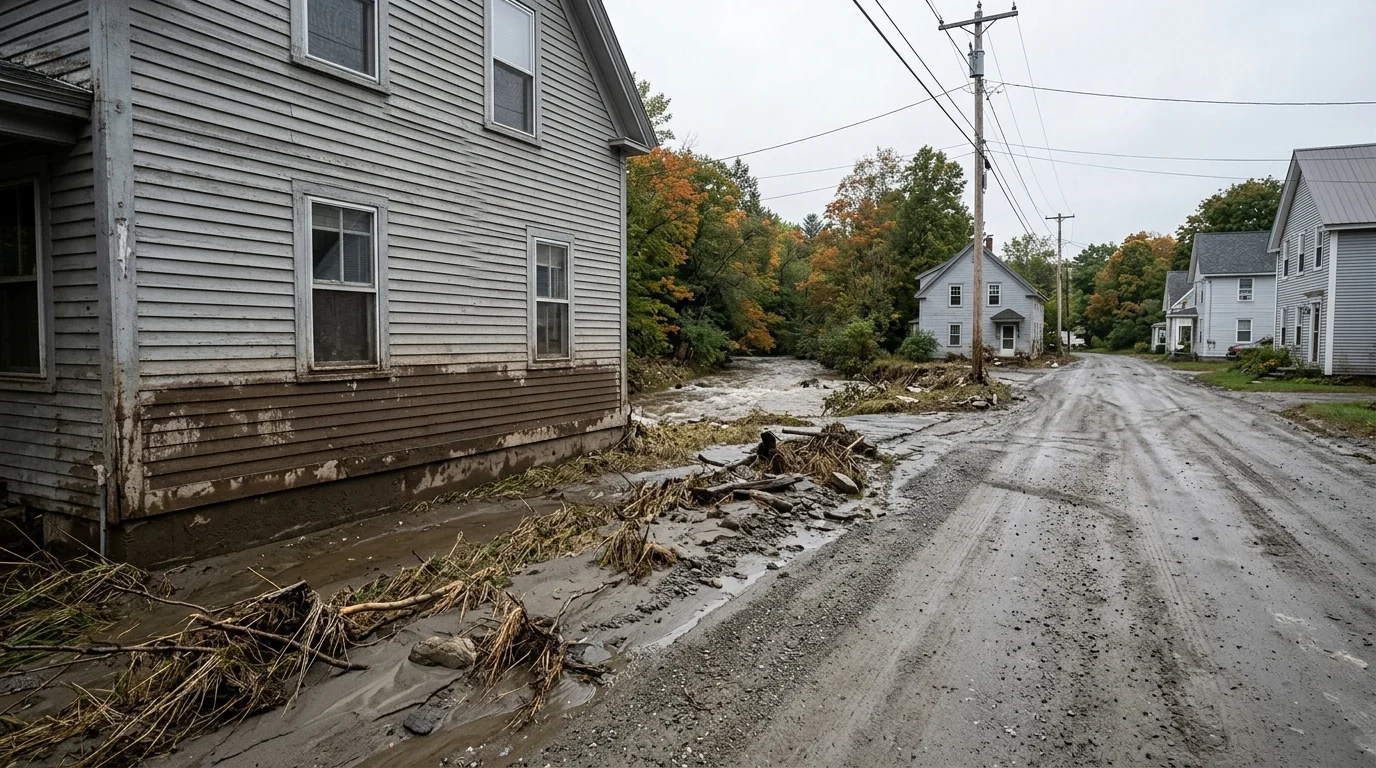
Ten Florida institutions issued hurricane recovery procurement solicitations in the last 30 days that they had not touched in over a year, and in the case of Oviedo, ever. That cohort, spanning at least six counties from Gadsden in the Panhandle to Collier on the southwest coast, marks the moment when roughly $4 billion in federal disaster recovery money is clearing the final layer of bureaucracy and reaching the contractors who will actually fix things.
The money itself arrived in January 2025. A Federal Register notice published January 16, 2025 announced HUD's allocation of $4 billion in Community Development Block Grant Disaster Recovery funds to Florida, covering damage from four named storms: Idalia (2023), Debby, Helene, and Milton (2024). The largest single-county commitments went to Pinellas ($814 million), Pasco ($586 million), the Florida Department of Commerce for statewide distribution ($925 million), Sarasota ($210 million), Volusia ($134 million), and Lee ($101 million). HUD built in waivers specifically designed to accelerate deployment.
And yet here we are, roughly 18 months later, watching Seminole County cities issue their first hurricane drainage contracts.
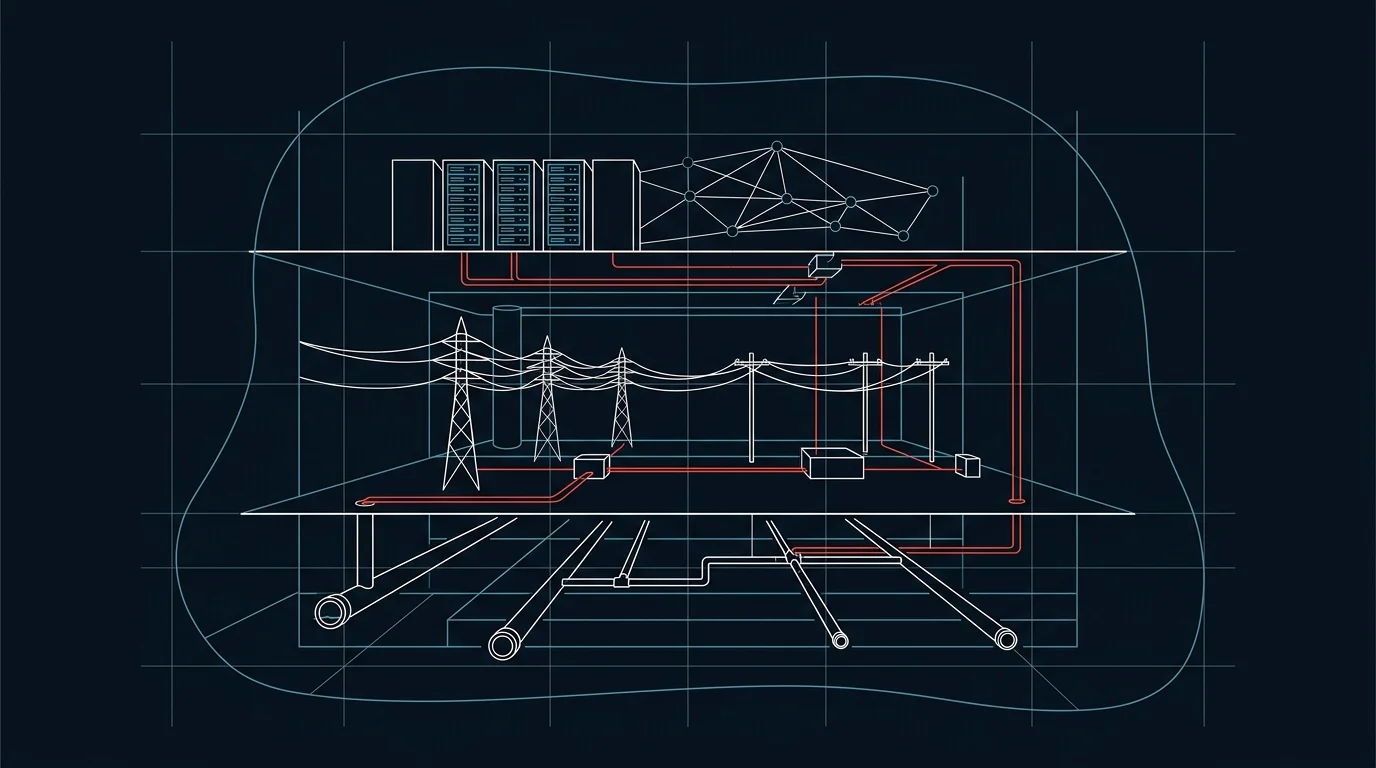
The gap is not a failure of intent. It is the architecture of the program. Before a dollar can move to a contractor, each jurisdiction must draft an action plan, submit it for public comment, revise it, secure local governing-body approval, get HUD sign-off, and publish procurement solicitations that meet federal standards. Hillsborough County's CDBG-DR action plan, for instance, was approved by its Board of County Commissioners on July 16, 2025, six months after the federal announcement, which is why its $10 million multifamily housing rehabilitation solicitation, explicitly tied to Helene and Milton damage, is only appearing now. The Florida Policy Institute has noted that families routinely wait years for assistance as dollars pass through multiple layers of contractors, consultants, and procurement systems. The current RFP wave is the system clearing those layers.
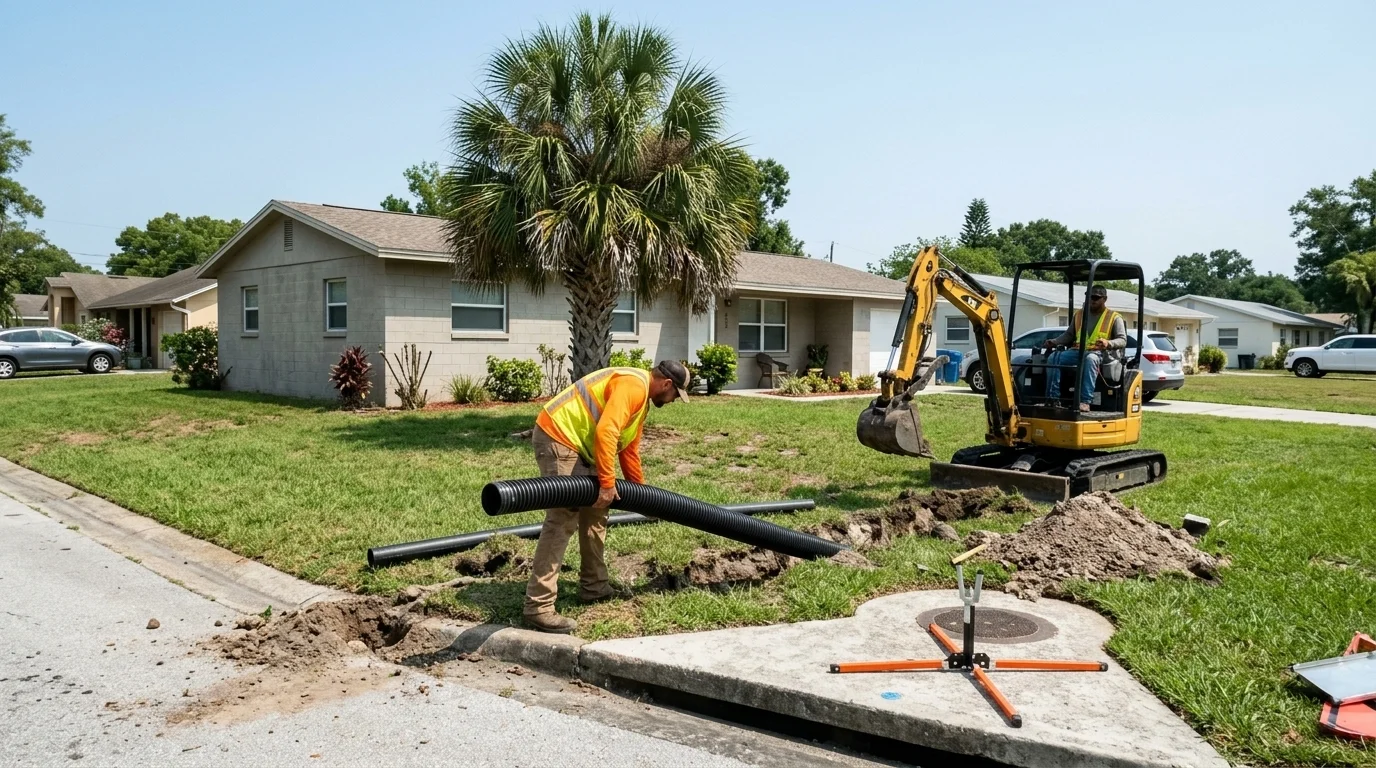
The 10 new-entrant institutions are not the early movers. The counties that had existing CDBG-DR infrastructure, previous disaster experience, established grant-management offices, already-approved action plans, began contracting in late 2025. What the current cohort represents is the second tier: mid-sized cities, special-purpose housing authorities, and utility districts that had to build their compliance apparatus from scratch before they could spend a cent. Oviedo, a Seminole County city of roughly 40,000, is posting its first hurricane recovery solicitation in the database, covering Milton drainage repairs. Casselberry, its neighbor, is returning to the market after 369 days away, with an erosion-control contract. The Collier Housing Authority is soliciting a rental rehabilitation project with hurricane-impact-rated windows, its first such RFP in more than a year. Gadsden County, one of Florida's poorest, is hardening a special-needs shelter.
These are not large dollar figures individually. But they signal something significant about where the recovery stands. The monthly RFP volume across Florida spiked in the October 2025 through April 2026 window as early movers got to market, then settled into a sustained cadence of 14 to 18 solicitations per month. The current new-entrant wave is additive to that baseline, representing institutions that cleared their internal bureaucratic hurdles later rather than faster.
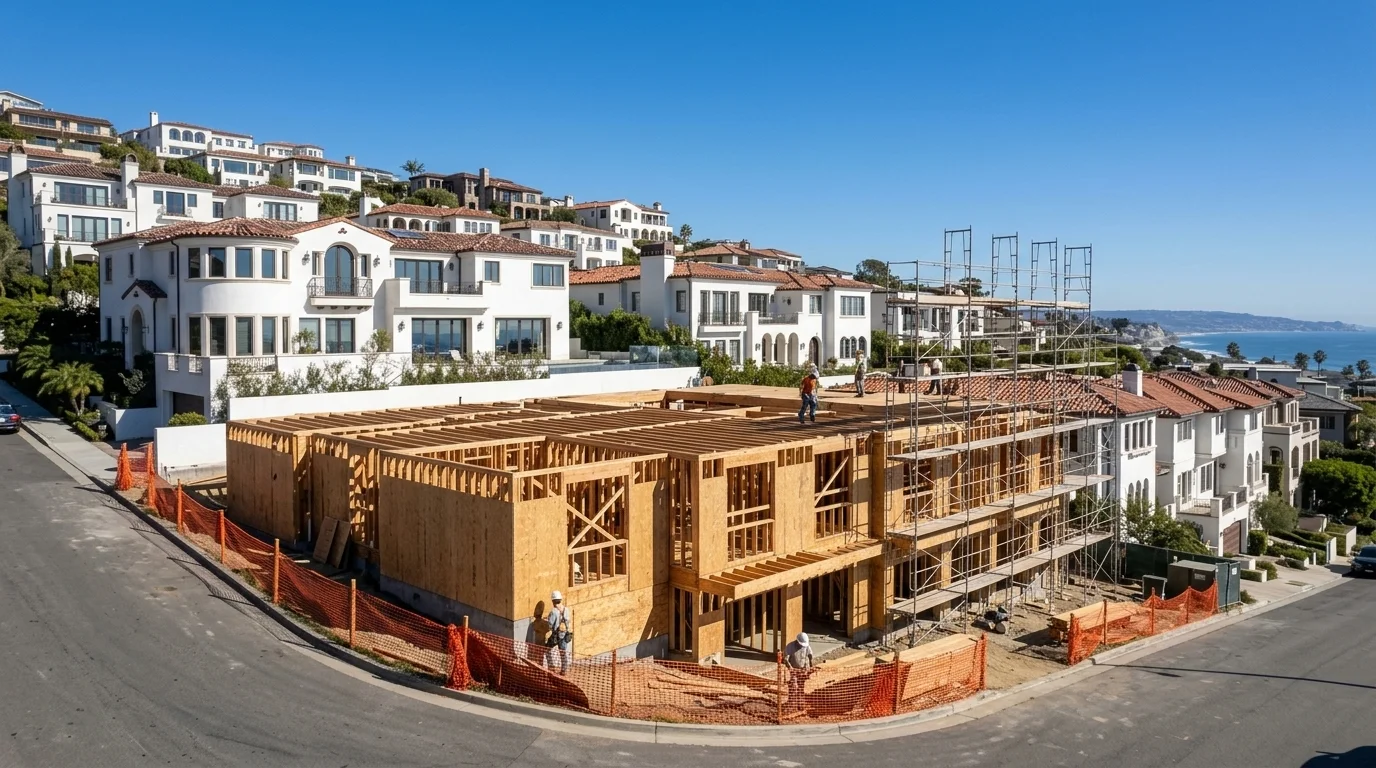
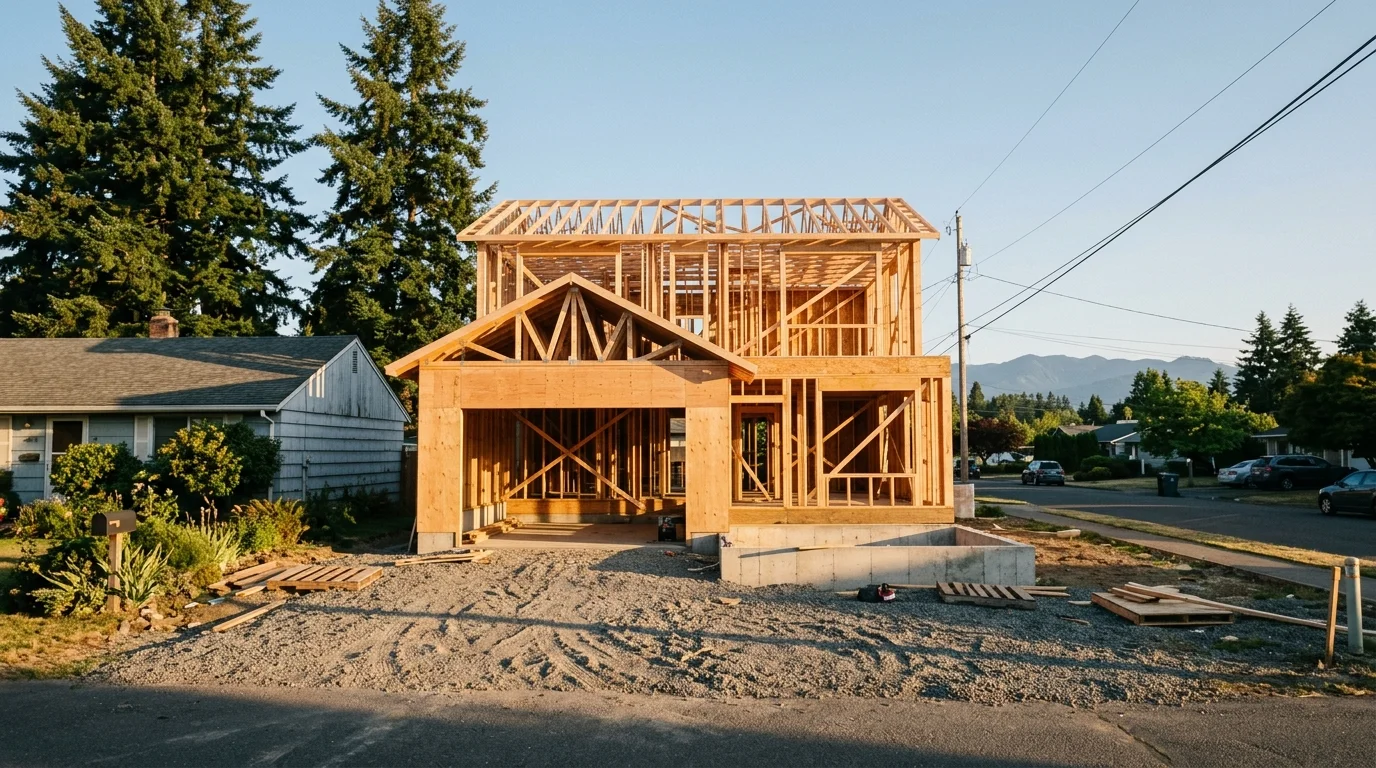
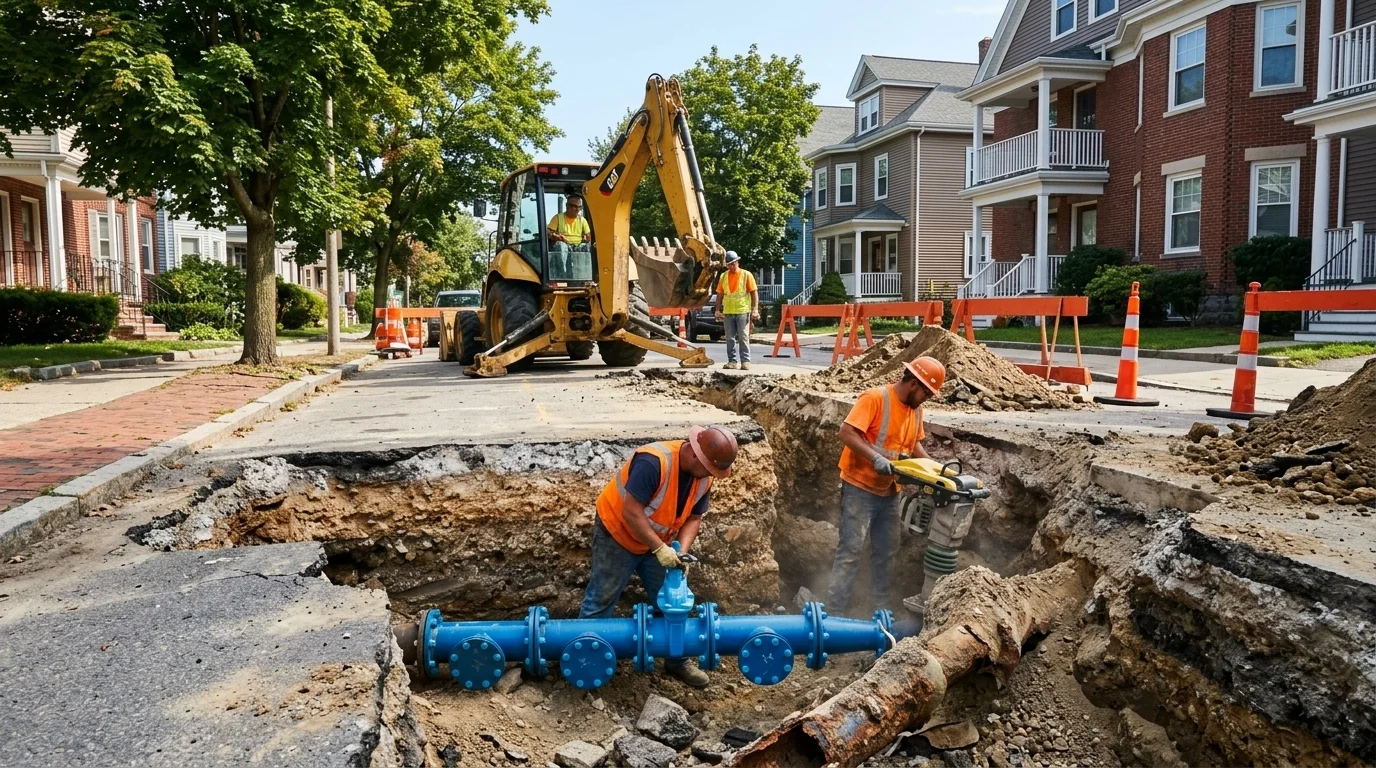
For residents in these communities, the practical meaning is that visible recovery work is about to begin in places it has not yet touched. A drainage contractor in Oviedo can now bid on a federally funded repair. A property owner in a Collier Housing Authority unit will eventually get a storm-rated window. The money, which has existed on spreadsheets and in Federal Register notices for 18 months, is becoming physical.
The broader funding picture gives some urgency to the pace. Grantees have six-year performance windows, running through roughly 2031, to spend their allocations. That sounds generous, and HUD designed it that way deliberately. But program-launch momentum, staff capacity, and contractor availability all tend to compress around the early years of a performance window. Jurisdictions that are only now entering the market in mid-2026 have less runway to course-correct if early contracts underperform or if scope changes require amended action plans, each of which triggers another review cycle.
The next signals to watch are the action-plan approval dates for the counties that have not yet appeared in the procurement record. Florida had 47 of 67 counties affected by the 2023-2024 storm sequence. The institutions now issuing RFPs for the first time suggest the pipeline is moving down the institutional hierarchy, from large county governments toward smaller cities and special-purpose authorities. Whether those remaining jurisdictions have the grant-management capacity to follow is the open question the 2031 deadline will eventually answer.