At least 14 Minnesota institutions issued a housing-related RFP for the first time in more than 12 months during a single 30-day stretch in August 2026, a burst of procurement activity with no equivalent in the prior year's data. The trigger is not a sudden change of heart about housing policy. It is a deadline.
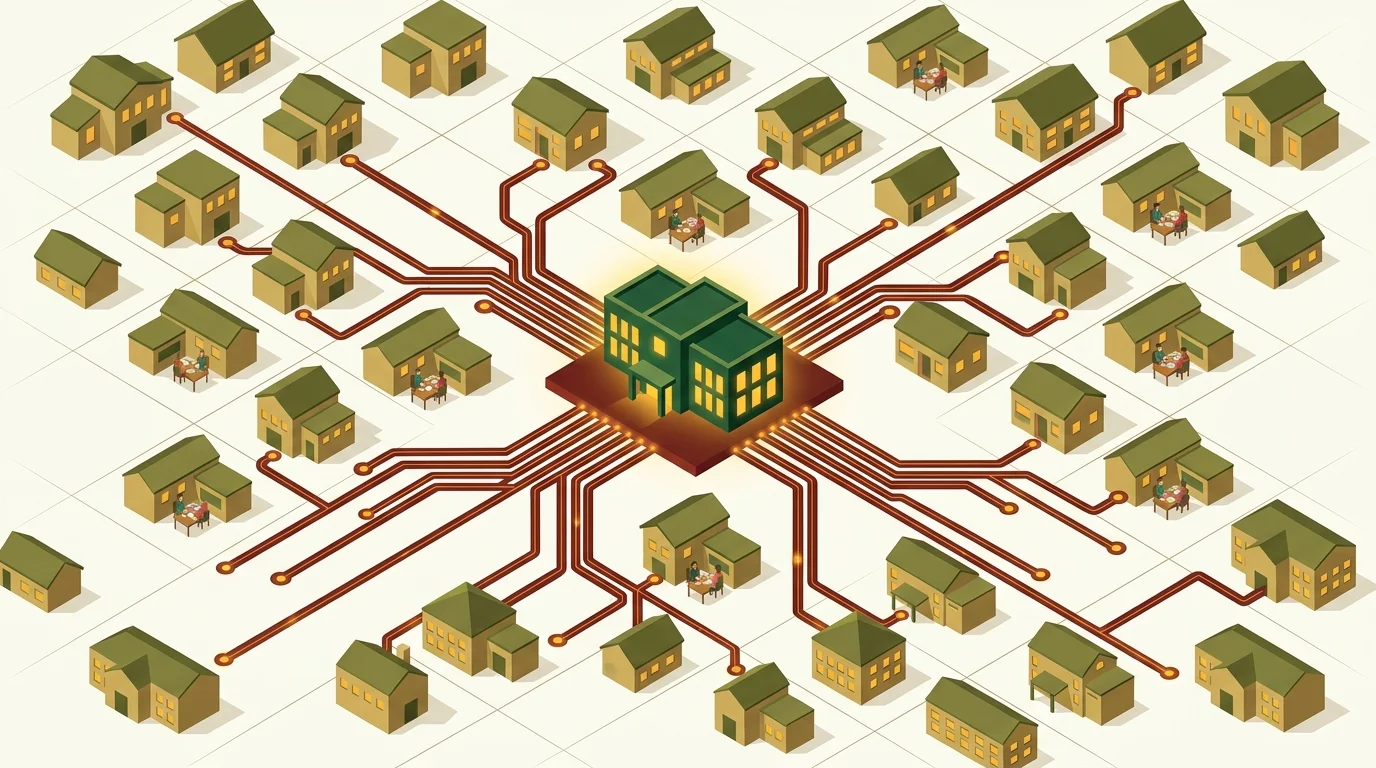
On July 20, local governments across the Twin Cities metro received their semi-annual disbursement from the Local Affordable Housing Aid program, a 0.25% sales tax across seven metro counties that generates roughly $48 million per year. The funds arrive automatically, with no application required, but they come with a condition: recipients must file annual spending reports with Minnesota Housing by December 1, and unspent or misspent dollars are subject to clawback. That creates a roughly four-month window to commit funds to qualifying projects, and August is squarely in the middle of it.
The July disbursement landed on top of a larger pile of new state capital. Gov. Tim Walz signed the 2026 Minnesota Omnibus Housing Finance and Policy Bill on May 18 in a rare bipartisan vote. The $165 million package includes $100 million in housing infrastructure bonds, $40 million for homelessness prevention, and $14.275 million for the Workforce Housing Development Program. For many local governments, May's legislation confirmed that state housing dollars were real and coming. July's disbursement confirmed they had already arrived.
The RFPs that followed span the full geography of Minnesota's housing crisis. Edina solicited an affordable housing policy consultant to calibrate an inclusionary zoning study. St. Paul issued a request to evaluate its rent stabilization ordinance. Bloomington sought civil engineering services for a 4-acre housing development site. Albert Lea advertised for developers to build entry-level housing on city-owned land. Hubbard County's Housing and Redevelopment Authority solicited developers for two HRA-owned parcels in Park Rapids, more than 200 miles north of the Twin Cities. Taken together, the 14 first-time issuers span 16 counties, from Ramsey and Hennepin to Freeborn and Rock.
That geographic spread is not accidental. The state's housing aid architecture runs on two parallel tracks: LAHA for the metro area and the Statewide Affordable Housing Aid program for outstate communities. Both tracks disbursed in July, and both carry the December 1 reporting clock. The result is that the procurement urgency window is hitting Bloomington and Park Rapids simultaneously, which is why the current burst does not look like a Twin Cities story. It looks like a Minnesota story.
The state's housing deficit is estimated at 300,000 homes, and it is not concentrated in one place. Tyler Schipper, an associate professor of economics at the University of St. Thomas, has noted that housing shortages in Greater Minnesota function as a workforce-retention problem, not just an affordability one: communities that cannot house workers cannot attract employers. The Workforce Housing Development Program funded in May's bill targets exactly that dynamic, and the Albert Lea and Park Rapids solicitations suggest at least some outstate governments are moving to use it.
The federal floor beneath all of this is substantial. Minnesota Housing's LAHA and SAHA programs stack on top of an active HUD grant portfolio to Minnesota housing authorities exceeding $636 million across roughly 1,925 grants in the last 18 months, led by Section 8 Housing Choice Vouchers administered by the Metropolitan Council and the Minneapolis Public Housing Authority. State dollars and federal dollars are compounding in the same fiscal year, giving local governments more capital to deploy than most have managed before.
For residents, the immediate consequence is that housing projects that stalled in the planning stages now have procurement processes attached to them. A city issuing its first housing RFP in over a year is not necessarily building units yet, but it is hiring the engineers, consultants, and developers needed to get there. The distance between an RFP and a groundbreaking is typically 18 to 36 months, which means the decisions being made in August 2026 will determine what gets built by 2028.
The next signal to watch is the December 1 spending report deadline. Institutions that issued RFPs in August but failed to execute contracts before year-end could face clawback on their LAHA and SAHA disbursements, which would create pressure to move faster in future cycles. Minnesota Housing has published detailed reporting instructions for local recipients, and compliance will determine whether the July disbursement translates into committed projects or returned dollars. That answer arrives in about 90 days.