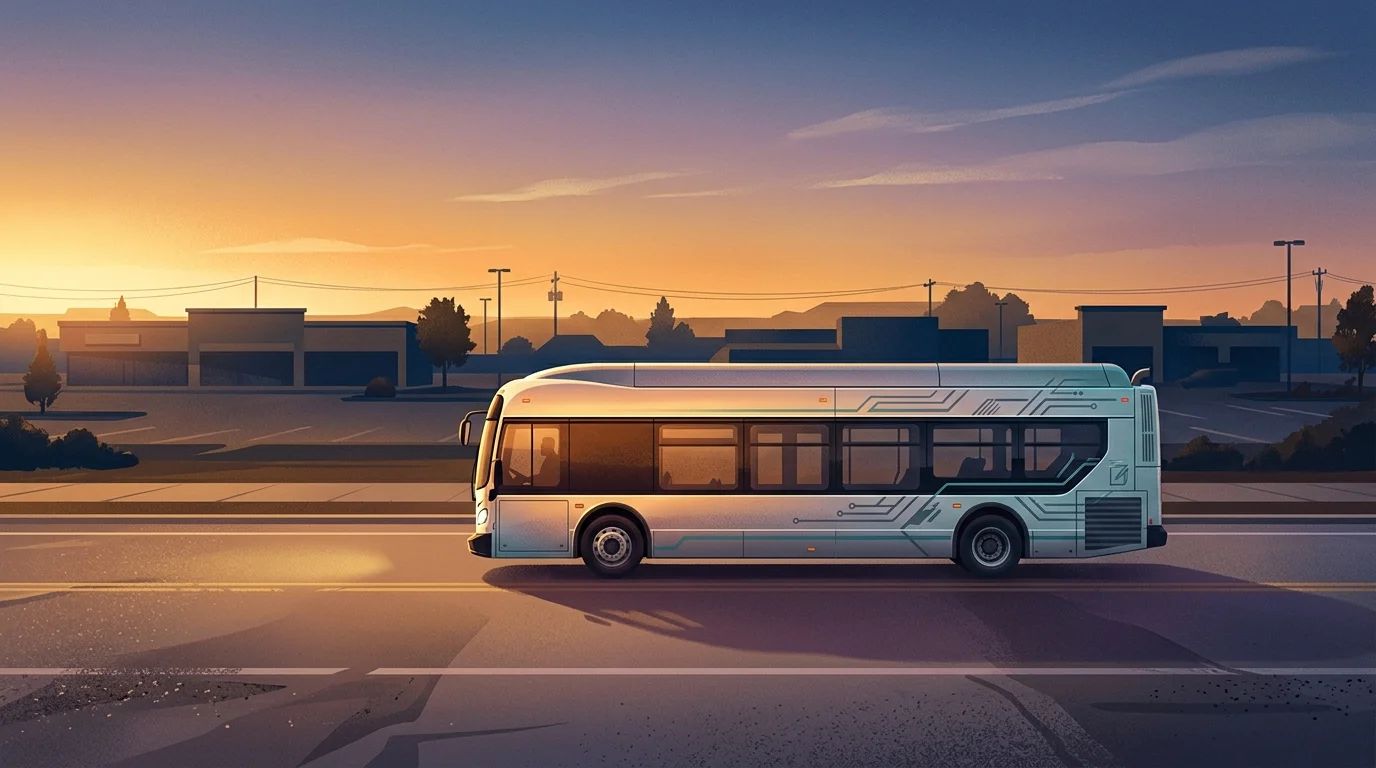
Thurston County's public transit agency is taking a concrete step toward running hydrogen-powered buses, moving to acquire its own mobile fuel supply rather than waiting on outside vendors.
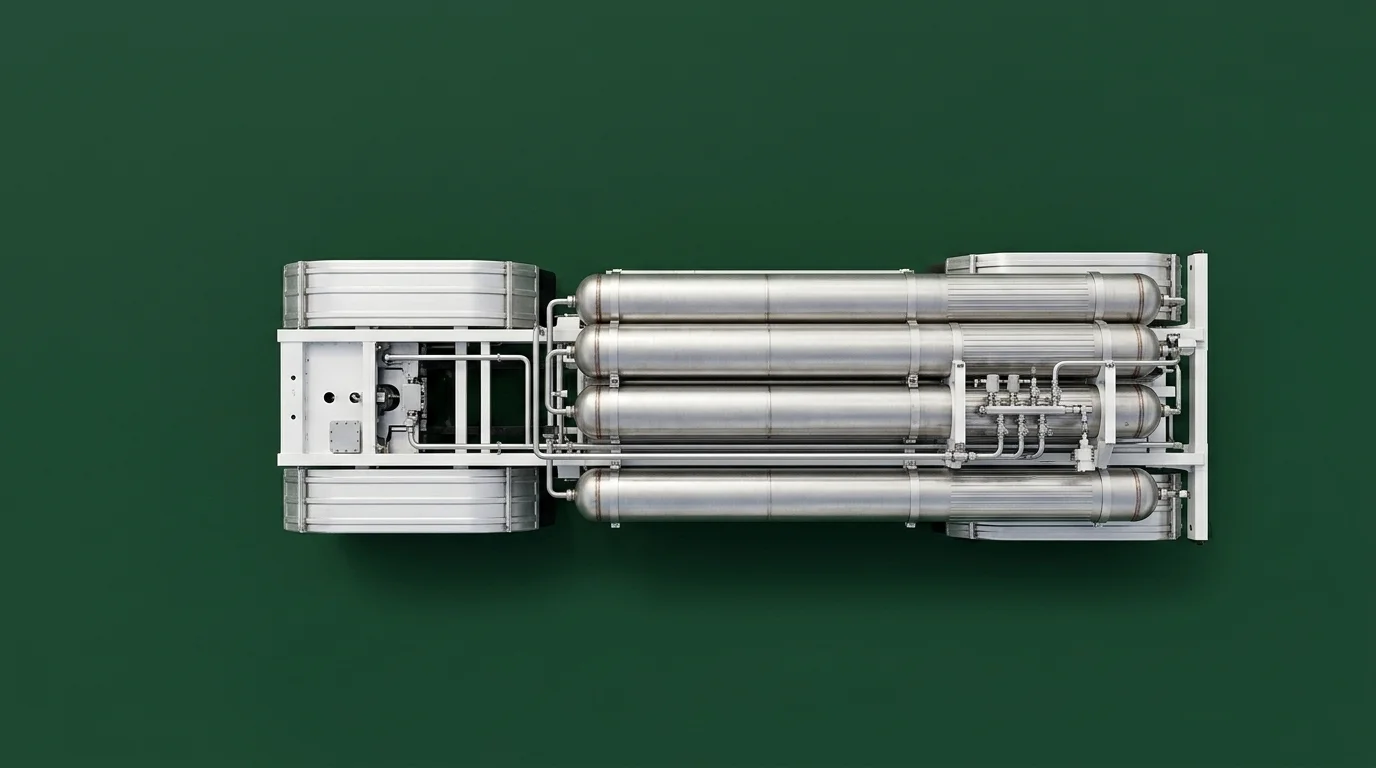
Intercity Transit, which serves the Olympia, Washington area and about 300,000 residents, is seeking suppliers for hydrogen tube trailers, the high-pressure tank trucks used to deliver hydrogen fuel before permanent on-site production or pipeline infrastructure exists. Owning that equipment would give the agency direct control over its fuel supply chain, a move that signals hydrogen-powered buses are approaching operational deployment rather than remaining a planning exercise.
The choice of hydrogen over battery-electric is notable for a region that is relatively flat and mild. Most transit agencies in rugged or cold terrain have leaned toward hydrogen fuel cell buses because they refuel faster and hold range better in tough conditions. Intercity Transit's situation suggests the agency sees broader strategic value in hydrogen, including alignment with the Pacific Northwest Hydrogen Hub, one of seven regional hubs designated by the U.S. Department of Energy in October 2023 to share up to $1 billion in federal funding aimed at building hydrogen production and distribution networks across Washington, Oregon and Montana.
Source: NationGraph.
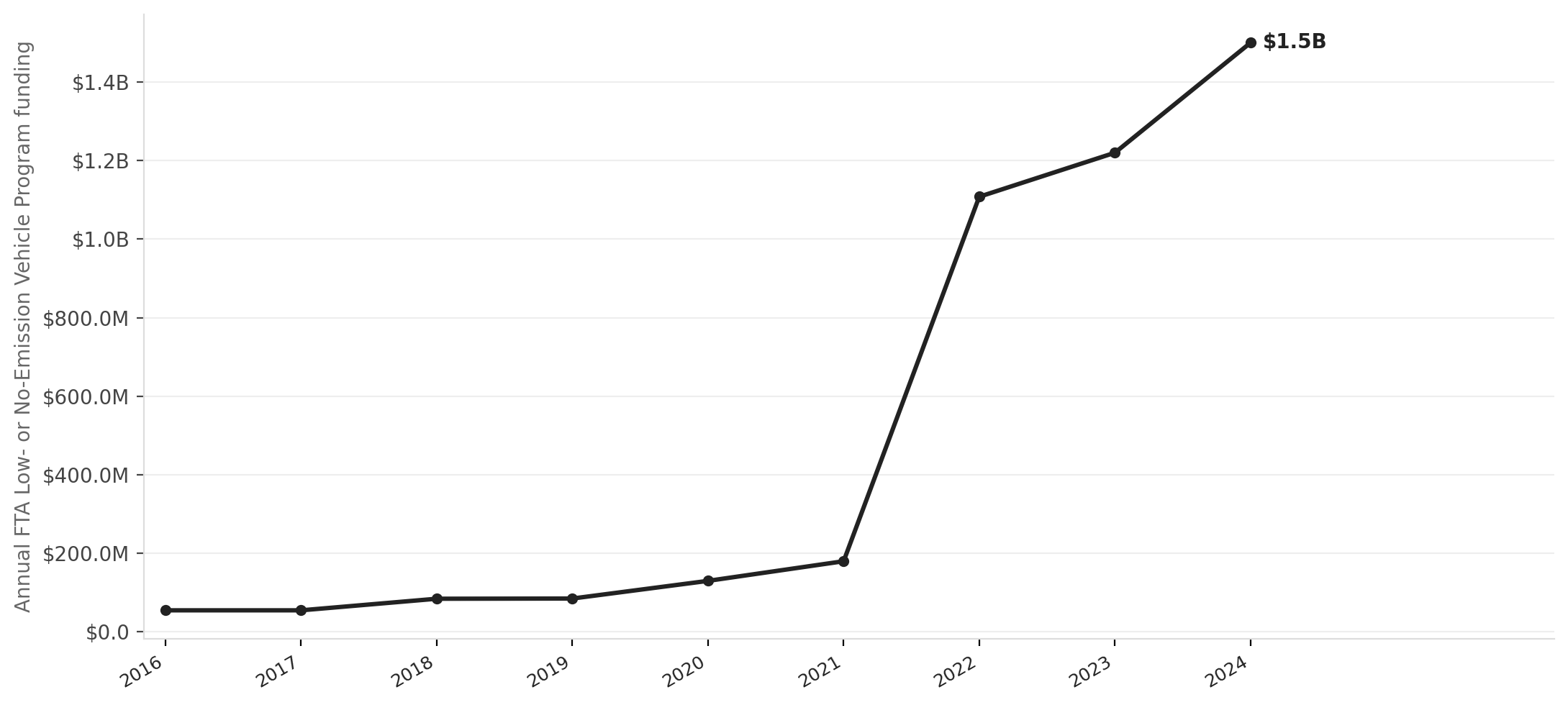
The agency has been under pressure to decarbonize for years. Washington's 2021 Climate Commitment Act and earlier clean energy legislation set greenhouse gas reduction requirements for state transit providers. Federal money has accelerated the shift: the 2021 Bipartisan Infrastructure Law expanded the Federal Transit Administration's Low- or No-Emission Vehicle grant program, and the 2022 Inflation Reduction Act added hydrogen production tax credits. Intercity Transit has previously received FTA low-emission grants and has piloted battery-electric buses.
Intercity Transit has been fare-free since 2020, funded by Thurston County sales tax, which gives it more financial flexibility than agencies dependent on rider revenue. Operating in the shadow of the state capitol also puts the agency in an unusual position: it frequently functions as a proving ground for Washington's own climate policies.
Proposals from vendors are due July 30, 2026. Once a supplier is selected and trailers are delivered, the next visible milestone will be when fuel cell buses begin regular service on county routes.