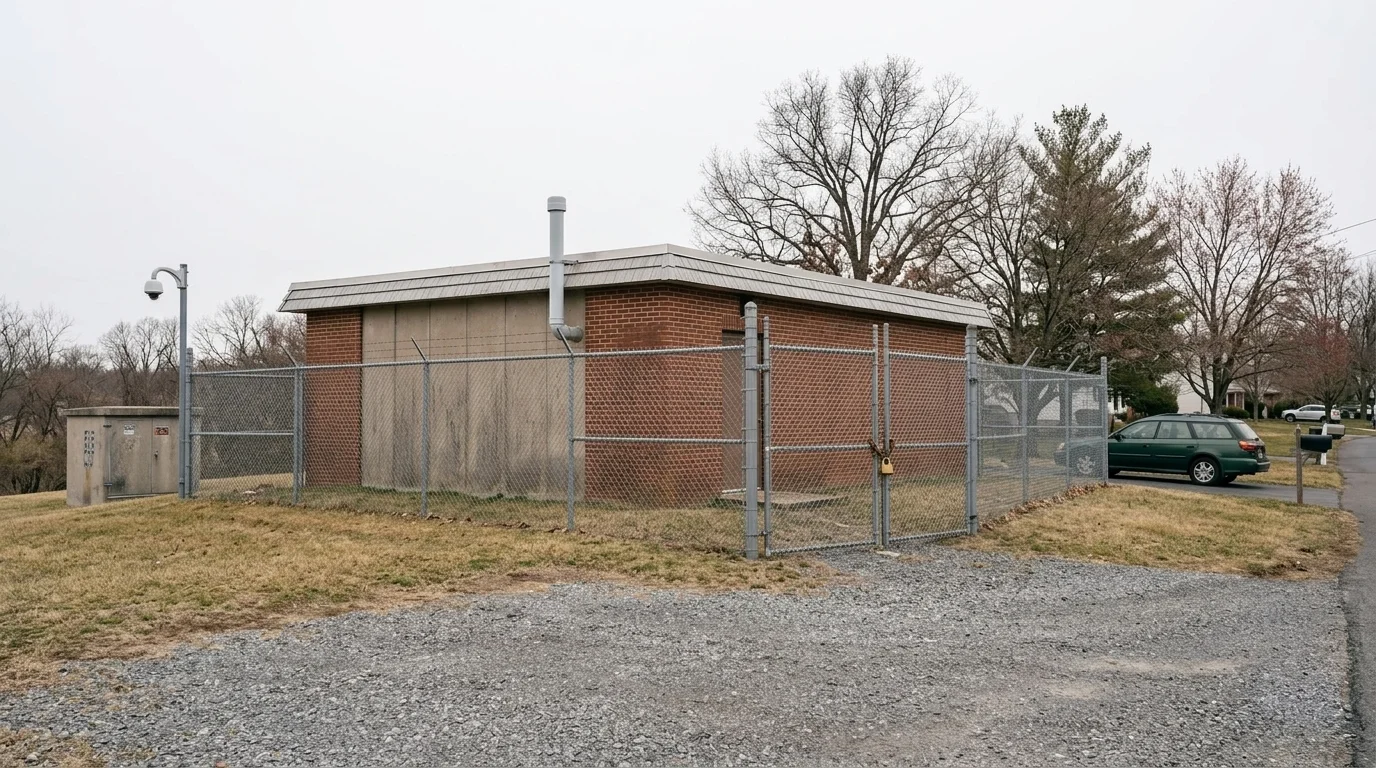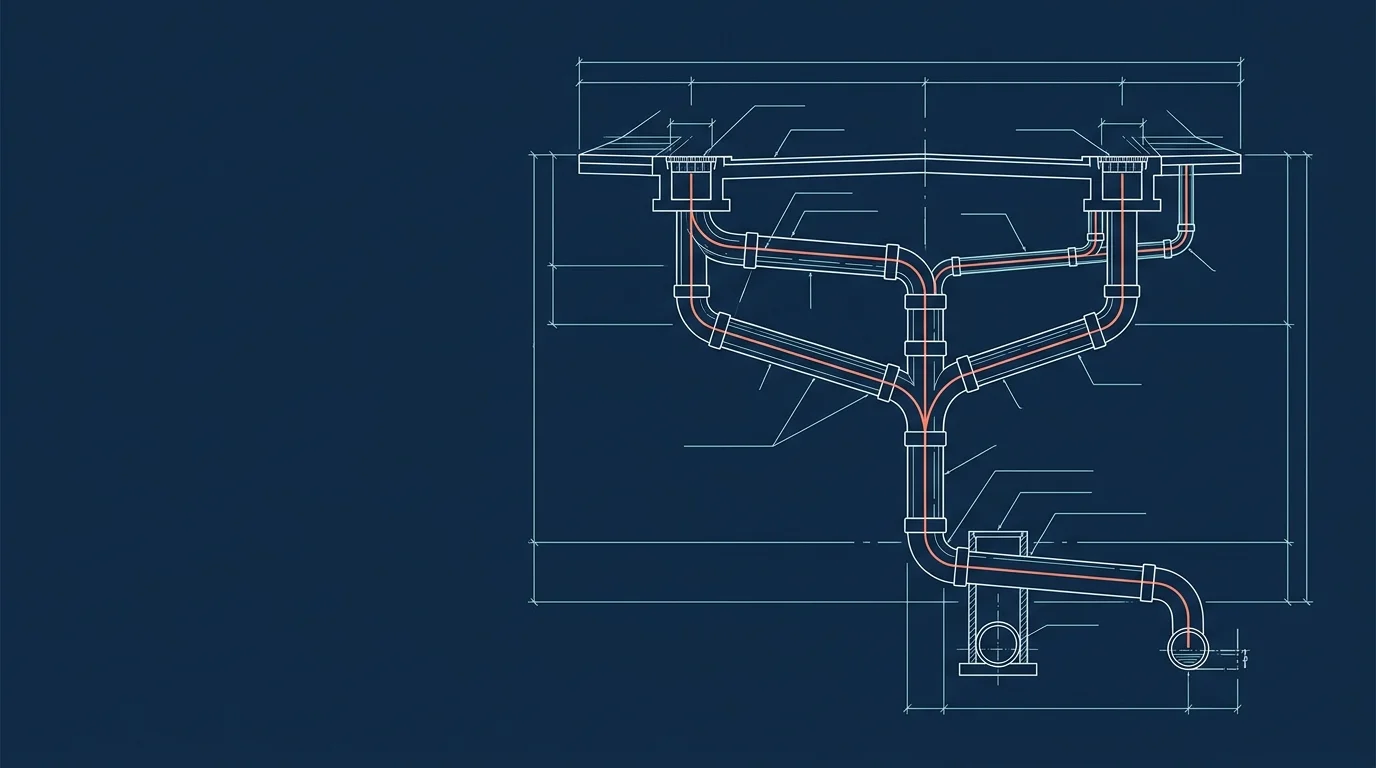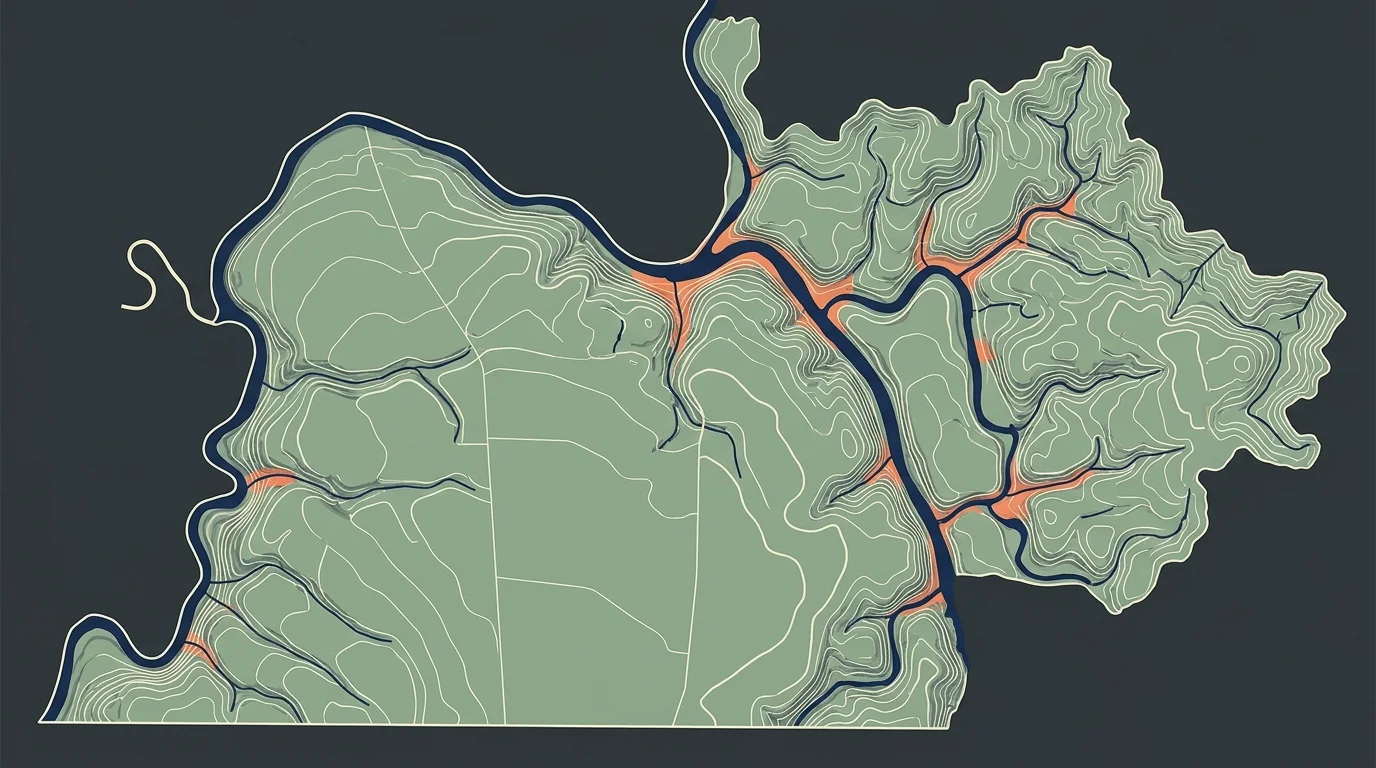
Roughly a dozen New Jersey municipalities posted live stormwater engineering procurement contracts in October alone, a rate well above the monthly baseline, and the geography tells the story: Ocean County coastline, Somerset County suburbs, Camden and Essex County townships, all releasing bids in the same narrow window. The reason is the same in every case. Under the state's Tier A MS4 General Permit, every one of New Jersey's 565 municipalities faces a hard January 20, 2027 deadline to adopt updated Stormwater Control Ordinances and submit Watershed Assessment Reports to NJDEP. Most of them are just now hiring the engineers to do it.
The scene playing out in Westwood, Bergen County, is a working template. In September 2026, the borough's engineer appeared before the council, explained the new MS4 and REAL rule obligations, and told elected officials they had roughly 90 days to authorize an engineering services contract before the ordinance adoption window closed. That conversation is being replicated in municipal meeting rooms across the state, from Seaside Park to Brielle on the coast, to Bernards, Bedminster, and Bridgewater in Somerset County, to Mantua Township and Laurel Springs in Gloucester and Camden counties.
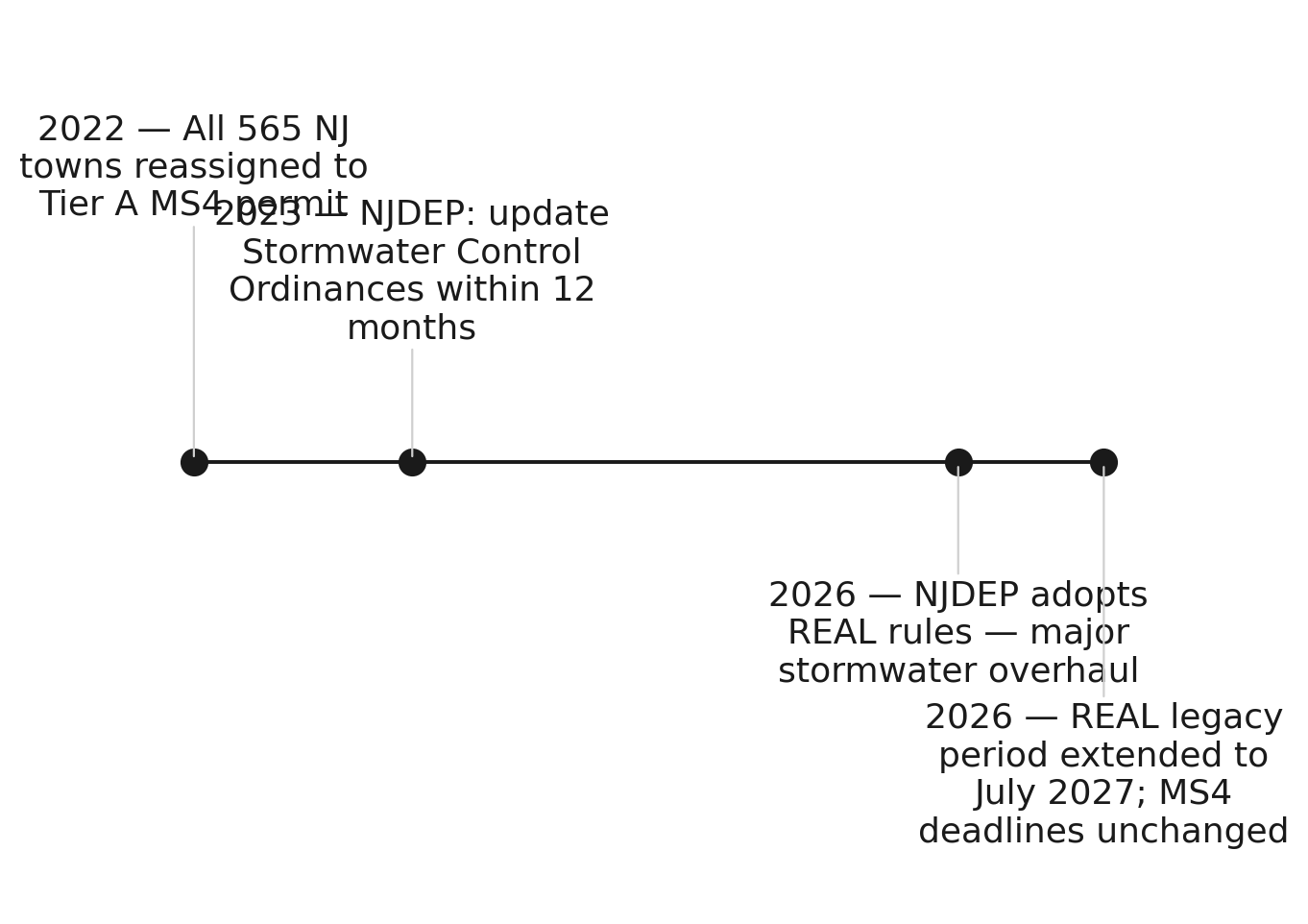
Two distinct but linked regulatory instruments are producing the crunch. The Tier A MS4 General Permit sets the deadline: municipalities must adopt compliant ordinances and file assessment reports by January 2027 or face permit violations. The REAL rules, adopted by NJDEP on January 20, 2026 under the NJ PACT initiative, raise the technical standard those ordinances must meet. As Kleinfelder noted in its analysis of the REAL rules, the package represents one of the most significant overhauls in decades to New Jersey land use and environmental regulation, amending stormwater, coastal zone, freshwater wetlands, and flood hazard area rules simultaneously. The two instruments are not interchangeable: MS4 sets the clock, REAL raises the bar. Both hit the same pool of municipal engineering consultants at the same time.
Source: NationGraph.
The REAL rules introduced requirements that go beyond what municipalities were planning for. Redevelopment projects affecting motor-vehicle areas now require stormwater quality treatment even when no new impervious surface is added, a standard that did not exist under the prior rules. Climate-adjusted flood elevations are now embedded in the applicable standards, a change with particular consequence for New Jersey's coastal and tidal communities, which represent a large share of the state's population and ratables. Governor Sherrill issued a regulatory freeze on the REAL rules in May 2026, but NJDEP extended the legacy period only to July 20, 2027, meaning the new substantive standards still apply to new project applications filed now, and the MS4-specific January 2027 municipal deadlines were not moved. Per NJDEP's official REAL rules page, the agency has continued implementing the program throughout the freeze period.
New Jersey's situation is structurally different from other states facing MS4 compliance cycles. The July 2022 decision to reassign all municipalities previously on Tier B permits to Tier A created a synchronized statewide deadline for all 565 towns simultaneously. No other state runs its MS4 program at this density with a single unified deadline. The average New Jersey municipality has fewer than 15,000 residents and no in-house stormwater engineering staff, which means compliance requires procuring outside consultants. When all 565 towns need the same professional service category in the same six-month window, the market tightens and the procurement signal becomes visible in bid databases.
This wave is not being driven by a new infusion of federal dollars. New Jersey's active federal stormwater grant portfolio totals approximately $113 million across three agencies, including $72.5 million from the Department of Commerce, $29.6 million from Transportation, and $11 million from EPA. But new federal commitments in the last 90 days amount to roughly $600,000, compared to $25.6 million in the prior-year window. The money behind the RFPs is largely coming from municipal operating and capital budgets, not federal grants, which distinguishes this procurement wave from post-disaster infrastructure surges or congressionally appropriated spending programs.
What changes for a resident watching this play out: the Stormwater Control Ordinance your town adopts in the coming months will govern what developers and property owners must do when they disturb land or redevelop paved areas in your municipality for years ahead. The stricter the ordinance, the more stormwater infrastructure cost gets pushed to developers at the project level rather than to municipal ratepayers after the fact. The quality of the engineering services your town procures now will largely determine how defensible that ordinance is.
The immediate signal to watch is whether NJDEP grants any further extensions to the January 2027 MS4 deadlines. As of now, none have been issued, and the agency has given no public indication that the permit timeline will move. For most New Jersey municipalities, the next council meeting at which an engineer presents a stormwater services contract for authorization is not a procedural formality. It is the compliance clock running out.