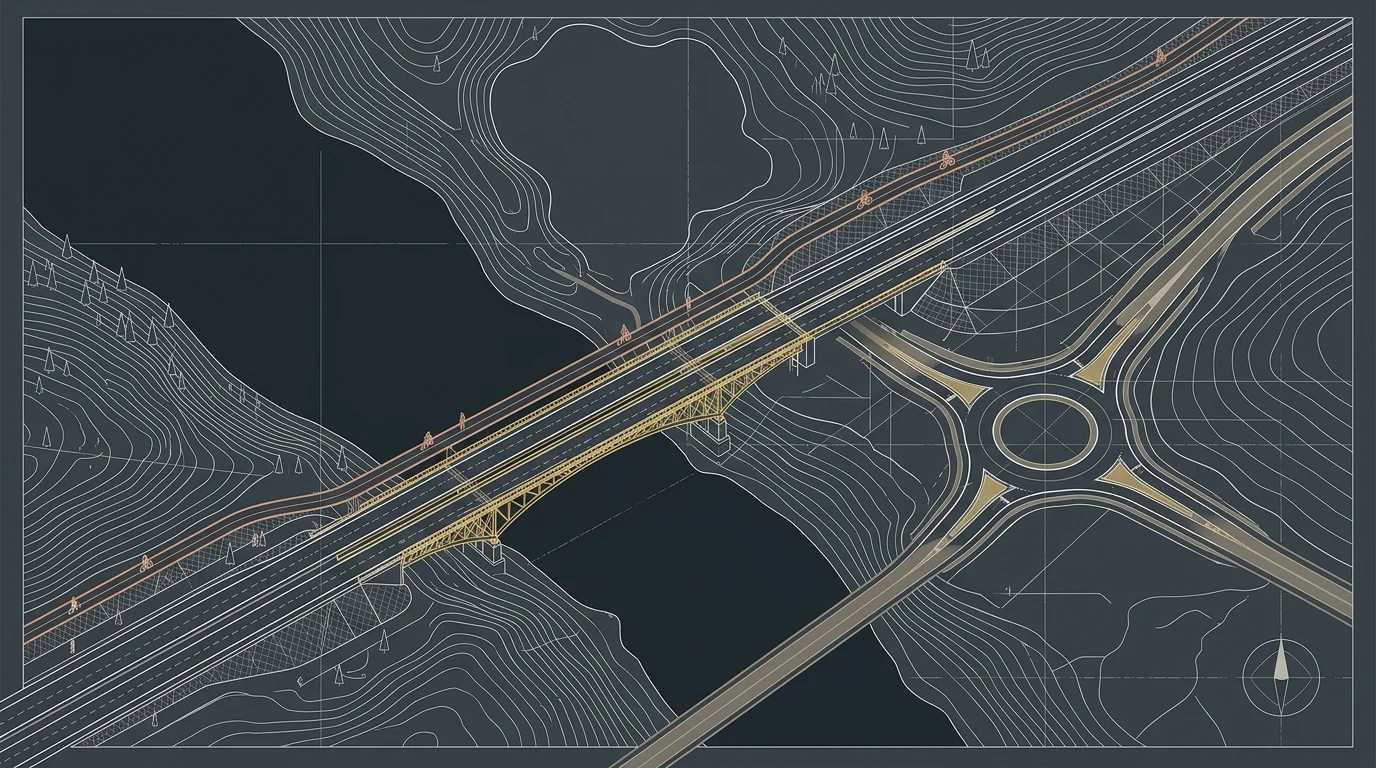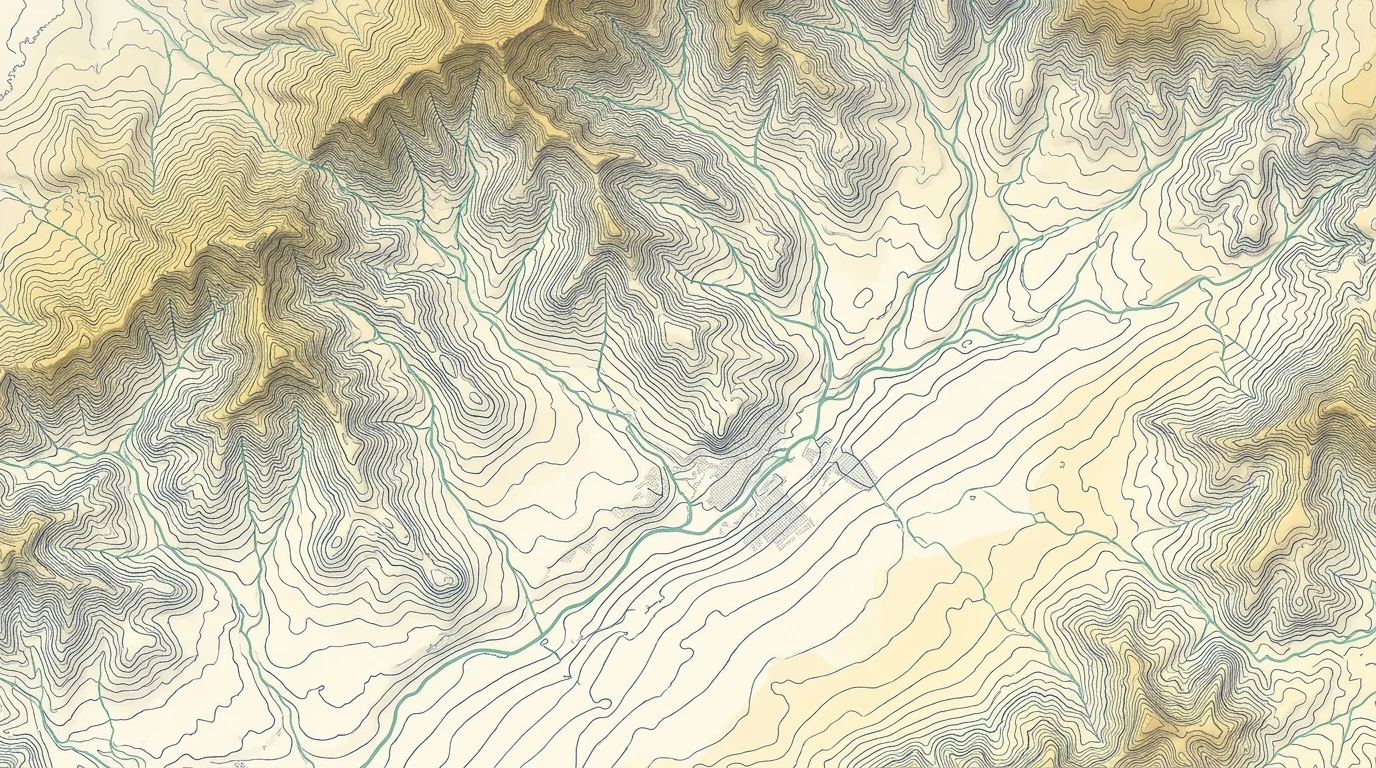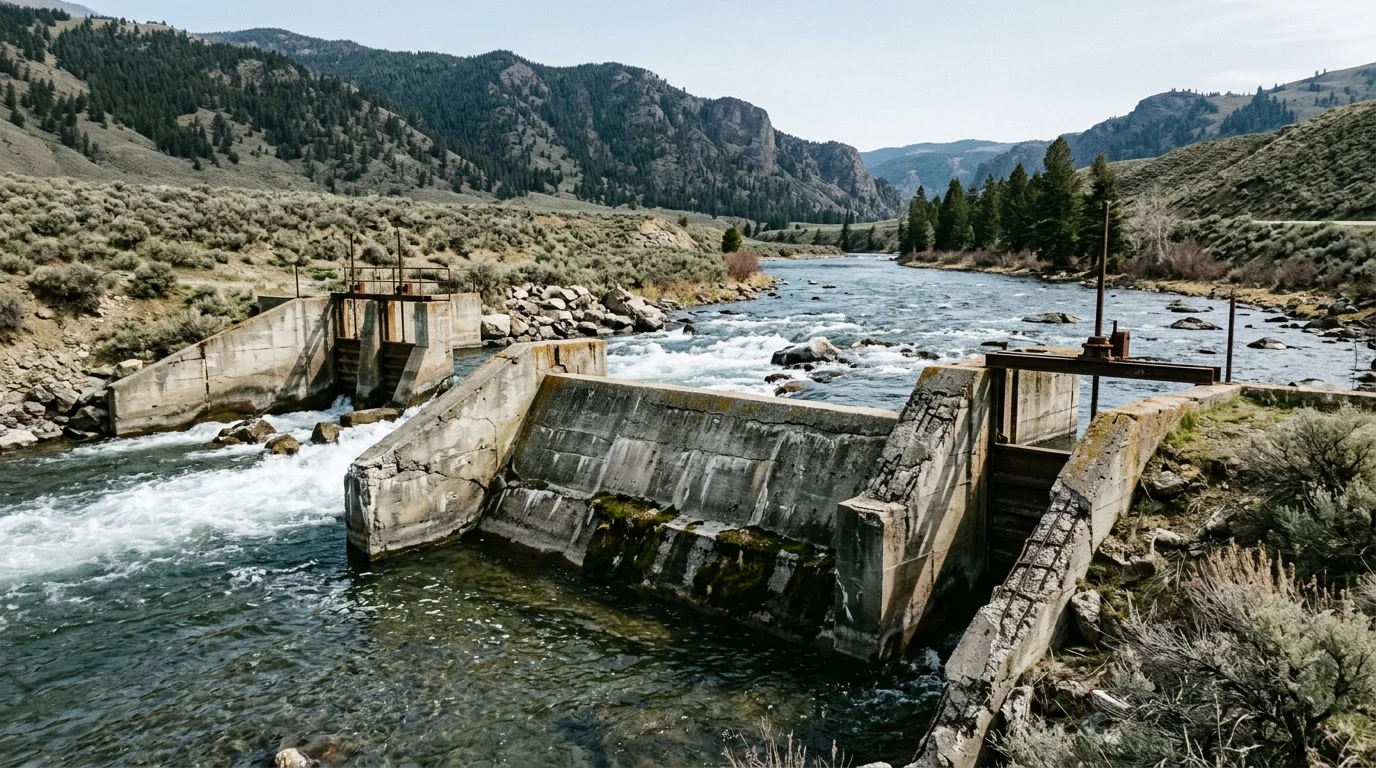
A small irrigation dam near Gardiner, Montana, the tiny gateway community at Yellowstone National Park's north entrance, is being rebuilt to allow native trout to swim upstream for the first time in roughly a century.
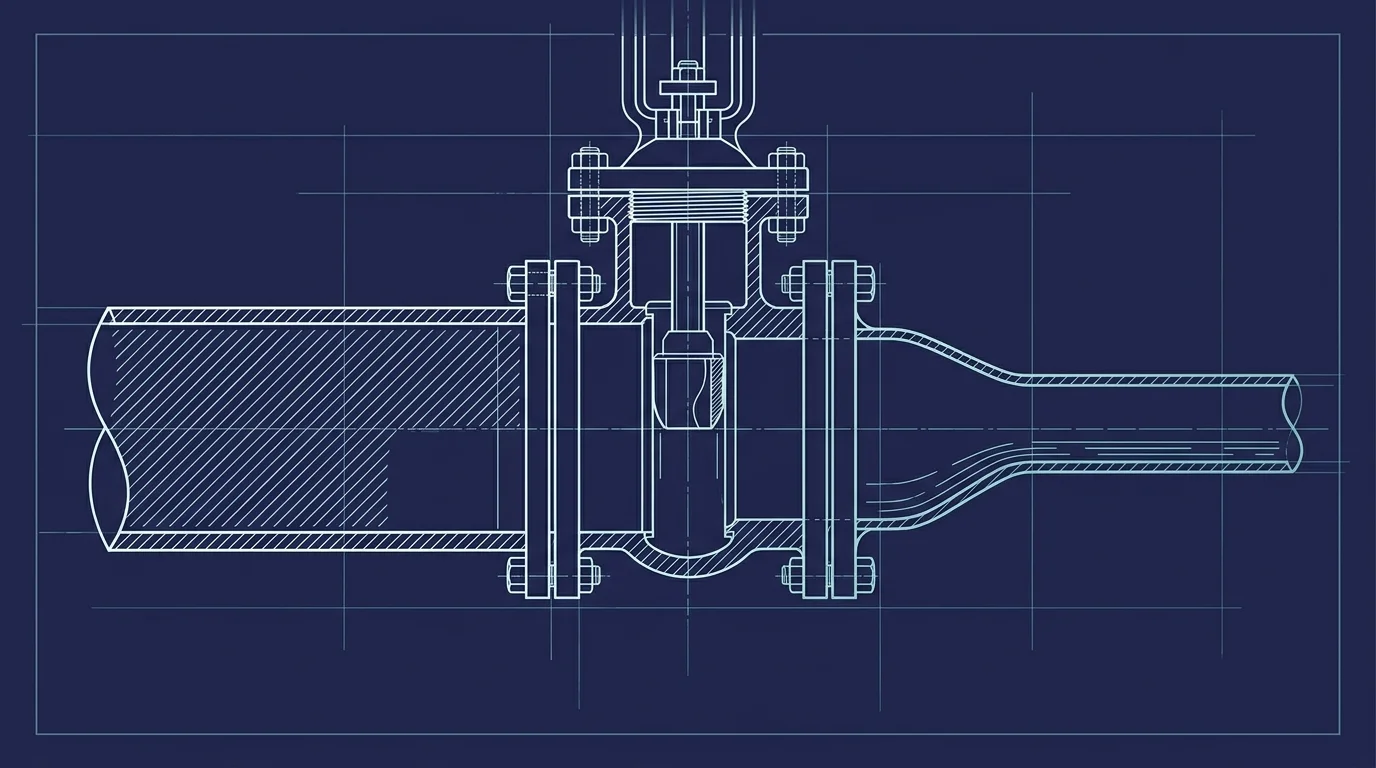
The project targets the Gardiner Diversion, a structure on the Yellowstone River drainage built during the era of westward agricultural expansion, when fish passage was an afterthought. Montana is now hiring contractors to tear out the existing structure and replace it with a fish-passable rock ramp, a graduated boulder channel that lets Yellowstone cutthroat trout, mountain whitefish, and other native species reach upstream spawning and rearing habitat while still diverting water to irrigators. New sluice channels, fish screens, and an engineered water flume will round out the rebuilt system, followed by full site reclamation. The project is listed on Montana's procurement portal.
The stakes for the fish are real. Yellowstone cutthroat trout have been squeezed out of roughly 60 percent of their historic range by competition from introduced species, warming water, and structures like this one that fragment the river into disconnected pools. Montana Fish, Wildlife and Parks has designated the species a Species of Concern, and biologists have been working aggressively to restore access to cold-water spawning habitat before conditions worsen enough to trigger a federal Endangered Species Act listing.
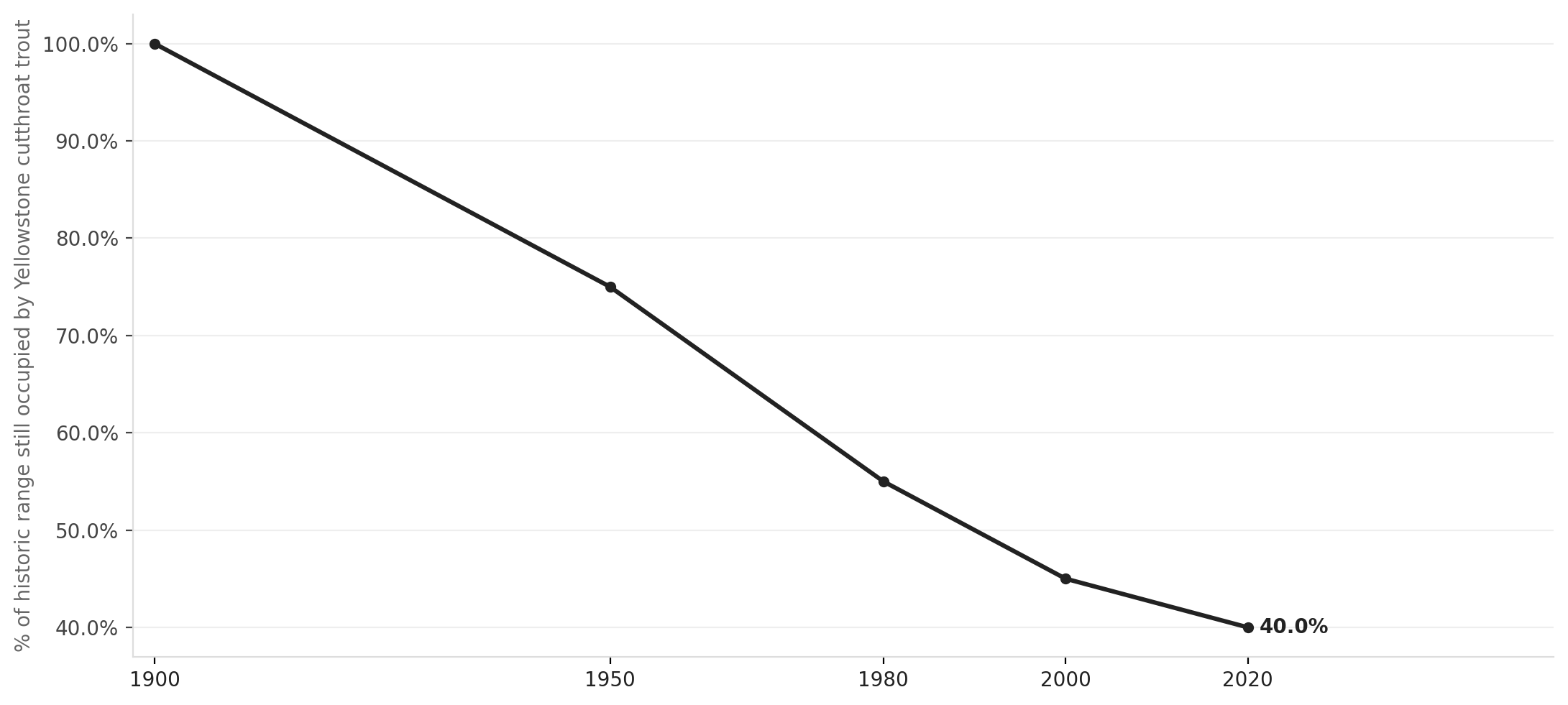
Source: NationGraph.
The Gardiner area has been at the center of that urgency since June 2022, when catastrophic flooding reshaped the Yellowstone River corridor, destroyed roads and infrastructure around Gardiner, and cut the town of roughly 875 people off from the park for months. The disaster accelerated conversations about how riverside structures should be rebuilt, and federal money followed: the Bipartisan Infrastructure Law directed more than $200 million to the National Fish Passage Program, with additional habitat funds flowing through the Inflation Reduction Act.
The Gardiner project reflects a broader pattern of post-flood, federally-backed rebuilding that is reshaping river corridors across Montana. Similar pressures have driven flood-related infrastructure work elsewhere in the state, where aging structures are being rethought with both climate resilience and ecological recovery in mind.
The redesign serves both sides of a historically contentious divide: agricultural water users keep their diversion rights, and the fish get a way around a century-old barrier. Contractor selection will determine when construction can begin.