Residents near a long-running Superfund site in Rockton, Illinois are getting an upgraded level of protection as federal and state officials move to address a class of toxic chemicals that wasn't on regulators' radar when the site's original cleanup was designed.
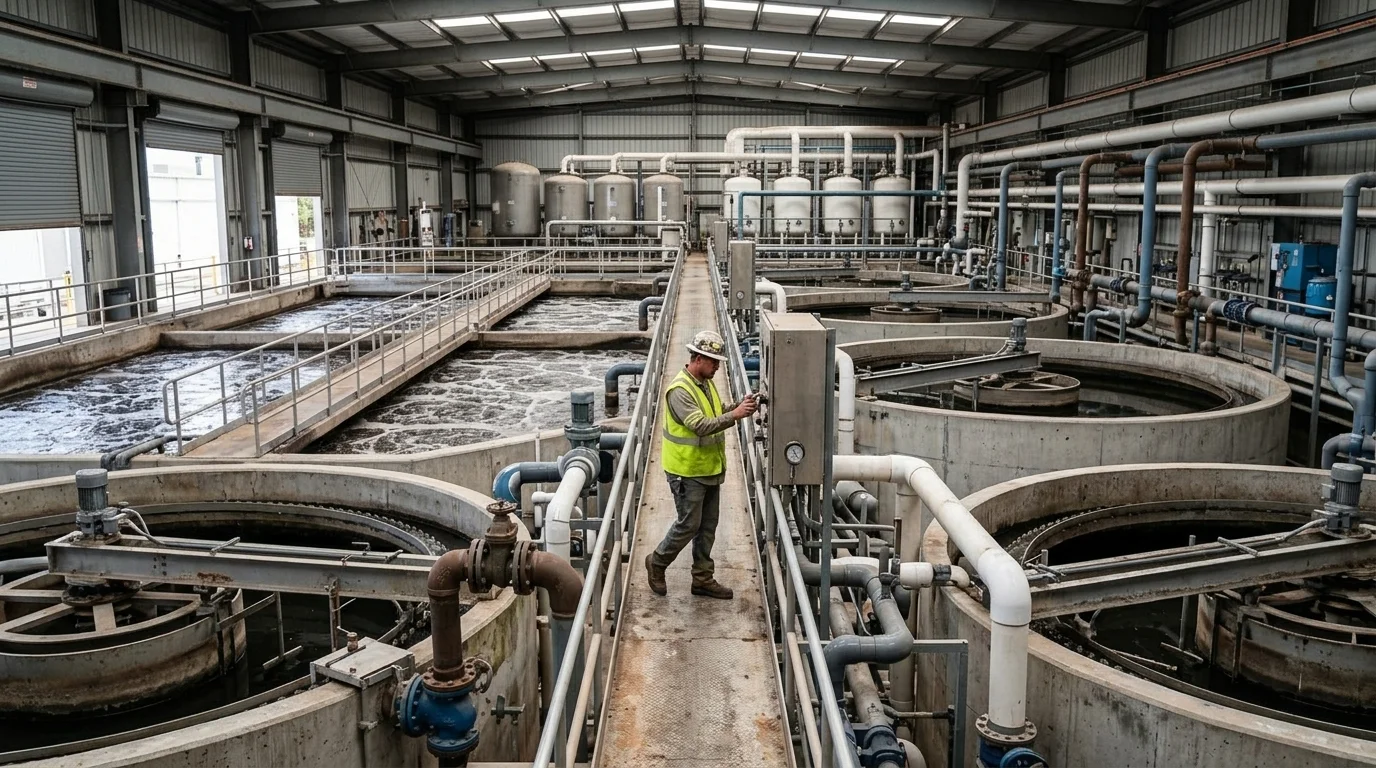
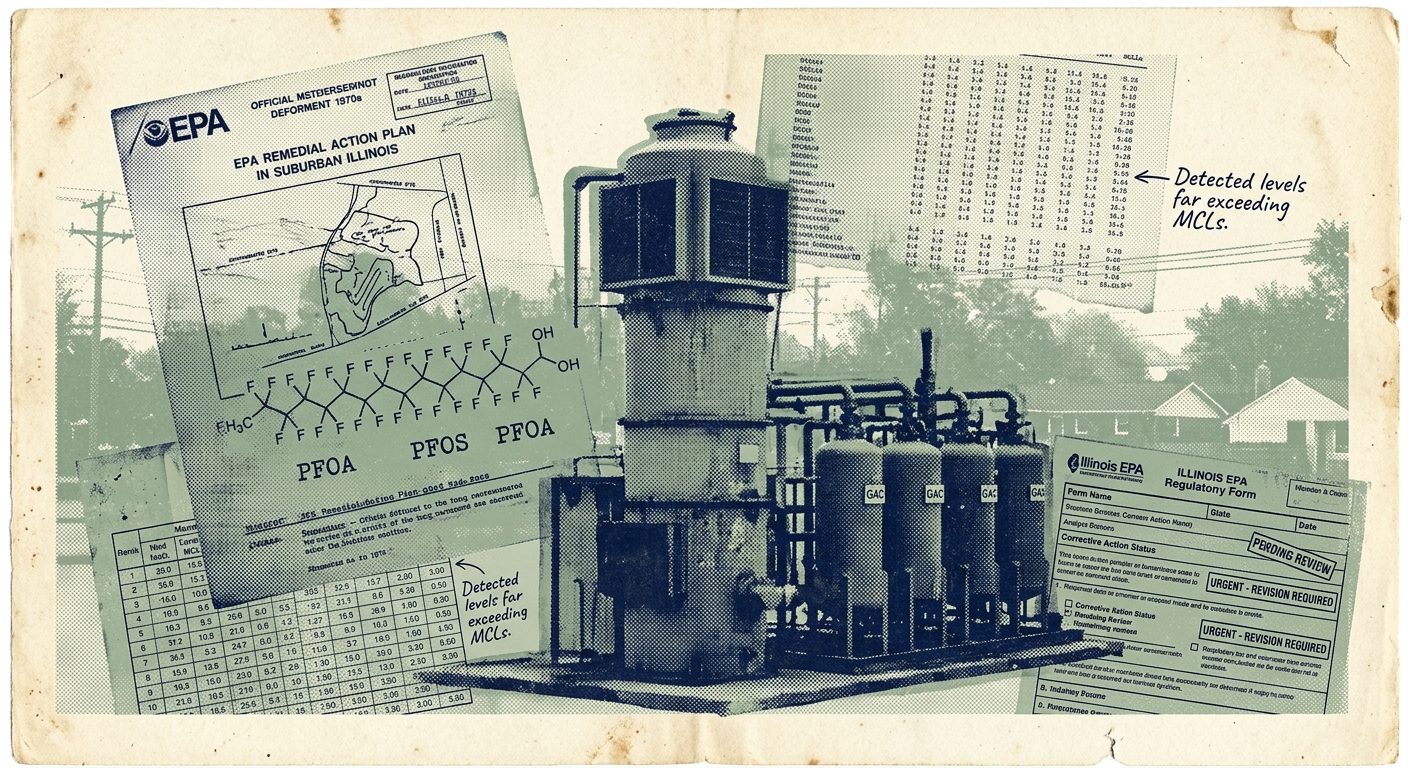
The EPA has awarded Illinois $50,451 to begin the planning work needed to swap out contaminated groundwater treatment technology at the Beloit Corporation Hazardous Waste Site, replacing an air stripper with a granular activated carbon, or GAC, unit. The change matters because air strippers can remove volatile organic compounds from groundwater but cannot capture PFAS, the synthetic 'forever chemicals' linked to cancer, thyroid disease, and immune suppression that have become one of the country's most pressing environmental health concerns.
The Beloit Corporation site carries deep roots in Rockton's industrial history. Beloit Corporation was a major paper machinery manufacturer that operated for over a century before going bankrupt in 1999, leaving behind contaminated land that landed on the EPA's National Priorities List, the federal register of the country's most serious hazardous waste sites. When the original cleanup plan was written, PFAS wasn't a recognized threat. Scientific understanding of the chemicals' dangers has accelerated sharply since 2016, and in April 2024 the EPA finalized the first national drinking water standards for six PFAS compounds.
The grant funds two specific planning steps: an Explanation of Significant Differences, a formal document in the Superfund process that records changes to a cleanup plan, and an update to the site's quality assurance protocols to meet current federal standards. The actual installation of the GAC unit would come as a separate action after the planning documents are complete.
The $50,451 figure is modest, but the work it funds is the bureaucratic trigger that makes the upgrade possible. Rockton, a village of about 7,800 people in Winnebago County near the Wisconsin border, is no stranger to industrial contamination concerns. A 2021 fire and explosion at the nearby Chemtool chemical plant forced thousands to evacuate and put a spotlight on the area's industrial legacy, though that site is separate from the Beloit Corporation location.
The Rockton action reflects a broader EPA effort to revisit legacy Superfund sites nationwide and layer in PFAS treatment that original remedies never anticipated. How many of the roughly 1,300 active NPL sites across the country may need similar upgrades remains an open question.