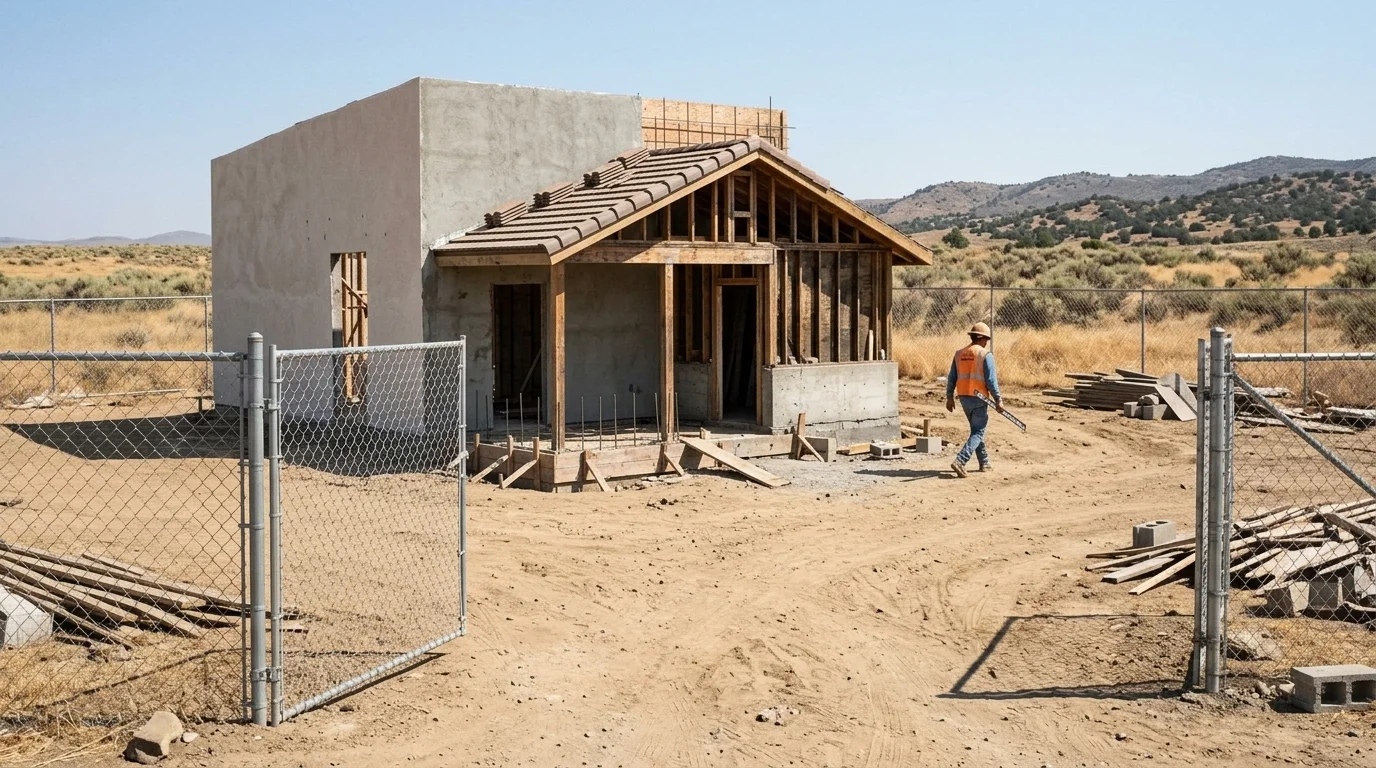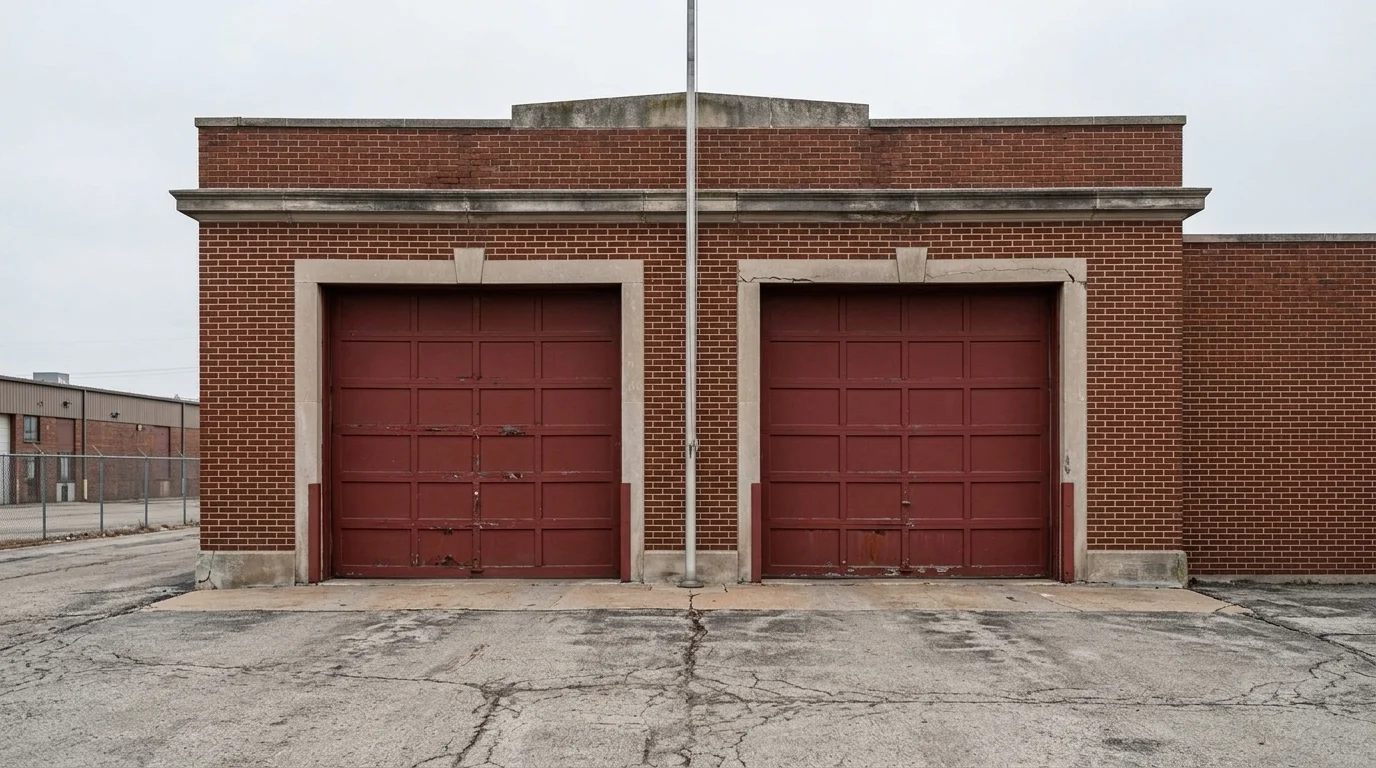
Somewhere in Michigan, a city is done waiting. After years of patching aging buildings, a Michigan municipality is moving forward with construction of a combined City Hall and Fire Department facility, a project that would replace two aging pieces of civic infrastructure in a single build.
The project was posted to the Michigan Inter-governmental Trade Network procurement portal in early October 2026, but the issuing agency's name is not visible in the publicly available record. NationGraph News was unable to confirm the specific municipality before publication; readers can click through to the MITN listing to identify the city.
The decision to combine a city hall and fire station into one project is a recognizable playbook for small and mid-sized Michigan cities. Shared construction means shared costs: one site, one set of utility connections, one emergency generator, one parking lot. For communities with constrained tax bases, that kind of consolidation can mean the difference between a project that passes a bond vote and one that doesn't.
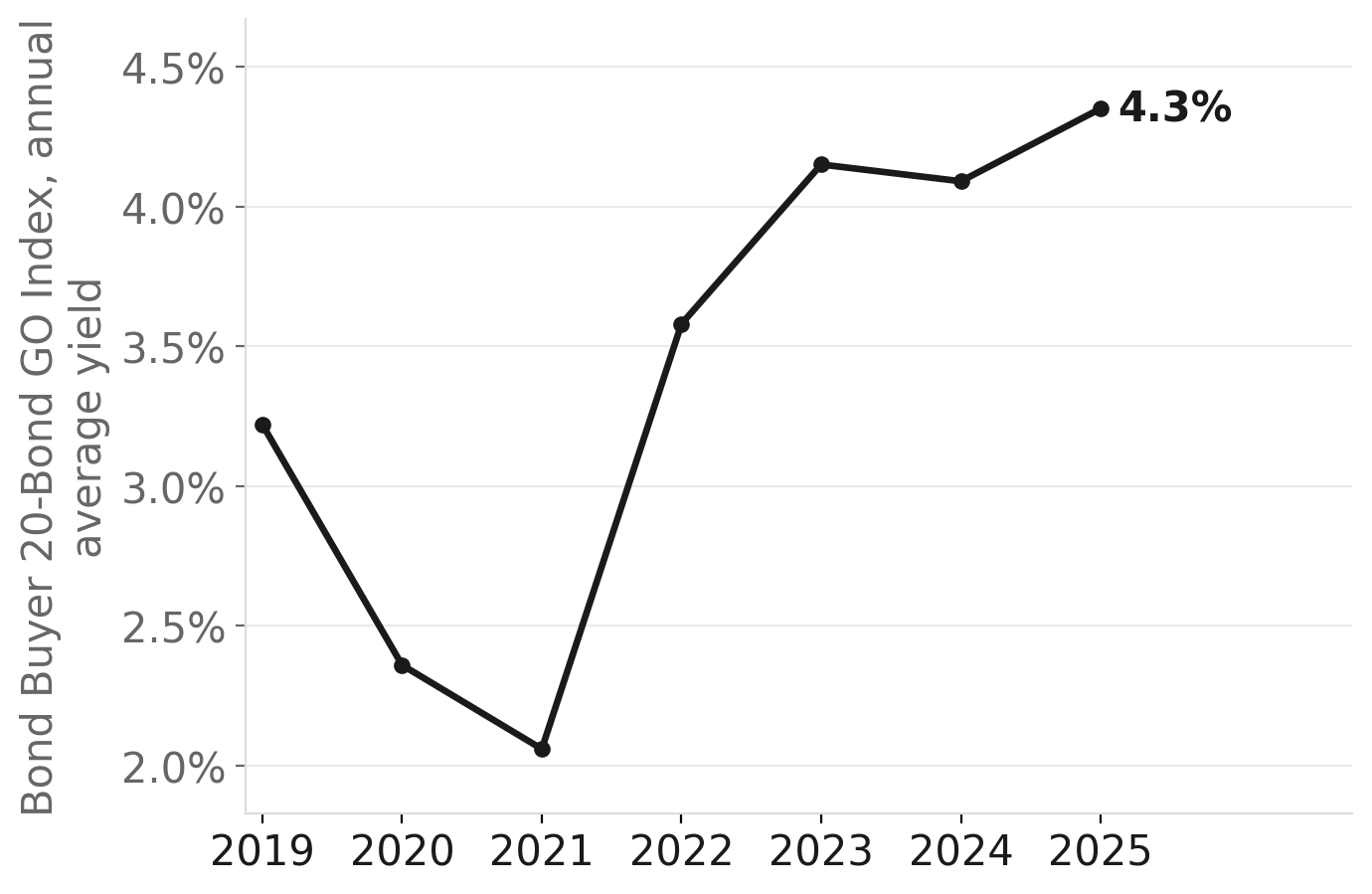
Source: NationGraph.
Fire stations have become particularly urgent. Modern fire engines are longer, taller and heavier than the apparatus mid-century bays were designed for. Federal safety standards now require decontamination zones, separated sleeping quarters and diesel exhaust capture systems that older stations weren't built to accommodate. Across Michigan and the broader Rust Belt, cities that built their fire stations in the 1950s through 1970s are facing those deficiencies simultaneously.
The timing also reflects a broader fiscal window. Many municipalities used American Rescue Plan Act funds, available after 2021, to finally greenlight capital projects that had been shelved since the 2008 recession. With ARPA spending deadlines approaching at the end of 2026, late 2025 and 2026 have seen a wave of long-delayed construction projects move from planning to procurement.
The cost to taxpayers, the fate of the existing buildings and the project timeline remain unknown without confirmation of the issuing municipality. Those details, along with the financing structure and any bond history, should be available through the city's public records once the jurisdiction is identified.