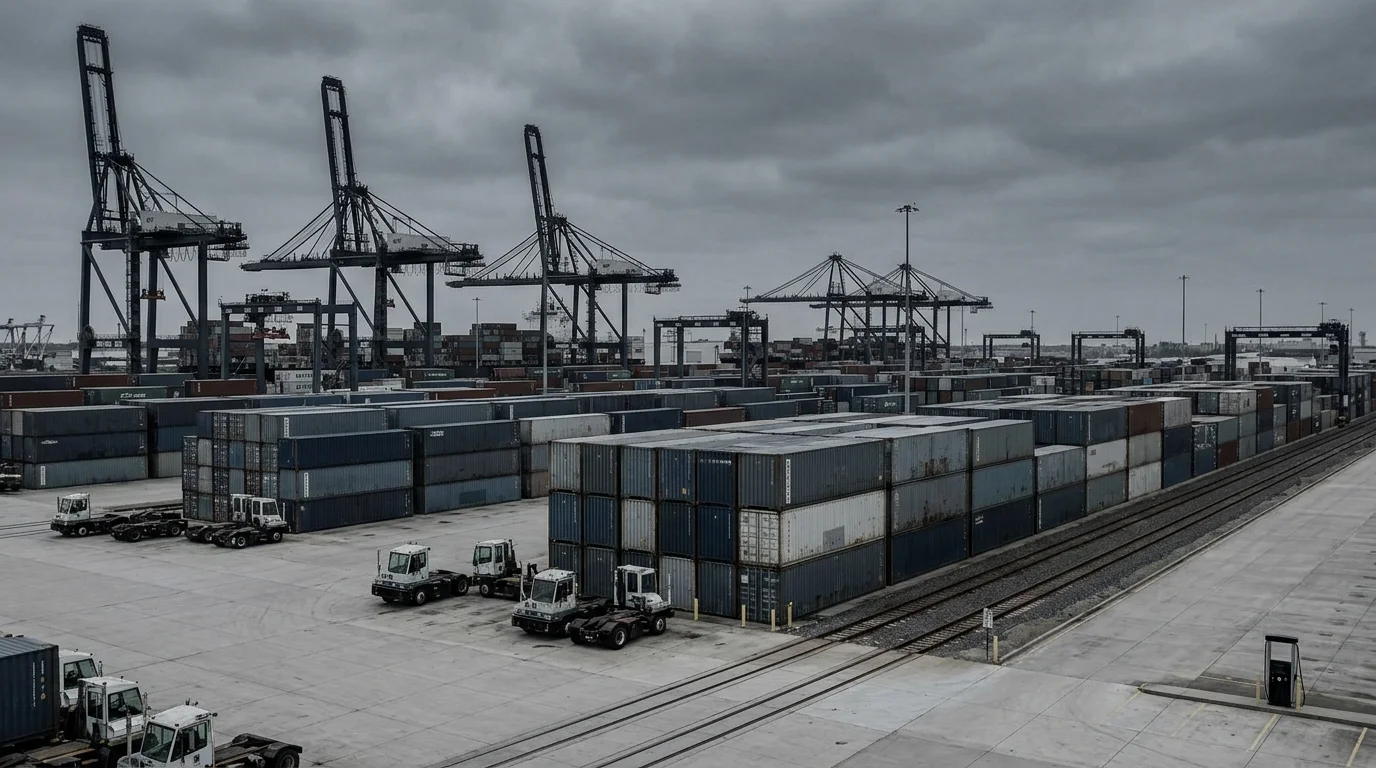
Florida issued 109 hurricane-related RFPs in the 30 days ending November 2, 2026, 3.1 times the 12-month monthly average of roughly 36, the single largest procurement month in the 15-month window NationGraph has tracked. The number is not an anomaly of one storm. It is the signature of two simultaneous federal recovery cycles running in opposite corners of the state at the same time.
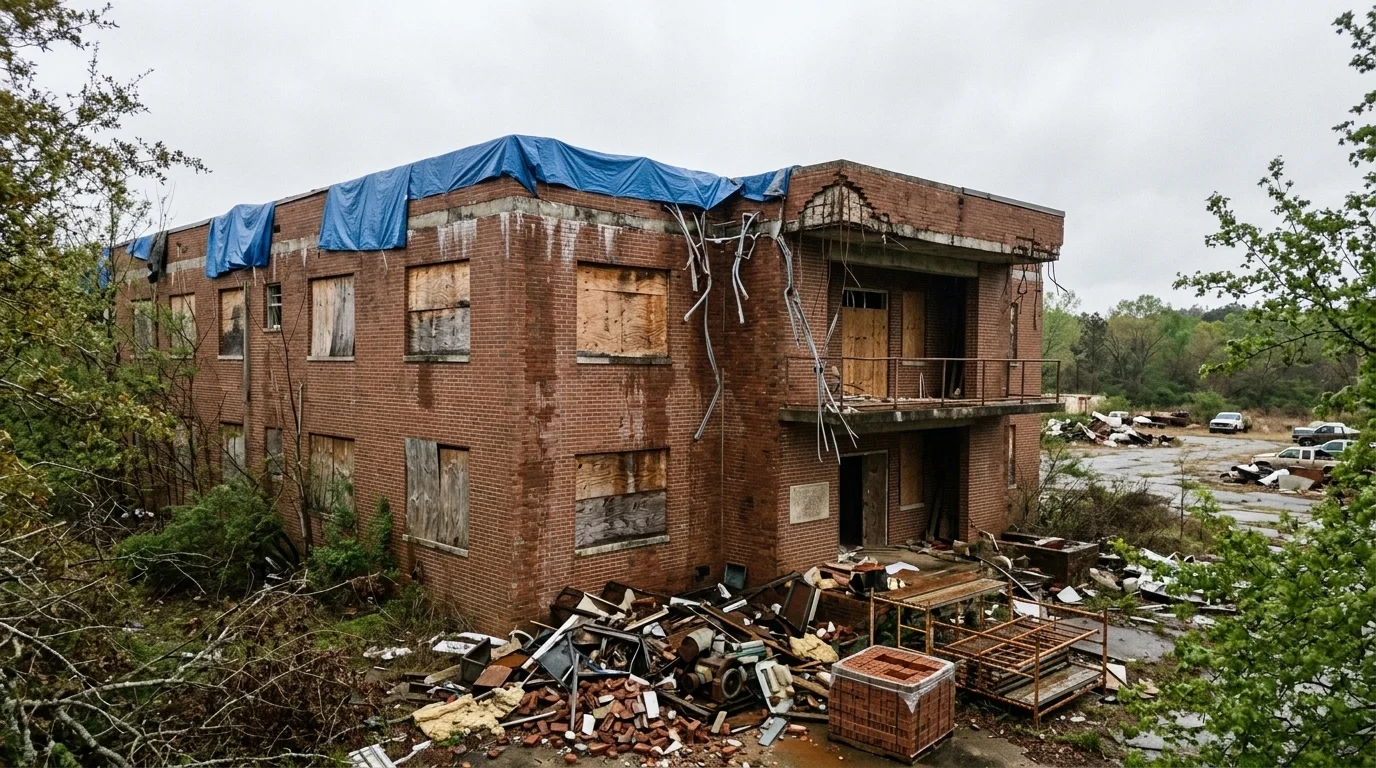
The immediate trigger is Hurricane Isaias, the Category 2 storm that made landfall near Destin on October 9, 2026. FEMA declared DR-4955-FL on October 27, covering 15 Panhandle counties and immediately unlocking Public Assistance eligibility for debris removal, emergency protective measures, and permanent infrastructure repair. Escambia County, home to Pensacola, leads every Florida county with 14 hurricane RFPs in the 30-day window, a direct map of where Isaias hit hardest. Santa Rosa County has estimated roughly $250 million in property damage; Pensacola's mayor put the city's tab at $70 million alone.
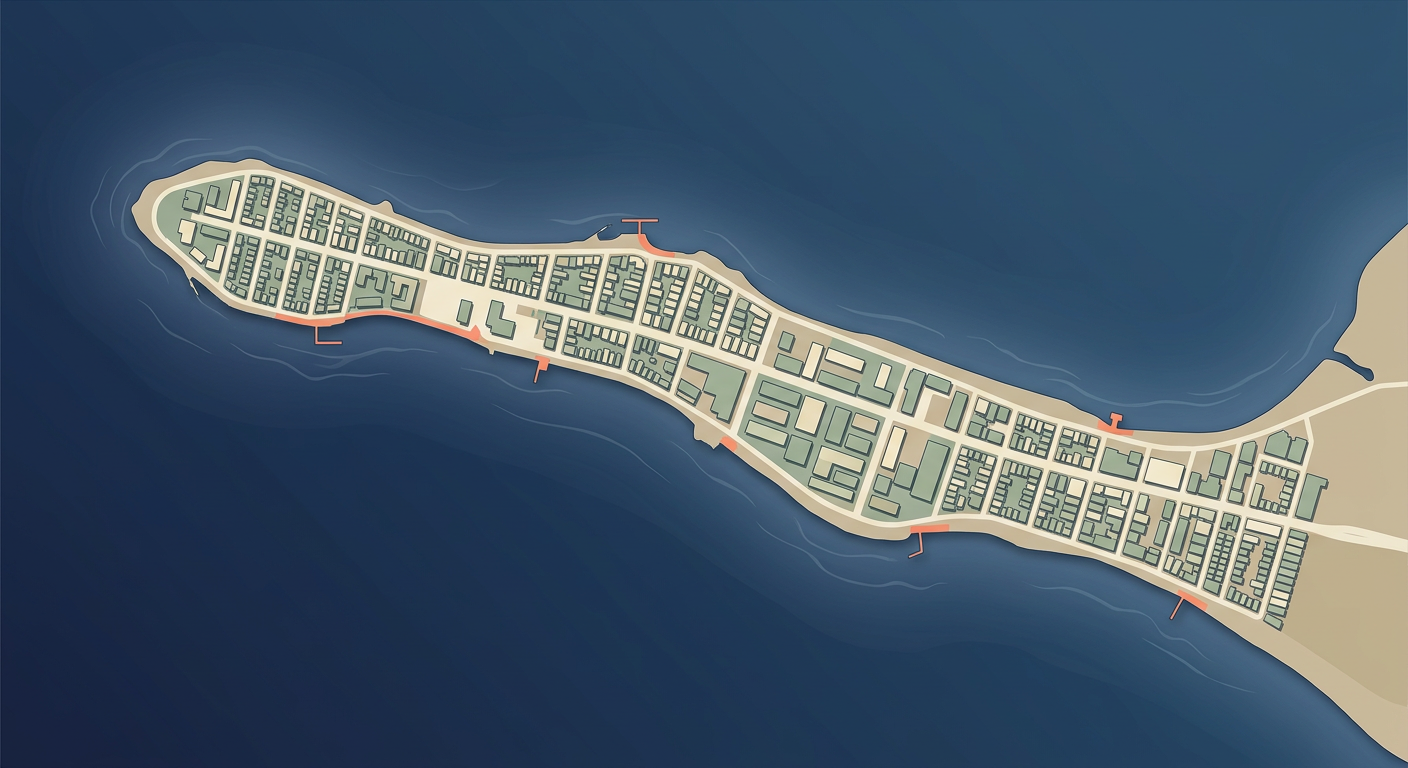
But Isaias landed on top of an unfinished rebuild. FEMA had already obligated more than $1.5 billion to Florida in 2026 alone across 2,368 recovery and hazard mitigation projects tied to Helene, Milton, and Debby, with a $317 million tranche in August, $116 million in late September, and another $94 million announced on October 22, five days before Isaias was even declared. Gulf Coast counties that bore the brunt of the 2024 storms are still deep in that pipeline: Charlotte, Sarasota, Manatee, Collier, Pinellas, and Lee each posted between four and six hurricane RFPs in October, covering categories like shoreline stabilization, drainage repairs, and post-disaster inspections. The Gulf Coast work did not pause when the Panhandle flooded.
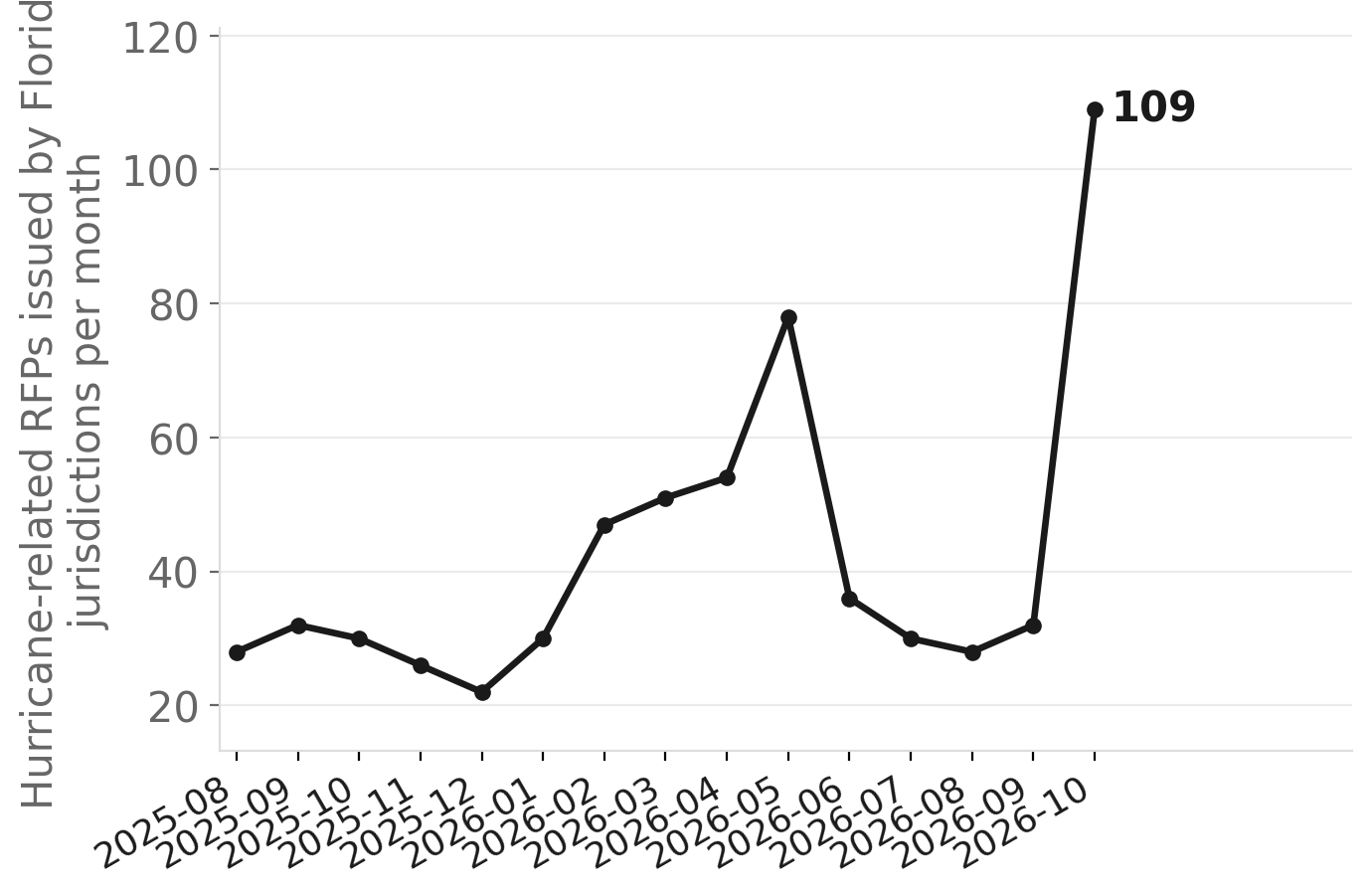
Source: NationGraph.
These are distinct federal programs doing distinct things. FEMA Public Assistance, both the new Isaias declaration and the ongoing Helene and Milton declarations, is the direct engine behind the October surge. It reimburses local governments for emergency-phase work: debris hauling, protective measures, damaged roads and utilities. That reimbursement structure is what drives RFP volume so quickly after a declaration, because communities must competitively procure services before they can submit for federal repayment. A separate federal stream, the FEMA Hazard Mitigation Grant Program, funds slower forward-looking projects, home elevation and wind-hardening under the Elevate Florida initiative, which received tranches of $14 million in June and $167 million in August 2026. A third program, HUD's Community Development Block Grant for Disaster Recovery, operates on a multi-year timeline and underlies the sustained procurement baseline rather than the spike: active CDBG-DR awards to Florida entities include $814 million to Pinellas County, $586 million to Pasco County, $210 million to Sarasota County, and $925 million administered through the Florida Department of Commerce, all running through 2031. Conflating these programs would misread why October's number jumped and why it will stay elevated for years afterward.
The RFP categories in the October surge make the dual-front dynamic visible. Debris monitoring, disaster debris removal, and emergency catering services are emergency-phase contracts, Isaias work, starting now. Hurricane safe room construction, drainage repairs, and utility storm restoration span both phases and both geographies. Post-disaster inspection services are appearing in both the Panhandle and the Gulf Coast simultaneously, as Escambia opens bids while Lee and Sarasota close out earlier inspection rounds.
No other state currently faces this configuration: one geography in the emergency phase of a fresh storm while another geography is years into the permanent-repair phase of prior storms, all drawing from overlapping federal programs with different rules and timelines. Florida procurement offices are effectively operating two recovery bureaucracies in parallel.
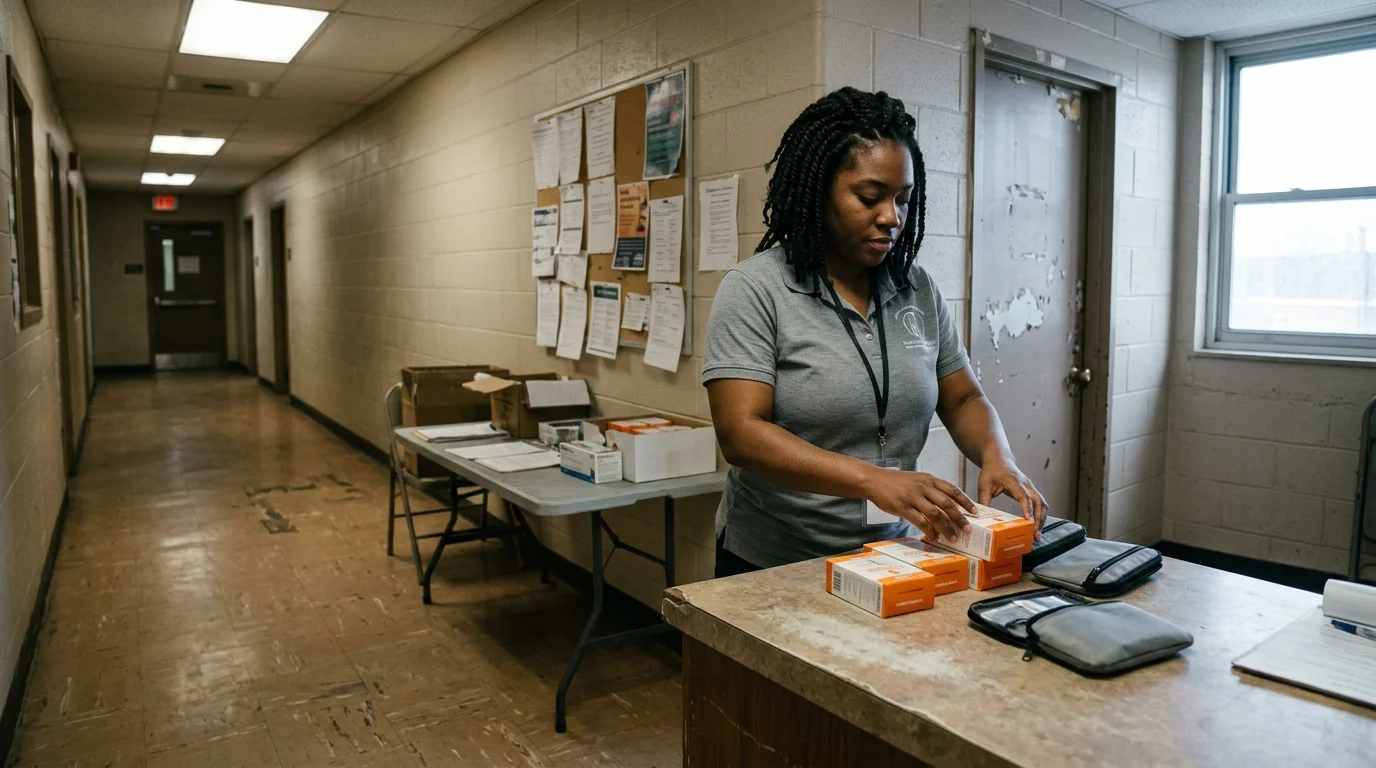
For residents of the 15 newly declared Panhandle counties, the practical effect is that federal dollars for debris and emergency repairs are now authorized, but the contracting pipeline must be built from scratch, meaning the debris haulers and inspection firms already stretched thin across the Gulf Coast are now being solicited in Escambia and Santa Rosa at the same time. For Gulf Coast residents still waiting on permanent infrastructure repairs, the Isaias declaration competes for contractor capacity without reducing the federal funding already committed to their communities.
The procurement pace will likely stay elevated through 2027. Emergency-phase contracting under the Isaias declaration typically runs 12 to 18 months before transitioning to permanent repair, which itself can take years. The CDBG-DR grants running through 2031 mean the baseline will remain well above the pre-2024 norm regardless of whether another storm makes landfall. The signal to watch is whether Individual Assistance for Isaias-affected residents, still under federal review as of October 28, is approved, which would add a housing and personal-property recovery layer to the procurement load that is not yet reflected in the October RFP count.