Houston is pushing forward with another round of repairs to its aging underground sewer network, this time targeting Basin AS077, one of hundreds of drainage zones that make up the fourth-largest city's sprawling wastewater system.
The work is part of a legally binding agreement Houston entered with the EPA and the Texas Commission on Environmental Quality back in 2010, after federal regulators lost patience with the city's chronic sanitary sewer overflows: raw or partially treated sewage spilling into streets, yards, and the bayous that wind through the region. That consent decree has driven billions of dollars in capital spending over the past 15 years as the city works through its system basin by basin.
The problem is rooted in age and geography. Houston's sewer network stretches roughly 6,300 miles and serves over 2.2 million people, much of it built during the city's explosive mid-20th century growth. Pipes and manholes that are now 50 to 70 years old crack, sag, and let groundwater in, a problem made worse by Houston's flat terrain, clay-heavy soils, and high water table. Heavy rainfall, always a threat on the Gulf Coast, turns small defects into big failures. Hurricane Harvey's record-breaking 2017 flooding overwhelmed infrastructure across the metro area and set back rehabilitation timelines citywide.
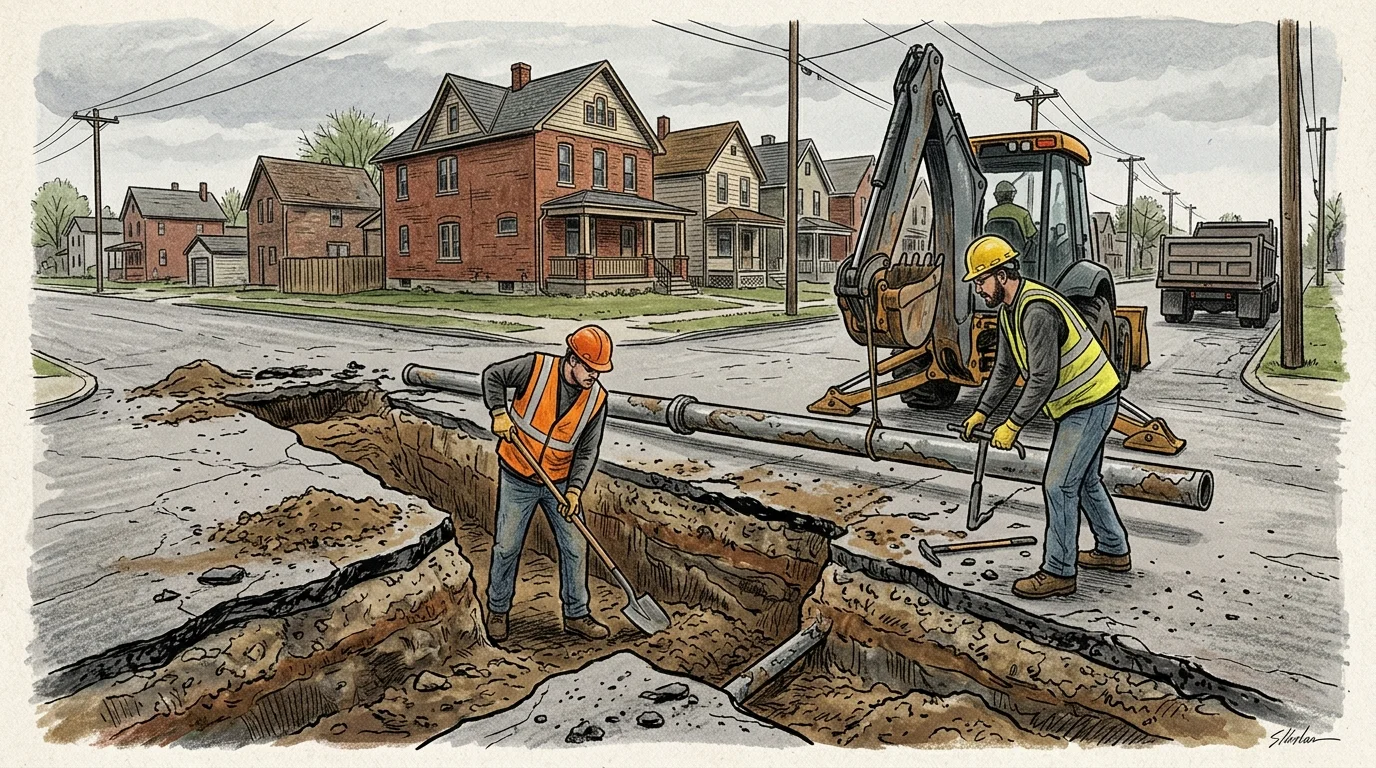
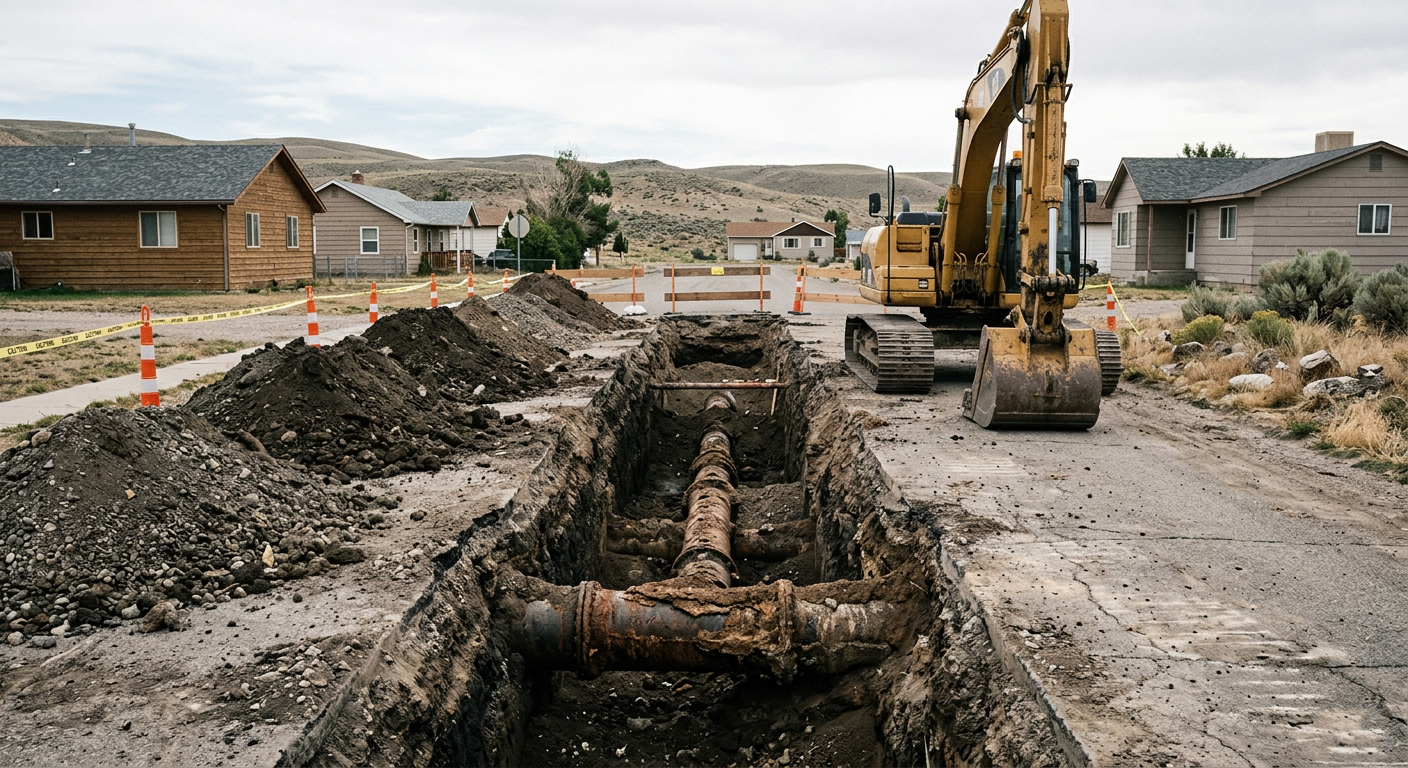
Rehabilitation work like the Basin AS077 project typically involves lining deteriorated pipes from the inside, replacing sections too far gone to repair, and rebuilding manholes. The goal is to stop infiltration and cut down on overflows. The city has reported progress in reducing spill counts, but the system's age means new problems surface as fast as old ones are fixed.
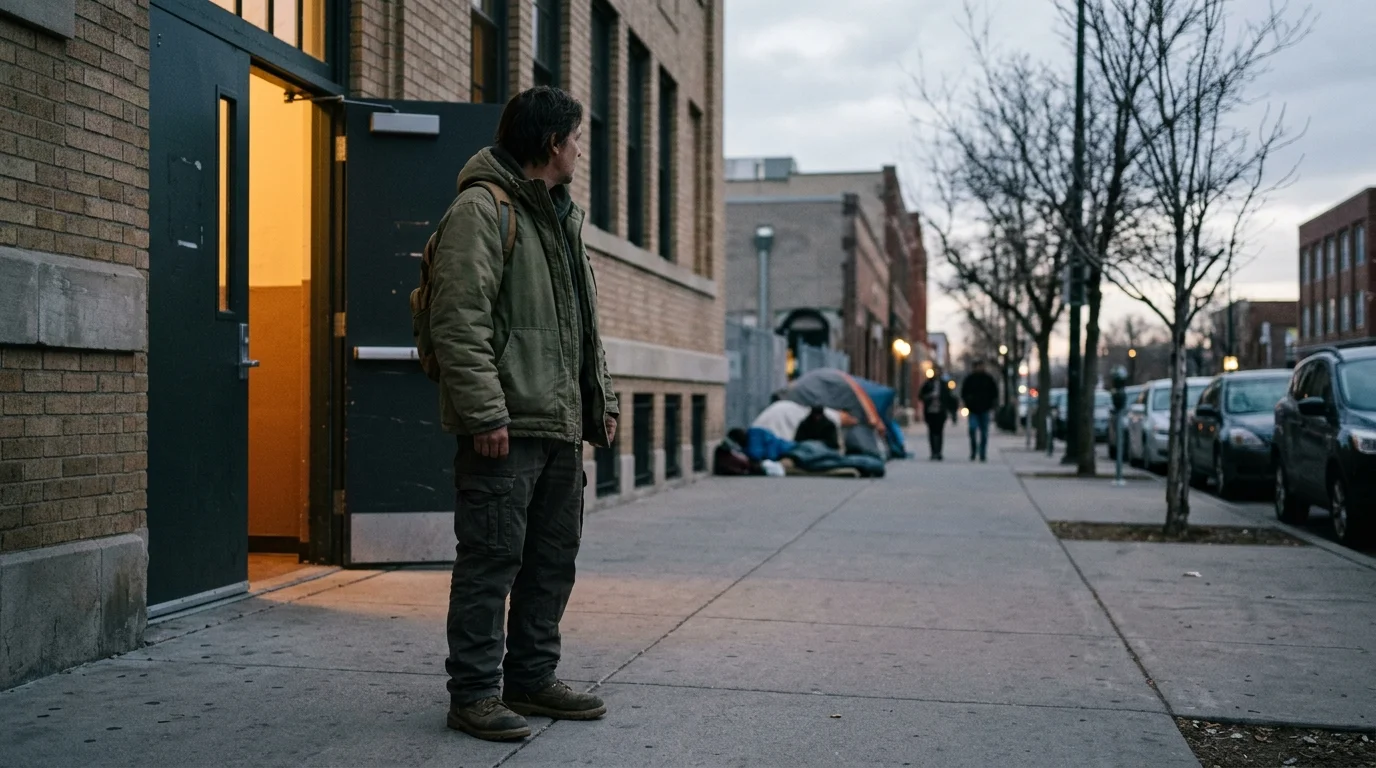
The financial and political weight of the consent decree has been felt by Houston ratepayers for years. Water and wastewater rate increases to cover the work have been contentious, particularly given the city's large low-income population. Older pipes, and the overflows that come with them, are concentrated in lower-income communities and communities of color, compounding the equity stakes.
Mayor John Whitmire, who took office in January 2024, has made infrastructure investment a stated priority. New federal financing through the 2021 Bipartisan Infrastructure Law, which directed $11.7 billion to the Clean Water State Revolving Fund, has given Houston and cities like it additional tools to accelerate the work. The EPA estimates the country needs $271 billion in wastewater investment over the next 20 years.
How quickly Houston can complete its consent decree obligations, and whether it can keep pace with a system that keeps aging, remains an open question as Basin AS077 moves toward construction.