California's tribal nations can now apply directly to the state for grants to electrify and weatherize homes on reservations, cutting out the county agencies and utility programs that have long stood between tribes and climate funding.
The California Energy Commission opened applications for the Tribal Direct Install program this month, offering free installation of heat pumps, induction cooktops, insulation and electrical panel upgrades to tribal households at no cost to residents. The grants flow straight from Sacramento to federally and state-recognized tribes, without routing through regional administrators or utilities.
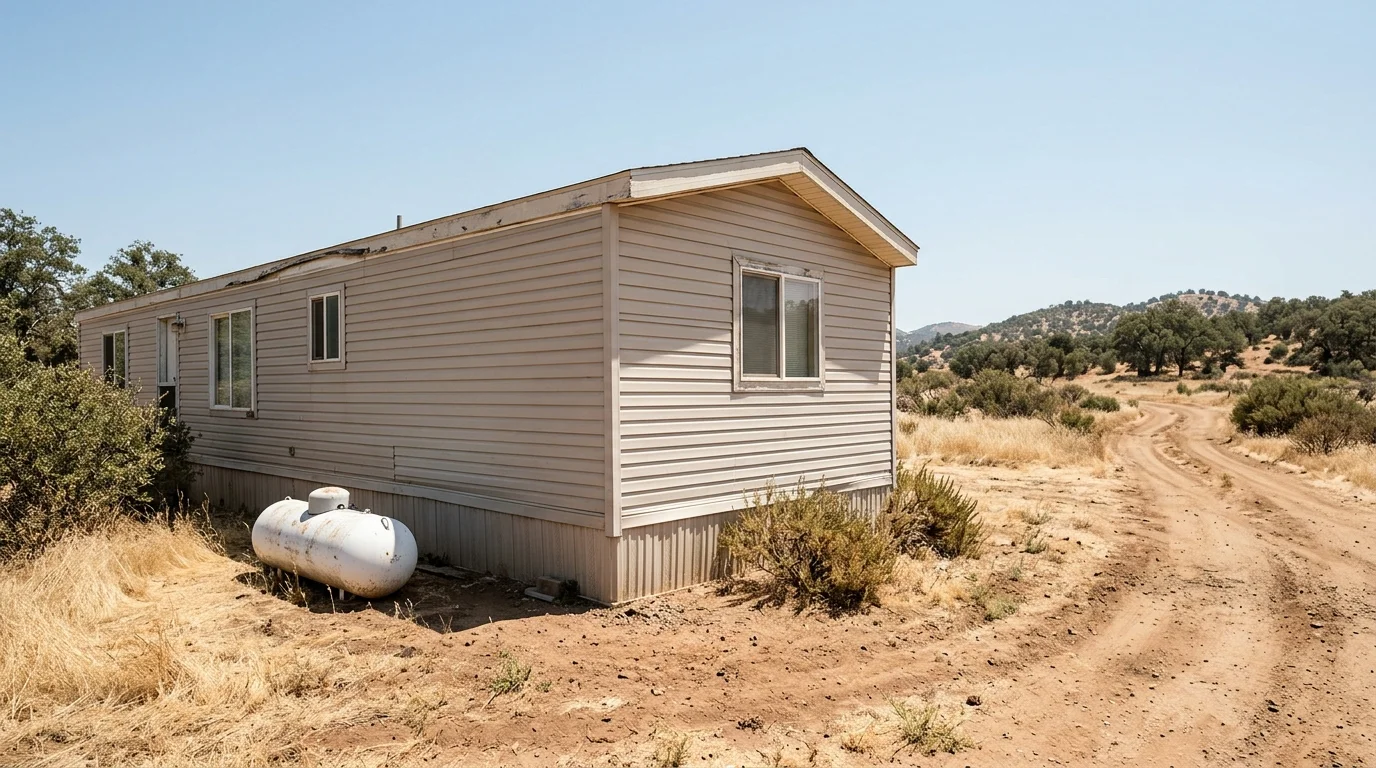
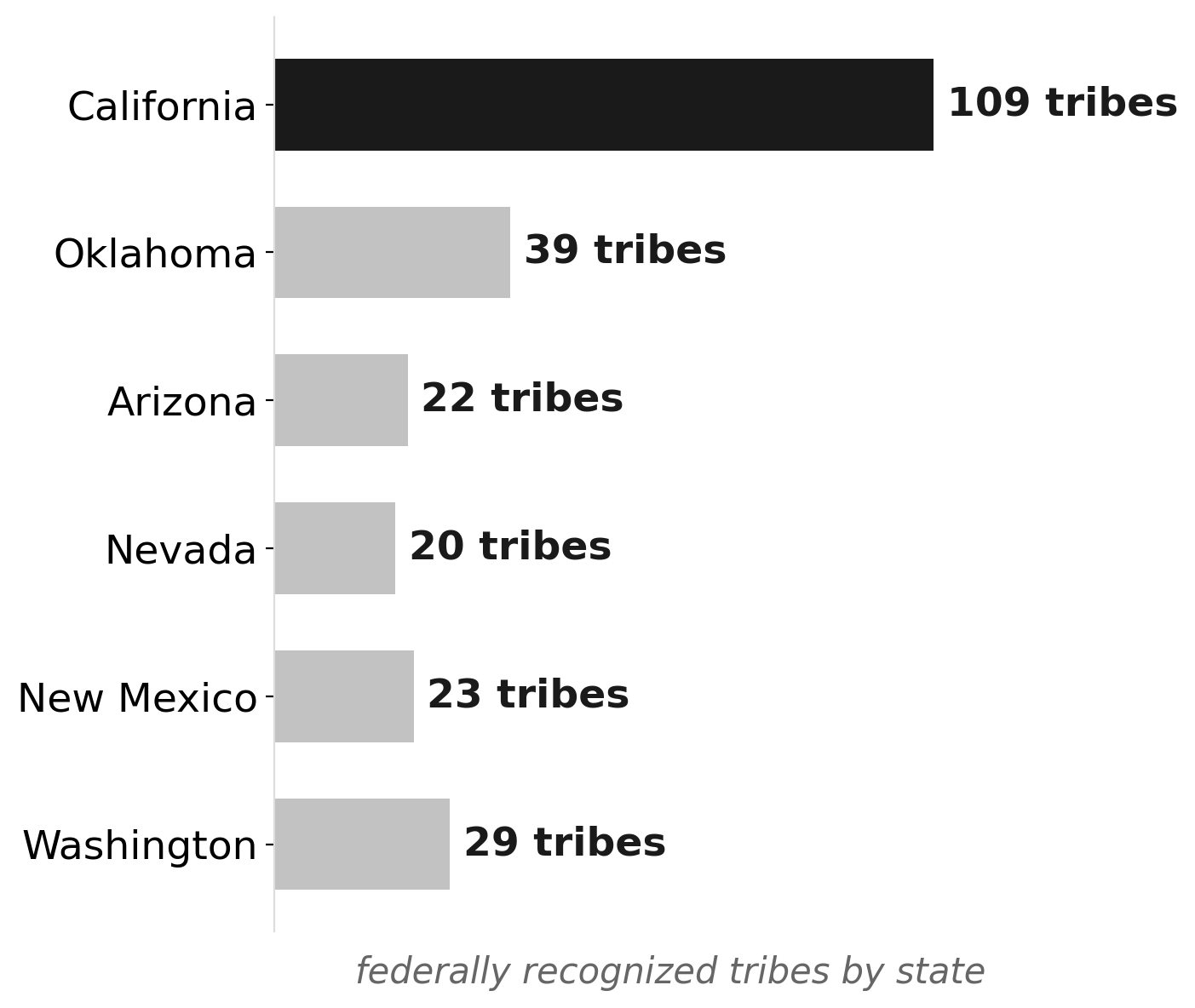
The stakes are high for many reservation communities. California is home to 109 federally recognized tribes, more than any other state, and many live in rural rancherias where housing is older, propane- or wood-heat dependent, and situated in some of the state's highest wildfire and extreme-heat risk zones. Propane heat is both expensive and polluting, and upfront costs for modern electric appliances have historically put upgrades out of reach.
Source: NationGraph.
The program is part of California's $922 million Equitable Building Decarbonization initiative, created by Assembly Bill 209 in 2022 as part of Governor Gavin Newsom's climate package. Buildings account for roughly a quarter of the state's greenhouse gas emissions, and the Direct Install track specifically targets communities where residents cannot front the cost and wait for rebates.
The direct-to-tribe funding structure reflects years of pressure on Sacramento to honor tribal sovereignty in practice, not just in proclamation. Since Newsom's 2019 formal apology to California Native peoples and the creation of the state's Truth and Healing Council, tribal advocates have pushed agencies to build government-to-government funding channels rather than forcing tribes to compete alongside counties and nonprofits. The CEC's Tribal Direct Install program is one of the clearest tests yet of whether that commitment holds.
The timing adds urgency. Federal tribal energy funding under the Inflation Reduction Act faces uncertainty amid the Trump administration, making state-level programs a critical fallback for tribes trying to reduce energy costs and emissions. California's own budget has faced deficits in 2024 and 2025, making preserved tribal allocations within the EBD program politically significant.
The CEC has faced criticism from environmental justice advocates that the broader EBD rollout has moved slowly given the size of the appropriation and the scale of need. How quickly tribal applications are processed and funding reaches reservation homes will be a concrete measure of whether the program delivers on its promises.