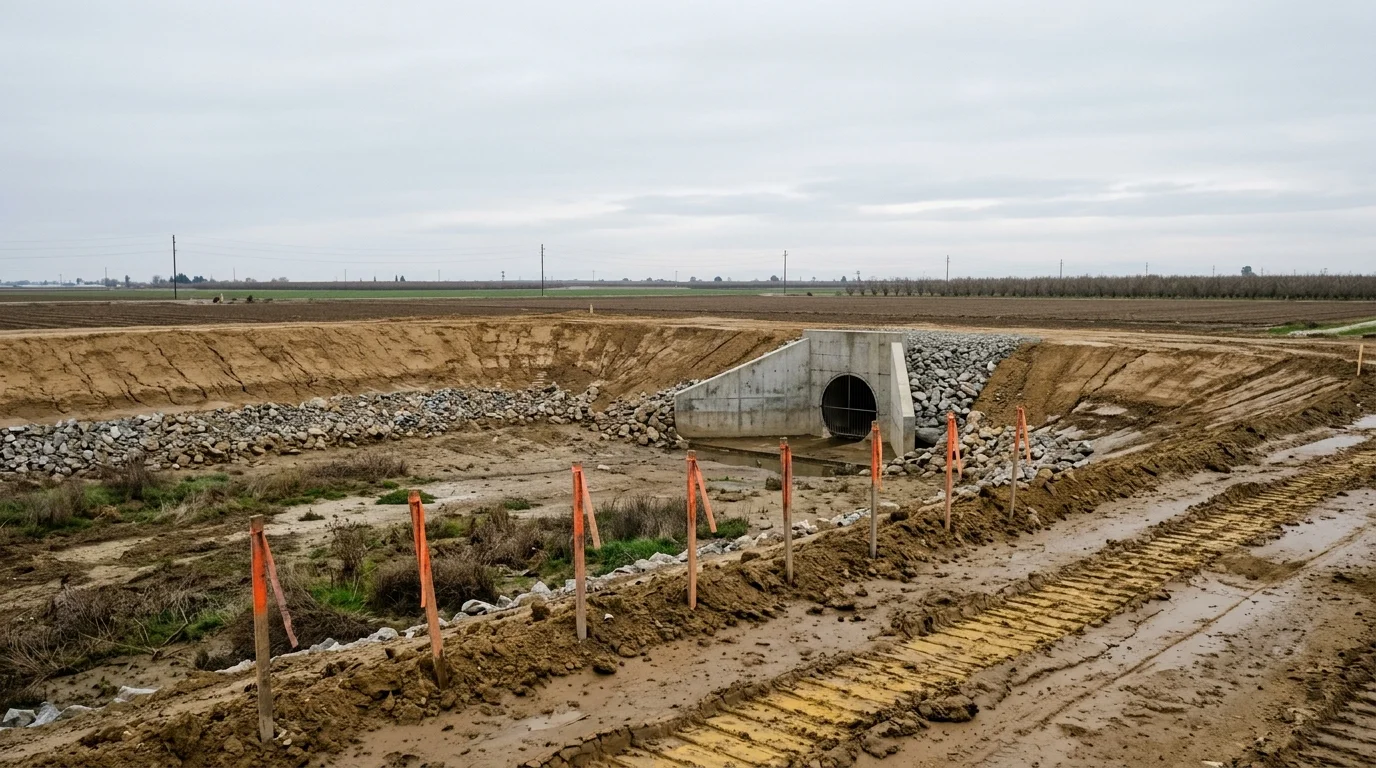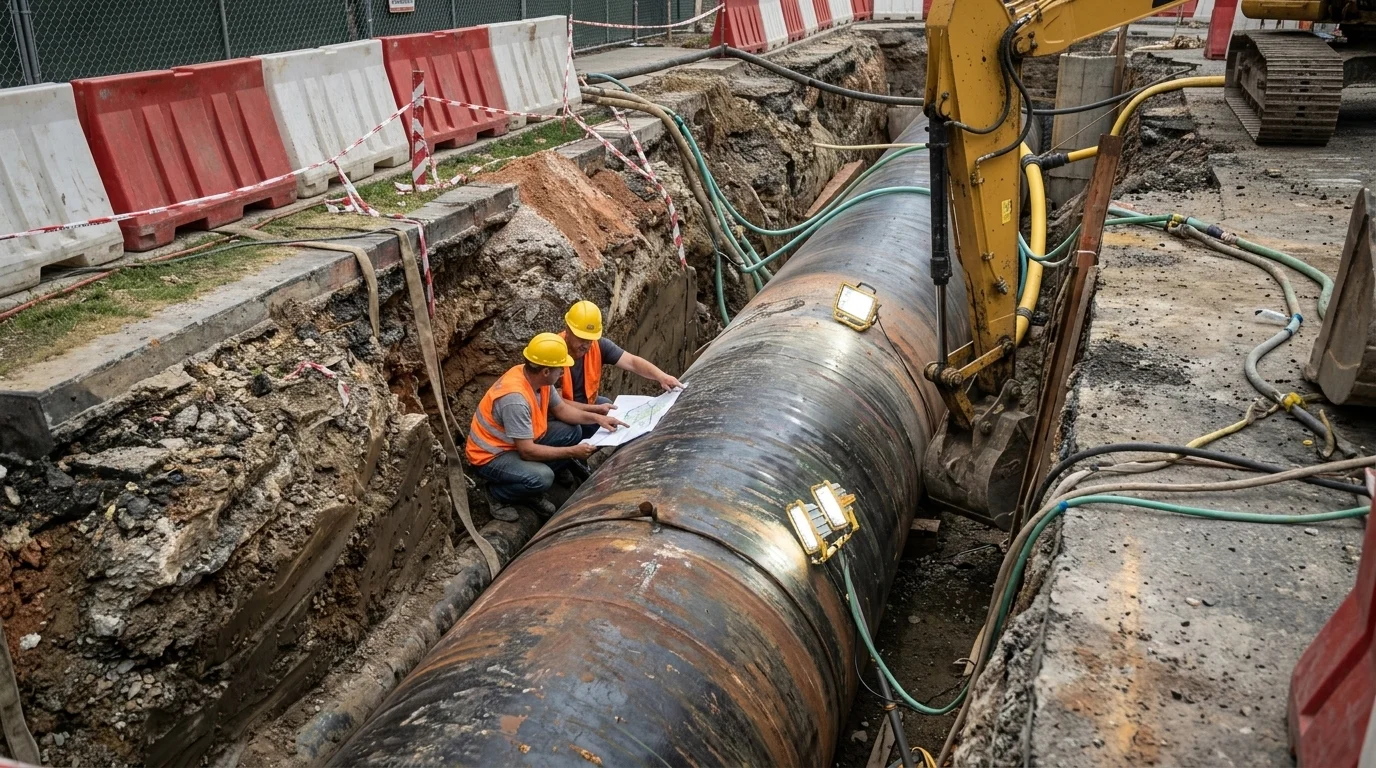
Oklahoma City is scrambling to repair one of its largest water transmission pipes after the city invoked emergency procurement rules to hire a contractor immediately, skipping the weeks or months a normal competitive bid would require.
The pipe in question is a 48-inch water transmission main, the kind of large-diameter artery that moves treated water in bulk from treatment plants to the neighborhood distribution networks serving the city's more than 700,000 residents. A failure at that scale can cut water pressure across entire sections of a city and cause flooding, sinkholes, and serious property damage. The city has not publicly disclosed the pipe's exact location, what caused the problem, or an estimated repair cost. The emergency solicitation was posted Sept. 21, 2026.
Oklahoma municipalities can waive standard bidding requirements when public health, safety, or property faces immediate risk, and the city's decision to use that authority signals the situation is urgent. Whether this is an active break, a pipe showing signs of imminent collapse, or another critical vulnerability isn't yet clear from public records. Residents who've noticed low water pressure, a boil advisory, or visible water on streets in recent days may already know where to look.
The stakes are higher in Oklahoma City than in most places. The city has one of the largest municipal footprints in the country, over 600 square miles, and draws water from reservoirs far outside city limits, including Lake Atoka more than 100 miles away. That geography means transmission mains carry water over unusually long distances before it ever reaches a neighborhood tap, making any break in those lines especially consequential.
The emergency also reflects a nationwide pattern. The American Society of Civil Engineers gave U.S. drinking water infrastructure a C- in its 2021 report card, estimating a water main break occurs somewhere in the country every two minutes. Many large-diameter pipes installed in the mid-20th century were designed to last 50 to 75 years and are now at or past that threshold. Oklahoma City has been raising water rates in recent years to fund pipeline replacement, but emergency repairs like this one illustrate how often cities find themselves reacting to failures rather than preventing them.
The city has not released a timeline for the repair or a cost estimate. Residents and reporters seeking more detail can contact OKC Utilities directly or submit a public records request for the emergency contract once it is awarded.