Manatee County, Florida is moving to rebuild oyster reefs along its stretch of Tampa Bay, betting that nature's own filtration system can help undo years of damage from pollution, red tide, and one of the state's worst environmental disasters in recent memory.
The county posted a bid solicitation for the Manatee County Oyster Restoration Project on June 23, seeking contractors to carry out reef construction work. Specific dollar figures and exact site locations were not disclosed in the posting; the county's full bid package would detail the scale of the work.
The urgency behind the project is hard to overstate. In April 2021, more than 200 million gallons of nutrient-laden wastewater from the former Piney Point phosphate plant were discharged into Tampa Bay, triggering a catastrophic red tide and fish kill that hit Manatee County hardest. Thousands of tons of dead fish washed ashore. Seagrass beds, already stressed by a severe 2018 red tide, continued to die off through 2024. The Piney Point site itself remains in active remediation.
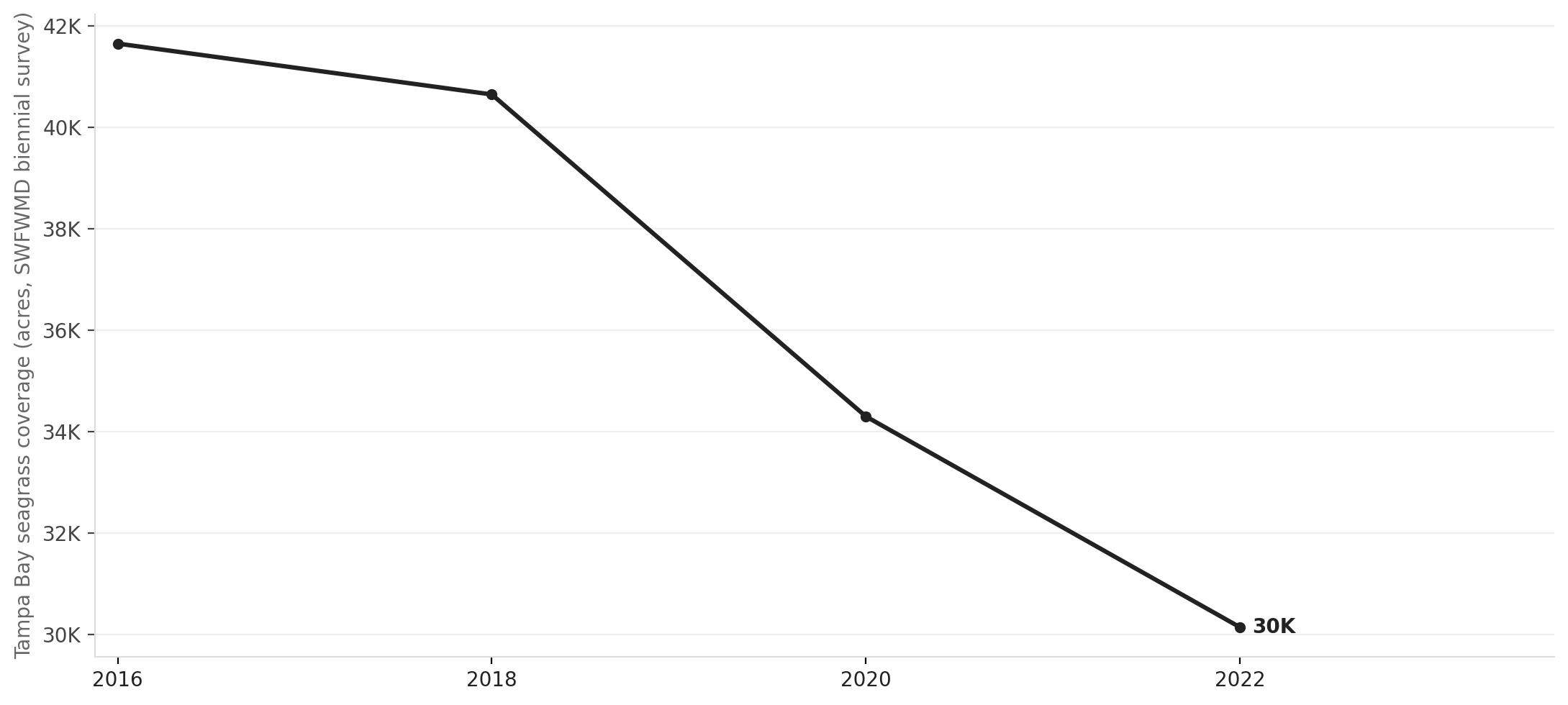
Source: NationGraph.
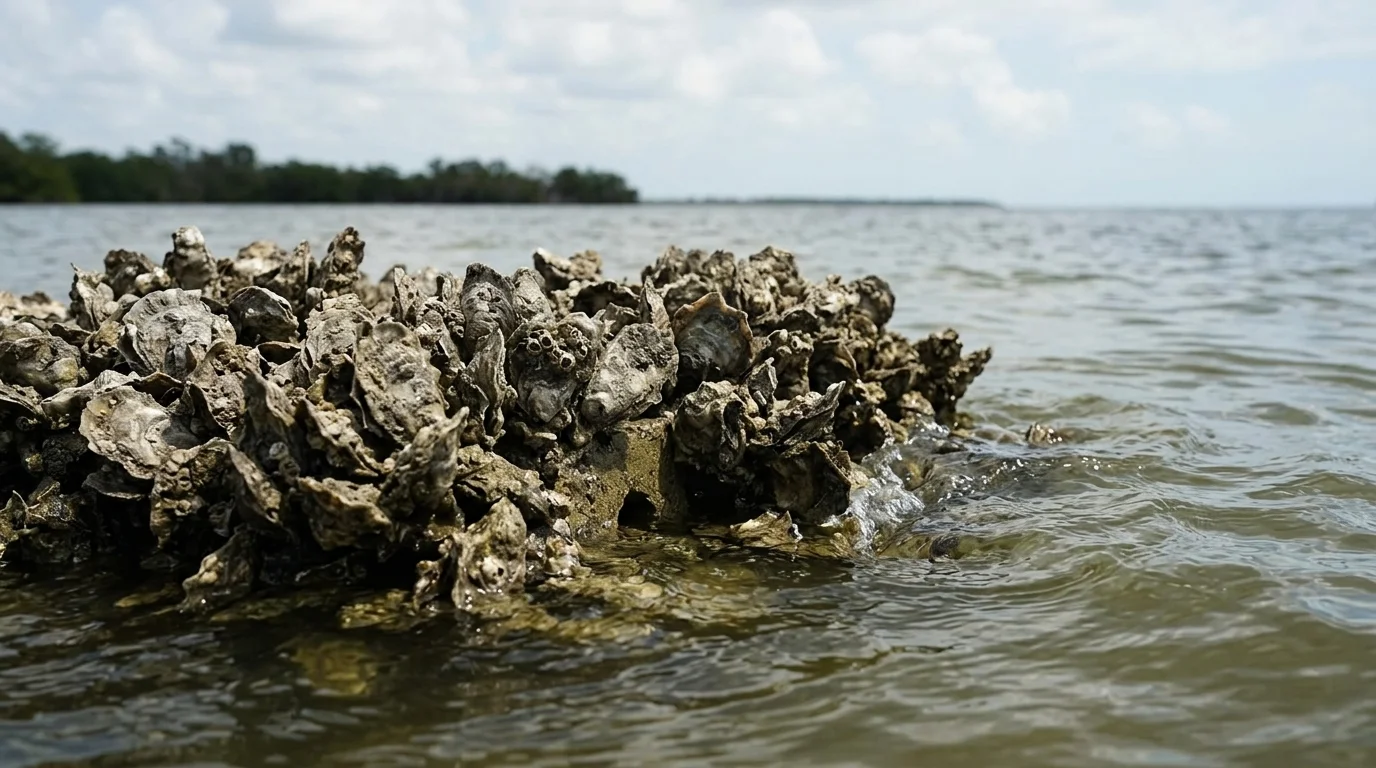
Oysters offer something engineers have struggled to provide: a living system that continuously cleans the water around it. A single adult oyster can filter up to 50 gallons of water per day, stripping out the excess nitrogen and phosphorus that feed harmful algal blooms. Reefs also stabilize shorelines against erosion and provide habitat for fish, crabs and birds. Globally, about 85% of native oyster reefs have been lost, the steepest collapse of any marine habitat, largely due to dredging, runoff and shoreline development.
Manatee County (population roughly 437,000) sits at the mouth of the Manatee River and includes Terra Ceia Aquatic Preserve and the Gulf coastline of Anna Maria Island. Its economy runs on tourism, fishing and waterfront real estate, all of which take a direct hit when the water turns red or brown. Restoration spending on water quality has drawn bipartisan support from an otherwise growth-focused county commission.
Funding for projects like this typically flows from a mix of RESTORE Act dollars, National Fish and Wildlife Foundation Gulf grants, and NOAA habitat restoration programs, all of which were significantly expanded after the 2010 Deepwater Horizon spill and again under the 2021 Bipartisan Infrastructure Law. The county's Natural Resources Department has been steadily expanding its restoration work in recent years.
Contractor selection will determine the timeline and scope of the first reef installations. How quickly the reefs take hold, and whether they can withstand the nutrient loads still entering the bay, will be the real test of whether oysters can do what five years of cleanup efforts have not.