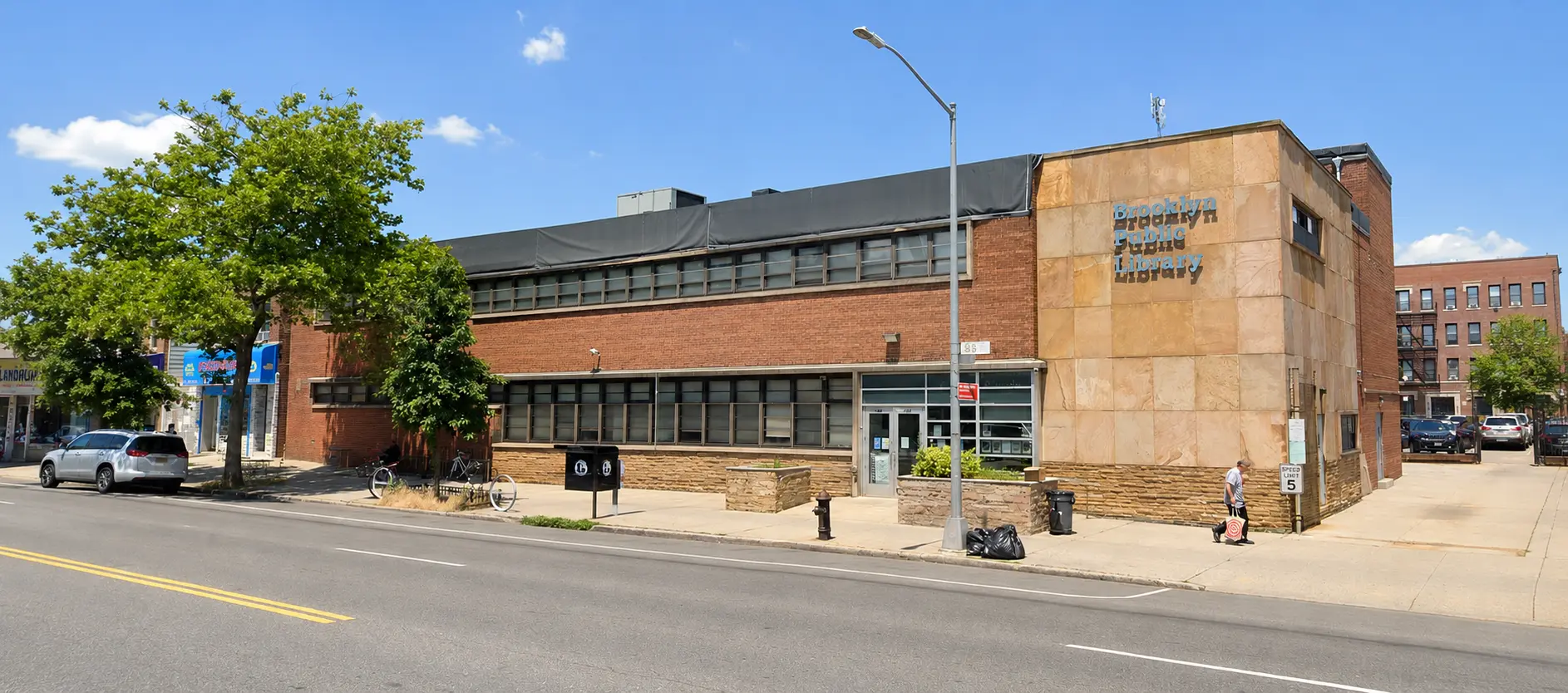
New York City is moving to rebuild a nearly 70-year-old library in Bensonhurst, Brooklyn by adding something the neighborhood desperately needs above it: 100% affordable housing.
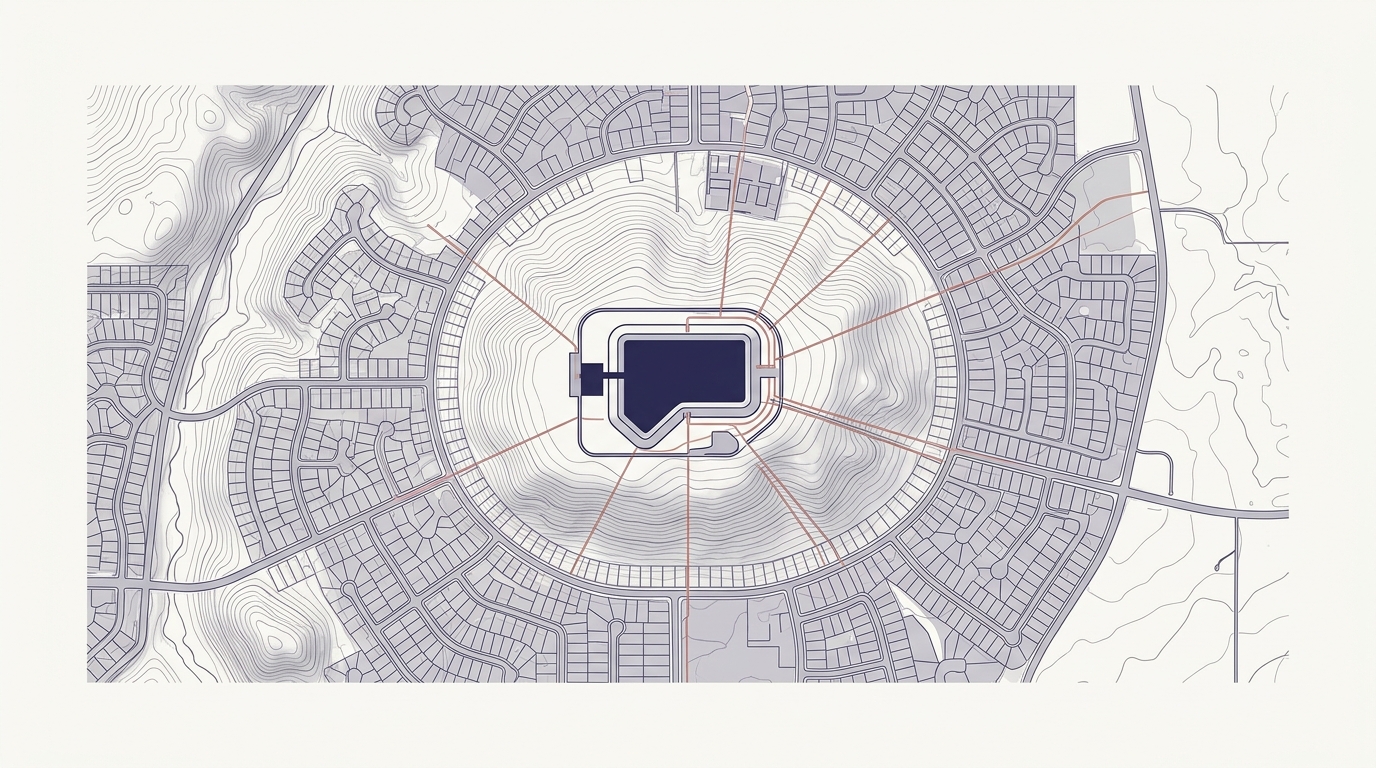
The New Utrecht Library, a single-story 1956 branch that serves one of southern Brooklyn's most diverse and densely packed communities, would be demolished and replaced with a modern library and an entirely affordable residential building on top. The city is also folding in an adjacent municipal parking lot currently operated by the Department of Transportation, expanding the developable footprint. The three agencies steering the effort, the Department of Housing Preservation and Development (HPD), Brooklyn Public Library (BPL) and DOT, have published an RFP inviting developers to submit proposals for the combined site, with responses due Sept. 4, 2026.
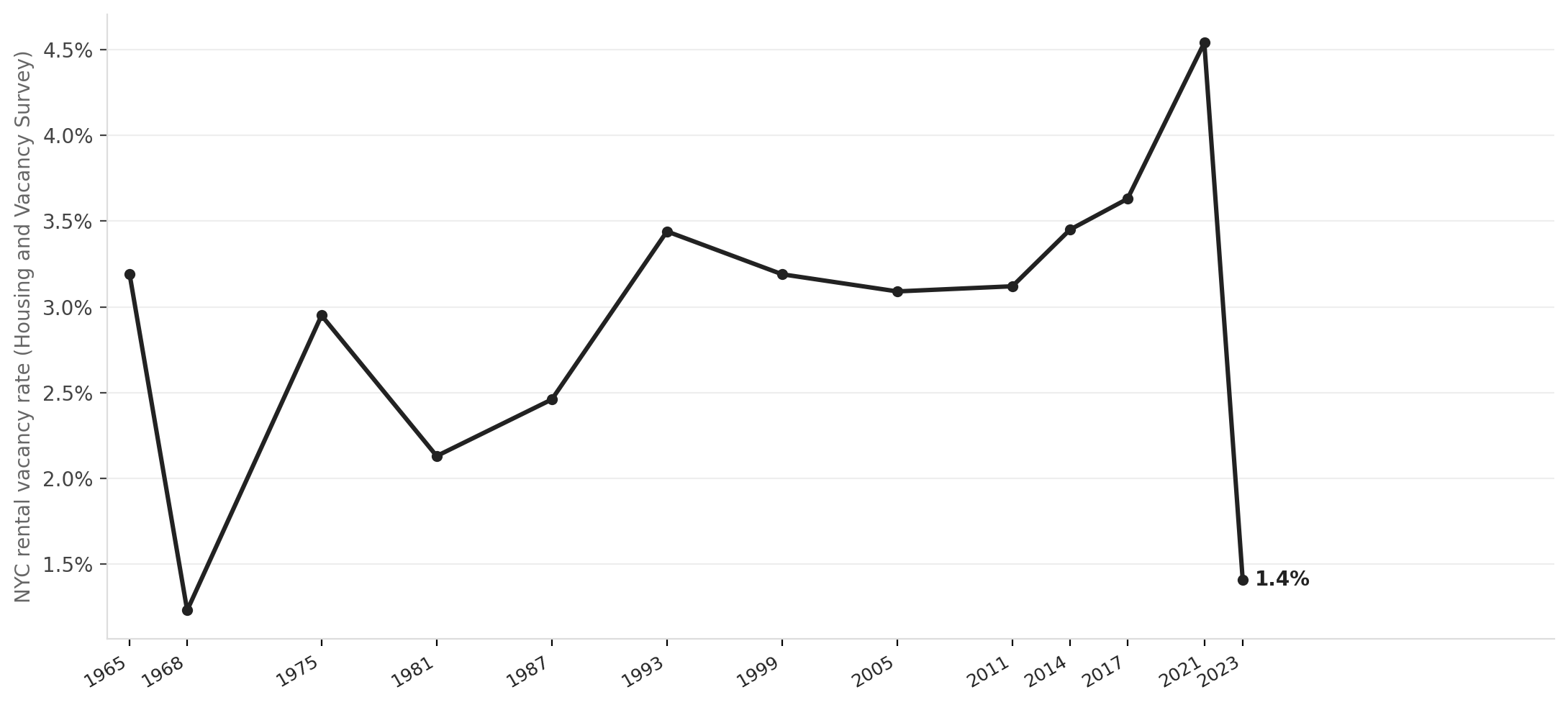
The project is part of the city's "Living Libraries" initiative, which bets that aging, underused library buildings sitting on valuable city-owned land can solve two crises at once: a chronically underfunded library system and a housing vacancy rate that hit 1.4% in 2023, the lowest since 1968 and low enough to legally constitute a housing emergency under state law.
Source: NationGraph.
The model has a short but instructive track record in New York. The Sunset Park Library reopened in late 2024 with 49 affordable units stacked above a new BPL branch, offering a small proof of concept. An earlier project at Brooklyn Heights Library, where the city sold the building to a private developer in 2015 for a luxury tower with affordable units placed offsite, drew years of litigation and community backlash and helped establish the political lesson that has shaped every project since: 100% affordable or face a fight. The Inwood Library in Manhattan broke ground under a similar all-affordable model. New Utrecht represents the initiative's most consequential test yet in terms of neighborhood politics.
Bensonhurst is home to one of the city's largest Asian American populations, with growing Chinese, Russian-speaking and South Asian communities layered over a historic Italian American neighborhood. Rents have climbed sharply as nearby Park Slope and Sunset Park have gentrified, pushing affordability pressure southward. But the neighborhood has also been among the city's loudest skeptics of new density, and the surrounding council districts were flashpoints during the City of Yes for Housing Opportunity debate, the sweeping zoning overhaul the City Council passed in December 2024 that explicitly encourages housing on public sites and eliminated parking minimums across the five boroughs.
The inclusion of the DOT parking lot in the redevelopment is likely to become a local flashpoint. Eliminating street-level car storage on a commercial corridor in southern Brooklyn, where car ownership remains high and transit options feel limited to many residents, is the kind of move that can galvanize opposition quickly, even when, as transit advocates would note, the site sits within walking distance of the D and N trains.
BPL has been working toward this redevelopment for years. The system faces an estimated $1 billion or more in deferred capital repairs across its branches, the majority of which were built before 1970. New Utrecht is emblematic of that backlog: functional but aging infrastructure that no longer reflects what a modern library branch can offer. A community visioning process culminating in a published Community Visioning Report shaped the RFP's requirements, capturing neighborhood priorities for both the library space and the housing above it.
The all-affordable requirement, no market-rate units, reflects a deliberate course correction from the Brooklyn Heights controversy and fits squarely within Mayor Adams' broader housing agenda, including a stated goal of 500,000 new homes citywide by 2032. It also responds to pressure from Governor Hochul's housing compact, which has pushed municipalities across the state to accelerate production.
The existing branch will stay open throughout the selection and approval process, which the city acknowledges could take several years. Residents will have additional opportunities to weigh in before any construction begins. For a neighborhood that has grown accustomed to fighting development proposals, that timeline is both a promise of process and an invitation to organize.
Developer submissions are due Sept. 4, 2026, with the lengthy public approval process to follow.