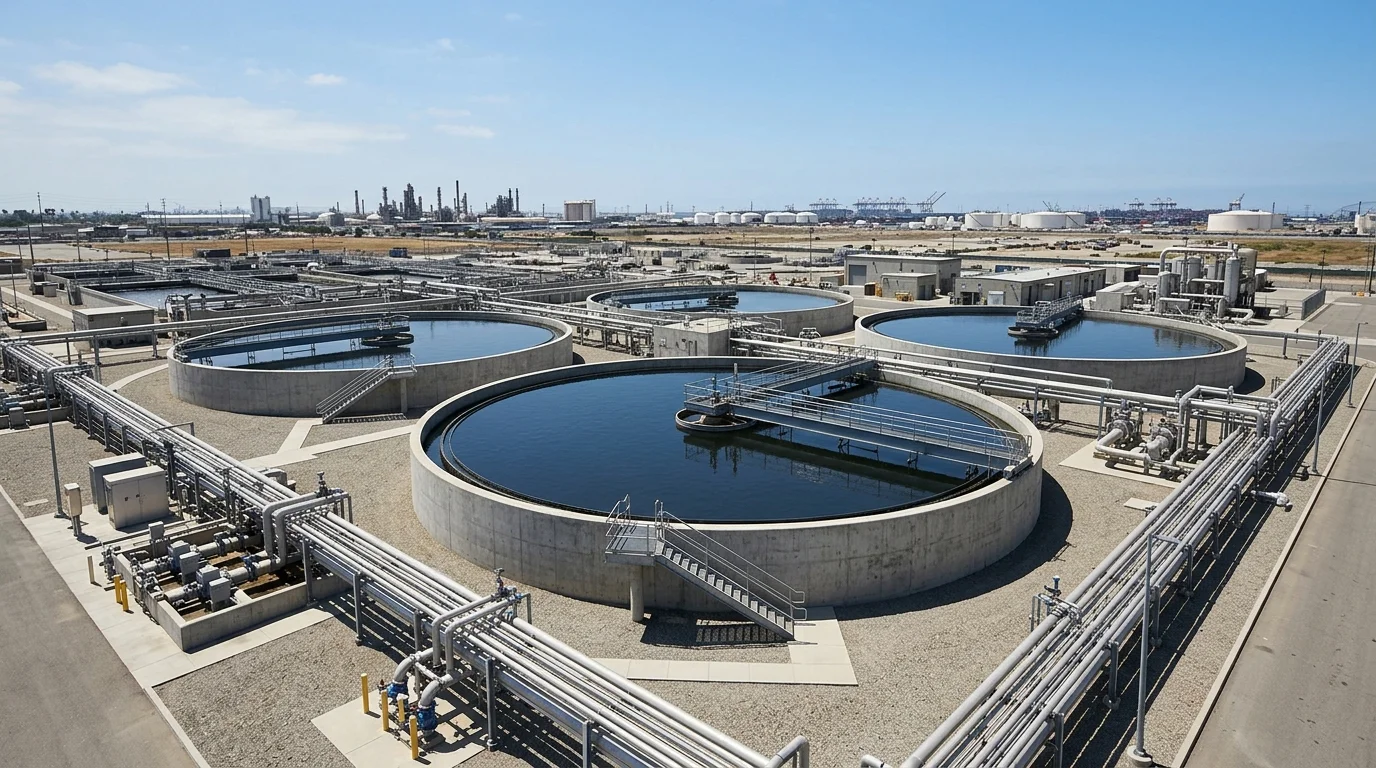
The facility in Carson, California that processes the wastewater of 5 million Los Angeles County residents is now exploring whether it can also become a site for capturing and reusing the greenhouse gases it produces, part of California's sweeping push to pull carbon from the atmosphere before 2045.
The Sanitation Districts of Los Angeles County posted an RFP for carbon capture and utilization at the A.K. Warren Water Resource Facility on July 7. The Carson plant handles roughly 260 million gallons of wastewater per day, making it one of the largest such facilities anywhere in the world. Wastewater treatment is a more significant emissions source than most people realize: biological treatment processes release methane and nitrous oxide, the latter carrying nearly 300 times the warming potential of carbon dioxide.
Notably, the project focuses on utilization rather than underground storage, which sidesteps California's contentious debate over geologic injection. That framing suggests the captured CO2 would be converted into usable products such as concrete aggregate, industrial chemicals or algae-based materials, though the agency has not specified a technology pathway yet.
Source: NationGraph.
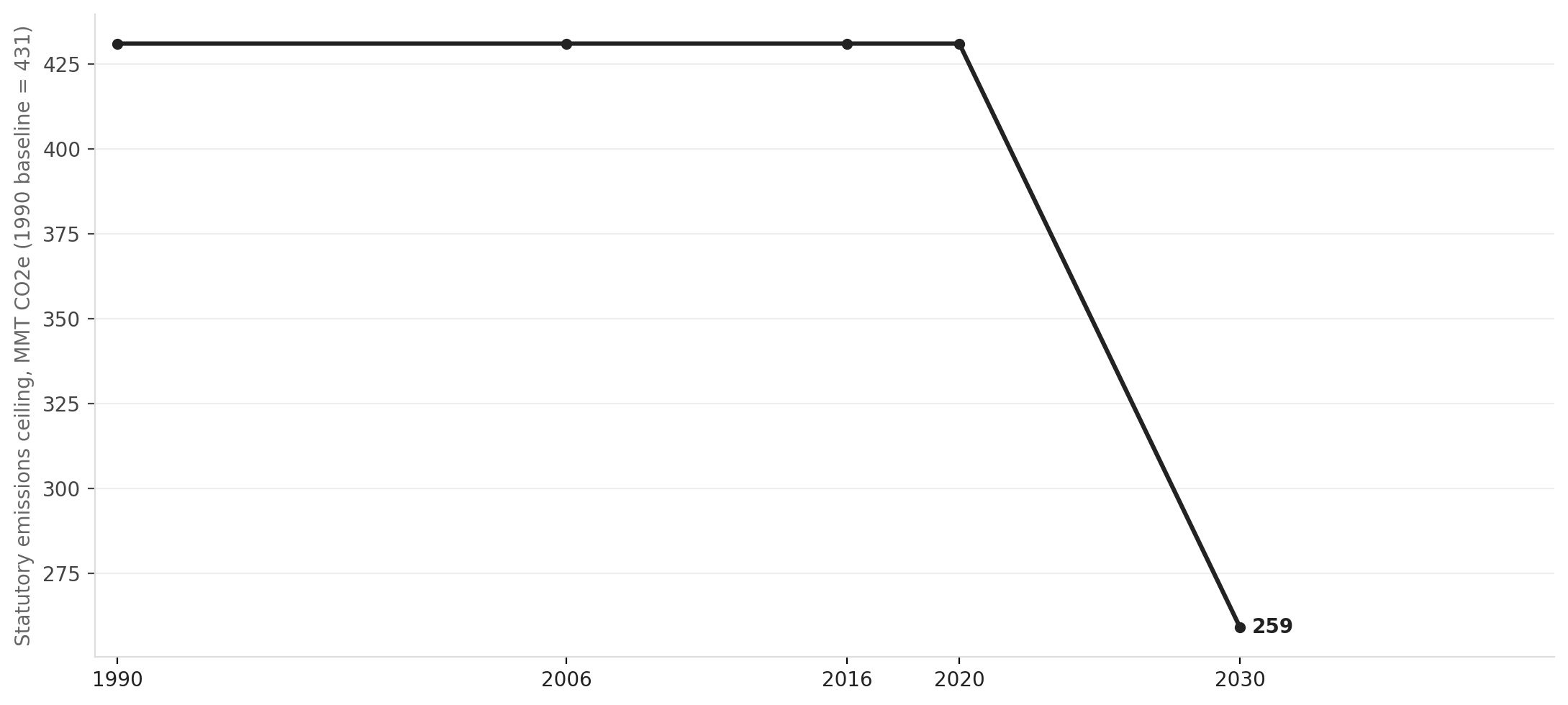
The project sits at the intersection of two California mandates. State law now requires carbon neutrality by 2045, and the California Air Resources Board's 2022 climate plan assumes the state will need to capture roughly 100 million metric tons of CO2 annually by then, a target that has barely begun to be built toward. At the same time, the federal Inflation Reduction Act boosted tax credits for captured industrial carbon to $85 per ton, improving the economics for public utilities willing to move early.
The facility was renamed in 2021, dropping the old "Joint Water Pollution Control Plant" label in favor of "Water Resource Facility" to reflect a broader shift toward recovering value from wastewater rather than simply disposing of it. The plant already produces biogas and is exploring green hydrogen. Carbon capture would be the next step in that repositioning.
The location adds complexity. Carson is a majority-Latino, working-class city surrounded by refineries and port infrastructure, and is designated as an AB 617 environmental justice community, a state classification that triggers enhanced air monitoring and community oversight. Some environmental justice advocates across California have opposed carbon capture technology as a mechanism that extends industrial pollution rather than eliminating it, and any project at this site will likely face scrutiny from those communities.
The Sanitation Districts, a confederation of 24 independent special districts serving 78 cities and unincorporated LA County, are governed by elected officials from member cities, giving the project unusual political visibility. What comes next depends on what proposals come back and whether the technology can be shown to work at a scale no wastewater plant has yet attempted.