Indiana has posted 22 transportation RFPs in the last 30 days carrying transit-related keywords, more than double the state's monthly average of roughly 10.5, and the volume spike is less about buses than about a federal clock running out. The Infrastructure Investment and Jobs Act (IIJA, P.L. 117-58), which has delivered roughly $970 million in additional core federal highway program funds to INDOT and an anticipated $5.6 billion to Indiana overall, expires September 30, 2026. No replacement surface transportation bill has been enacted. What looks like a transit procurement surge is, at its core, a last-chance sprint across the entire transportation infrastructure portfolio.
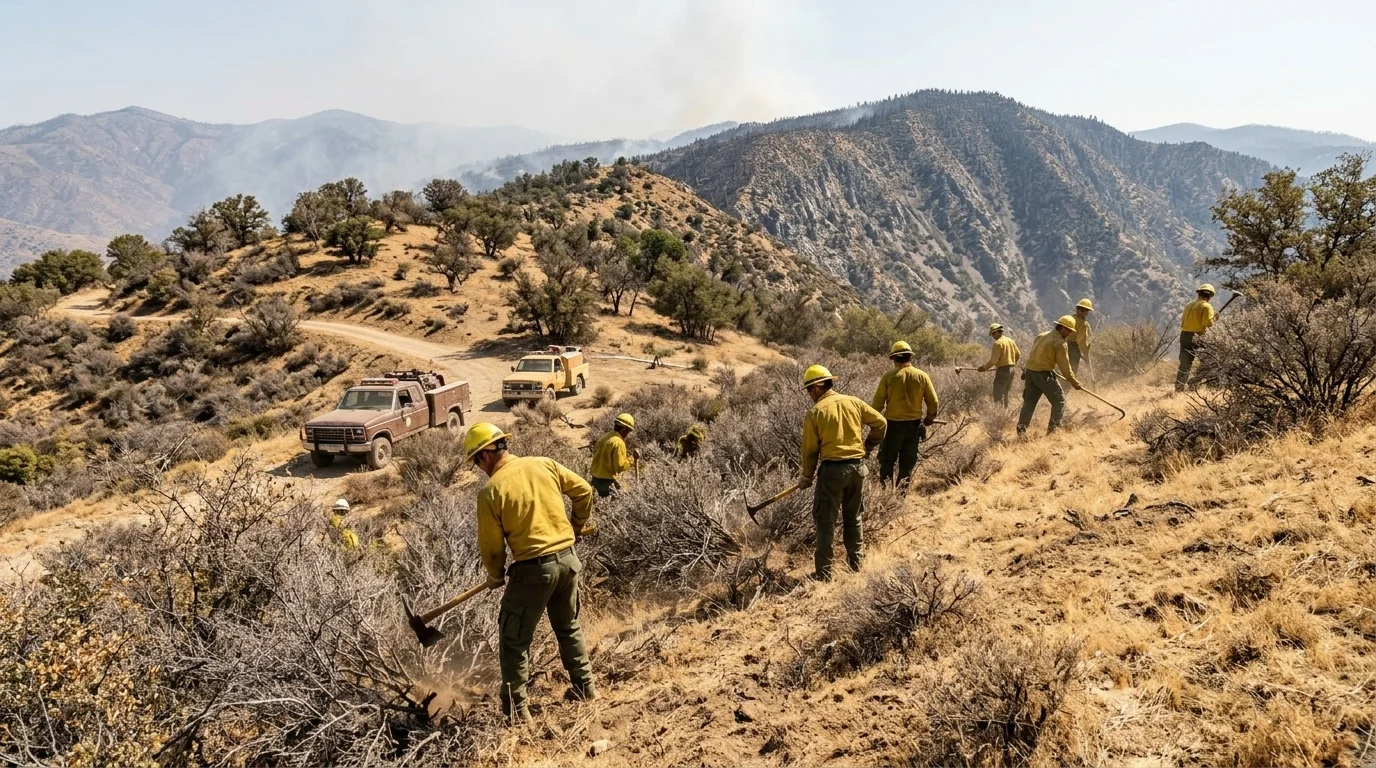
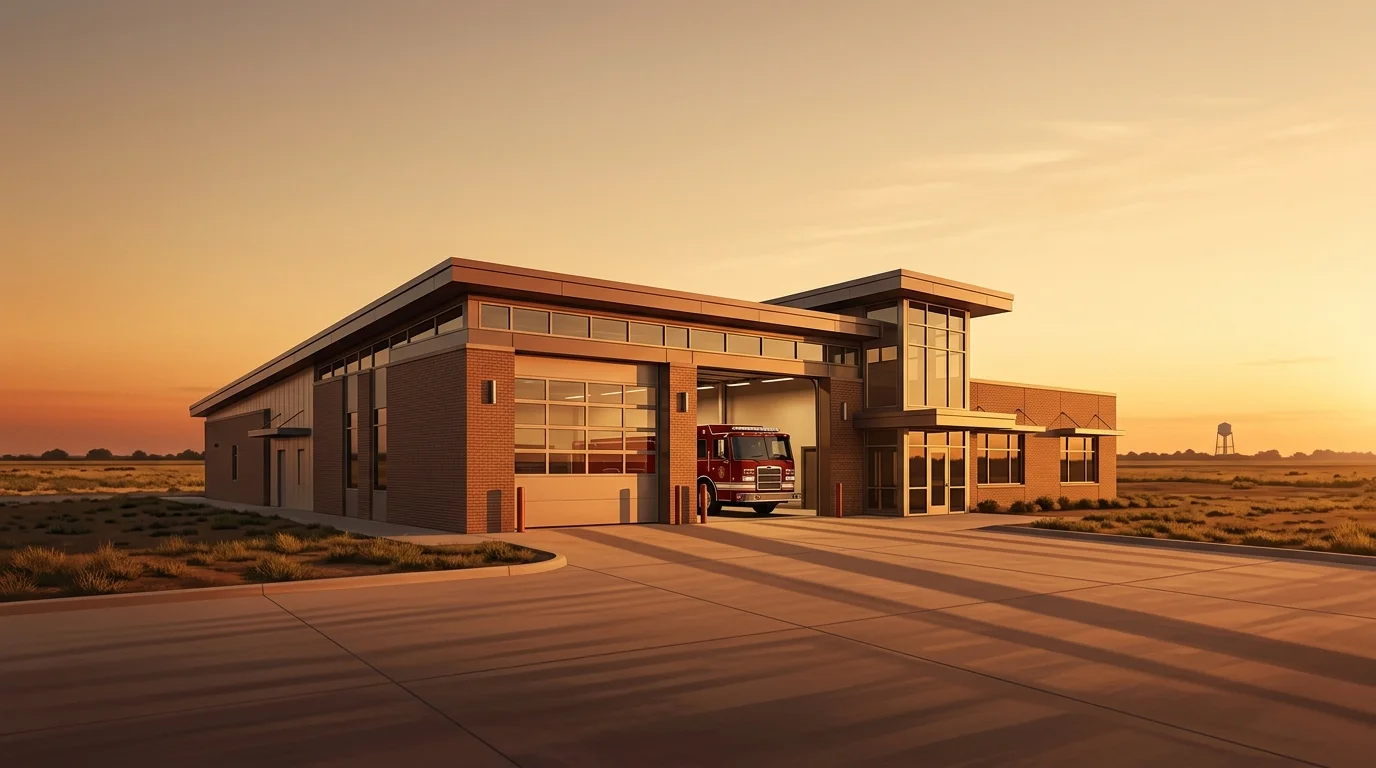
Fourteen of the 22 RFPs originate from INDOT itself and cover bridge replacements, scour protection, traffic signal modernization, road overlays, and sign upgrades, highway infrastructure procurements that happen to carry the search keywords, not bus purchases. These are the downstream products of five years of FHWA formula funding that will not automatically continue at current levels after September 30. According to INDOT's own IIJA program page, the state built its 2026–2030 Statewide Transportation Improvement Program around those formula projections, meaning projects already in the pipeline depend on funds being obligated before or immediately after expiration. The agency is bidding now because the math changes in October.
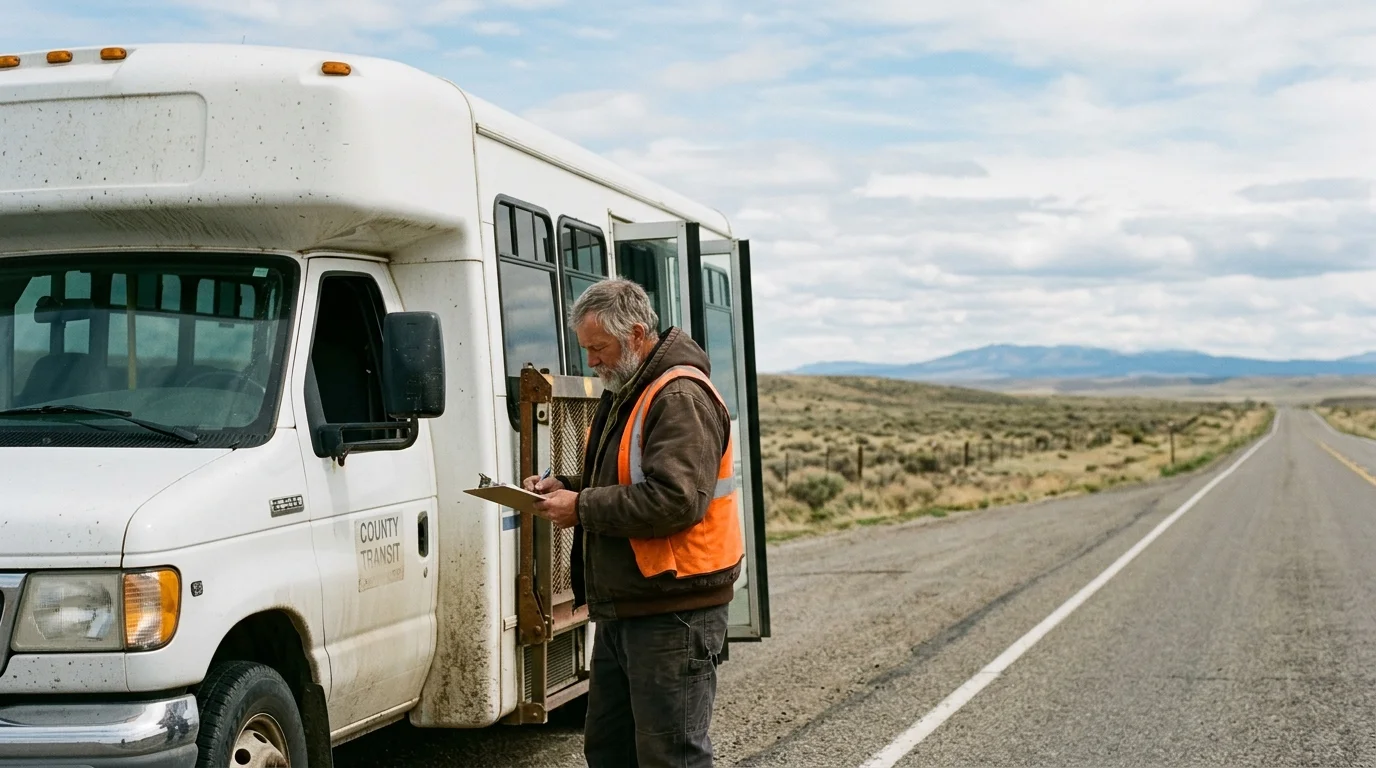
The parallel story, genuine public transit capital activity, runs alongside INDOT's highway sprint but draws from different IIJA funding channels. FTA formula and discretionary grants awarded to Indiana agencies since mid-2025 total more than $200 million, and those agencies are now entering implementation, which means their own RFPs are landing in the same 30-day window. IndyGo received a $52 million Low or No Emission bus grant and a $21.9 million RAISE competitive grant, both starting September 2025. The Northern Indiana Commuter Transportation District (NICTD) secured an $82.2 million State of Good Repair grant for its South Shore commuter rail corridor, running through 2030. Gary Public Transportation Corporation received a $13.9 million urbanized-area formula grant as recently as August 2026, and Greater Lafayette Public Transportation locked in a $10.5 million bus grant the same month.
Source: NationGraph.
These are distinct funding streams doing different work. The FHWA core formula programs move through INDOT and pay for asphalt, concrete, and signals. The FTA grants, under Sections 5307, 5337, and 5339, plus the competitive RAISE program, flow to transit agencies and pay for buses, rail rehabilitation, and facility capital. Both streams share the same statutory authorization expiring on September 30, which is why the procurement spike looks unified even though the actors and infrastructure are different. Congressional Research Service analysis makes clear that without reauthorization, annual public transportation formula funding reverts to pre-IIJA baseline levels, a cliff the IIJA had papered over with a 67 percent nominal-dollar increase compared to the prior FAST Act, averaging $21.4 billion nationally per year.
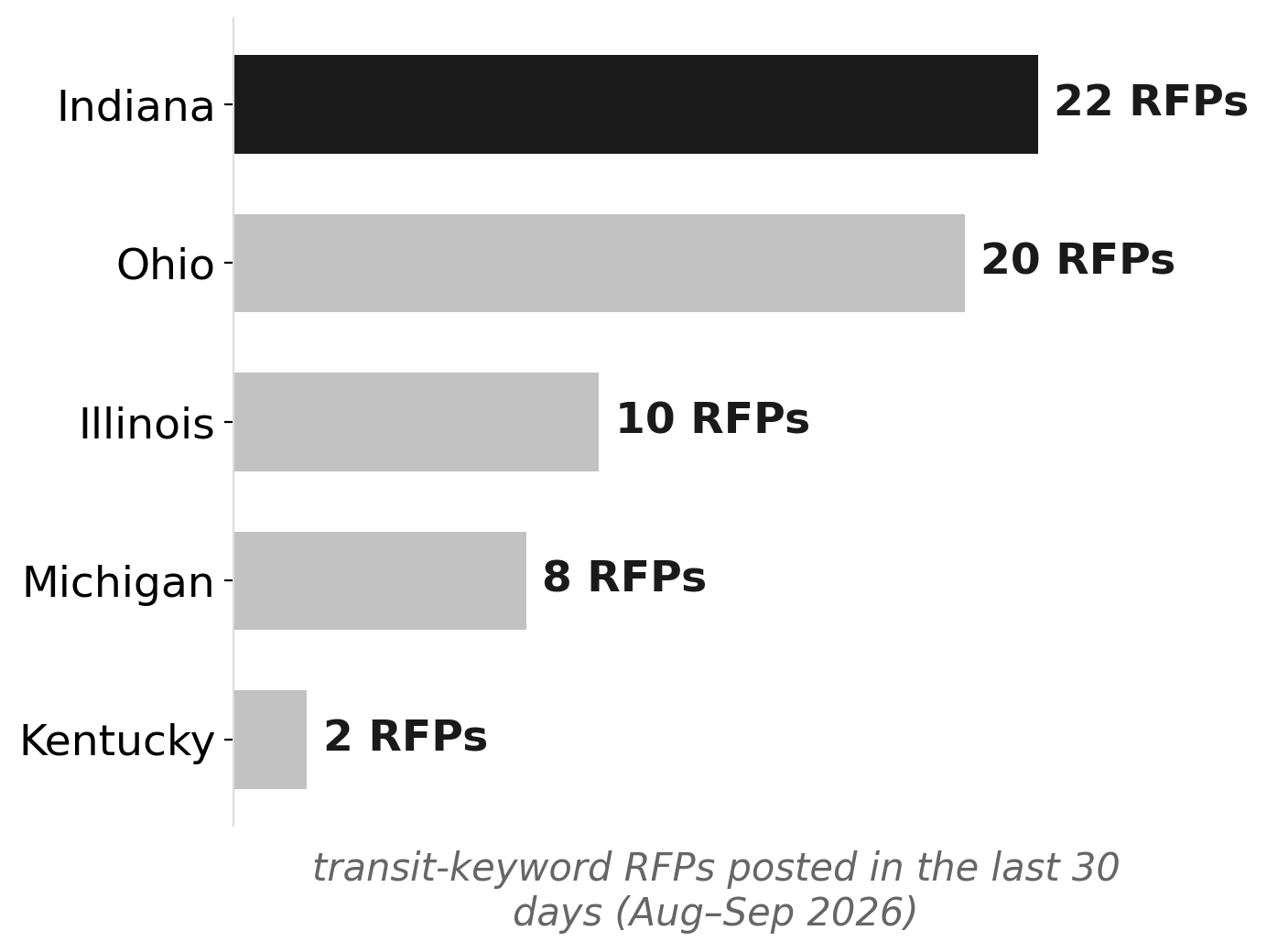
The pace stands out regionally. Indiana's 22 RFPs in 30 days lead every neighboring state: Ohio posted 20, Illinois 10, Michigan 8, and Kentucky 2. That gap may reflect INDOT's programmatic volume, its willingness to push procurements into the final window, or simply the scale of Indiana's STIP pipeline. Whatever the cause, the state is moving at greater velocity than its peers in what may be the final weeks of IIJA-level spending authority.
For smaller Indiana transit systems, the stakes are especially acute. Cities like Kokomo, Anderson, Evansville, and South Bend received urbanized-area formula grants of $2 to $4 million each under IIJA. Those systems have no large endowments or state capital pools to substitute for federal formula money if it drops. If Congress lets the authorization lapse without a bridge or a successor bill, the next capital procurement cycle for a system like Anderson's will start from a much smaller funding base.
The House Transportation and Infrastructure Committee advanced a reauthorization bill in May 2026, but as of the final days before expiration, nothing has been enacted. A short-term continuing resolution or a standalone surface transportation extension remains possible, and some obligated funds can still be drawn down after the authorization lapses. But the projects being bid right now are being bid at IIJA funding levels. What gets procured in October and beyond depends entirely on what Congress does next, and so far, it hasn't done it.