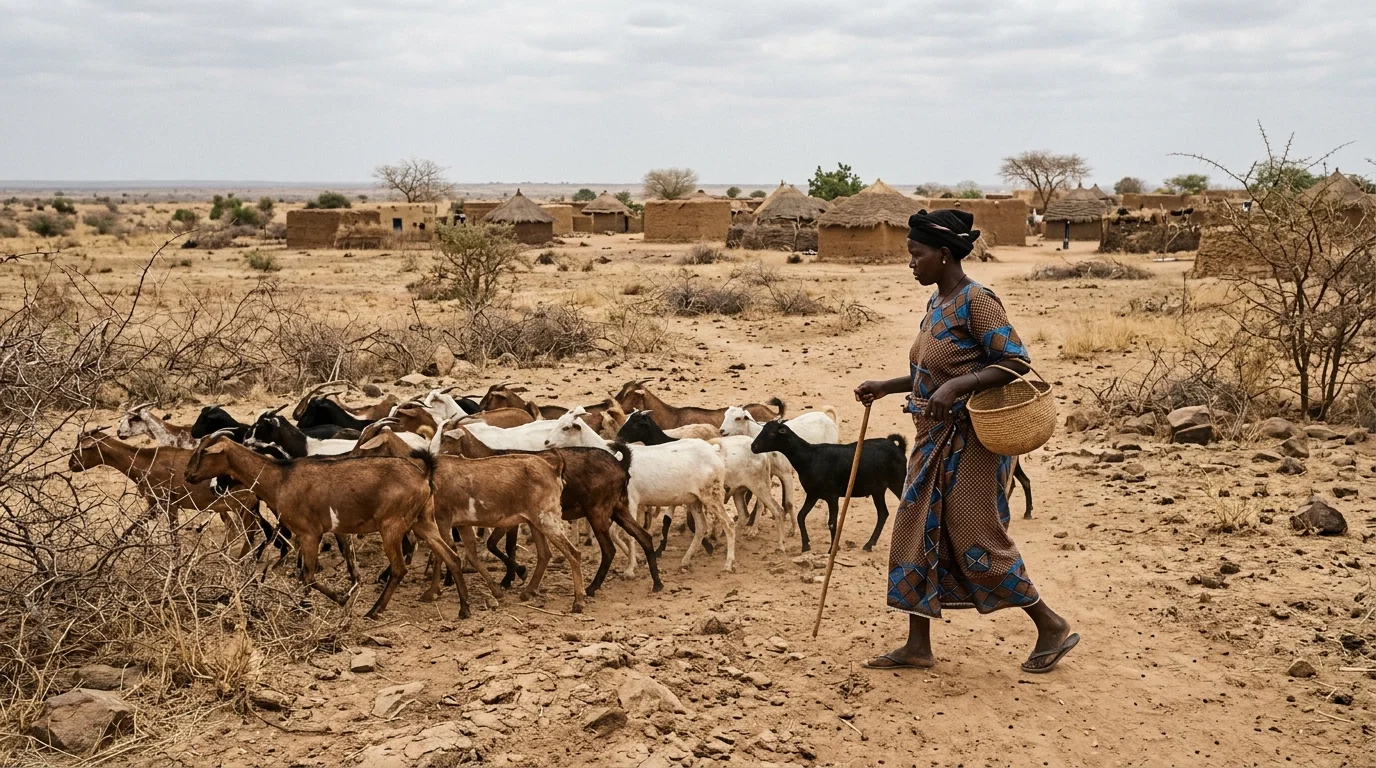
Women's groups in Aljangool Village, a small settlement in South Kordofan's Abu-Jebeiha locality, are set to receive goats this fall as part of a livestock restocking effort aimed at rebuilding livelihoods shattered by years of war.
The procurement, listed on SudanBid with a September-to-October 2026 implementation window, is a small but telling sign of how humanitarian actors are working to piece together rural economies in one of Sudan's most conflict-worn corners. The issuing agency is not identified in the record, and the number of goats, total budget and beneficiary count have not been disclosed.
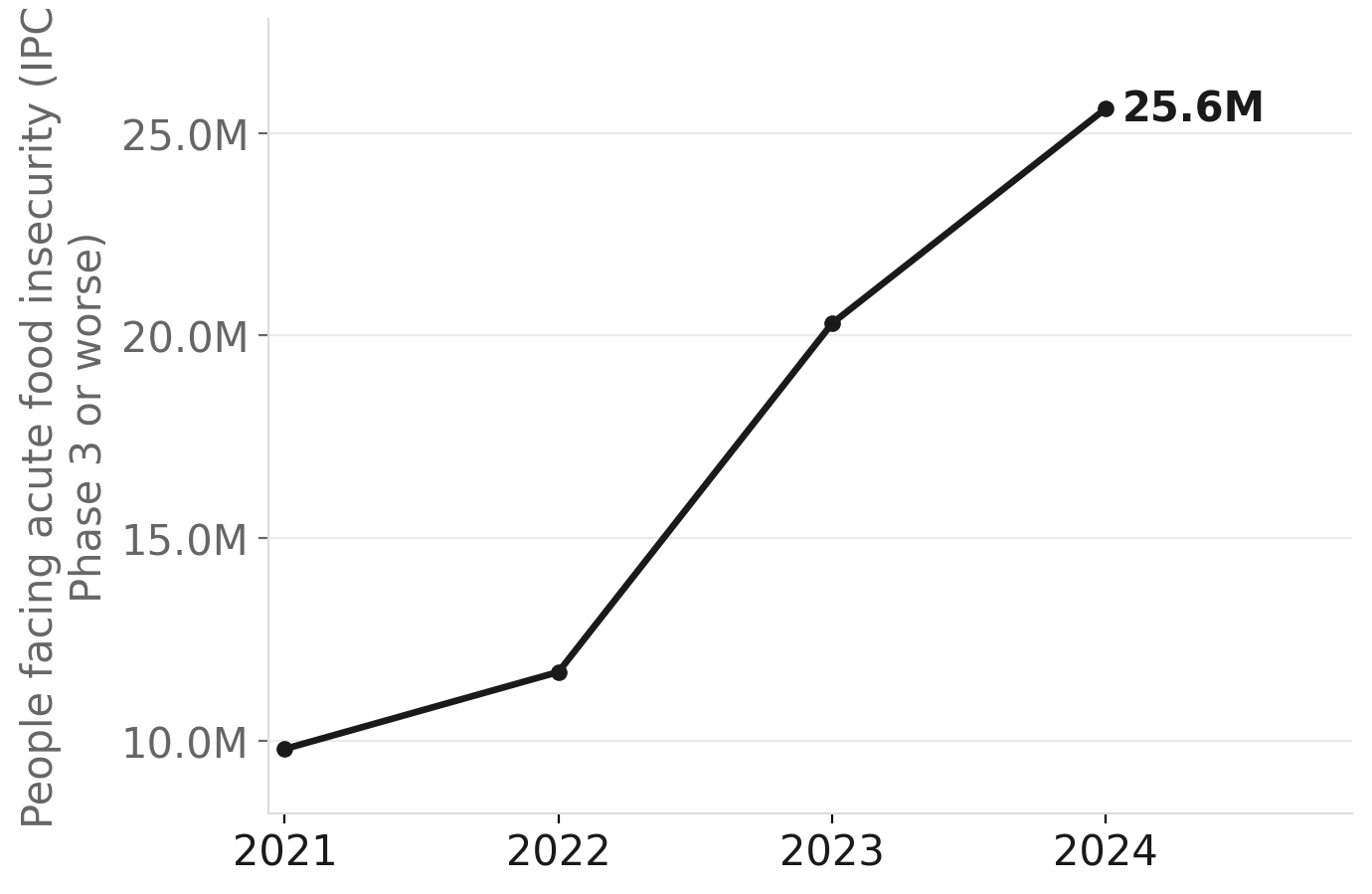
South Kordofan has been in and out of active conflict since 2011, when fighting erupted between the Sudanese Armed Forces and the Sudan People's Liberation Movement-North in the immediate aftermath of South Sudan's independence. The current civil war, which began in April 2023 between the SAF and the Rapid Support Forces, has layered a new catastrophe on top of a population that never fully recovered from the last one. The United Nations describes Sudan as the site of the world's largest displacement and hunger crisis, with more than 25 million people facing acute food insecurity.
Source: NationGraph.
Goats are a practical choice for women-focused recovery programs in this context. They reproduce quickly, require little land, cost less than cattle, and are culturally accepted as assets women can own and manage in Muslim pastoralist communities. In a region where many women are widows or sole household earners amid the killing, conscription and displacement of men, a small herd can mean the difference between hunger and a modest income from milk and offspring sales.
Abu-Jebeiha sits in the eastern part of South Kordofan, closer to White Nile state and historically more accessible to Khartoum-based aid operations than the areas held by the SPLM-North faction. Even so, humanitarian access across the state has been repeatedly blocked, and livestock herds have been decimated through raiding, disease and displacement. Aid organizations, including FAO and UNDP, have run livestock vaccination and restocking programs in Sudan for years, though the scale of need in Kordofan has consistently outpaced available resources.
Channeling recovery aid through women's cooperatives has been a cornerstone of donor strategy in Sudan since the 2005 Comprehensive Peace Agreement era, when international attention focused on female-headed households as both the most vulnerable population and the most effective entry point for rebuilding community resilience.
Whether this particular procurement is part of a larger multi-year recovery program remains unclear. If it proceeds on schedule, goats would reach Aljangool Village by October 2026.