Himachal Pradesh is moving to build the charging backbone its electric bus fleet has been missing, seeking contractors to construct civil and electrical infrastructure at depots across the mountainous state as its 2026 green energy deadline approaches.
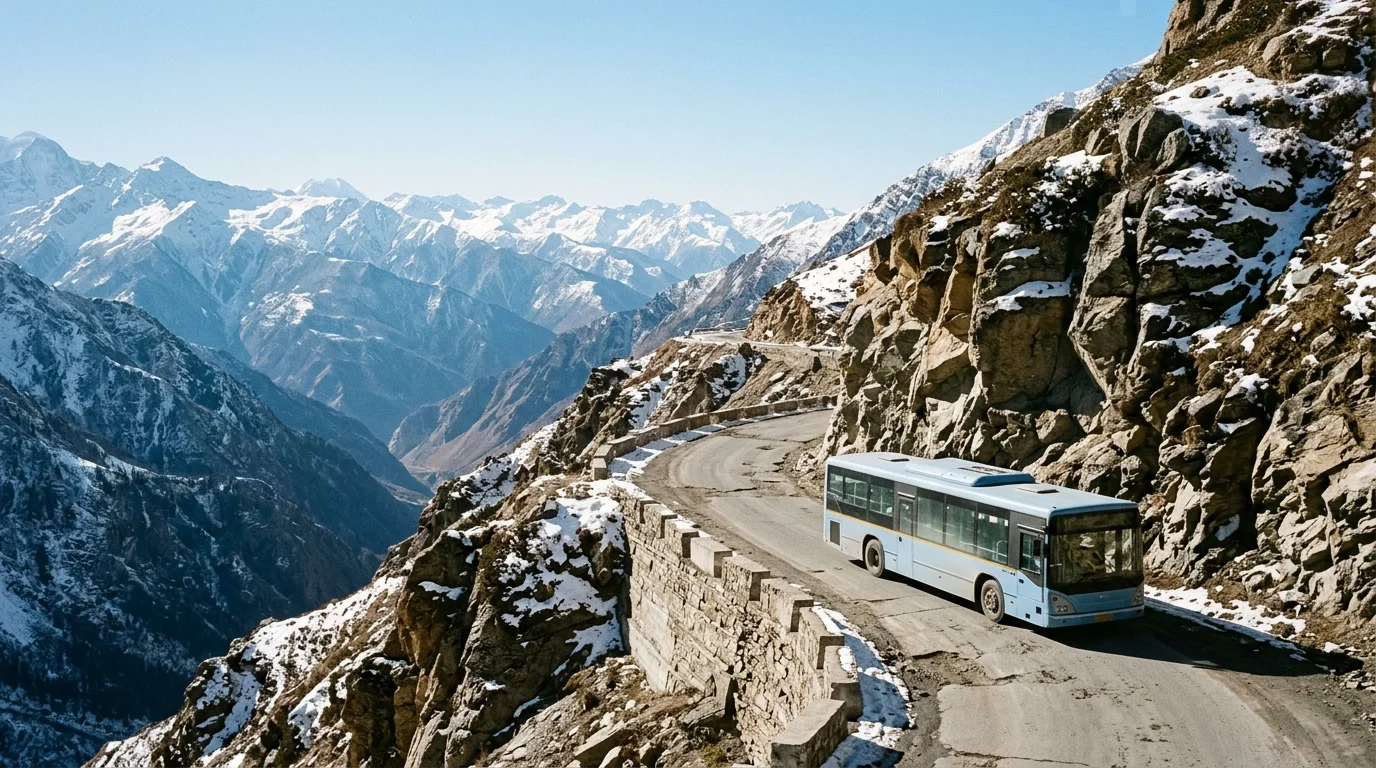
The stakes are real. The Himachal Road Transport Corporation runs more than 3,100 buses on routes that climb from valley floors to passes above 4,000 meters, where winter temperatures regularly drop below -15°C. At those temperatures, lithium-ion batteries lose 30 to 40 percent of their range, making high-capacity charging depots a harder engineering challenge here than almost anywhere else in India. Without them, the state's commitment to electrify its entire HRTC fleet remains on paper.
Himachal Pradesh was actually an early mover on electric buses. HRTC deployed 25 electric buses on the Manali-Rohtang route in 2017, well ahead of most Indian states. But pilot-scale operations exposed the gaps: range anxiety on long inter-city runs, battery degradation in the cold, and almost no high-capacity charging outside a handful of urban centers. The state is now trying to close those gaps at scale.
Source: NationGraph.
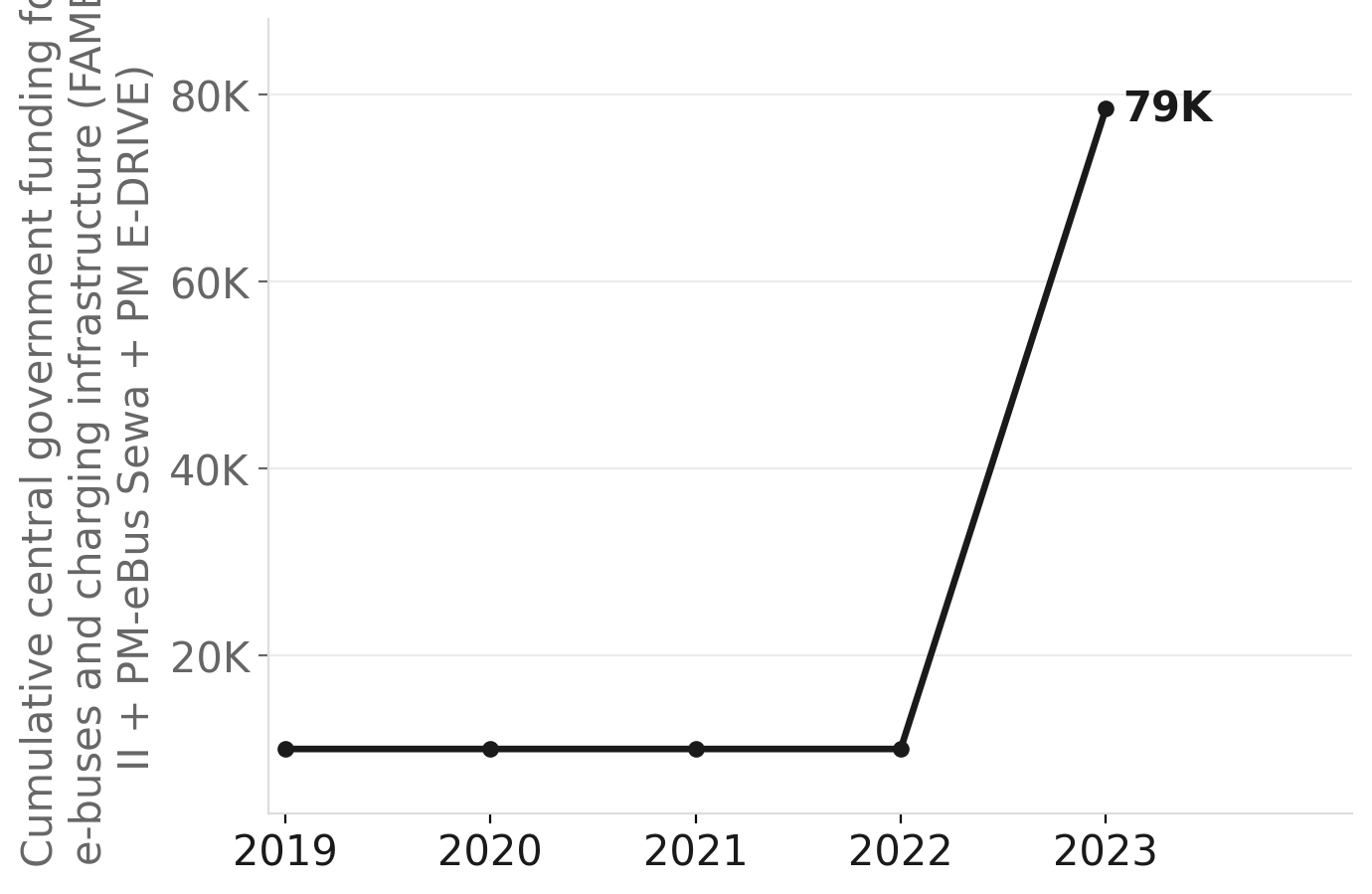
The push fits into a larger national pattern. India's PM-eBus Sewa scheme committed ₹57,613 crore to deploy 10,000 electric buses across Indian cities, and the PM E-DRIVE scheme, launched in September 2023, set aside ₹10,900 crore specifically for e-bus charging infrastructure. But nationally, private tenders for charging depots have repeatedly stalled over who pays for the grid-side buildout. Himachal Pradesh appears to be taking that responsibility on itself rather than waiting.
Chief Minister Sukhvinder Singh Sukhu declared in 2023 that Himachal Pradesh would become India's first Green Energy State by 2026, and his government has tied the HRTC electrification program directly to that pledge. The state is also rebuilding from catastrophic July 2023 monsoon floods that caused an estimated ₹12,000 crore in damage, squeezing the capital budget at exactly the moment EV infrastructure requires heavy investment.
The tender is posted on the Himachal Pradesh e-procurement portal, though key details including total contract value, number of depot locations and charger capacity per station are not yet publicly confirmed. NationGraph has previously reported on HRTC's charging network plans as the state works through the logistics of electrifying a fleet built for some of India's most demanding terrain.
How quickly contractors can be selected and construction can begin will determine whether the state's electric bus ambitions survive contact with its next Himalayan winter.