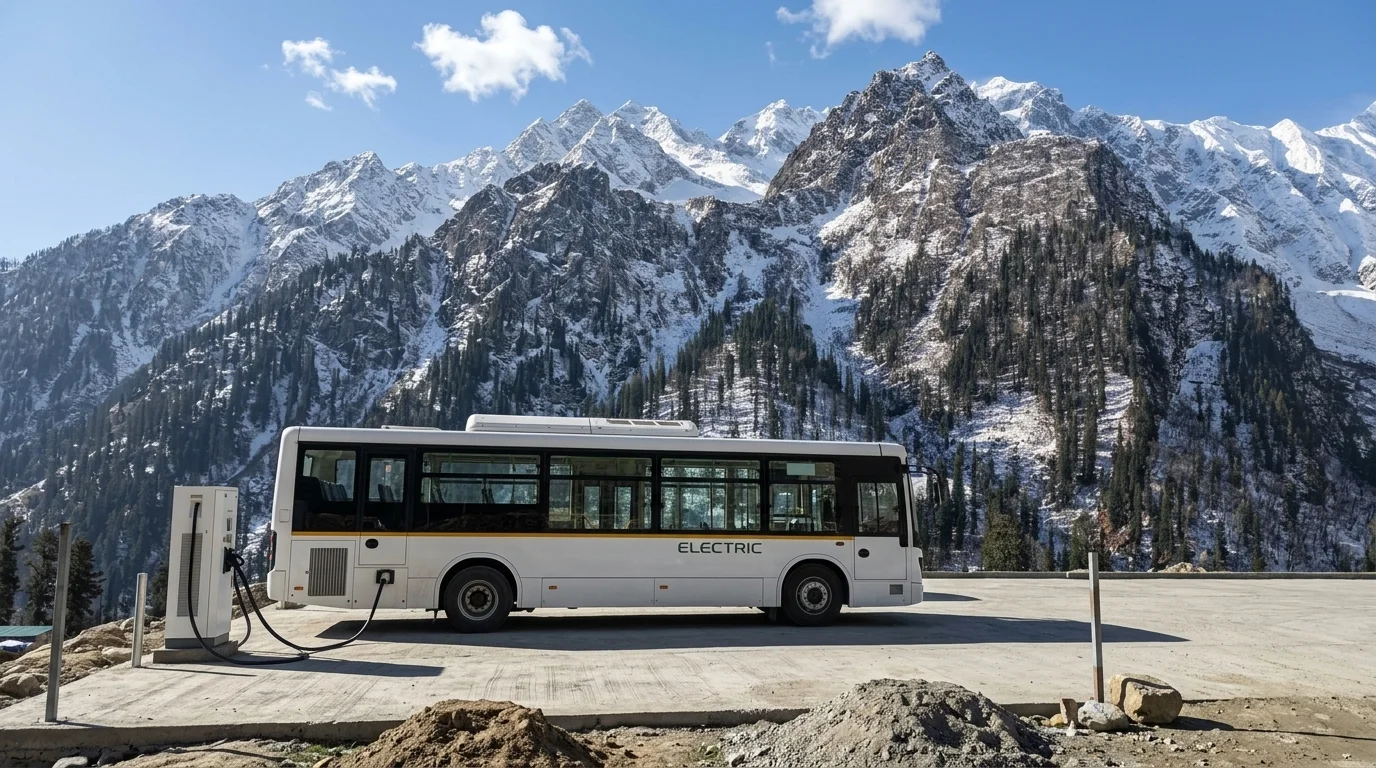
Himachal Pradesh is moving to solve the problem that has slowed its electric bus ambitions from the start: not enough places to charge the buses.
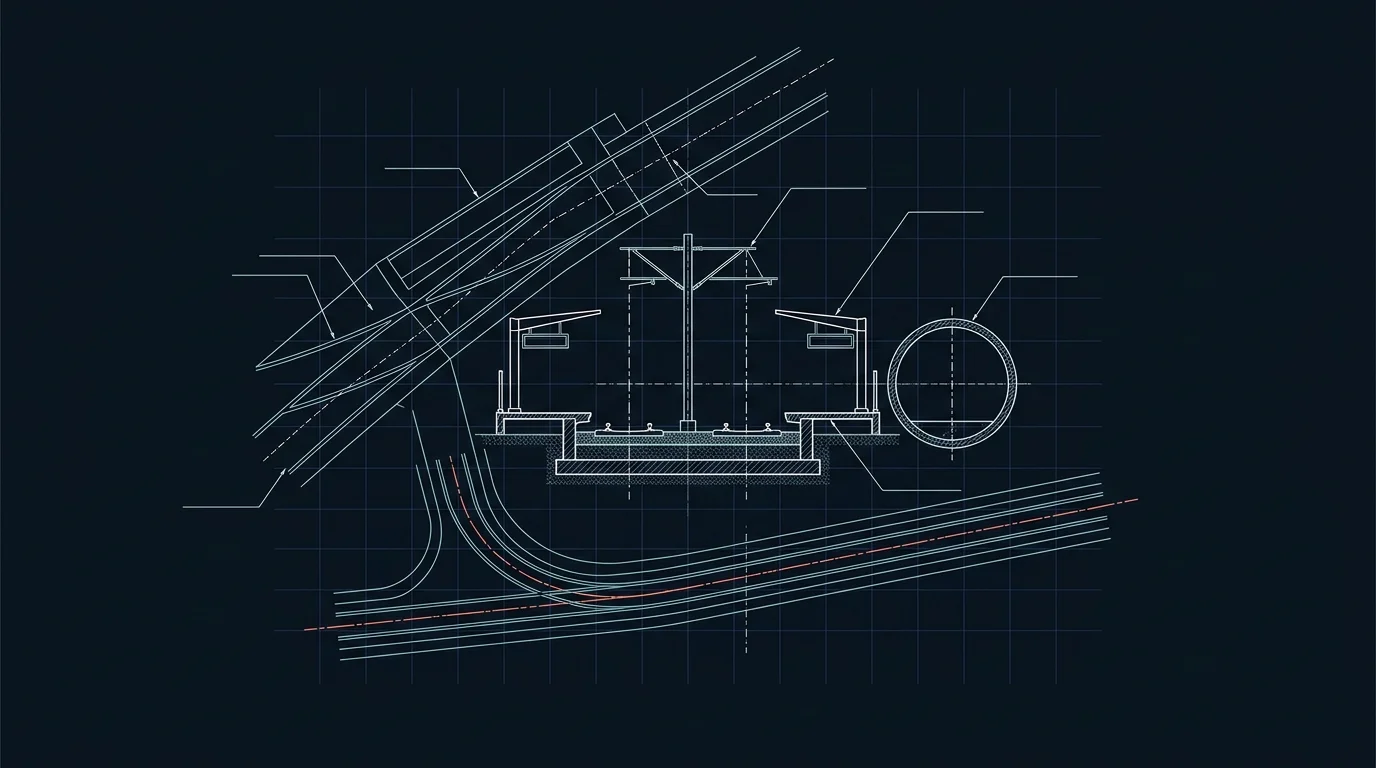
The state's transport authority has posted a tender for companies to build full charging depot infrastructure across the state, covering both civil construction and electrical systems. The goal is a statewide network capable of keeping electric buses running on some of India's most demanding terrain.
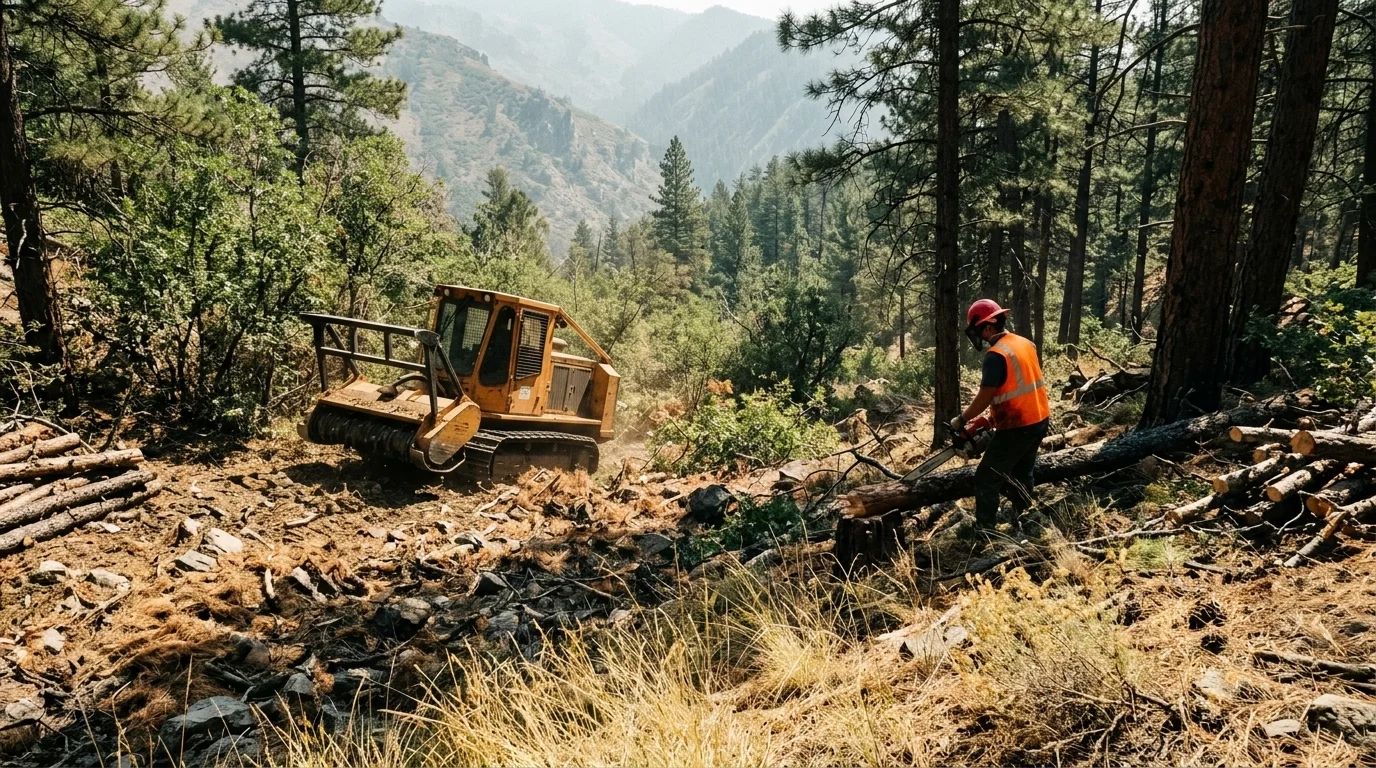
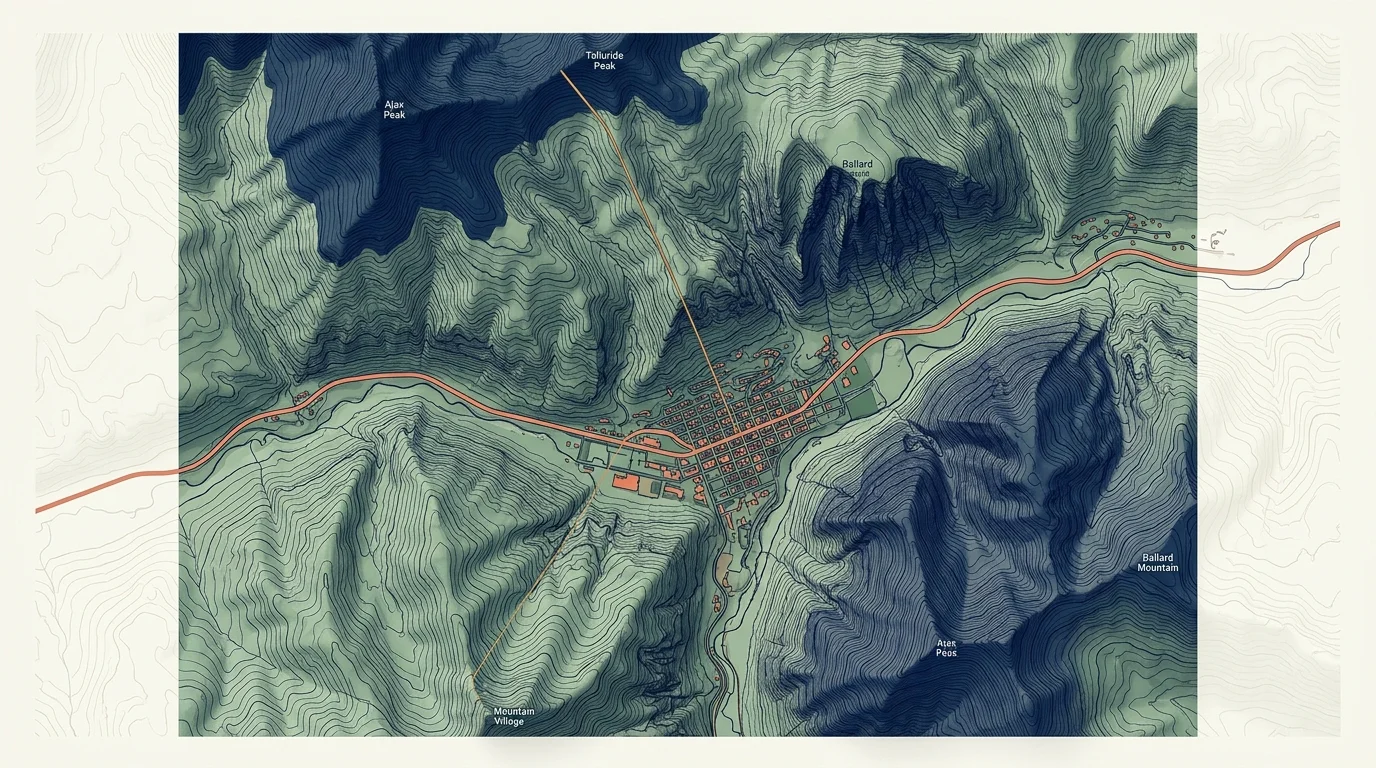
The Himachal Road Transport Corporation (HRTC) has operated electric buses since 2017, making it one of India's earliest state transit agencies to try high-altitude EV service. That early start came with hard lessons. Cold winters in the Himalayas can cut lithium-ion battery efficiency by 20 to 40 percent. Steep gradients drain charge faster. And the long distances between mountain towns leave little margin for error if a charging point isn't available at the end of a route. Reported breakdowns on routes like Rohtang and in Kinnaur district have underscored how much the charging network lags behind the buses themselves.
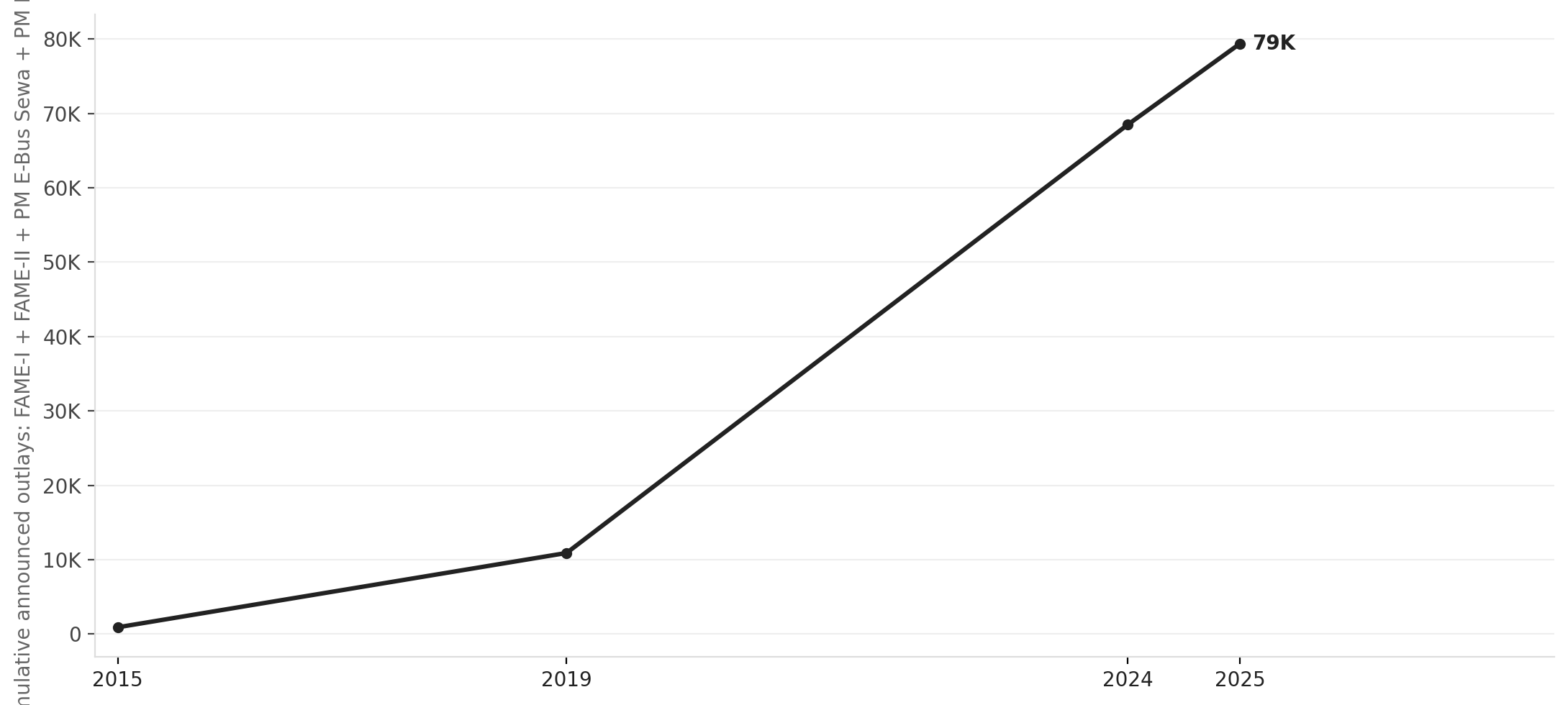
Source: NationGraph.
The state has kept buying buses anyway. Chief Minister Sukhvinder Singh Sukhu's government announced procurement of 297 electric buses using funding from India's national PM E-Bus Sewa scheme. But coverage of HRTC over the past two years has repeatedly flagged the same gap: buses arriving faster than the infrastructure to charge them.
This build-out is meant to close that gap. Himachal Pradesh has staked significant political identity on becoming India's first Green Energy State by 2026, a goal Sukhu's Congress government has pushed since taking office in December 2022. Electric buses are central to that brand, but a fleet that sits idle or breaks down in winter undermines it.
The state also faces fiscal pressure to make this work efficiently. Himachal Pradesh carries one of the highest per-capita debt loads among Indian states, making it heavily reliant on central government schemes like PM E-Bus Sewa and the newer PM E-Drive program to fund electrification. HRTC itself operates at a significant financial loss, and transport union concerns about the cost and pace of the transition have added political friction.
Specific depot locations, charger counts and contract value were not immediately available in the public notice. Those details will determine whether the network is dense enough to make electric buses reliable on routes far from the state's main corridors.