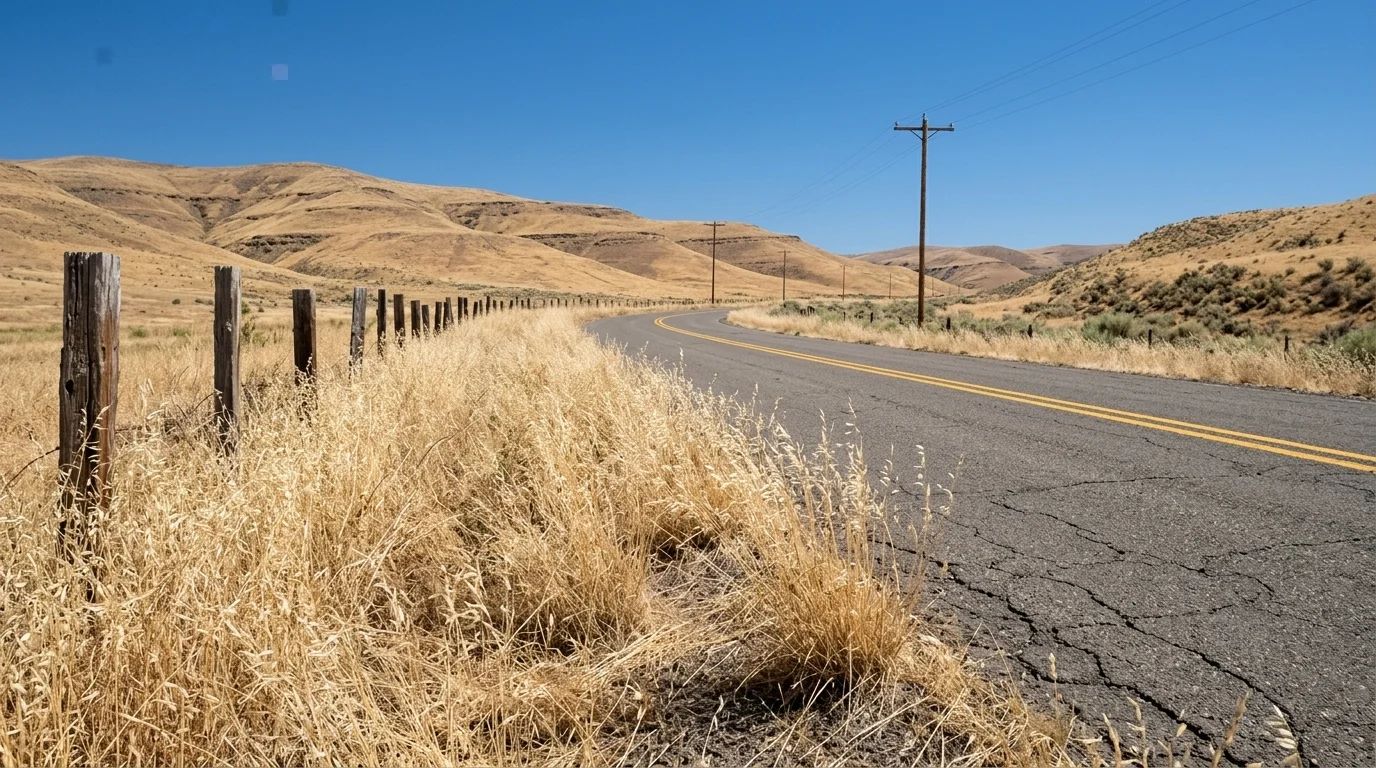
Wasco County, Oregon has seen enough fires start along its rural roadsides to know the pattern: a dragging trailer chain, a mower blade hitting rock, a downed power line dropping into dry cheatgrass, and suddenly thousands of acres are burning. Now the county is treating those road shoulders as the first line of wildfire defense.
The Wasco County Soil and Water Conservation District is building a pool of pre-qualified contractors to carry out vegetation control along rural road rights-of-way, framing the effort explicitly as wildfire prevention rather than routine roadside maintenance. The goal is to have a ready bench of contractors who can mow, spray, or otherwise treat the grassy margins where so many fires in the region have started.
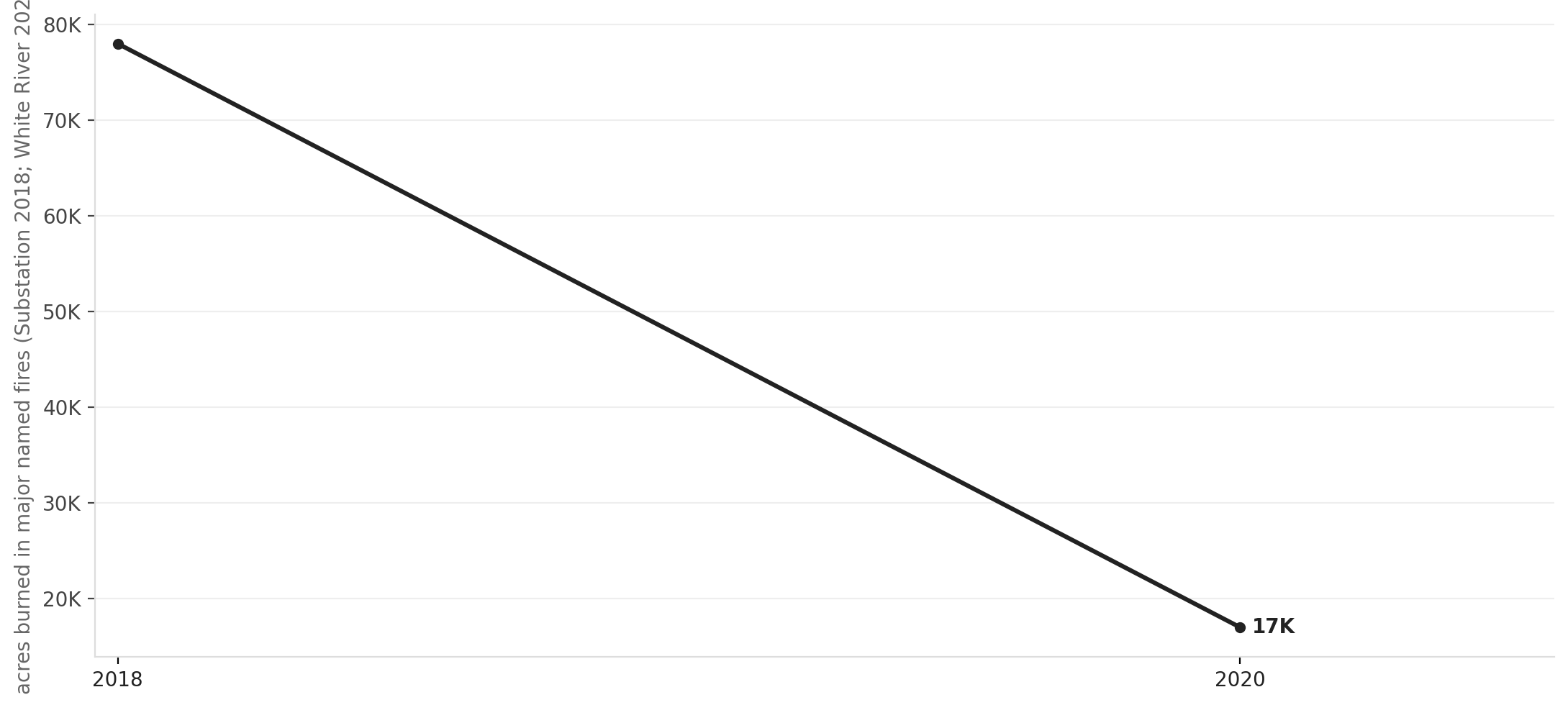
Fire scientists have long identified roadsides as among the highest-risk ignition zones in the rural West. They combine constant human activity with a nearly continuous strip of dry fuel, and they thread through miles of rangeland with little fire district coverage. In Wasco County, that risk is well documented. The 2018 Substation Fire burned 78,000 acres and killed a farmer near The Dalles. The 2020 White River Fire burned more than 17,000 acres. The 2018 South Valley Road Fire and a string of smaller blazes have repeatedly been traced back to roadside ignitions.
Source: NationGraph.
Making the fuel problem worse is the spread of cheatgrass and other invasive annual grasses across formerly grazed rangeland in the county. These plants dry out earlier in the season than native vegetation and burn fast, turning the shoulders of county roads into what amounts to a fuse connecting one property to the next.
The Wasco County SWCD, a special district based in The Dalles historically focused on soil conservation and agricultural land, has taken on an expanding wildfire mitigation role in recent years. That shift reflects a broader trend across Oregon and the rural West, where soil and water districts have become the on-the-ground delivery arm for state and federal fuels-reduction dollars. Oregon's landmark 2021 wildfire bill, Senate Bill 762, created new funding channels through districts like this one, even as its statewide hazard mapping provisions drew fierce backlash from rural counties, including Wasco, and were ultimately repealed by the legislature in 2025.
The contractor pool structure means the district can dispatch crews quickly across multiple road segments as conditions and funding allow, rather than going through a separate bidding process each time work is needed. Specific road miles, acreage targets and treatment methods were not detailed in the district's public posting.
How quickly the work gets underway will depend on contractor responses and available funding, but the district's move to formalize this capacity signals that roadside fuels treatment in Wasco County is shifting from an occasional response to an ongoing program.