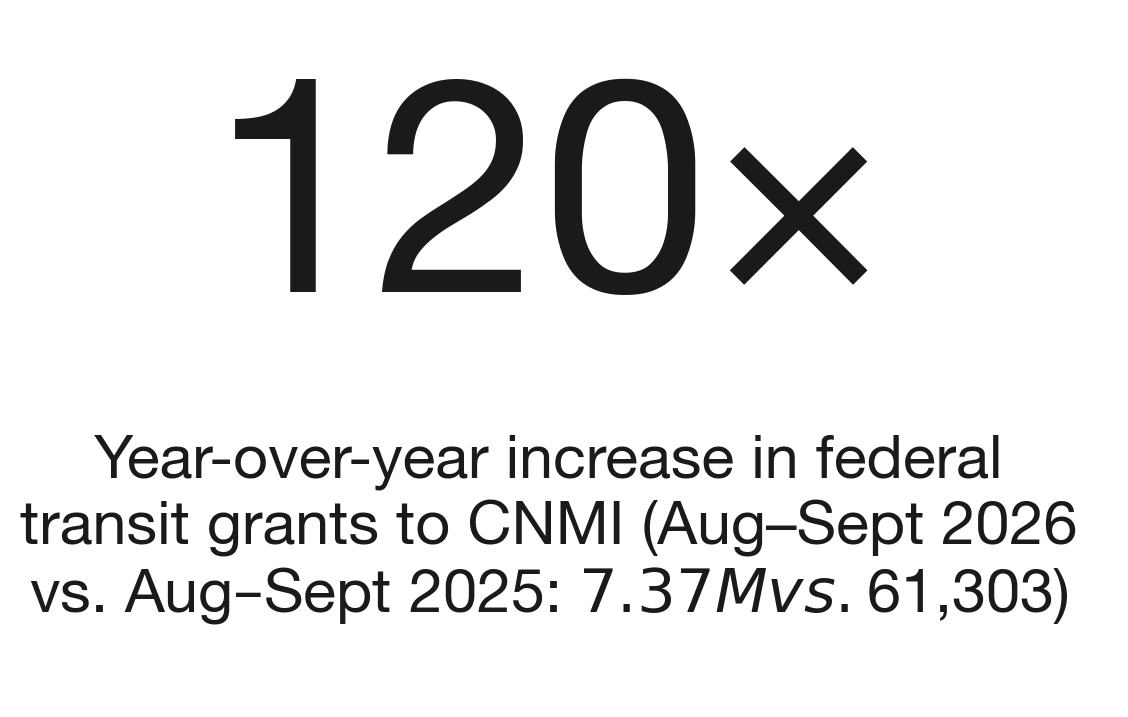
Federal transit grants to the Northern Mariana Islands reached $7.37 million in the 90 days ending September 2026, a 11,999% increase over the $61,303 obligated in the same window last year. Every dollar went to one agency: the Commonwealth Office of Transit Authority, which serves Saipan's roughly 50,000 residents as the territory's sole public transit operator. The money arrived about three months after Super Typhoon Sinlaku) destroyed bus stop signs across the island and left riders flagging down buses by hand.
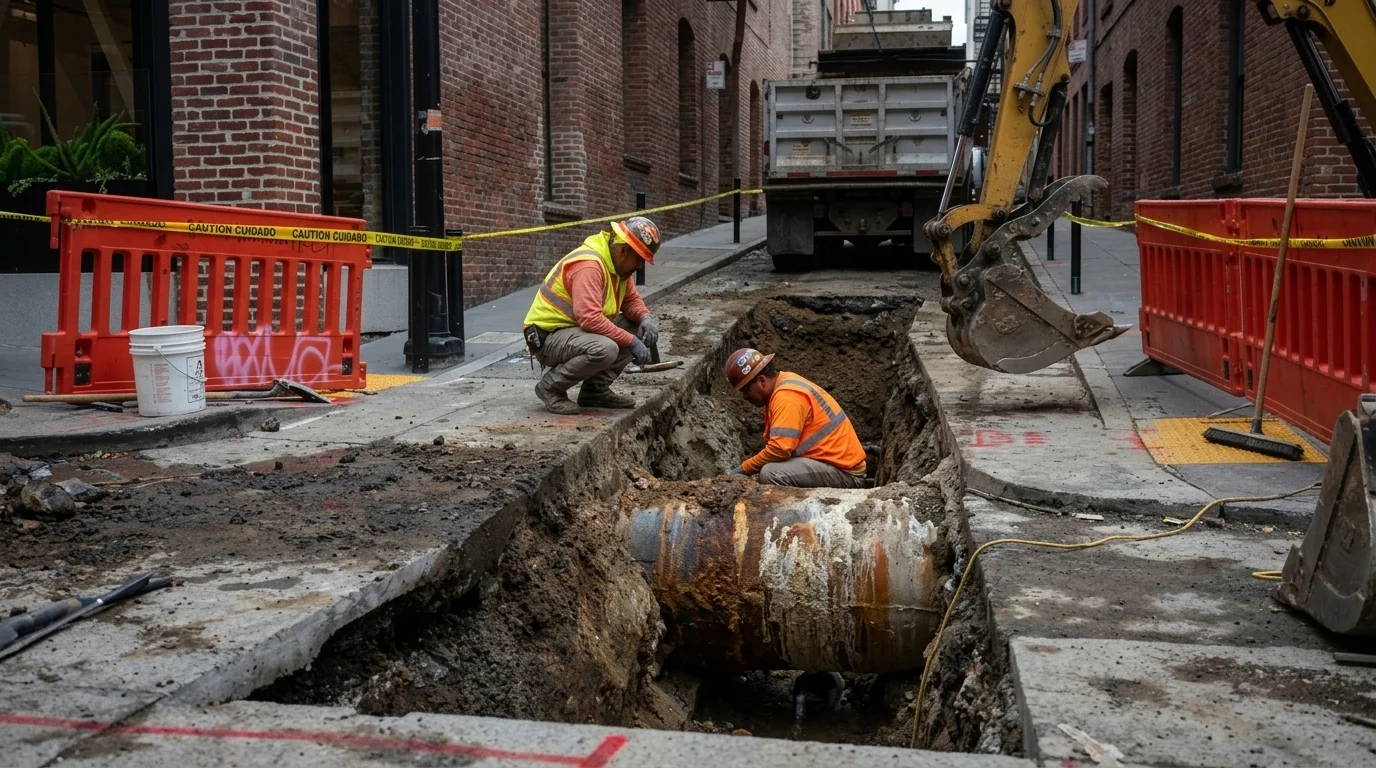
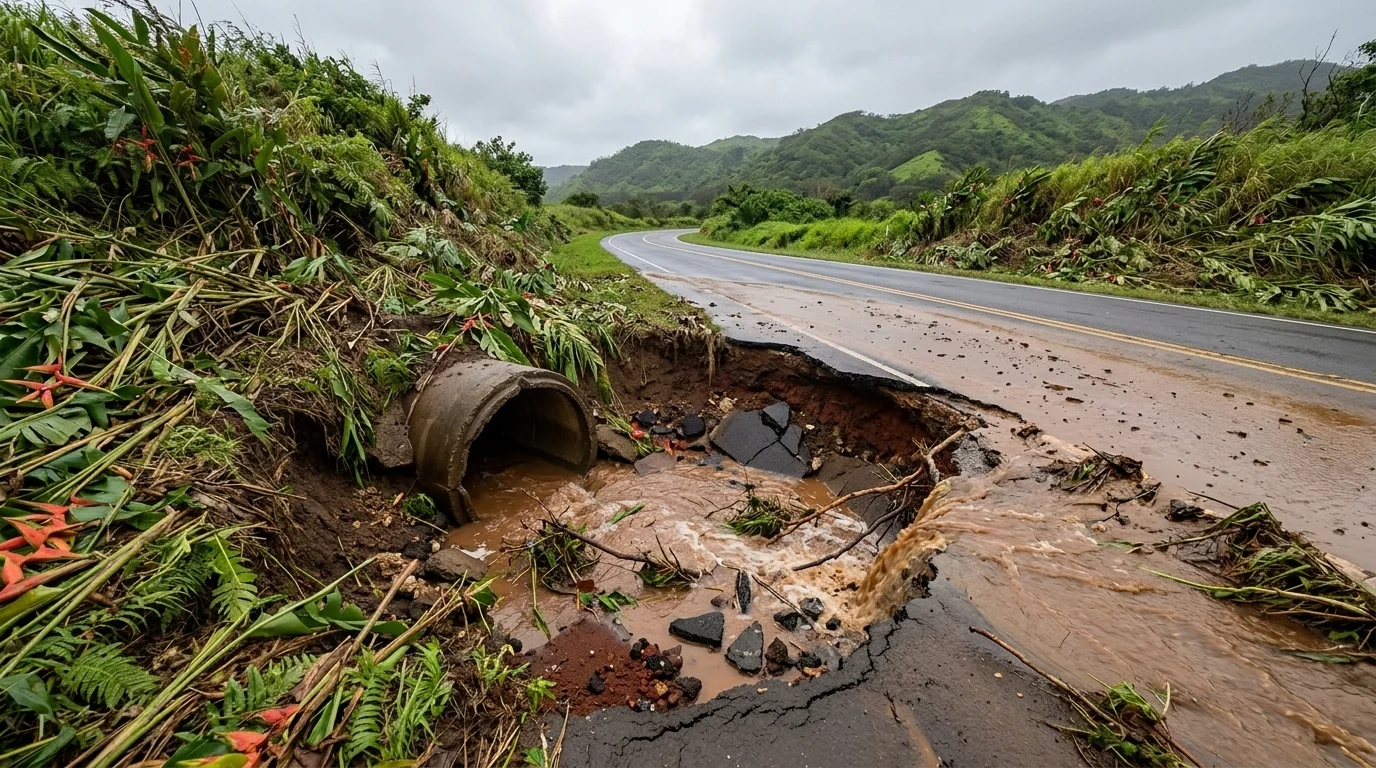
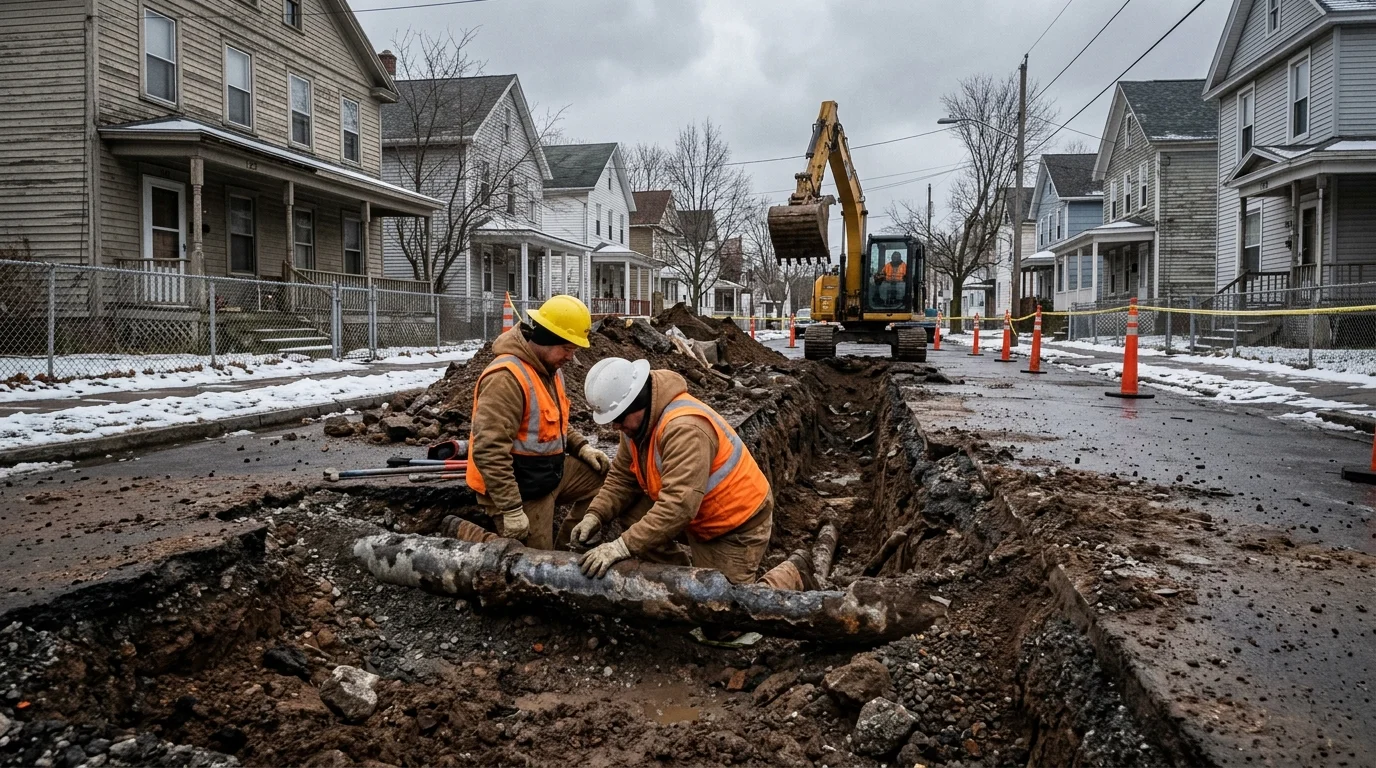
Sinlaku made landfall on April 10, 2026, as a Category 5-equivalent storm with sustained winds of 285 km/h. It caused more than $458 million in damages. COTA activated for 42 days and completed over 1,400 emergency transports, including more than 900 medical trips for residents who had no other way to reach care. When the activation ended, many bus stops simply did not exist anymore. The storm had stripped away the signage and shelters that told riders where to wait.
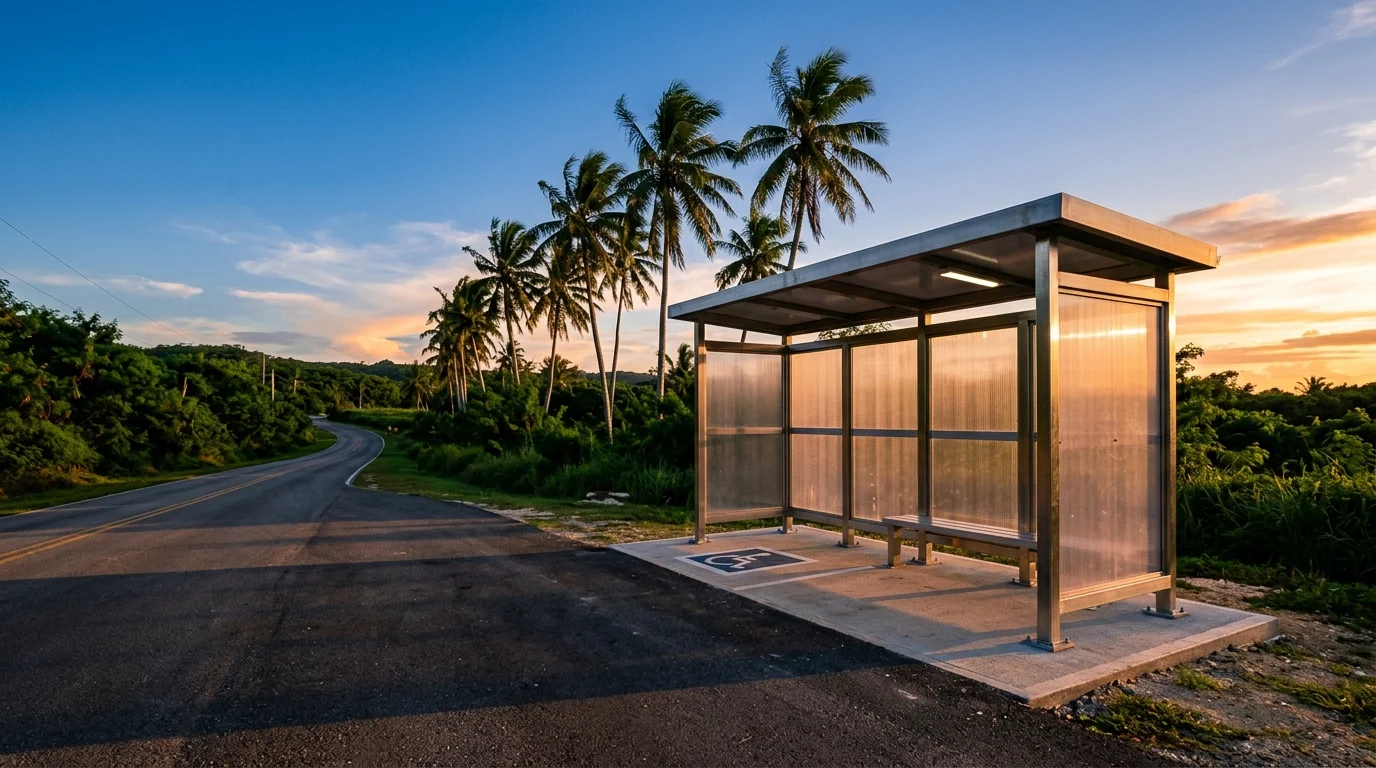
That backdrop makes the timing of the August grants legible. On August 13, 2026, the Federal Transit Administration obligated a $4.5 million Community Project Funding earmark secured by CNMI Delegate Gregorio 'Kilili' Sablan under the Consolidated Appropriations Act of 2023. The CNMI governor's office announced it as part of a larger $8.4 million earmark package Delegate Sablan had submitted to the House Transportation and Infrastructure Committee as Member-Designated Transportation Projects. That $4.5 million is earmarked for one specific purpose: the procurement and installation of 187 prefabricated, ADA-compliant bus shelters across Saipan's fixed routes, with a project window running through December 2028.
Source: NationGraph.
The following day, August 14, the FTA obligated a separate $2.867 million under its Section 5311 Formula Grants for Rural Areas program. Section 5311 is a recurring formula-based apportionment governed by 49 U.S.C. § 5311, and it serves a fundamentally different function than the earmark: this money covers FY2026 salaries, administration, and ongoing capital activities through December 2027. The two grants arrived one day apart, but they were appropriated through different mechanisms and serve distinct purposes. The earmark builds capital infrastructure; the formula grant keeps the agency running.
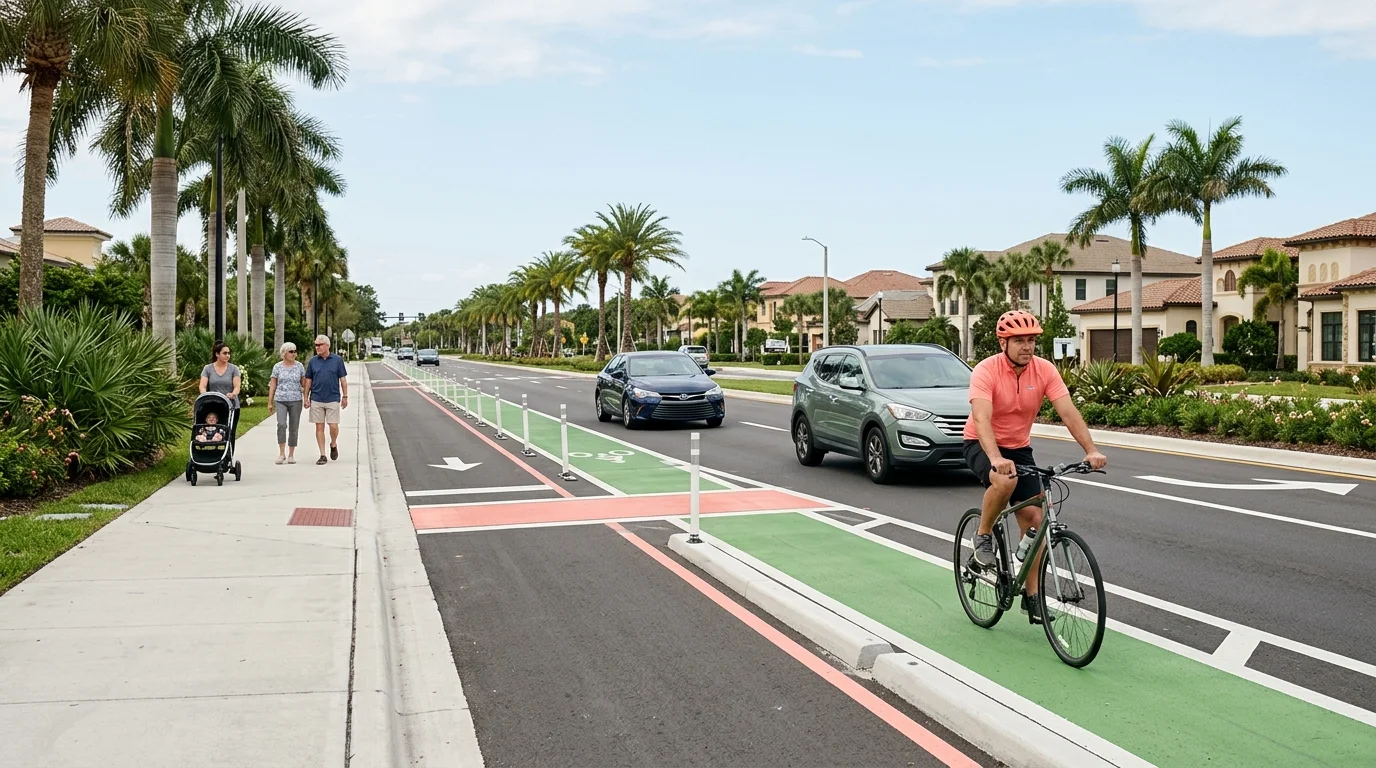
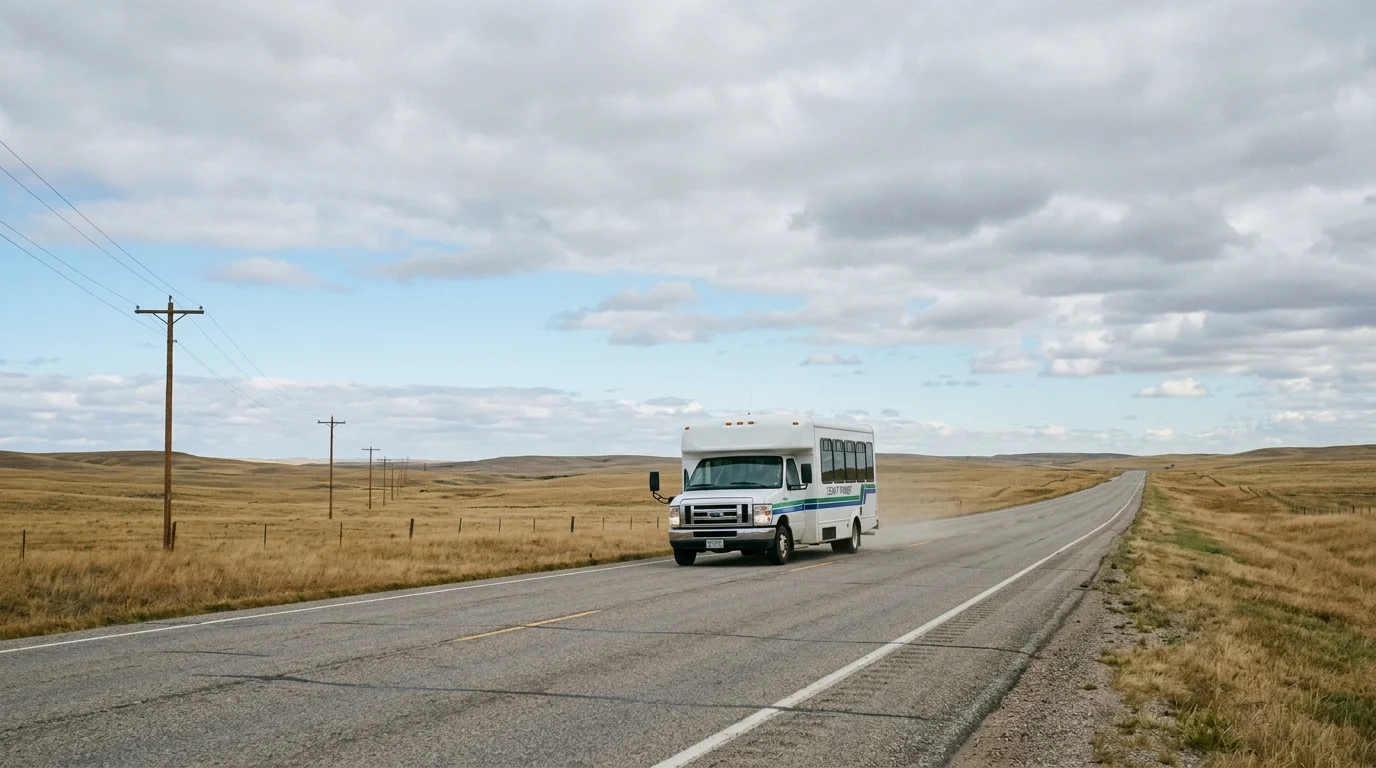
Together, they represent the largest single-quarter transit investment the territory has seen in years. COTA's quarterly grant history is not a smooth upward line, it is lumpy, driven by the irregular cadence of congressional earmarks and federal obligation cycles. The agency went years between substantial capital infusions. The August 2026 obligations land at a moment when COTA is simultaneously doing more than it ever has: on August 28, just two weeks after the grants were obligated, COTA announced the launch of its new Green Line serving northern Saipan, the first route expansion since the original Flame Tree Line was suspended in April 2020. The agency also filed its FY2027-2030 Territorial Transportation Improvement Plan in the same period.
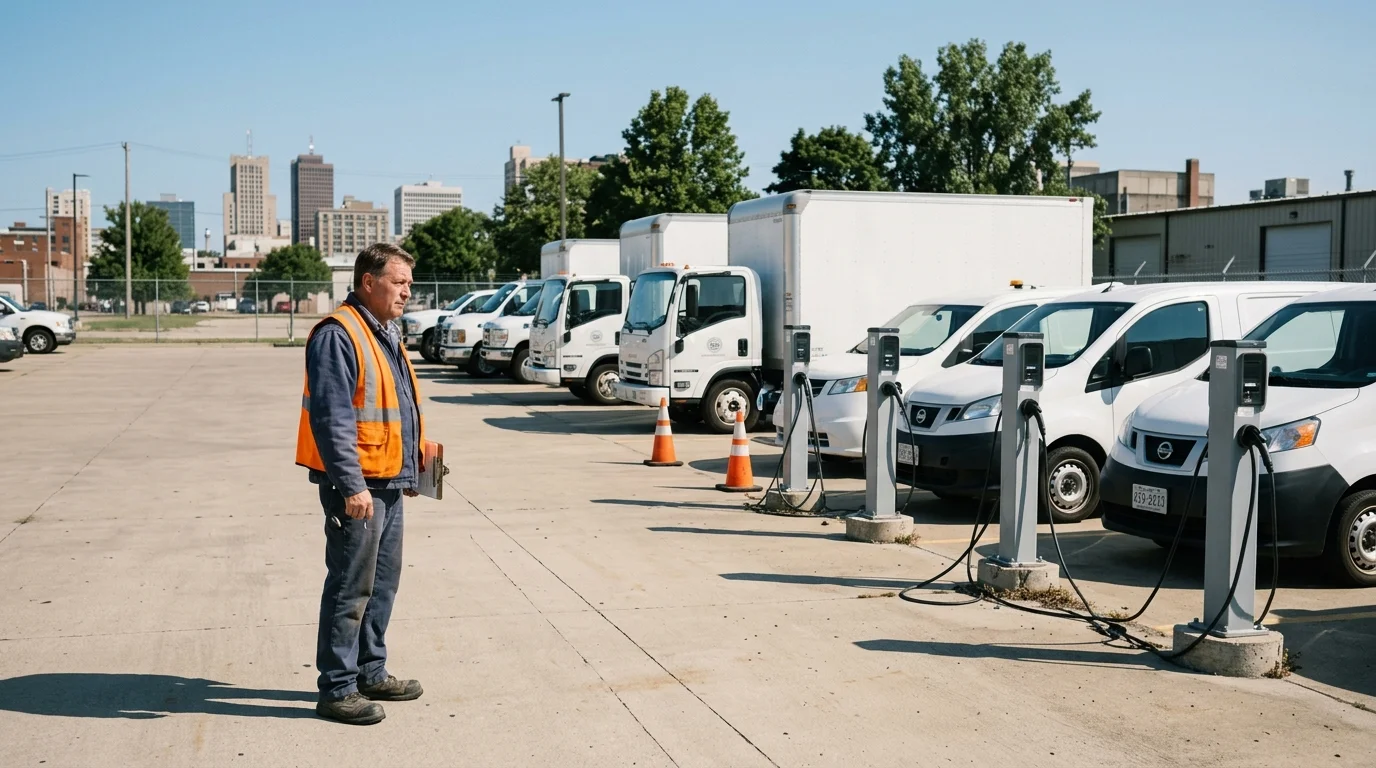
The procurement calendar tells the same story. COTA had already posted solicitations for seven 30-foot ADA battery-electric buses in February 2026 and six high-roof ADA-compliant transit vans in August 2026 before the federal dollars formally landed. The shelters, the electric buses, and the new route are all moving on overlapping timelines, a coordinated expansion, not a one-off repair.
For Saipan residents, particularly those without vehicles or who depend on COTA's paratransit services, the shelter project means something concrete: a place to wait that is visible, accessible, and physically present when the next storm comes. The CNMI sits in one of the most active typhoon corridors in the world. Sinlaku demonstrated in real time that a transit system with thin infrastructure becomes a life-safety system under stress, and then becomes harder to use precisely when demand is highest.
The open question is durability. The $4.5 million earmark runs through December 2028, and the Section 5311 formula grant runs through December 2027. COTA has an additional $2.485 million Section 5311 grant, started in May 2025, still active through September 2026. What happens when those windows close depends partly on whether Delegate Sablan can continue directing earmarks toward COTA capital needs, and partly on whether the agency's ridership growth, spurred by the Green Line and new vehicle procurement, produces the kind of utilization data that strengthens future formula apportionments. The FY2027-2030 Transportation Improvement Plan is the document to watch: it will signal whether COTA treats this moment as a floor or a ceiling.