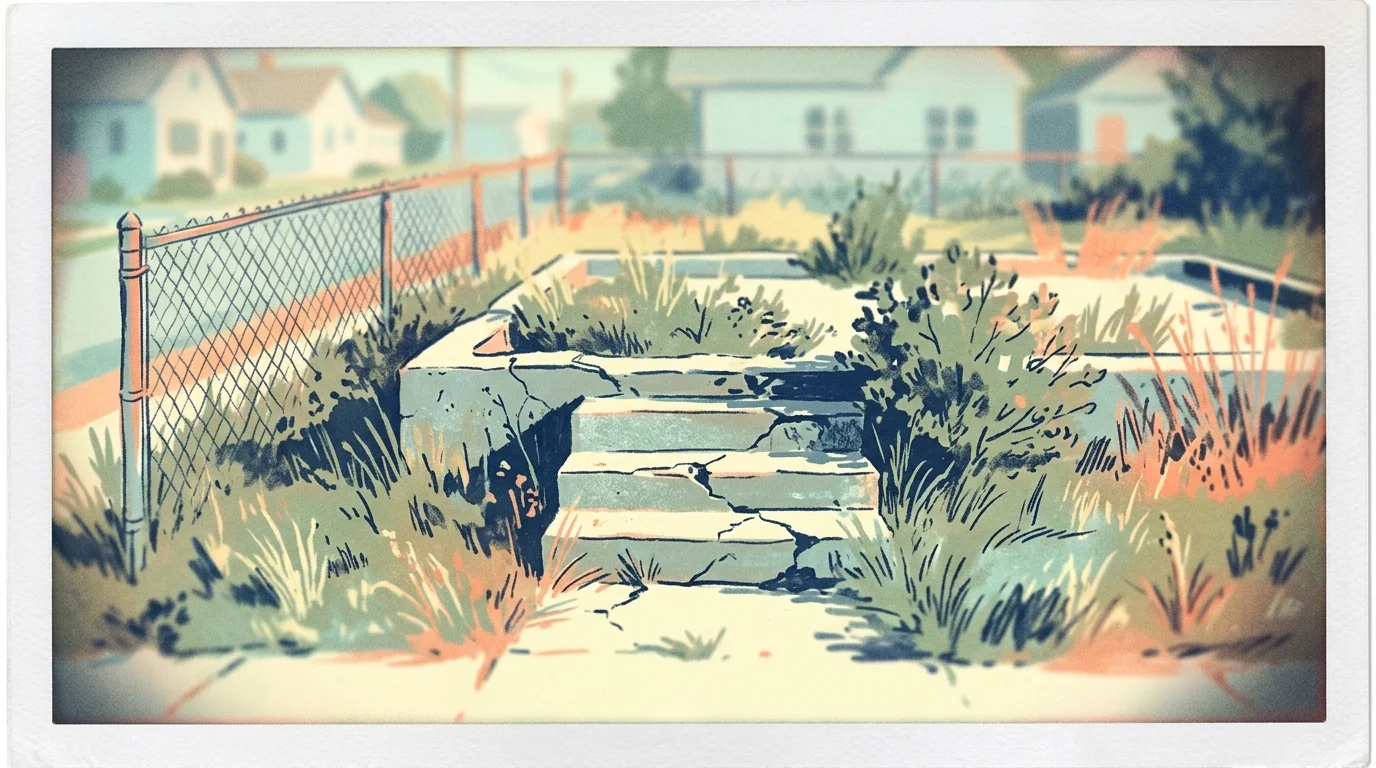
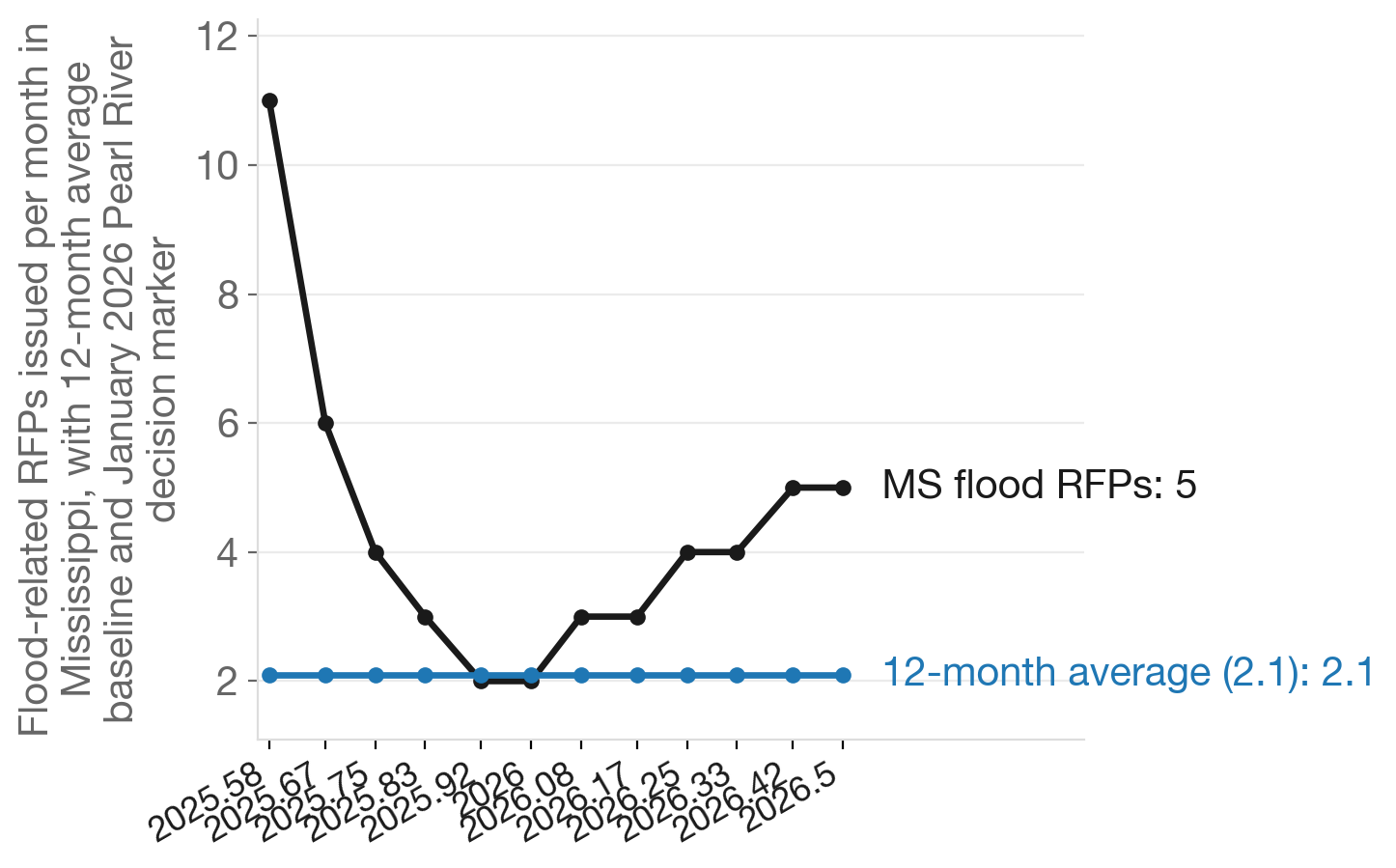
Mississippi issued five flood-related RFPs in the last 30 days, 2.4 times the state's 12-month average of roughly two per month, and four of them came from a single county sitting on the eastern bank of the Pearl River. That is not a coincidence.
On January 31, 2026, Army Corps Assistant Secretary Adam Telle signed a memo directing the Corps to implement the Pearl River Basin Flood Control Plan, a project that had been stuck in federal review for more than four decades. When the Rankin-Hinds Pearl River Flood and Drainage Control District announced the green light on February 26, it set off something closer to a procurement sprint than a deliberate ramp-up. Rankin County had to move fast: construction is targeted for late 2026 or early 2027, and federal cost-sharing requires locally commissioned engineering work before the first shovel turns.
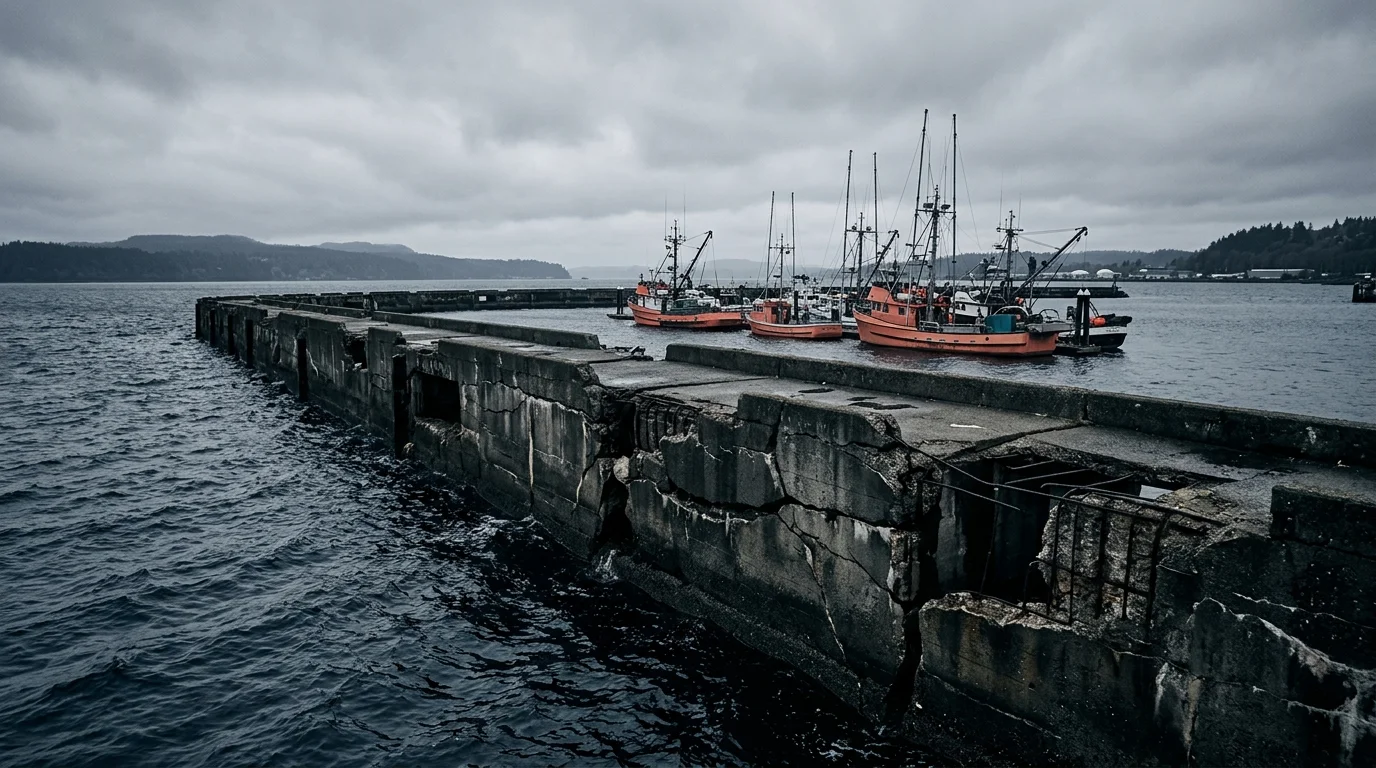
The project itself is substantial. The plan combines two Army Corps design alternatives and carries a total cost estimated at $450 million by the local flood district and closer to $918 million by the Corps. Some $221 million in Bipartisan Infrastructure Law dollars are already committed to construction. At full build, the project would protect more than 5,000 commercial and residential structures in the Jackson metro area that currently sit inside a recurring flood corridor, a corridor that has expanded as Rankin County's population grew toward 162,000 even while the levee system remained frozen in review.
Source: NationGraph.
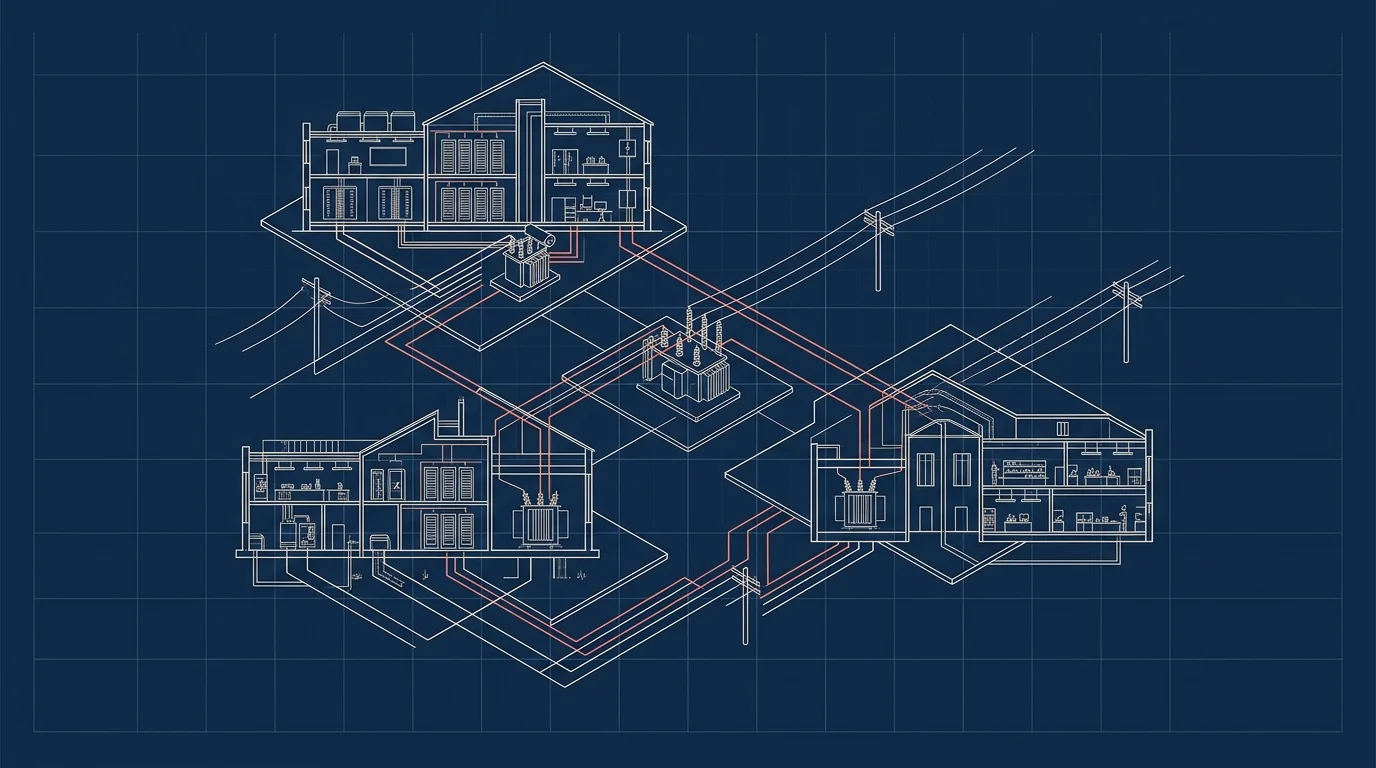
The four Rankin County RFPs cluster into two categories: engineering assessments for flood protection systems, and dike removal work at Grand Valley. Both are classic prerequisites for USACE partnership agreements and federal pre-disaster mitigation grants. Without the studies, there is nothing to submit. The procurement wave, in other words, is the sound of a jurisdiction that spent four decades waiting for federal permission finally spending its first approved dollars.
A second force arrived on top of the Pearl River news. FEMA declared a major disaster for Mississippi on July 2, 2026, covering a May 6-7 severe storm and flood event that affected Franklin, Lamar, Lawrence, Lincoln, and Wilkinson counties. That declaration unlocked USDA Emergency Watershed Protection funds, which have already flowed to the Tombigbee River Valley Water Management District and at least six other Mississippi jurisdictions since mid-2025, totaling more than $5 million in new awards.
Layered on top of both is the FEMA Building Resilient Infrastructure and Communities program. The agency opened a $1 billion national BRIC funding window on March 25, 2026, with applications due July 23, 2026. Jurisdictions that want to compete need engineering assessments in hand before the window closes. That deadline alone is enough to explain why counties across the state commissioned scoping studies in June and early July rather than waiting for fall.
The state's broader federal flood portfolio reflects how much ground Mississippi is now covering. Seventeen active federal flood grants total roughly $29 million, led by an $8.4 million USDA Watershed Protection award to the Mississippi Soil and Water Conservation Commission running through 2027, and a new $7.2 million USDA award to the same agency that started in March 2026. Those figures put Mississippi well ahead of its immediate neighbors in current flood procurement volume: five RFPs in the trailing 30 days versus four in Tennessee, two in Louisiana, and none in Alabama or Arkansas.
The time series behind the headline number tells the fuller story. Mississippi hit a local peak of 11 flood RFPs in July 2025, then dropped sharply through winter, consistent with a project still moving through federal approval. The re-acceleration now underway is not a seasonal blip. It matches the precise moment when the Pearl River project shifted from political announcement to pre-construction engineering, a phase that, according to the Army Corps timeline reported in March 2026, leads directly into construction contracting.
For residents in Rankin County and across the Jackson metro, what changes is the quality of the uncertainty. For 40 years the question was whether the project would happen at all. That question was answered January 31. The questions now are narrower and more tractable: which engineering firms win the assessment contracts, whether the BRIC application clears review, and whether the construction timeline holds through what is already an active storm season. The FEMA application deadline on July 23 is the next hard inflection point. If Mississippi's BRIC submissions move forward, another round of procurement will follow, likely before the end of the calendar year.