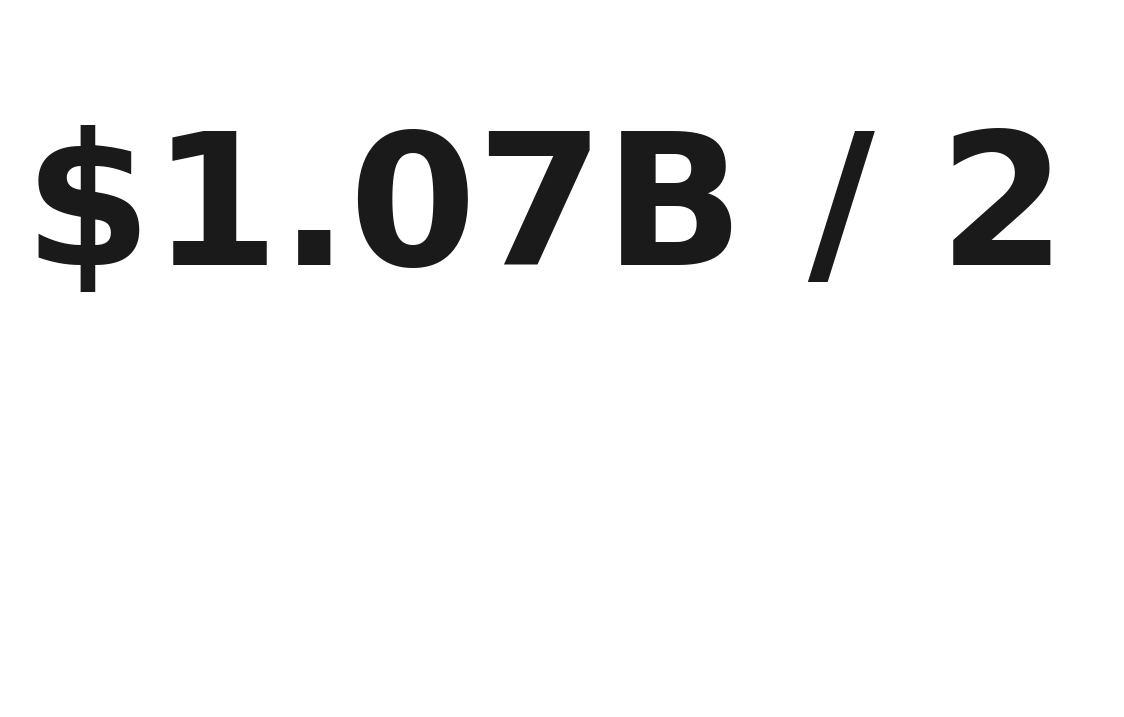
Hawaii has received more than $1.06 billion in federal disaster grants since the March 2026 Kona Low floods, with $591 million already disbursed to the state. New flood-channel procurement solicitations in the state over the last 30 days: two.
That gap between money flowing and contracts forming is the clearest signal yet that Hawaii's flood-control machinery is moving far slower than the dollars arriving to fund it, and the next Kona Low season is not waiting.
The March storms were extraordinary by any measure. Two Kona Low systems struck within days of each other, beginning March 10 and running through March 24, hitting ground already saturated from earlier rainfall. According to data compiled from the event, peak accumulation reached 44.37 inches over five days on Maui, 166 Flash Flood Warnings were issued statewide, and 19,190 properties were damaged across five islands. Three reservoirs reached elevated alert levels, and 5,500 residents near Wahiawā Dam were evacuated. Total damage exceeded $1 billion, the worst flooding in more than 20 years.
Source: NationGraph.
President Biden signed Major Disaster Declaration DR-4909-HI on April 7, 2026. FEMA affirmed Individual and Public Assistance eligibility for Honolulu, Hawaiʻi, and Maui counties on April 15. Since then, two separate FEMA Public Assistance grants to the Hawaii Department of Defense, $752.5 million across 160 transactions and $312.5 million across 43 transactions, have moved more than half a billion dollars into state accounts. An additional $21.1 million in individual assistance has reached 2,535 applicants under the same declaration.
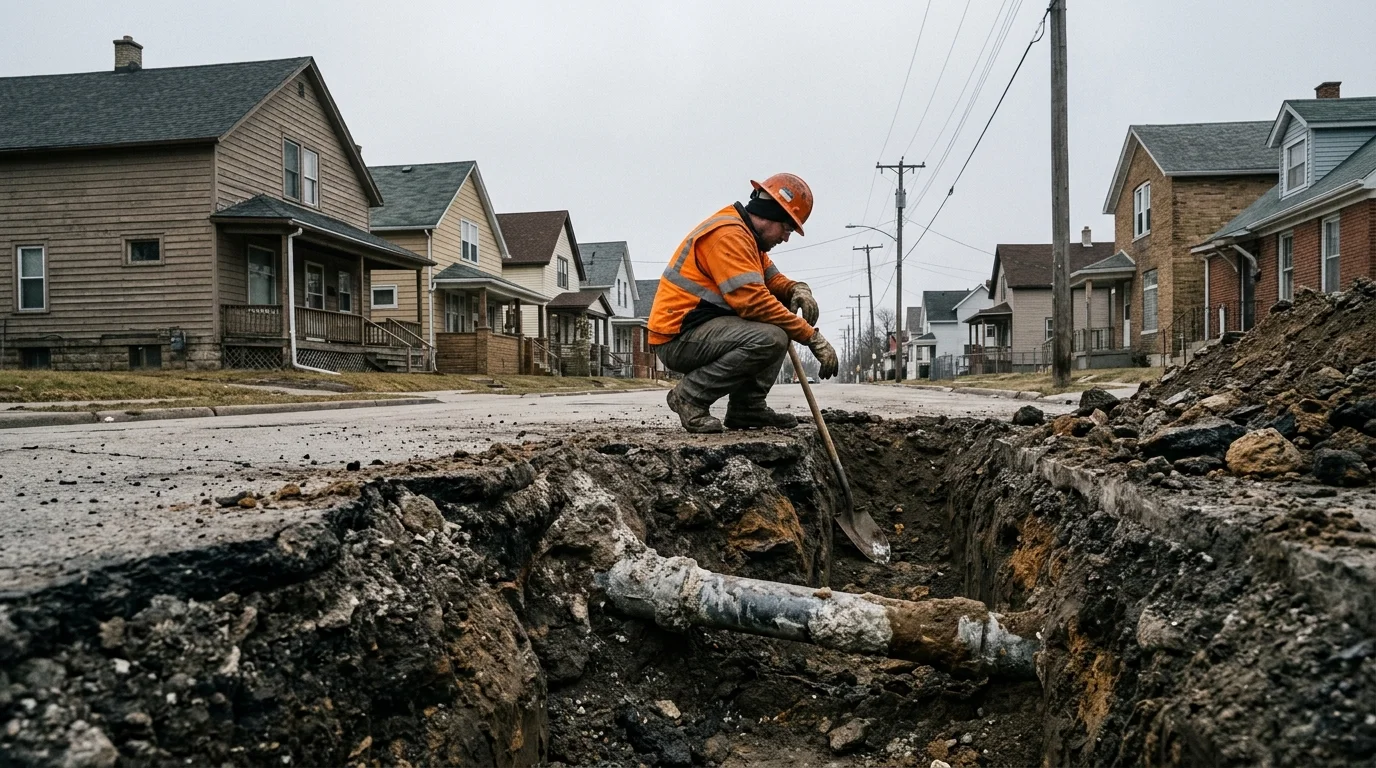
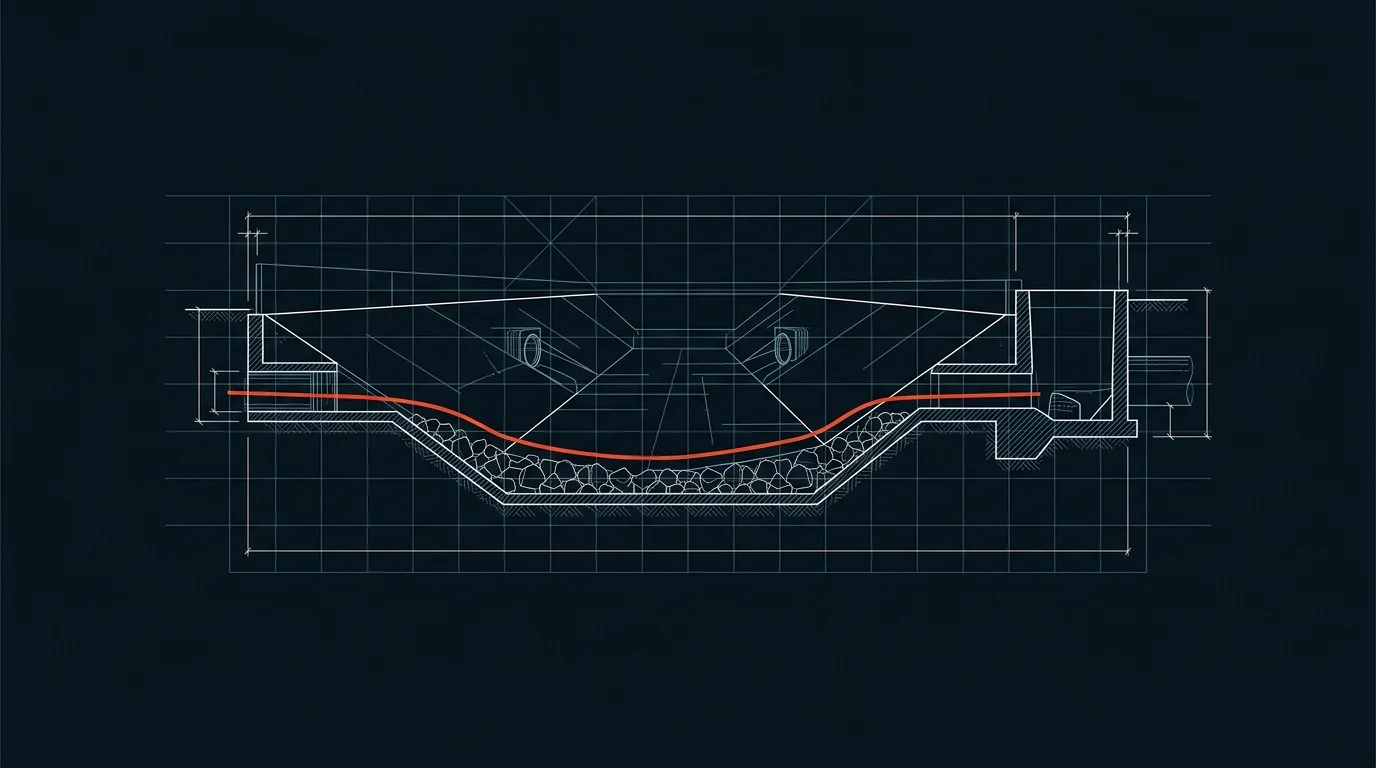
The procurement record, by contrast, is nearly bare. The only two substantive new flood-control actions that have emerged from Hawaii's procurement system since the storms are the Department of Hawaiian Home Lands' Nānākuli Flood Channel Outlet Repair (IFB-26-HHL-010, issued September 2026) and the Office of Hawaiian Affairs' Malama Honua Disaster Fund, a separate state competitive program launched in June 2026 that provides $10,000 repair grants to eligible Native Hawaiian homeowners who sustained minor damage in the March floods. These are distinct programs with different purposes and different funding mechanisms; neither is a FEMA Public Assistance project.
Maui County is the sharpest case of the disconnect. Maui was a primary declared disaster county, absorbed some of the worst rainfall totals the islands have recorded in decades, and sits at the center of the federal recovery. Its flood-related bids appearing in the procurement database carry due dates of 2018 and 2023. No fresh channel infrastructure solicitations have come from Maui in the months since the storms.
Part of the delay is structural. FEMA Public Assistance flows through the Hawaii Department of Defense under state civil defense authority, which routes reimbursement dollars rather than issuing direct construction contracts. FEMA's own disaster page for DR-4909-HI reflects only $197,625 in formally obligated Public Assistance grants, because the larger awards to the Department of Defense appear under separate DHS grant accounts, a bookkeeping feature that makes the true scale of federal investment difficult to track from the outside and may contribute to public underestimation of the urgency to spend.
August's Amendment 2 to DR-4909 expanded Public Assistance eligibility to cover public parks and recreational facilities in Honolulu and Maui counties, a sign that FEMA and state assessors are still cataloguing the full damage scope more than four months after the declaration. Ongoing assessment is normal after large disasters, but it also delays the scoping work that precedes procurement.
The underlying vulnerability that the March storms exposed has not changed. Cotality's hazard analysis found that approximately 62% of residential properties in the affected areas sit with first-floor heights between one and 1.5 feet above grade, structurally ill-suited to even modest flood depths. Hawaii's drainage and channel infrastructure was largely engineered for trade-wind rainfall patterns, not the episodic, high-intensity deluges that Kona Low systems produce. Climatologists have noted that events of this type may become less rare, not more.
For residents of affected counties, the practical question now is whether the reimbursement machinery can translate into actual hardened infrastructure before the next event arrives. Kona Low season does not follow a fixed calendar, but the atmospheric conditions that produce these systems are most common between October and April. The DHHL's Nānākuli channel repair, which serves a low-lying Native Hawaiian homestead community on Oʻahu's leeward coast that flooded in March, is only now entering the bidding phase, more than six months after the damage occurred.
The next indicator worth watching is whether Maui County and the City and County of Honolulu issue channel repair and drainage improvement solicitations before the end of the calendar year. If new procurement actions don't materialize from the two largest declared-disaster jurisdictions by early 2027, the gap between federal commitment and physical flood-control investment will widen into another storm season.