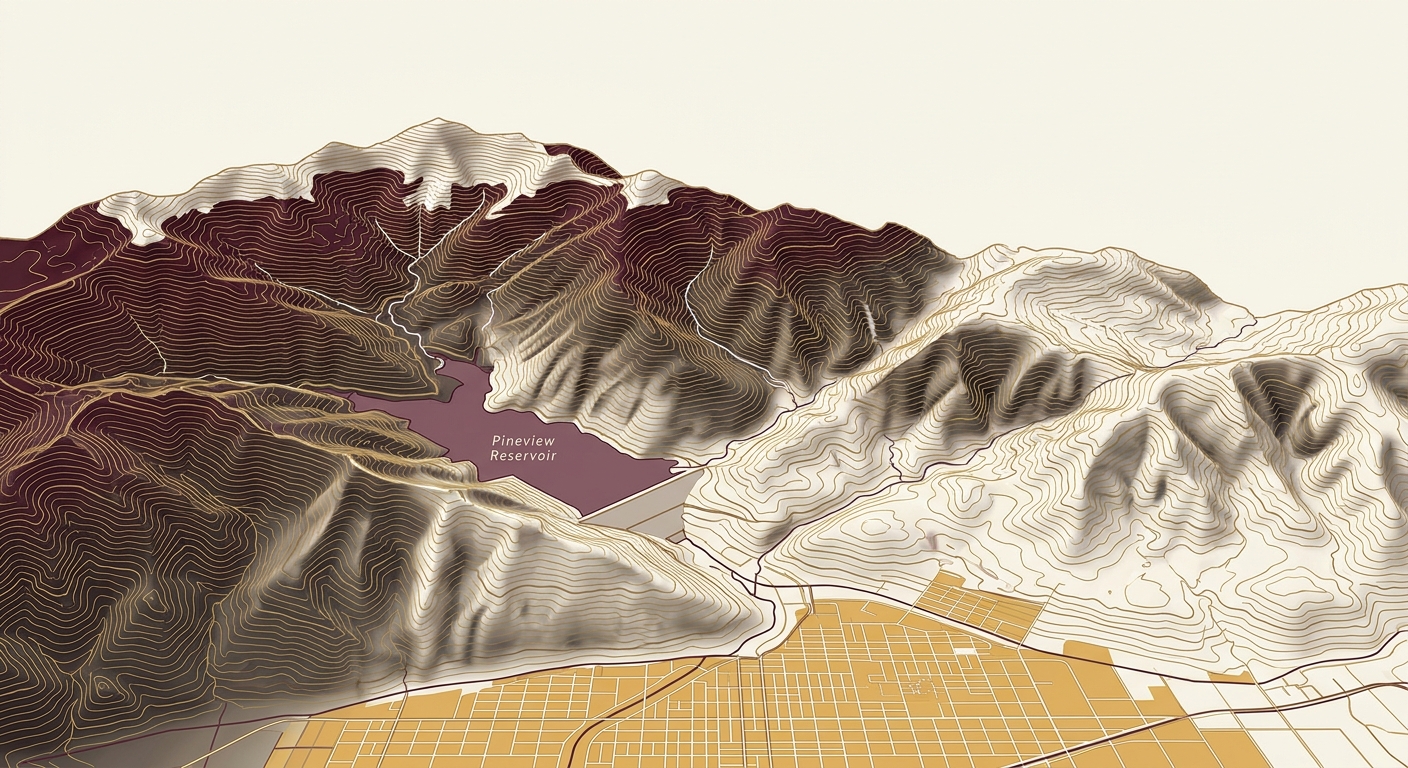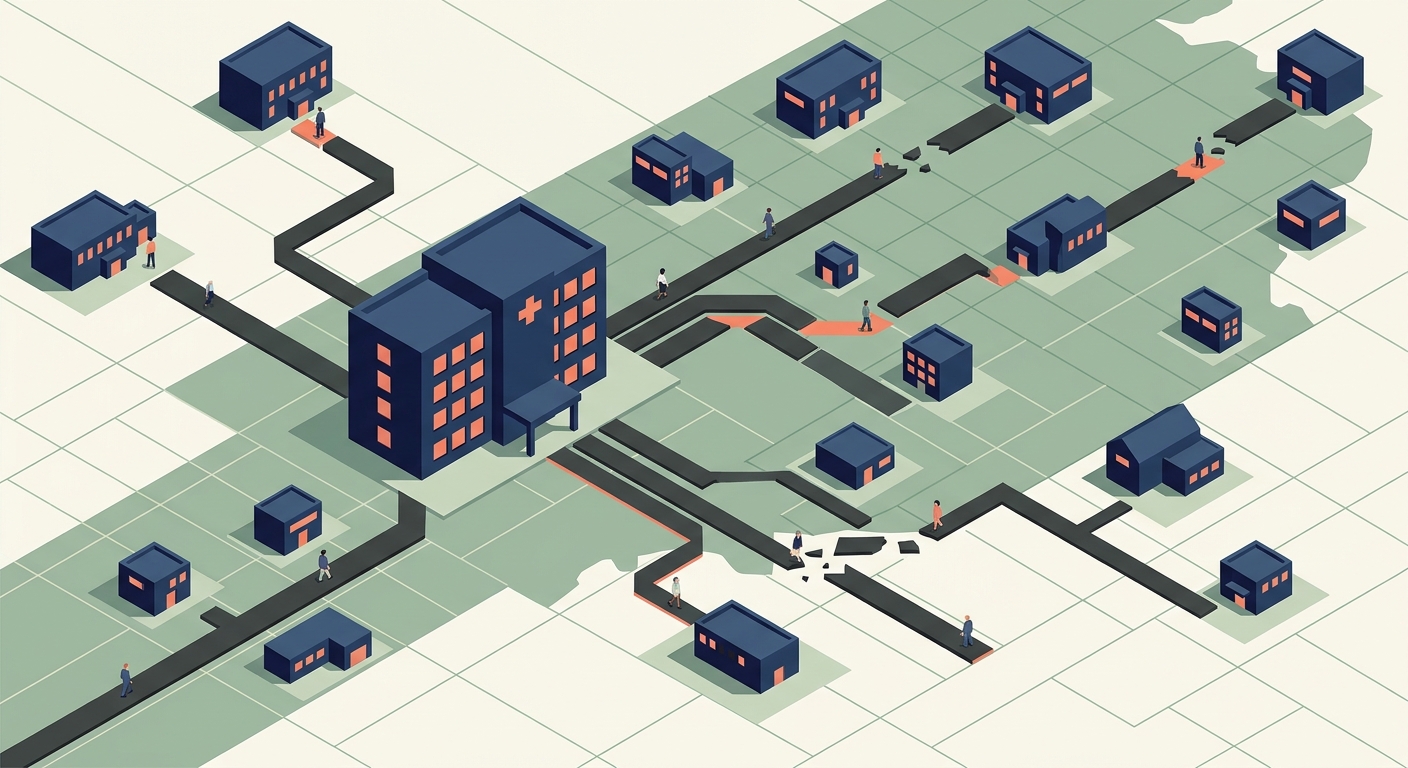
Connecticut has issued 11 flood-control procurement notices in the last 30 days, against a 12-month monthly average of 3.3, a 3.3x surge concentrated almost entirely in the two counties that bore the worst of the August 2024 storms. New Haven County accounts for five of those RFPs; Fairfield County accounts for three. The projects range from Oxford's Emergency Watershed Protection procurement to Fairfield's Rooster River Flood Mitigation Project to Stratford's residential structure elevation program. The water that triggered all of this fell nearly two years ago. The paperwork deadline is next week.
The driver is a collision of federal clocks. On July 14, 2026, FEMA announced a $600 million Swift Current funding opportunity targeting states with recent major disaster declarations, and Connecticut's September 2024 declaration (DR-4820-CT, covering Fairfield, New Haven, and Litchfield Counties) is the sole eligibility hook the state has. Separately, FEMA's FY2024 Flood Mitigation Assistance program, amended April 30, 2026, carries an application deadline of August 6. A third stream, Pre-Disaster Mitigation Congressionally Directed Spending covering more than $17 million for New England flood projects, had applications due July 22. Three programs, three deadlines, all stacked inside a 45-day window. That compression is what a slow-moving recovery bureaucracy looks like when it finally hits the street.
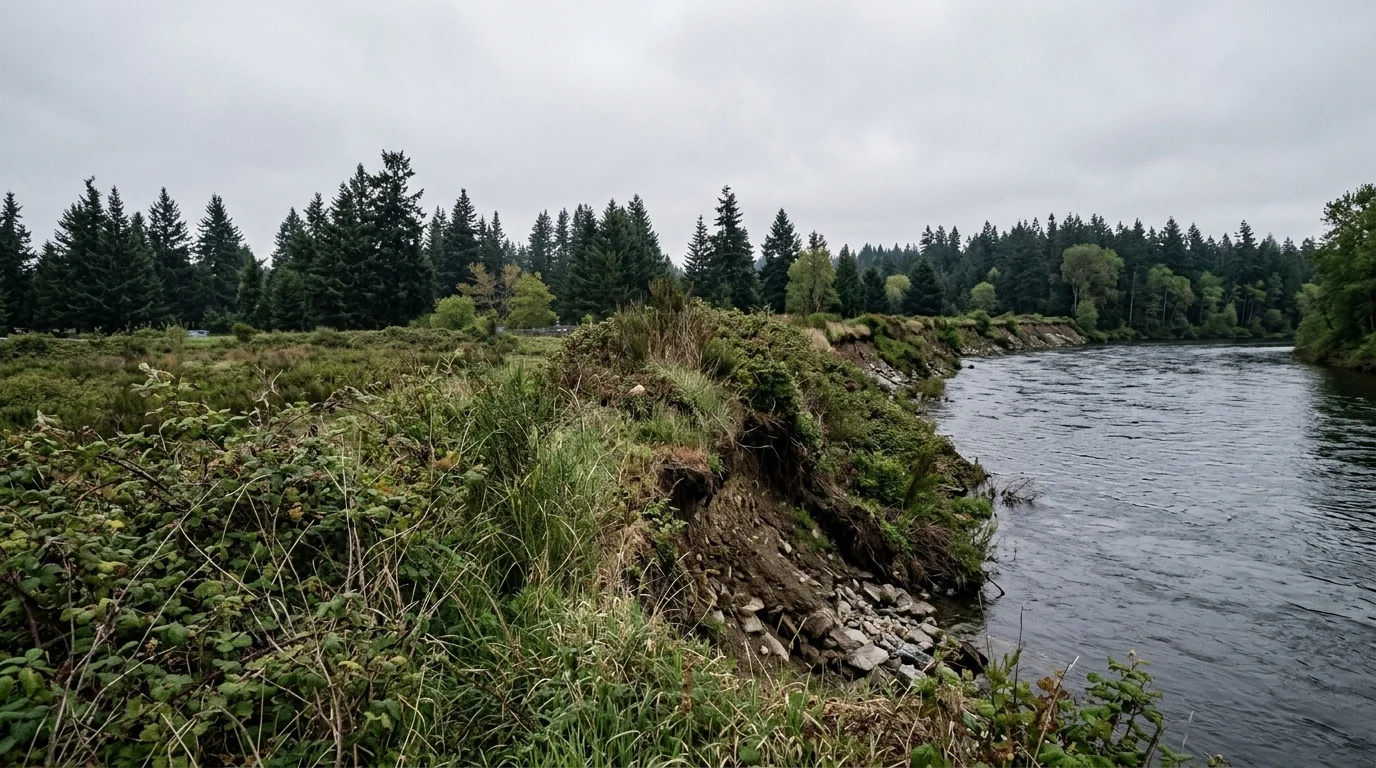
The August 18–19, 2024 storms dropped up to 16 inches of rain in hours across western Connecticut, killed two people, and wiped out roads, rail lines, and bridges. Connecticut's congressional delegation called it a 1,000-year flood event and pushed hard for a federal disaster declaration, which the Biden administration approved in September 2024. What followed was the predictable machinery of federal disaster recovery: damage assessments, eligibility determinations, state planning cycles, and application preparation. None of that is visible to residents. The RFPs are.
The named projects illustrate the geography of the surge. Oxford, in New Haven County, is procuring engineering services for Emergency Watershed Protection work on stream channels scoured by the 2024 event. Madison is reissuing its Neck River Flood Water Diversion System rehabilitation, an update to an earlier solicitation, suggesting the planning phase is complete and construction contracting is imminent. Fairfield, one of the hardest-hit Fairfield County towns, is simultaneously advertising its Rooster River Flood Mitigation Project and a 2024 Master Flood Prevention and Climate Resilience Plan. These are not preliminary studies. They are the engineering and construction solicitations that follow completed studies, which means the towns that started planning in late 2024 are now ready to build.
The procurement surge is also acquiring a legislative dimension. New Britain's city council, meeting in July 2026, passed a resolution addressing its outmoded combined stormwater-sewage system and adopted new impervious-coverage zoning amendments, local code reform running parallel to the grant-driven engineering work. That pairing matters because FEMA mitigation grants increasingly reward applicants who can demonstrate local regulatory changes alongside capital investment. Municipalities that have already amended their zoning are better positioned to score grant applications.
The structural vulnerability underlying all of this is older than the 2024 storms. Western Connecticut's industrial cities were built around river corridors, the Housatonic, the Naugatuck, the Mill, with combined sewer-stormwater systems designed for storm intensities that climate science now describes as routine. Long Island Sound exposure adds coastal surge to the inland rainfall problem. The August 2024 event exposed how little margin those systems carry. The FEMA Swift Current program is explicitly designed to move faster than standard mitigation grants for exactly this kind of post-disaster window, but "faster" in federal terms still means nearly two years elapsed between the flood and the first construction RFPs.
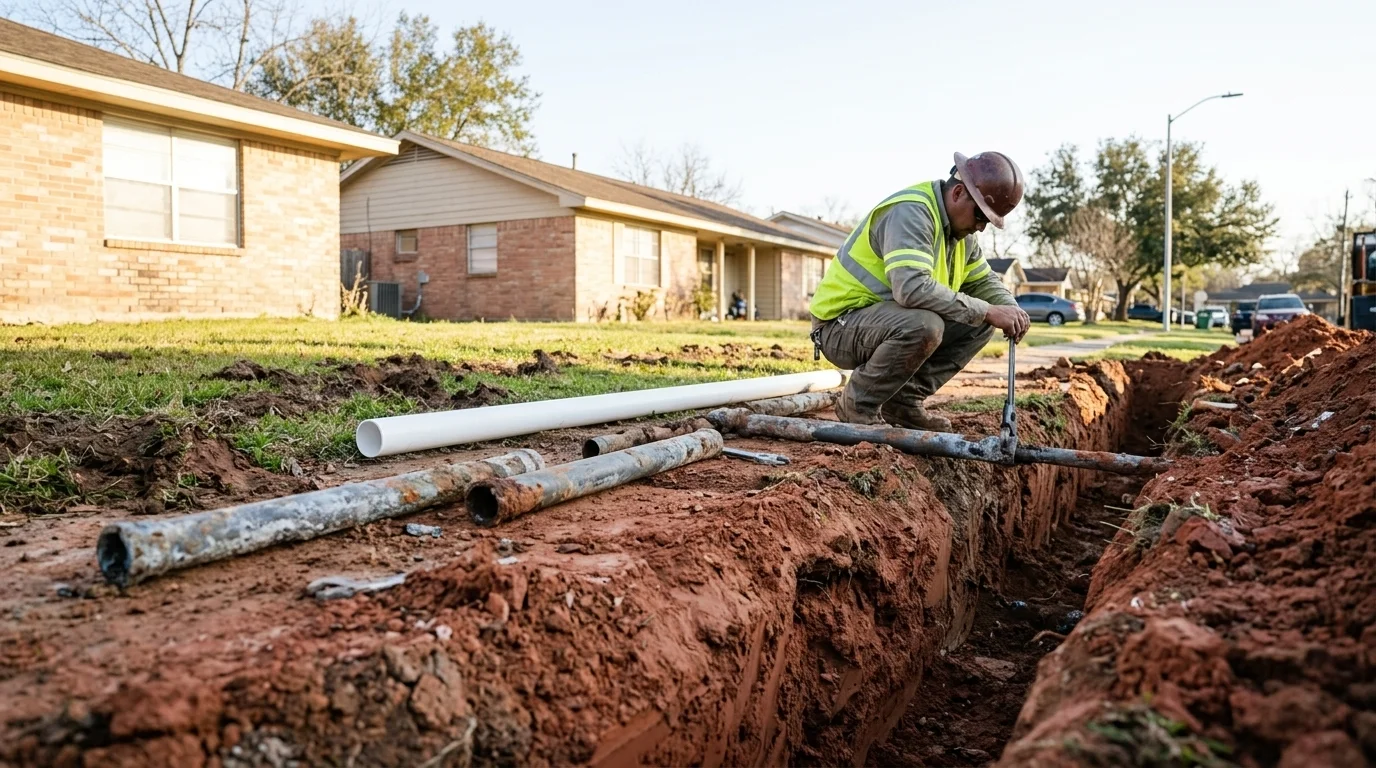
For residents in Fairfield and New Haven Counties, the practical meaning of this procurement sprint is that visible construction on flood-control infrastructure, channel work, elevation projects, diversion systems, should begin to appear within the next 12 to 18 months if the grant applications succeed. The RFPs being issued now are the contracting vehicles that allow towns to move immediately once awards are announced, rather than spending another six months procuring after the fact.
The open question is whether Connecticut's August 2024 declaration remains a viable eligibility hook through the full grant cycle. FEMA's Swift Current Notice of Funding Opportunity, published July 14, specifically targets states with flood disaster declarations issued after June 2025 as a priority tier, Connecticut's September 2024 declaration predates that window, making its eligibility contingent on how FEMA interprets the program rules for the earlier cohort. Towns now racing to submit applications by August 6 are betting the declaration holds. The answer will determine whether this month's procurement surge converts into funded construction, or into another planning cycle.