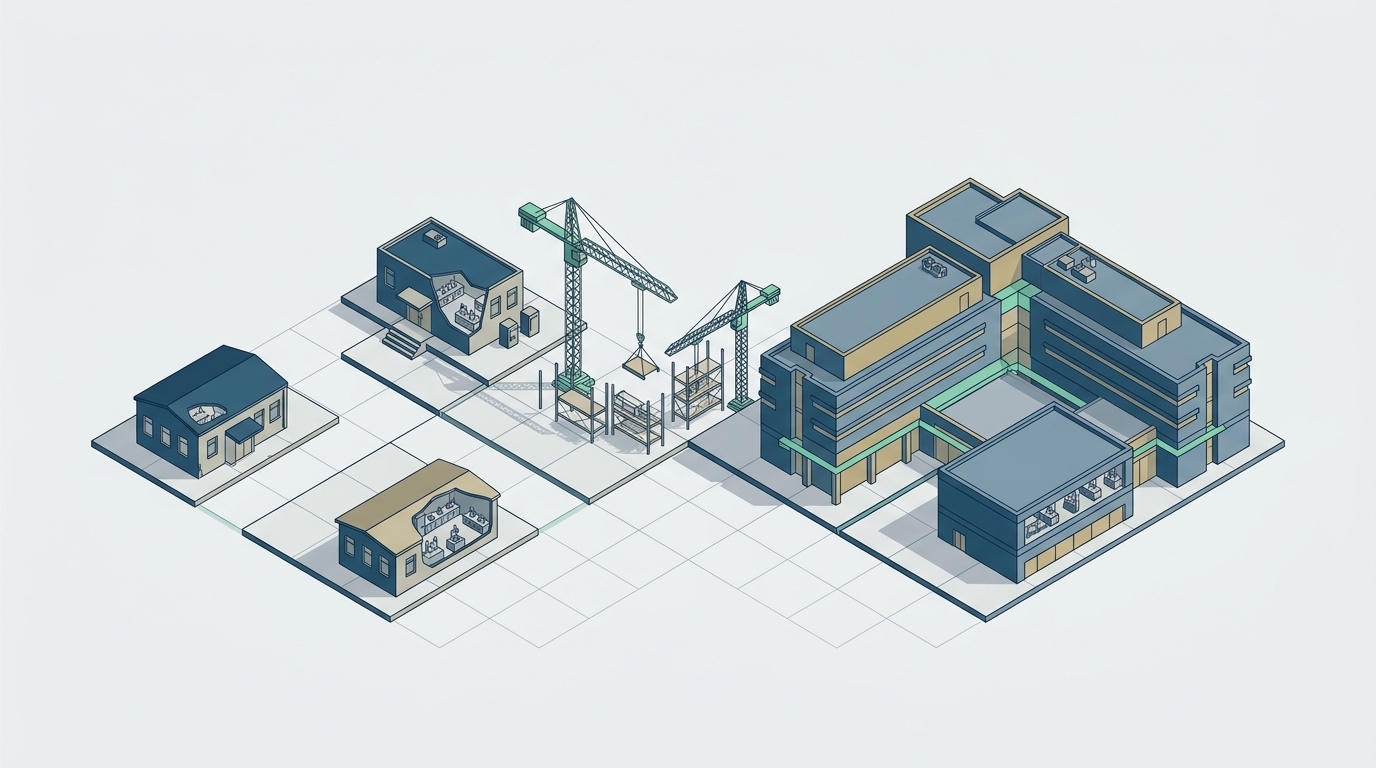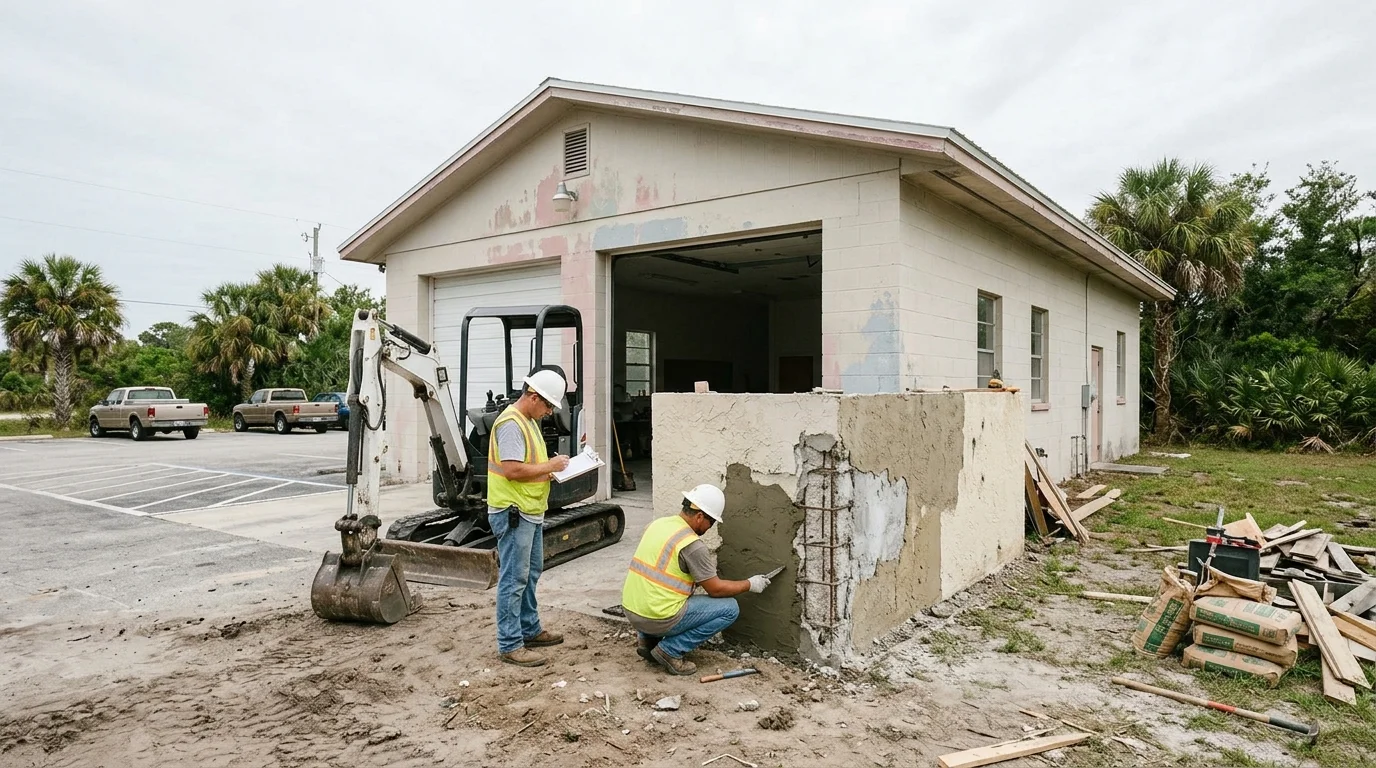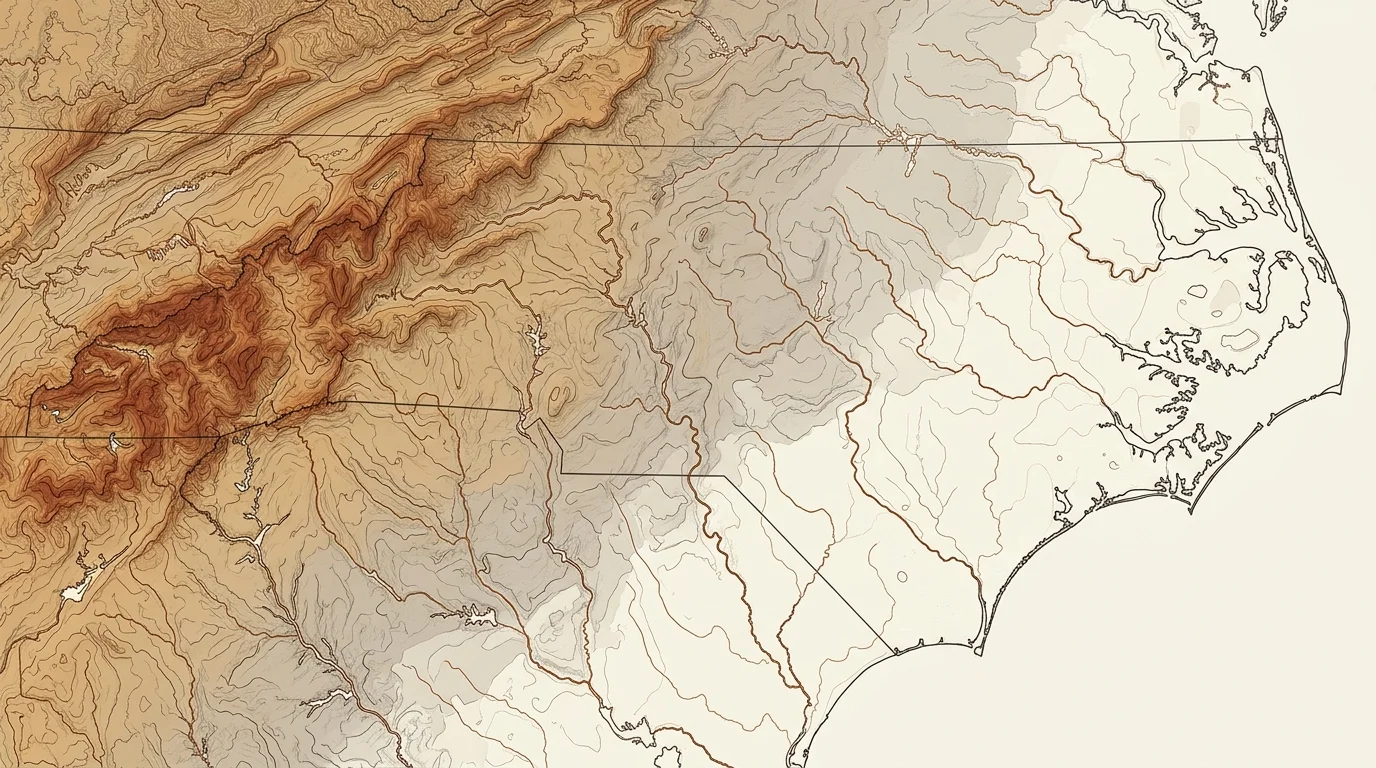
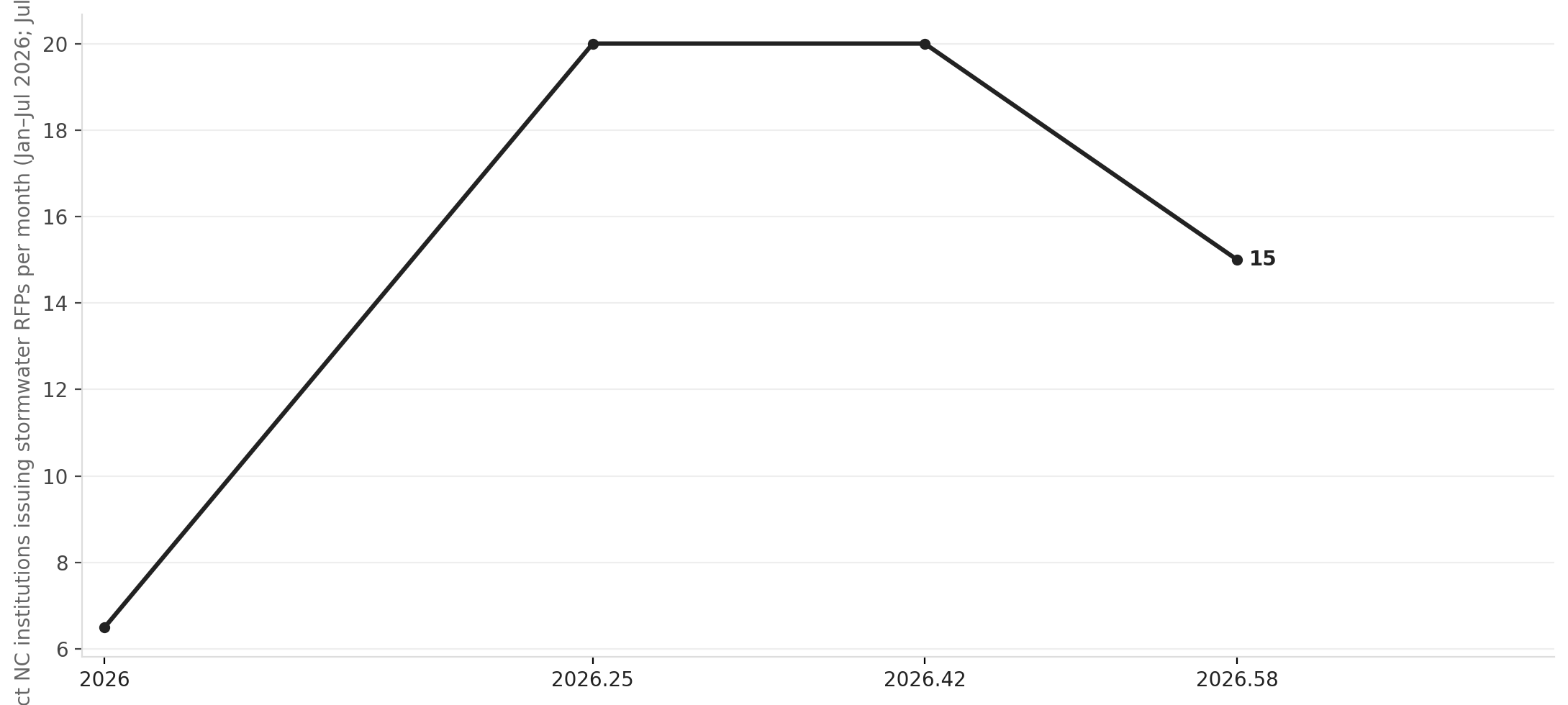
Fifteen North Carolina institutions issued stormwater management solicitations in July 2026 alone, more than double the six or seven active in January, and at least ten of them had not been in the market for over a year. The institutions span the full width of the state: a mountain airport, a coastal barrier island, a flagship university campus, and a community college in the Piedmont are all hiring engineers at the same moment.
Two forces converged in the same week to produce that result. On July 1, NC DEQ's six NPDES Industrial Stormwater General Permits expired and were immediately reissued, triggering mandatory compliance reviews and Stormwater Pollution Prevention Plan updates at more than 4,000 permitted facilities statewide. Sixteen days later, Governor Josh Stein traveled to Burnsville to announce that NC DEQ had crossed a billion dollars in water and resilience grants for Hurricane Helene recovery, funding 222 projects across 28 counties. Neither event alone would have been enough to move this many institutions at once. Together, they essentially forced the hand of every entity that had been deferring stormwater work.
The permit reset matters more broadly than it might appear. The 2026 NPDES general permit renewals imposed significant new requirements, including updated benchmark monitoring parameters and revised best management practice standards. Any facility operating under the old permit terms had until the reissuance date to assess whether its existing infrastructure still met the new thresholds. For institutions that had let stormwater capital planning slide, the July 1 date became an effective procurement deadline.
Source: NationGraph.
The Helene recovery money operates differently: it creates opportunity rather than obligation, but the effect on procurement timelines is nearly identical. The State Water Infrastructure Authority approved $244 million in awards to 28 counties on July 15, and opened a fall 2026 funding round on August 4 with applications due September 30. Institutions that want to compete for that next round need engineering scopes and cost estimates ready before the deadline, which means RFPs had to go out in July.
The geography of July's solicitations reflects both pressures at once. In the mountains, Asheville Regional Airport issued an RFP for its Northeast Drainage Outfall, a project Congressman Chuck Edwards flagged when he announced $1.9 million in FEMA funds specifically for Asheville stormwater repairs in June. In coastal Dare County, the Town of Nags Head went to market for a Bonnett Street stormwater pump station. Hyde County, encompassing the barrier island community of Ocracoke, issued two separate solicitations for stormwater master planning and engineering. These are not institutions that routinely run parallel stormwater procurements.
The university system adds another dimension. Both the UNC System office and UNC Chapel Hill appear in July's solicitation activity, with Chapel Hill specifically seeking remediation work at its Manning Steam Plant stormwater vault. Universities are among North Carolina's 122 MS4-permitted entities, meaning they operate under five-year NPDES permit cycles independent of the industrial general permits, but the broader compliance environment and the availability of grant-backed project budgets appear to be accelerating decisions that might otherwise have waited another budget cycle. Pitt County, Piedmont Community College, and the Town of Taylorsville round out the first-time issuers, spread across eastern, central-Piedmont, and western Appalachian foothills jurisdictions.
The funding pipeline behind all of this is still widening. The Renew NC Community Infrastructure Program, launched July 6 by the NC Department of Commerce, opened $55 million in HUD-backed grants to western NC local governments with applications closing September 8. Active EPA grants to NC DEQ include a $409 million Drinking Water SRF running through 2032 and a $44.5 million Clean Water SRF running through 2027. Governor Stein is separately seeking an additional $10 billion in federal Helene recovery funding, and more than $750 million in unmet water infrastructure needs remain identified but unfunded. The FY2026-27 state budget, signed by Stein in July, includes more than $700 million for Helene recovery across housing, infrastructure, and disaster relief.
For the engineering and environmental consulting firms that serve North Carolina institutions, the immediate question is capacity: the same permit deadline that activated 15 procurement processes in a single month is creating competing timelines across a large share of their client base. For residents, particularly in western counties still rebuilding from Helene's September 2024 flooding and coastal communities managing chronic storm surge exposure, the procurement wave is the visible leading edge of infrastructure investment that has been building since the storm.
The next signal to watch is the September 30 SWIA application deadline. How many of July's first-time issuers are able to get engineering scopes finalized and cost estimates submitted in time will determine whether the fall funding round produces a second procurement wave, or whether the pipeline begins to narrow as the most shovel-ready projects exhaust available grant capacity.