Port Arthur, Texas, a Gulf Coast city of roughly 55,000 that sits in the shadow of the largest oil refinery in North America, is moving to build the ground-level infrastructure needed to run electric buses: dedicated EV parking, shade canopies, and associated roadway work.
The city has posted a bid for construction of the facility, which covers three connected elements: a reconfigured bus parking area designed for in-place charging, protective canopies, and supporting roadwork. The project doesn't buy a single electric bus, but that's the point. Transit agencies across the country learned a hard lesson over the past few years when EV buses arrived at depots that weren't ready for them, leaving expensive new vehicles idle. Charging infrastructure, electrical upgrades, and structural canopies have to come first.
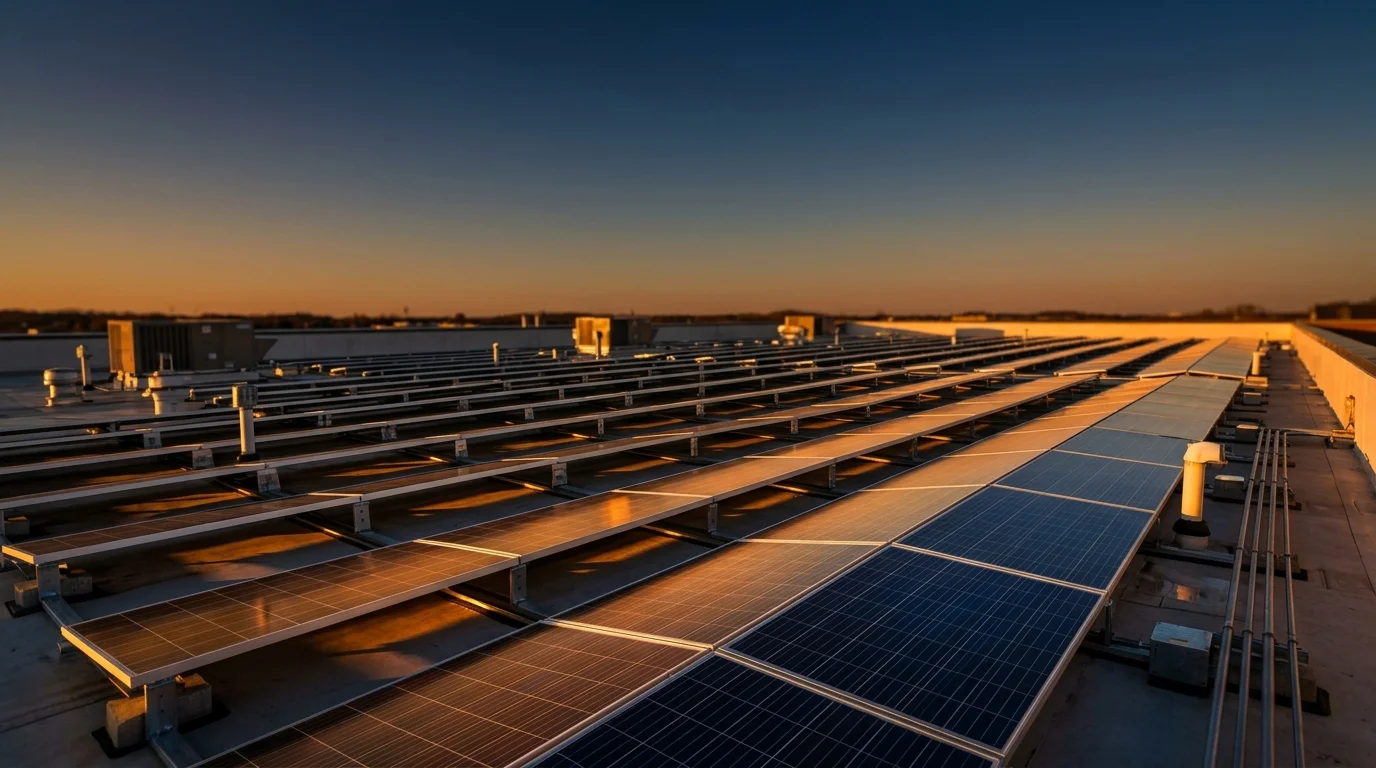
For Port Arthur specifically, the canopies aren't cosmetic. Southeast Texas summers regularly top 95°F, and sustained heat degrades lithium-ion battery range and lifespan. Shade structures protect the batteries that make the whole system work.
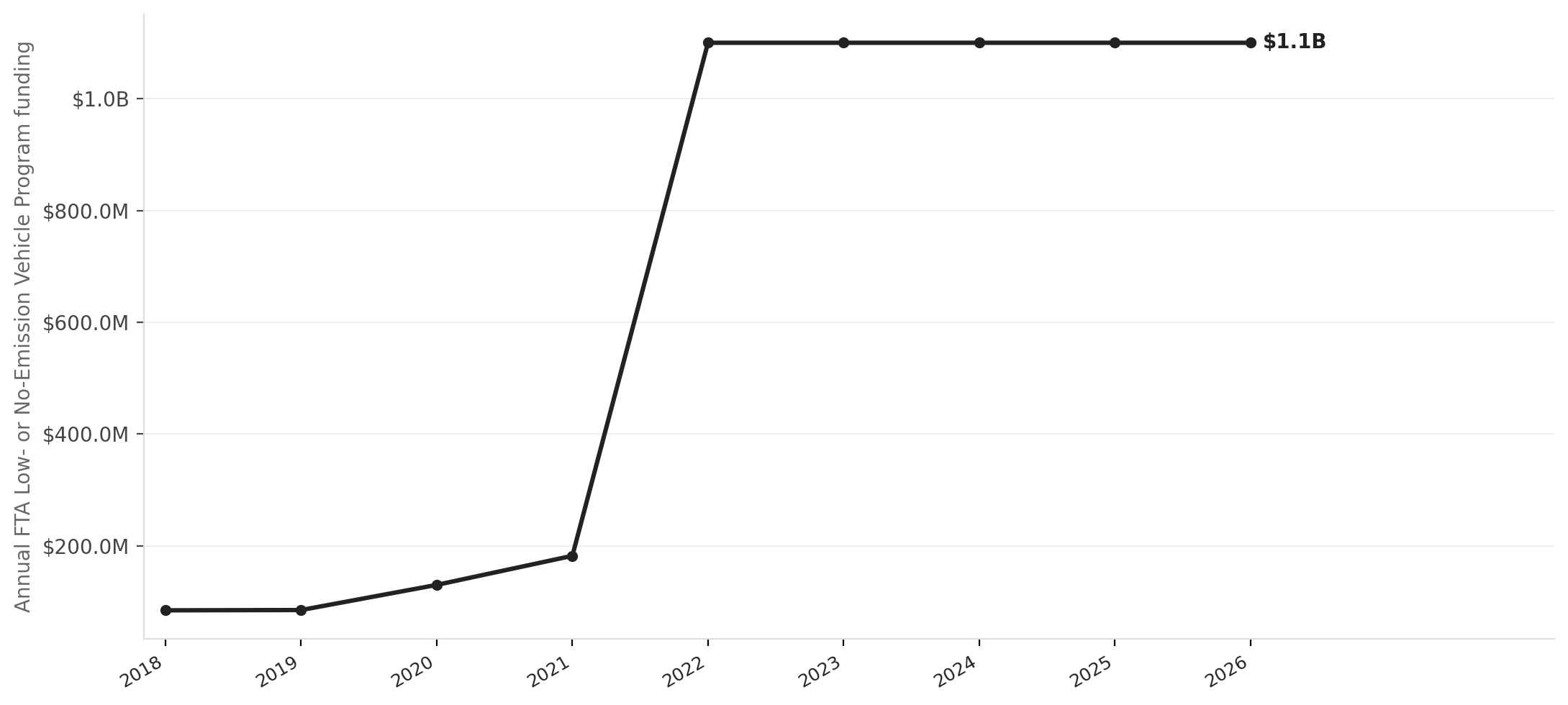
Source: NationGraph.
The stakes in Port Arthur carry weight beyond logistics. The city is majority-minority, with roughly 40 percent of residents Black and 32 percent Hispanic, and a poverty rate around 25 percent. Residents live alongside the Motiva refinery and major facilities for Valero, BASF, and TotalEnergies, and elevated rates of respiratory illness have made Port Arthur a recurring focus of environmental justice advocacy. Electrifying even a small municipal bus fleet carries real meaning in that context.
The broader funding landscape makes a move like this possible. The 2021 Bipartisan Infrastructure Law dramatically expanded the Federal Transit Administration's Low- or No-Emission Vehicle program to roughly $1.1 billion annually, and the 2022 Inflation Reduction Act added further incentives. Texas has been a slower adopter of electric transit than California or the Northeast, but Port Arthur's progress fits a national pattern where smaller cities are now building the depot infrastructure that precedes vehicle procurement.
Port Arthur has been rebuilding public infrastructure steadily since Hurricane Harvey in 2017 and Tropical Storm Imelda in 2019, with federal disaster funds helping cover major projects. The transit system's electrification push is part of that longer arc of recovery and reinvestment, which has also included a new fire station now under construction.
Once the construction contract is awarded, the finished facilities would position Port Arthur Transit to pursue FTA grant funding for electric vehicles themselves, likely requiring a local match alongside the federal share.