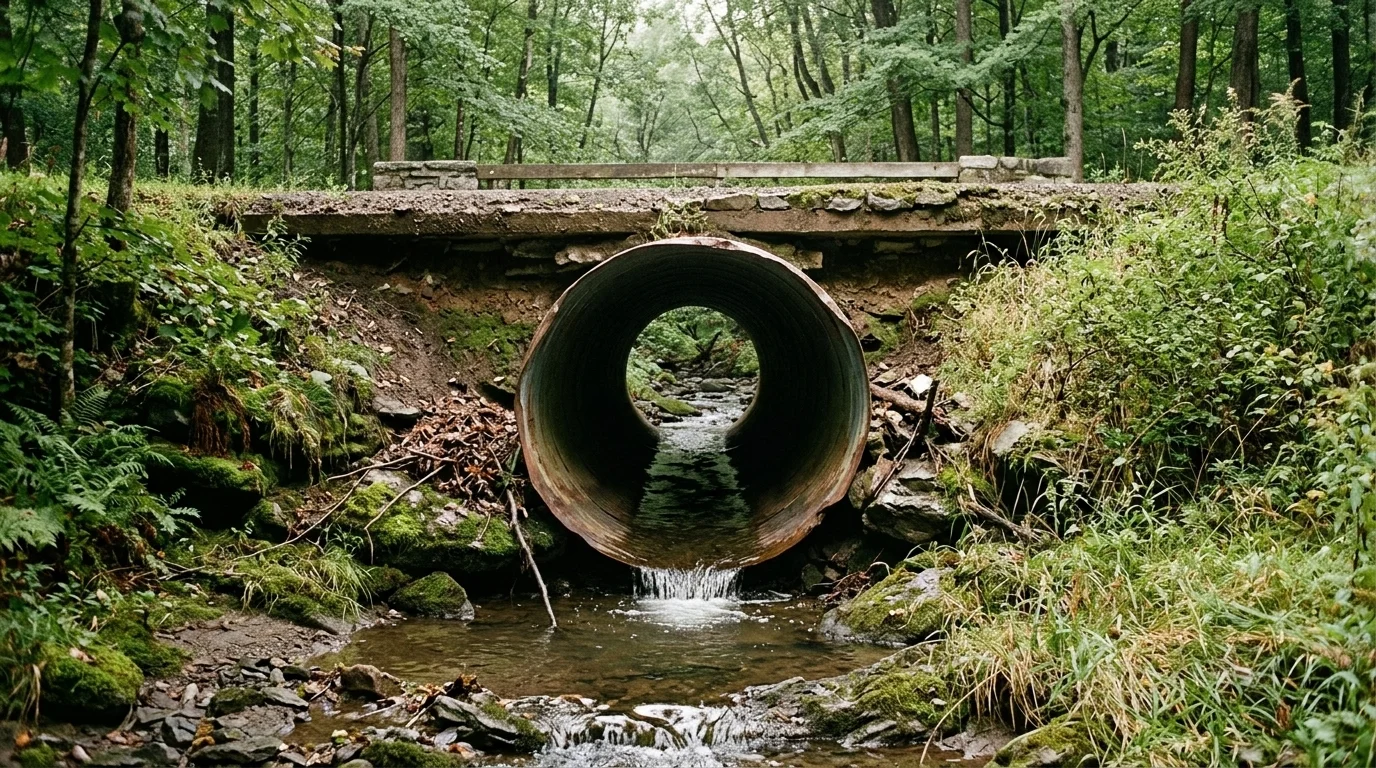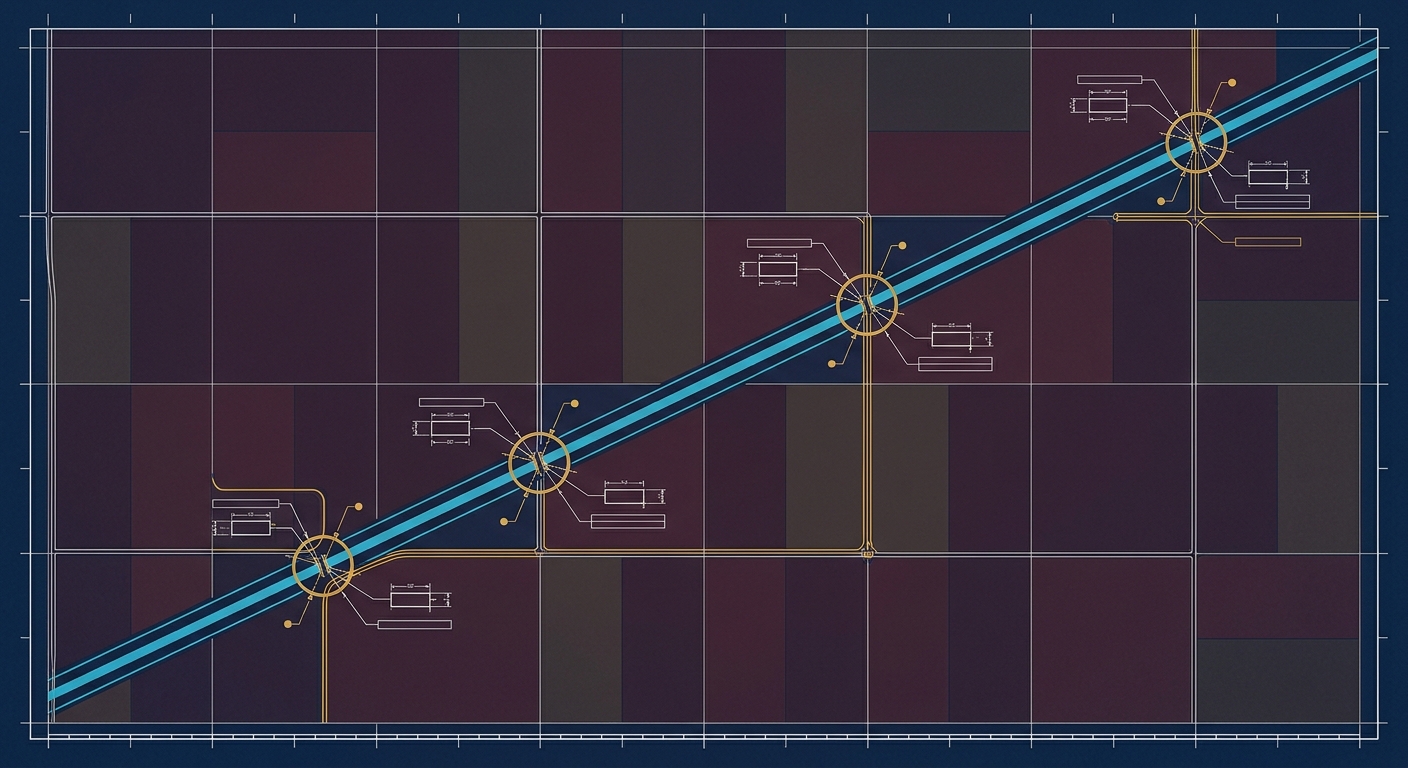
Four deteriorating bridges crossing the Loup Canal in Platte County, Nebraska are getting replaced, funded by nearly $12 million in federal dollars that the state has secured as it works through one of the worst bridge backlogs in the country.
The Nebraska Department of Transportation received $11,948,742 through the federal Bridge Investment Program to remove and replace all four structures. The canal itself dates to the 1930s, a public works-era hydroelectric and irrigation system stretching roughly 35 miles from near Genoa to Columbus. The bridges crossing it likely date to around the same era or not long after, and by now the math on repairs versus full replacement has tipped decisively toward replacement.
For a county of about 34,000 people built around agriculture, manufacturing, and food processing, these aren't marginal crossings. The Loup Canal bisects Platte County, and the bridges over it carry farm equipment to fields, freight to markets, and residents to jobs and services in Columbus, the regional hub of about 24,000 people. When rural bridges fail or close, detours in this part of Nebraska can be long.
The project reflects a broader problem Nebraska has been racing to address. The state has roughly 15,300 bridges, among the highest per capita in the nation, a consequence of its dense network of rivers and streams crossing flat agricultural land. More than 1,100 of those bridges have been classified as structurally deficient. State highway revenues alone can't close that gap, so NDOT has aggressively pursued federal discretionary grants under the 2021 Bipartisan Infrastructure Law, which set aside $12.5 billion over five years specifically for bridge work nationwide.
Bundling all four Loup Canal bridges into a single project was a deliberate strategy: it reduces the cost of mobilizing equipment and crews, allows traffic to be rerouted in a coordinated way, and made for a stronger funding application than four separate requests would have.
Design and procurement details have not been publicly announced, but with the grant now in place, the project moves into the planning and contracting phase.