Fremont, California is moving to fill one of the South Bay's most stubborn missing links in the San Francisco Bay Trail, hiring contractors to build a new path along Marshland Road that would stitch together a continuous waterfront route for cyclists and pedestrians.
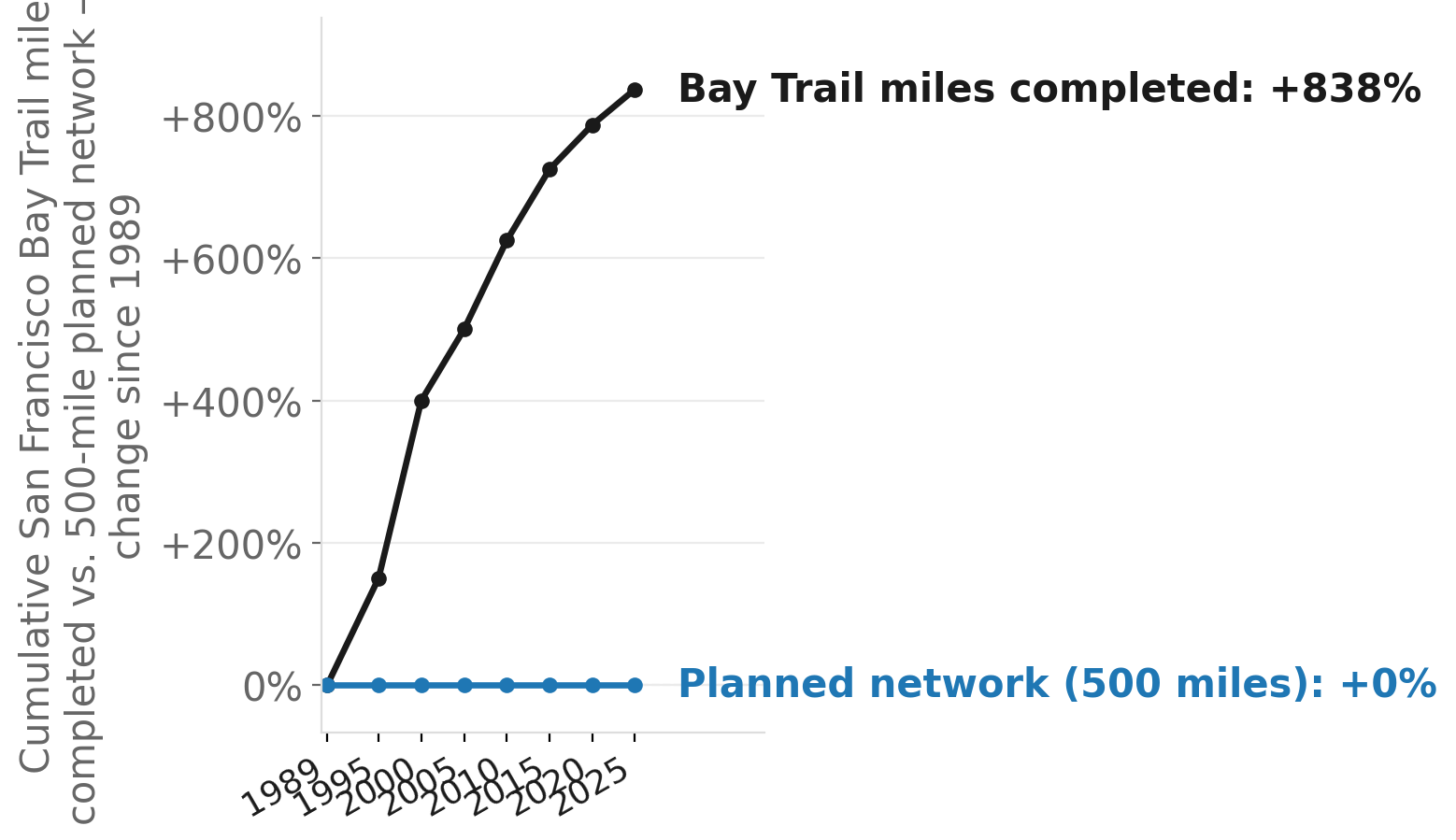
The Bay Trail was conceived nearly 40 years ago, when the California Legislature directed regional planners to build a 500-mile ring around the entire bay. Today, about 375 miles are complete. The remaining 125 miles are gaps that have resisted closure precisely because of what's in the way: industrial land, rail corridors, freeways and sensitive wetlands. Fremont's Marshland Road corridor checks nearly every one of those boxes.
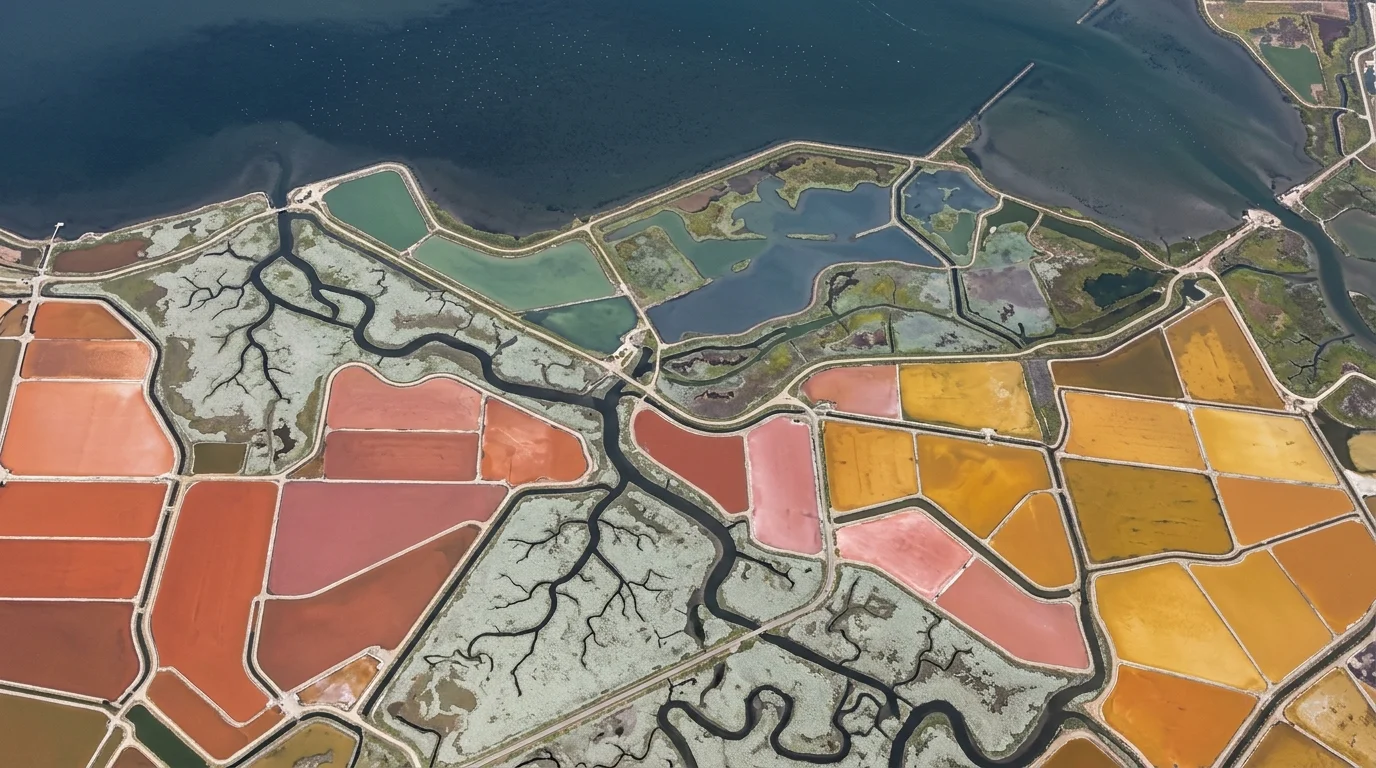
The segment runs along the southern edge of the bay, skirting the Don Edwards San Francisco Bay National Wildlife Refuge, the first urban national wildlife refuge in the country, and the former Cargill salt ponds now being restored as part of the largest tidal wetland rehabilitation on the West Coast. It's also a low-lying, flood-prone corridor where engineers increasingly have to design for sea-level rise at the same time they're designing for bikes and foot traffic.
Source: NationGraph.
Finishing the link matters beyond the scenery. Marshland Road is a critical east-west connector between Coyote Hills Regional Park, the Alameda Creek Trail and the Dumbarton Bridge corridor, a route that could give tens of thousands of residents in Fremont and neighboring cities a car-free path between major open spaces and across the bay.
Fremont has been an aggressive pursuer of outside funding for active transportation, and a wave of state and federal money in recent years has accelerated Bay Trail gap closures across the region. Regional Measure 3, the 2018 bridge toll increase, set aside $150 million for Bay Trail projects, and the 2021 federal infrastructure law expanded grant programs that have funded similar corridors throughout the Bay Area.
The city posted a solicitation for the Marshland Road Bay Trail Segment Gap Closure Project on Oct. 13, 2026. Specific construction costs, trail length, funding sources and a completion timeline were not included in the posted record and would need to be confirmed through the full project documents.