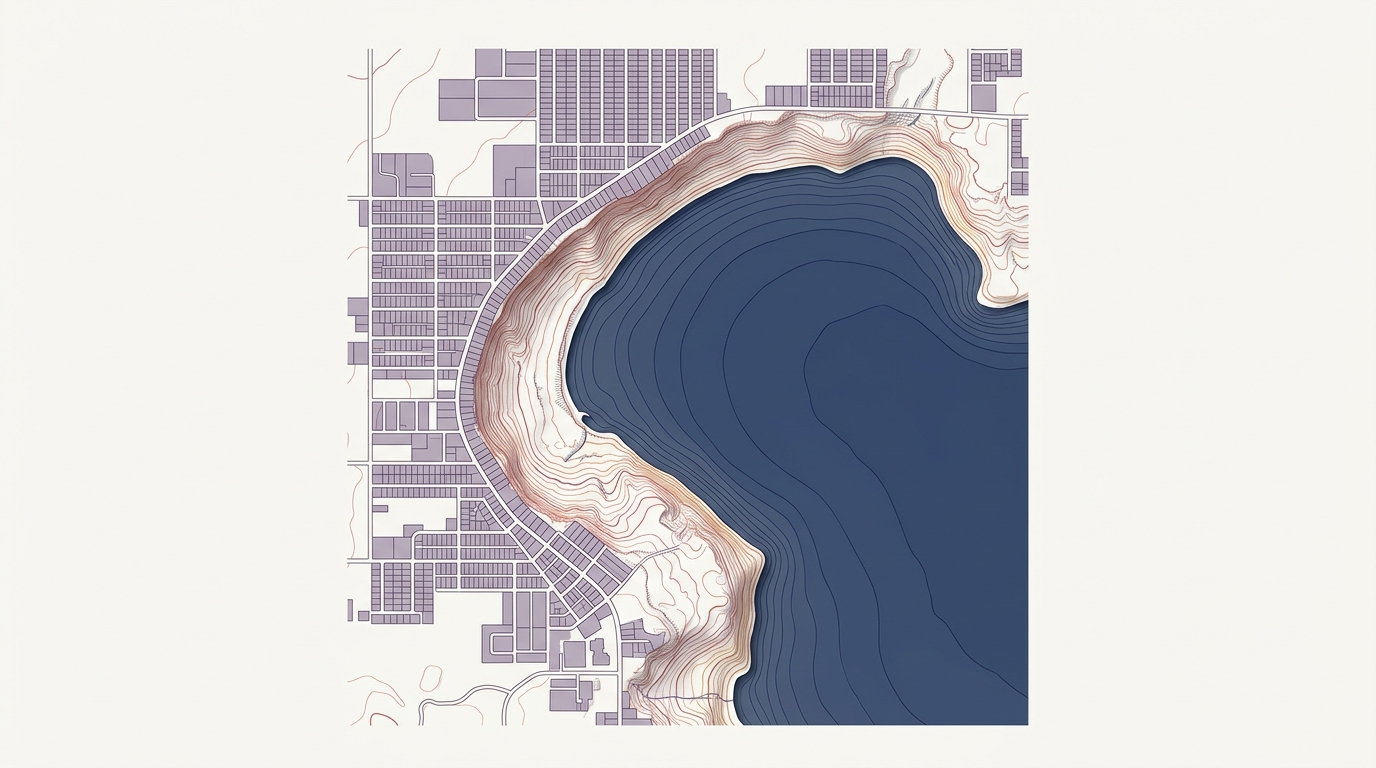
A low-head dam on the Clarks Fork of the Yellowstone River near Bridger, Montana has diverted water to Carbon County farms for generations. It has also blocked fish from moving upstream for just as long. Montana is now moving to fix both problems at once.
The state's Natural Resource Damage Program (NRDP), which administers funds from environmental contamination settlements, is seeking a contractor to rebuild the Orchard Diversion with engineered fish passage alongside modernized irrigation infrastructure. The goal is to reopen the Clarks Fork to Yellowstone cutthroat trout, Montana's state fish, without disrupting the water supply that Bridger-area farmers depend on.
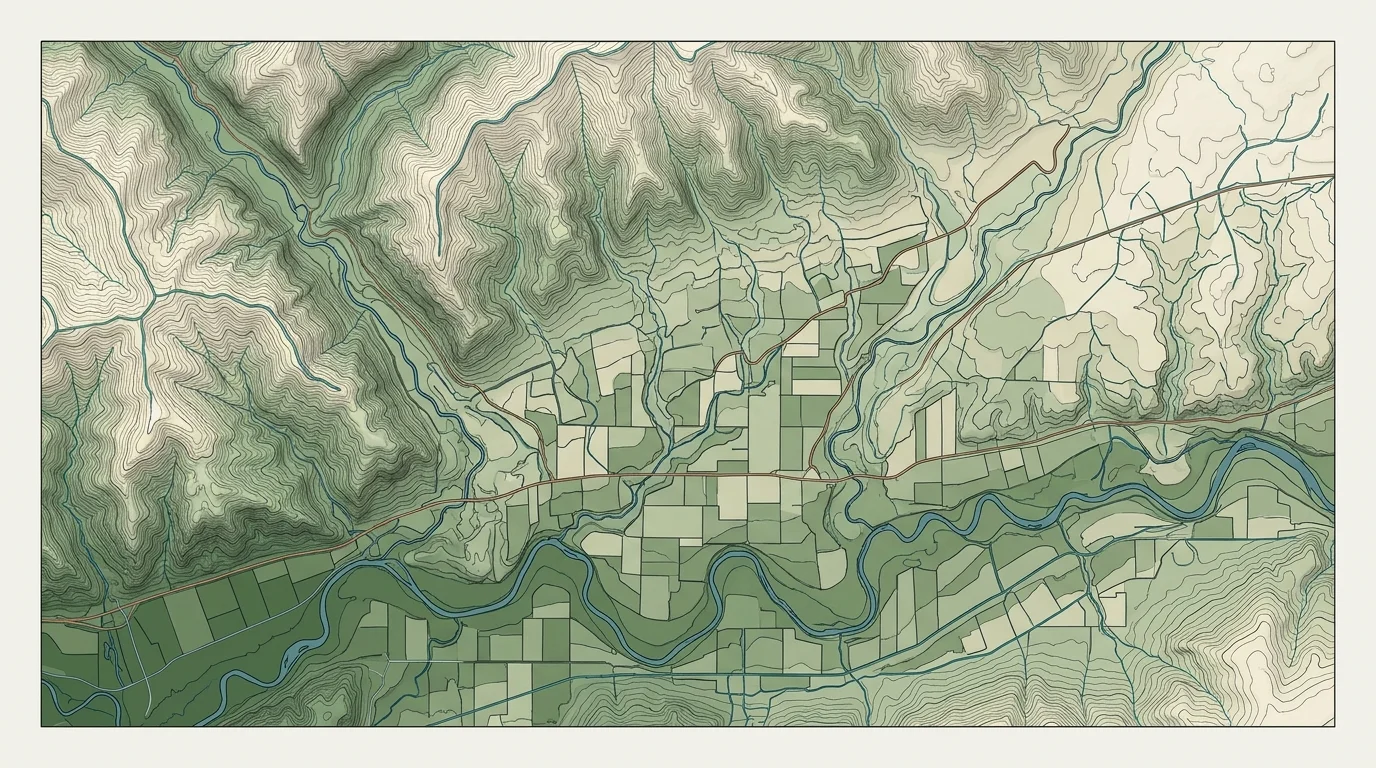
The Clarks Fork is a major tributary of the Yellowstone River, which runs free from its headwaters to the Missouri without a single mainstem dam, making it the longest undammed river in the lower 48 states. But hundreds of diversion structures on tributaries throughout the basin have carved that ecosystem into disconnected fragments for more than a century. Yellowstone cutthroat trout have lost an estimated 50 to 60 percent of their historical range as a result, cut off from spawning habitat and increasingly stressed by warming water temperatures driven by climate change.
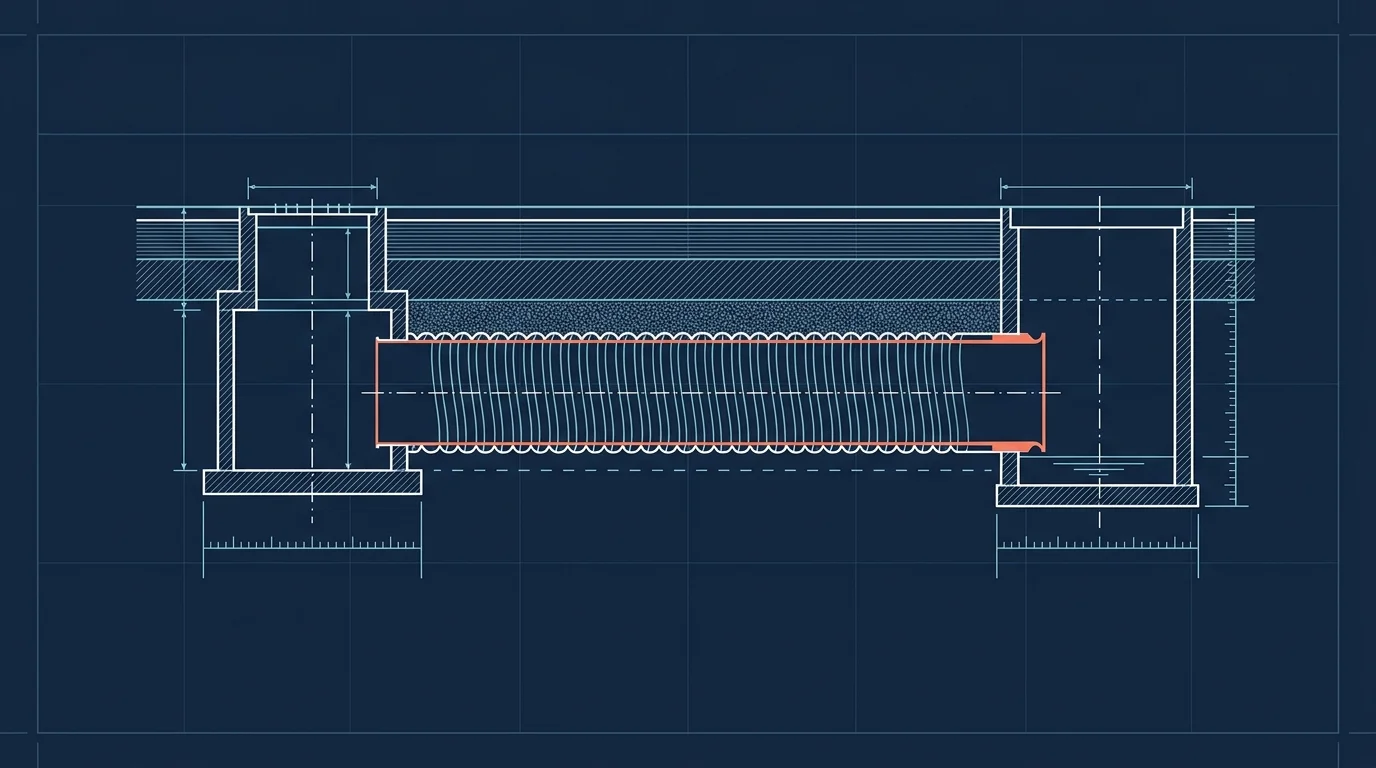
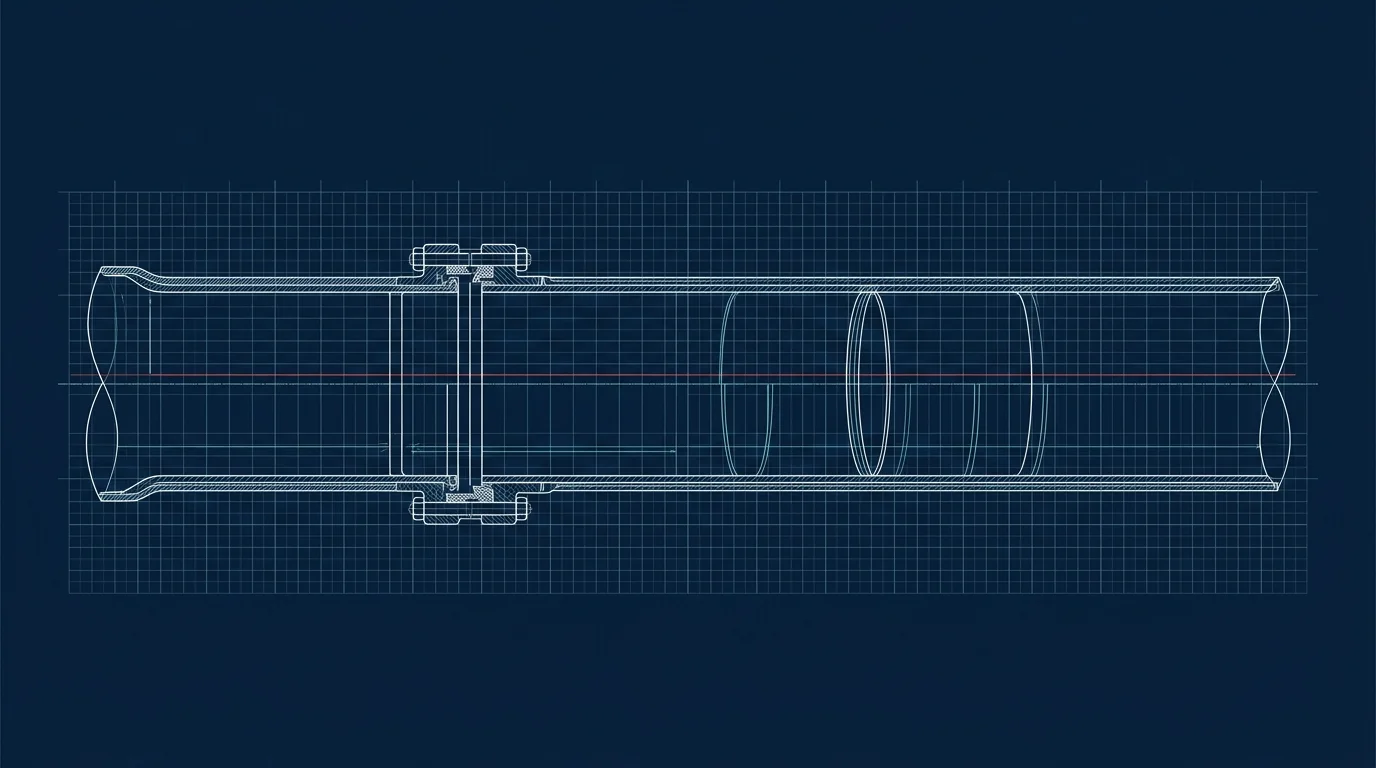
The Orchard Diversion is one of those legacy barriers. Built with no thought for fish passage, it traps migrating fish or funnels them into irrigation canals where they die. The planned reconstruction would use engineered features such as rock weirs or roughened channels to let fish pass while keeping water flowing to fields. Farmers also stand to gain upgraded headgates and more reliable delivery infrastructure, a trade-off that has proven effective at winning agricultural buy-in for similar projects across the West.
That balance matters in Carbon County, a rural, politically conservative community of about 11,000 where cattle ranching and irrigated farming underpin the local economy alongside growing outdoor recreation tied to the nearby Absaroka-Beartooth Wilderness. Outright dam removal can spark fierce resistance from irrigators in communities like Bridger. Projects that modernize infrastructure while restoring fish passage have become the more durable path forward.
Montana has been systematically working through its inventory of fish passage barriers for more than two decades, with state and federal agencies and groups like Trout Unlimited prioritizing the Yellowstone basin as critical habitat for cutthroat trout recovery. The use of NRDP settlement funds for the Orchard project keeps the work moving without drawing on general state appropriations.
Contractor selection is underway following the RFP posted May 28. No construction timeline has been publicly announced.