A public housing complex in Seattle's Rainier Valley is getting its entire exterior replaced, a major repair that underscores how decades of underfunding have left aging affordable housing stock struggling to hold up against the Pacific Northwest's punishing rain.
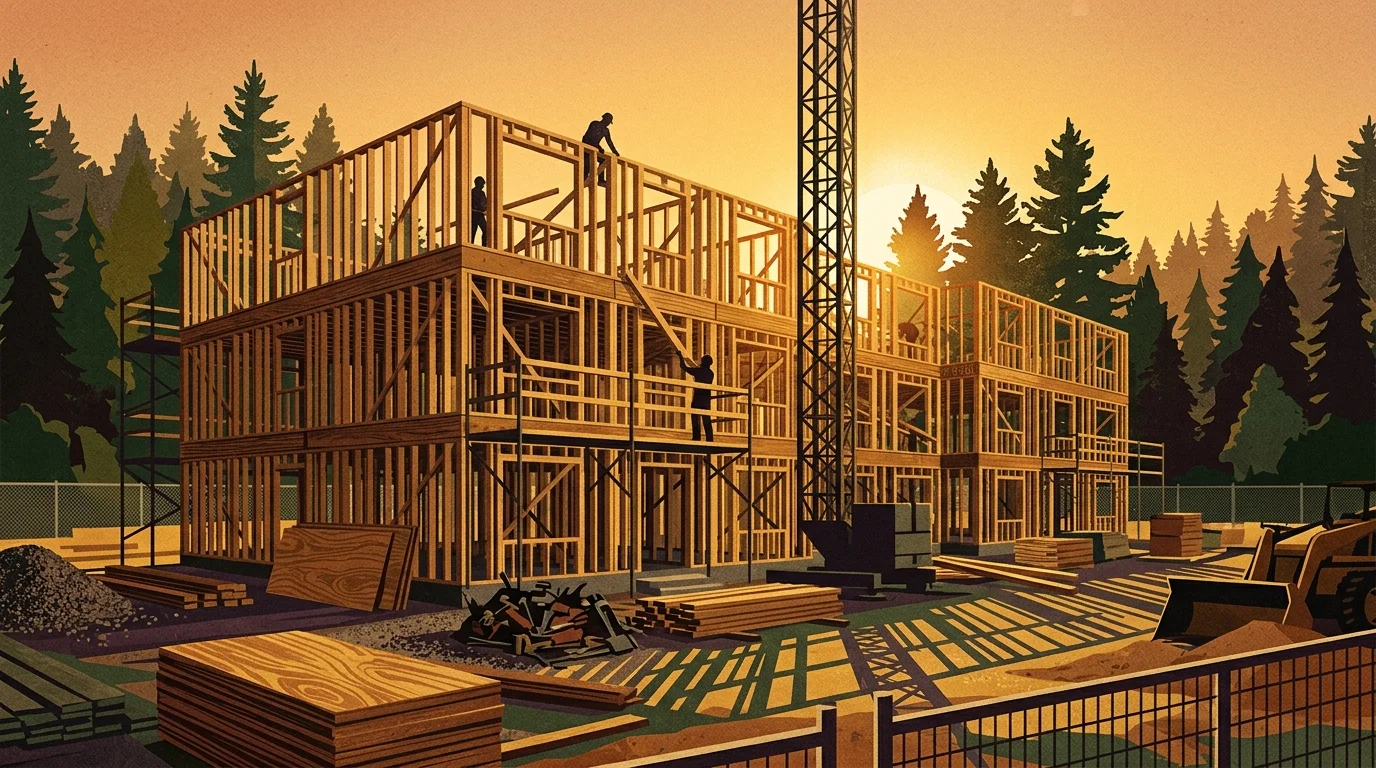
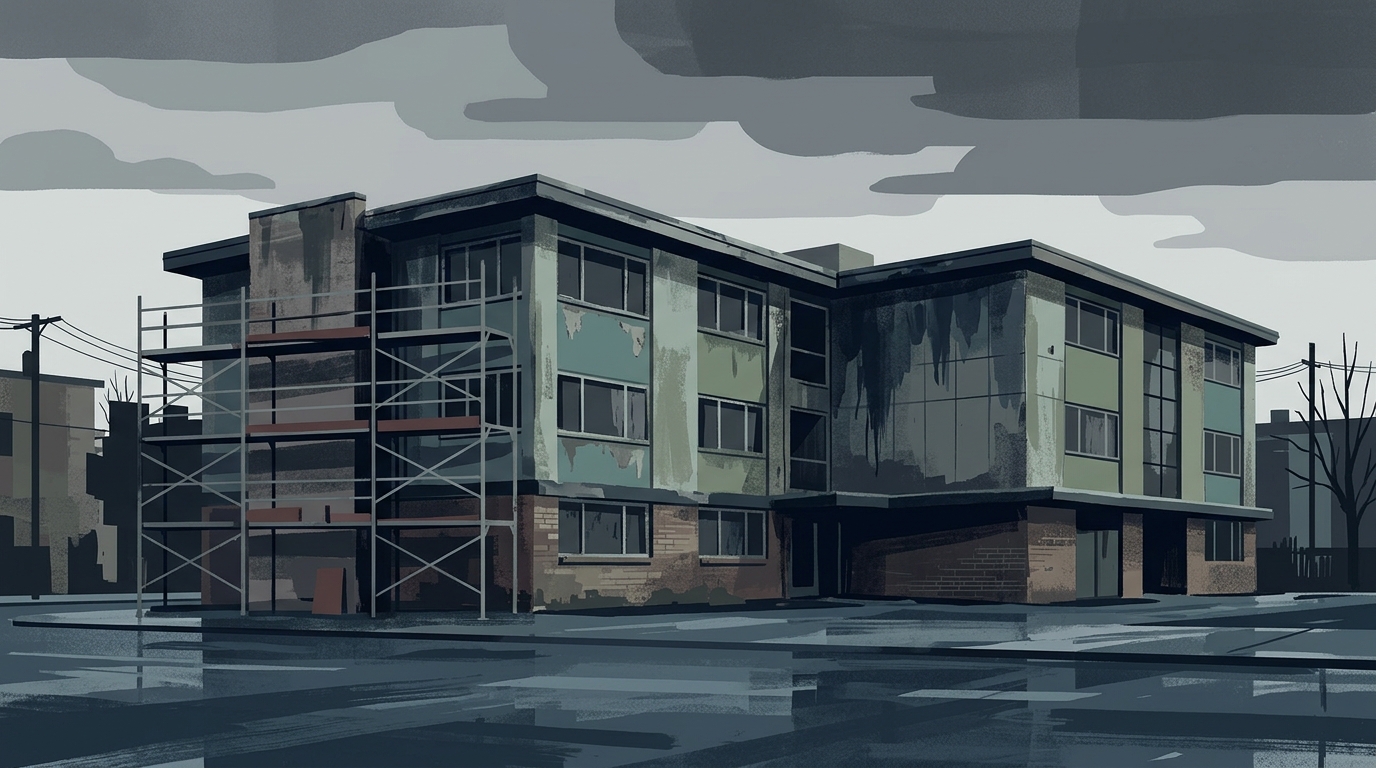
The Seattle Housing Authority is seeking a contractor for the full reclad of Primeau Place, a low-income apartment complex that serves residents including seniors and people with disabilities. Recladding means stripping and replacing the entire outer skin of a building, a step typically taken only when patching is no longer viable and water is getting inside, causing mold, structural damage, and rising energy costs.
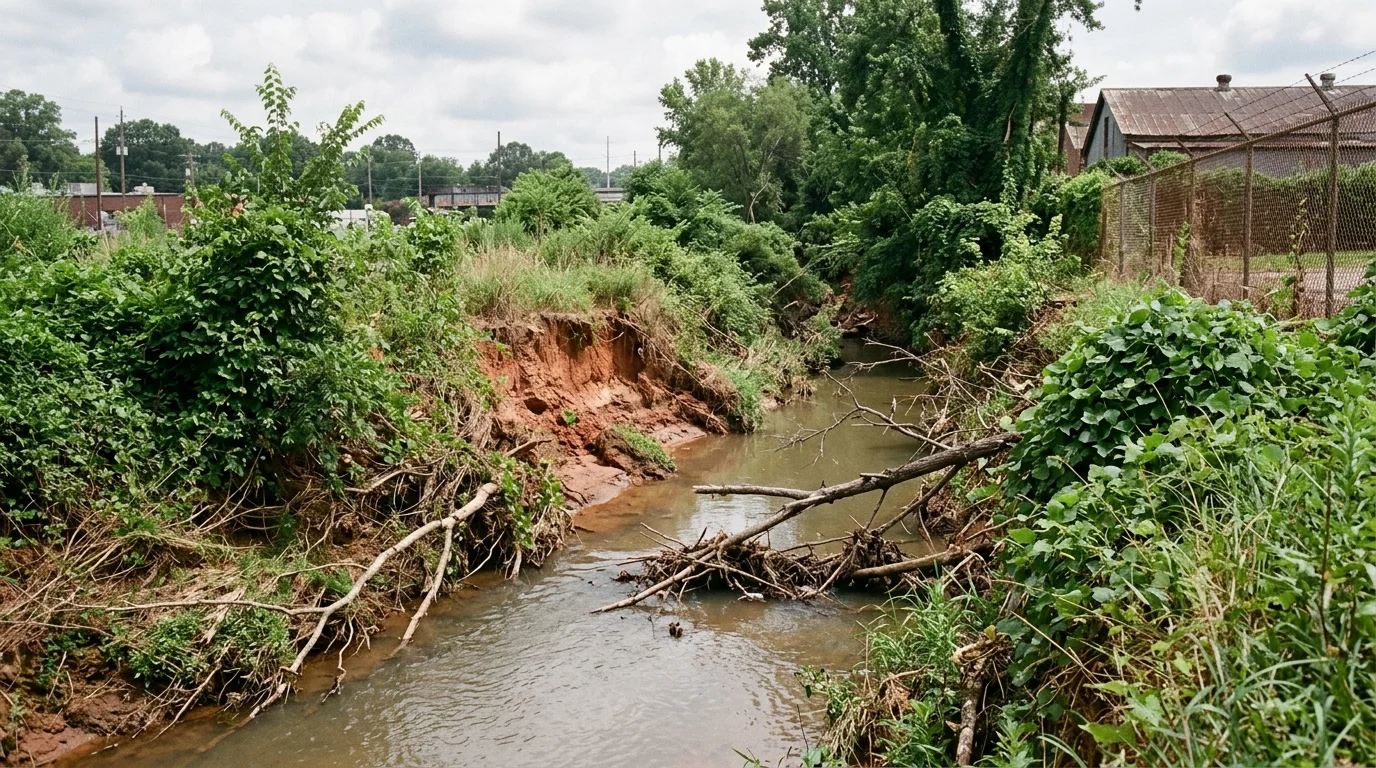
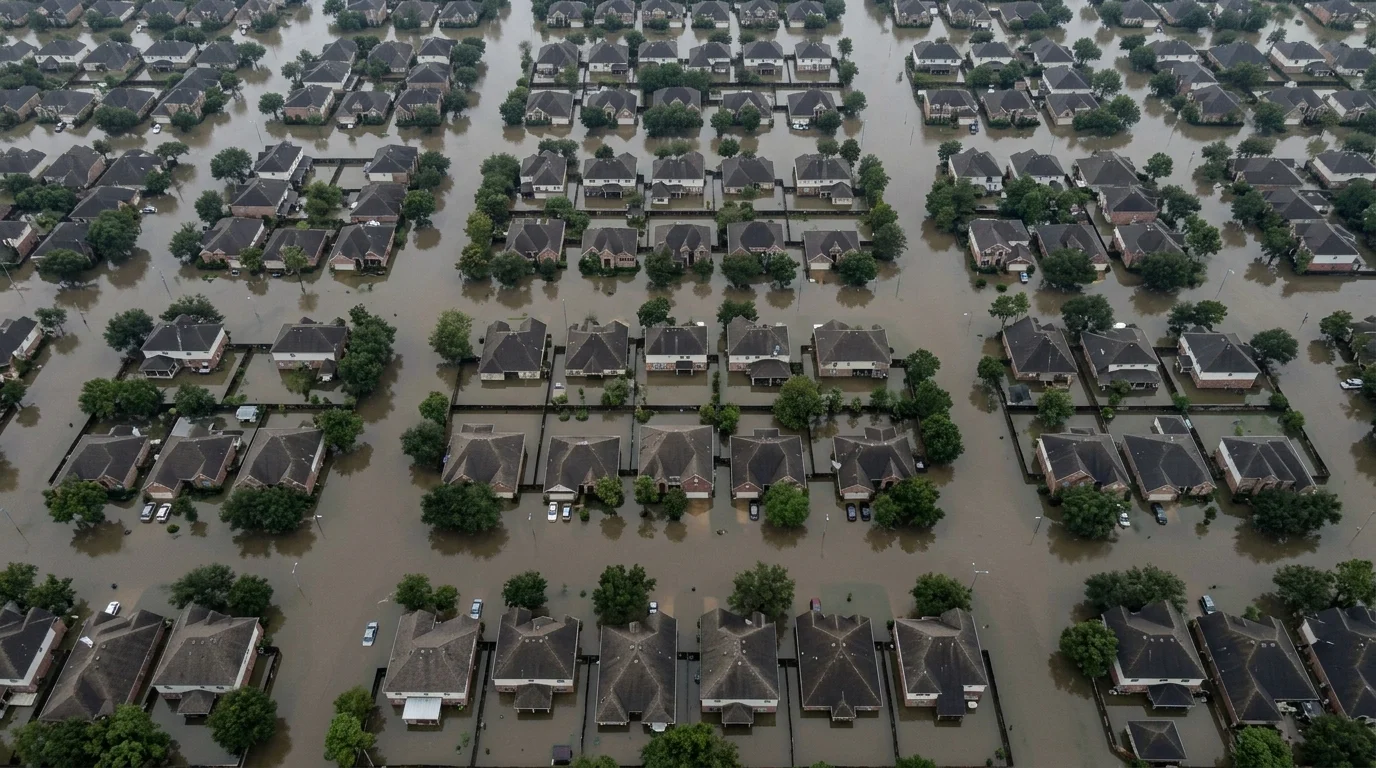
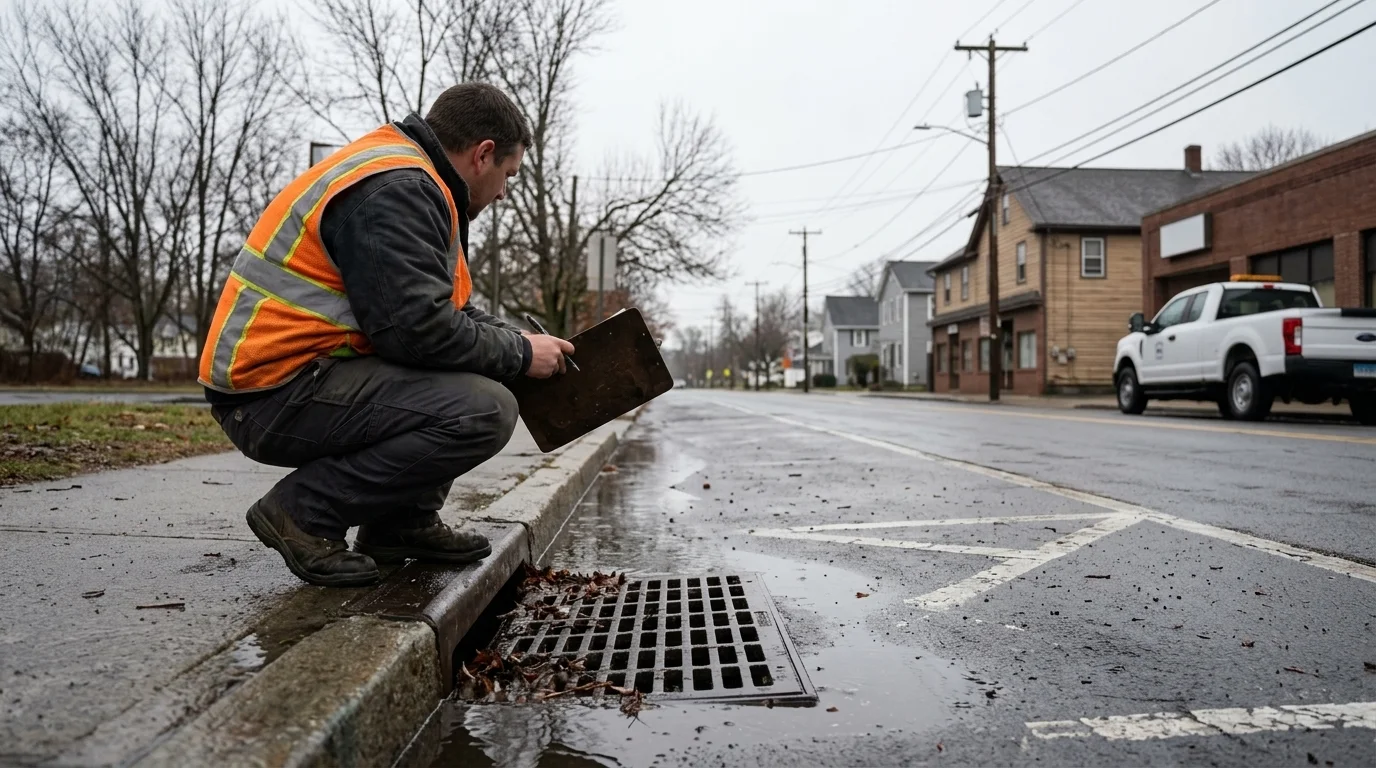
That scenario is playing out across Seattle and much of Washington State. Buildings constructed in the 1980s and 1990s often used cladding systems that have since proven poorly suited to the region's wet, wind-driven climate. Seattle receives more than 40 inches of rain annually, and many of those older cladding assemblies are now at or past the end of their useful life. A similar wave of failures devastated thousands of buildings in British Columbia in the late 1990s, and housing advocates have long warned of a slower-moving version of that crisis south of the border.
The national picture is stark: HUD estimated in 2023 that the capital repair backlog for the nation's roughly 900,000 public housing units has surpassed $70 billion, up from $26 billion in 2010. Federal appropriations have covered only a fraction of what housing authorities need each year. SHA manages around 8,000 low-income units, many built in that same vulnerable era, and has repeatedly flagged underfunding as a threat to its buildings' long-term viability.
For Primeau Place residents, the status quo carries real health consequences. Water intrusion leads to mold, poor indoor air quality, and higher utility bills, problems that fall hardest on low-income households with the least ability to absorb them. Rainier Valley, one of Seattle's most racially and economically diverse neighborhoods, has also become a focal point of displacement pressure as light rail expansion and new development reshape the area. Keeping existing affordable units livable there carries particular weight.
The renovation will not be without disruption. Reclad projects typically require months of scaffolding around the building, along with noise and dust exposure for residents who may need temporary relocation. SHA has faced past scrutiny over how it handles residents during major renovations.
SHA is one of roughly 39 housing authorities in the country with Moving to Work status, a federal designation that gives it unusual flexibility to redirect HUD funds toward capital needs like this one. The authority is expected to select a contractor and move toward construction in the coming months.