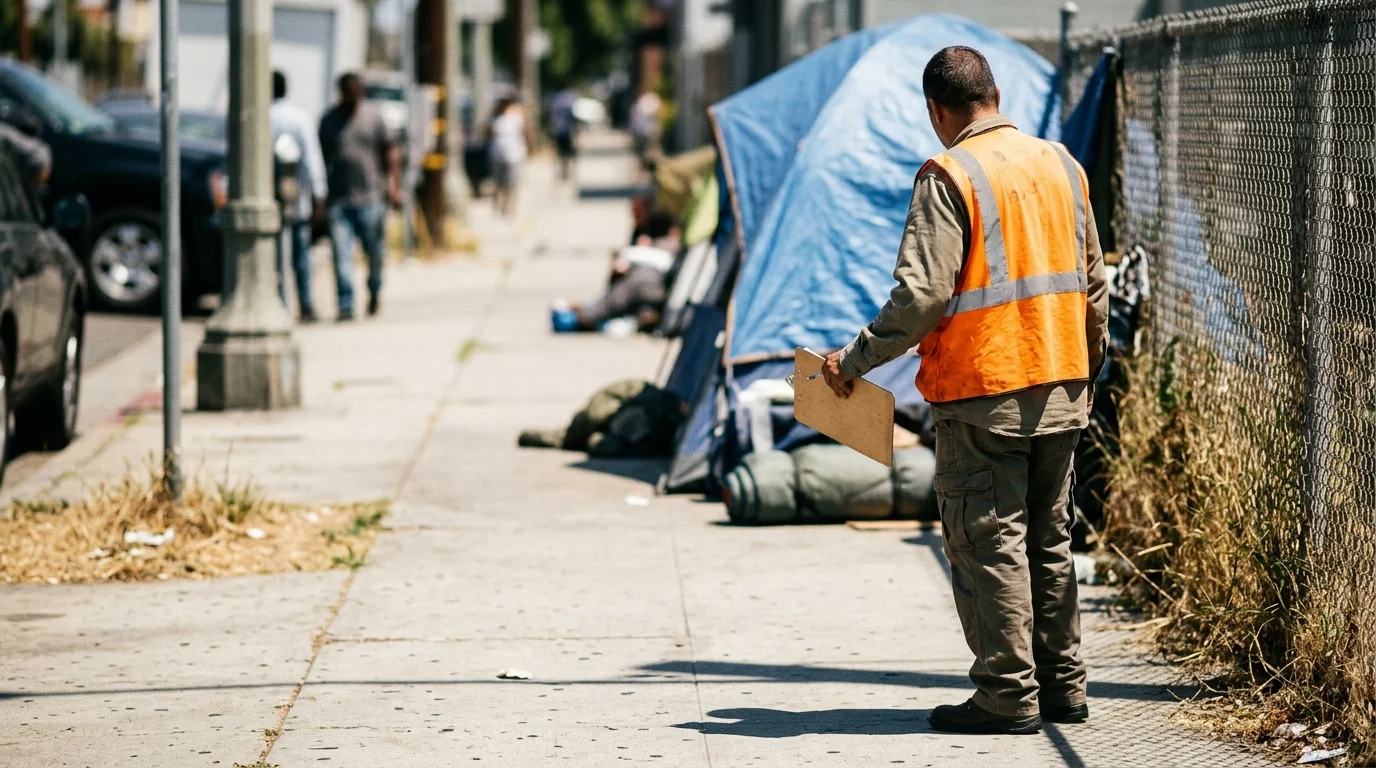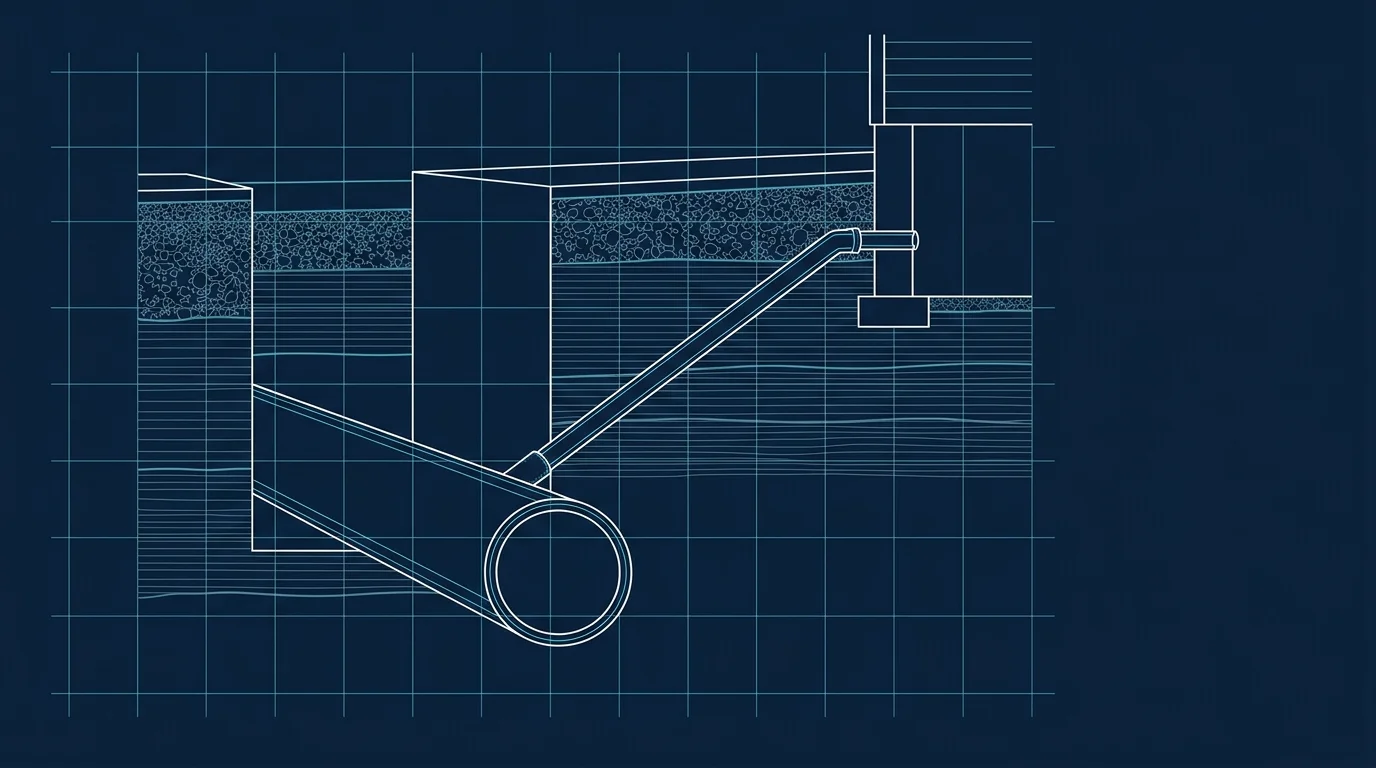
Fifteen Minnesota municipalities issued RFPs for lead service line replacement in the past 30 days, 8.6 times the trailing 12-month average of roughly 1.75 per month. October 2026 is now the single busiest month in the 18-month dataset, surpassing even the July 2025 spike of 11 procurements. This is not a planning surge. It is a procurement fire drill, and the alarm went off because two deadlines are landing at the same time.
The first deadline is federal. The Infrastructure Investment and Jobs Act's dedicated lead service line replacement supplemental, $15 billion nationally disbursed over five fiscal years, expires September 30, 2026. The EPA announced the final round of $2.9 billion on May 20, 2026. After that date, cities must compete for lead replacement money through the standard Drinking Water State Revolving Fund, which is significantly more constrained and carries no principal forgiveness guarantees. The second deadline is Minnesota's own. A 2023 state law, Minnesota Statutes §446A.077, created the DWSRF-Lead Service Line Replacement Grant Program and set a statewide replacement target of 2033, four years ahead of the federal 2035 mandate. That law established a state appropriation layered on top of the federal DWSRF to cover privately owned lines and the gap between federal reimbursement rates and actual project costs. The two programs are distinct: the federal program funds eligible DWSRF project costs through the Minnesota Public Facilities Authority; the state program is what enables Minnesota's accelerated timeline and pays for the private-side work federal rules do not require. Cities access both through the same MPFA application pipeline, which means they are all filing into the same queue.
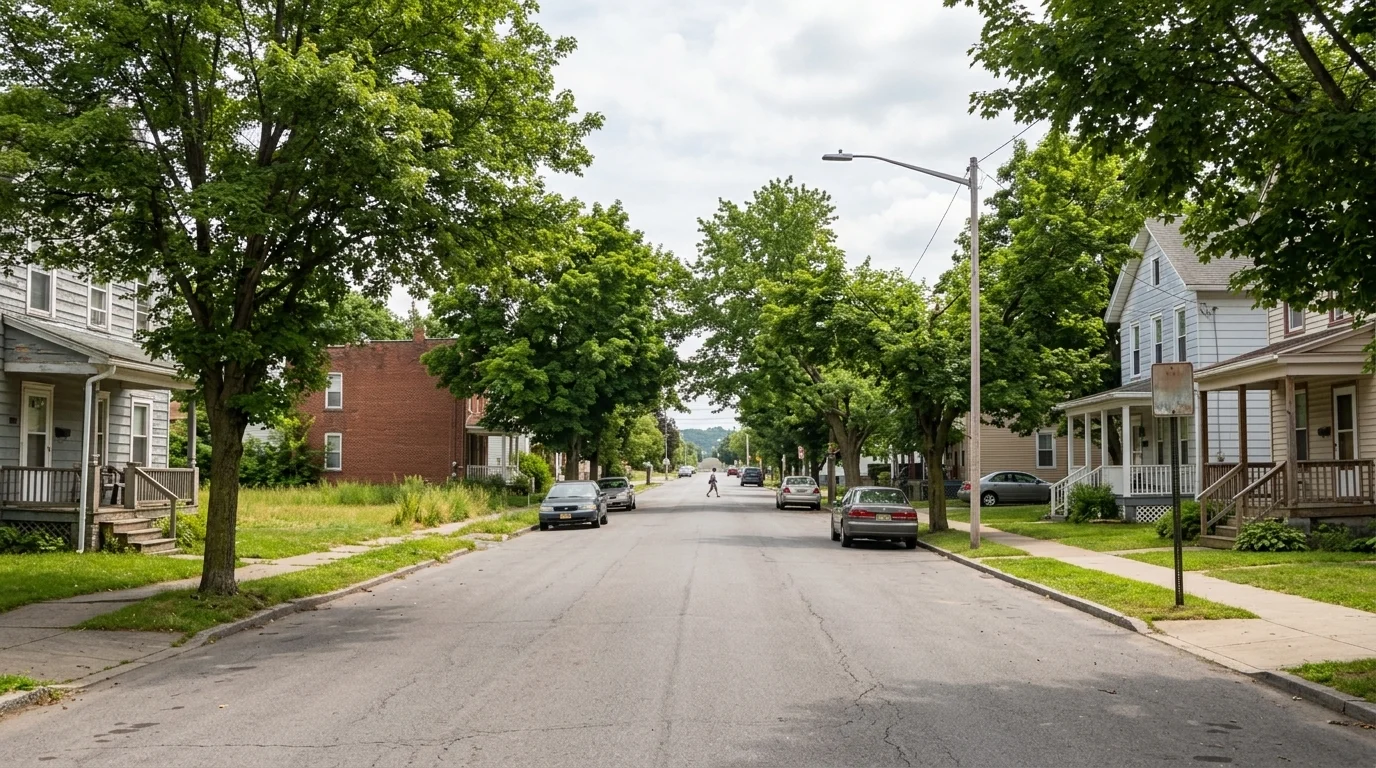
The geographic spread of the current spike is striking. Crow Wing County, Otter Tail County, and Dakota County each have multiple active procurements in the past 30 days, alongside cities from Winona to Milaca to Stewartville. Brainerd Public Utilities alone has approximately 1,100 known lead lines and a phased 2026-2033 replacement program that has already generated multiple RFPs this cycle. South St. Paul is similarly moving on private-side replacements, with active public information and procurement underway. This is not a Minneapolis story. The Twin Cities metro has its own scale of work, Minneapolis is mid-project on replacing lines serving 500,000 residents, but the October spike is driven by outstate cities with pre-World War II infrastructure and no large utility absorbing the administrative load. Each small water system must independently procure contractors, negotiate MPFA financing agreements, and hit the same statewide deadline.
The backlog problem is already visible in MPFA's own numbers. The authority's FY2025 annual report lists 320 projects totaling $591 million on the DWSRF-LSLR project priority list. Only 201 projects totaling $229 million made it onto the active Intended Use Plan, meaning a substantial share of approved, waiting projects may not be funded before the federal supplemental closes. Minnesota Public Radio reported in March 2026 that more funding would be needed to keep the 2033 goal on track. Legislative testimony on House File 3748 put the remaining statewide count at roughly 90,000 confirmed lead lines, with per-line replacement costs ranging from $10,000 to $20,000, and called for $150 million per year in sustained state appropriations to maintain contractor pace after the federal program ends. The MPFA's draft 2027 Intended Use Plan caps per-line reimbursement at $15,000, a signal that eligibility criteria are tightening as the program shifts from federal-flush to state-constrained.
The contractor capacity question may be the binding constraint nobody is tracking publicly. When hundreds of small systems issue RFPs in the same season for the same specialized trenchless excavation and pipe-swap work, the pool of licensed contractors does not expand to match. Cities that move fastest on procurement lock in crews and prices; cities that file late into a crowded IUP cycle face both a thinner federal funding window and a thinner contractor market. The time-series data shows a clear pattern: cities paused through the winter of early 2026, then re-accelerated sharply in the fall ahead of spring construction season, and ahead of the September 30 federal expiration.
For residents in smaller Minnesota cities, the near-term signal to watch is the MDH compliance calendar. Water systems were required to submit service line inventory updates by July 2026, send public notifications by September 30, 2026, and certify inventory data by October 10, 2026. Cities that have completed inventory and issued an RFP in the current window are on track. Cities that have not yet filed a procurement are running out of time to access principal forgiveness under the federal program, and may be looking at a construction timeline funded almost entirely by state appropriations that the legislature has not yet fully committed.
The open question heading into 2027 is whether Minnesota's state LSLR Grant Program receives the sustained funding witnesses requested. Without it, the 2033 deadline becomes aspirational rather than statutory for the systems that missed the federal window.