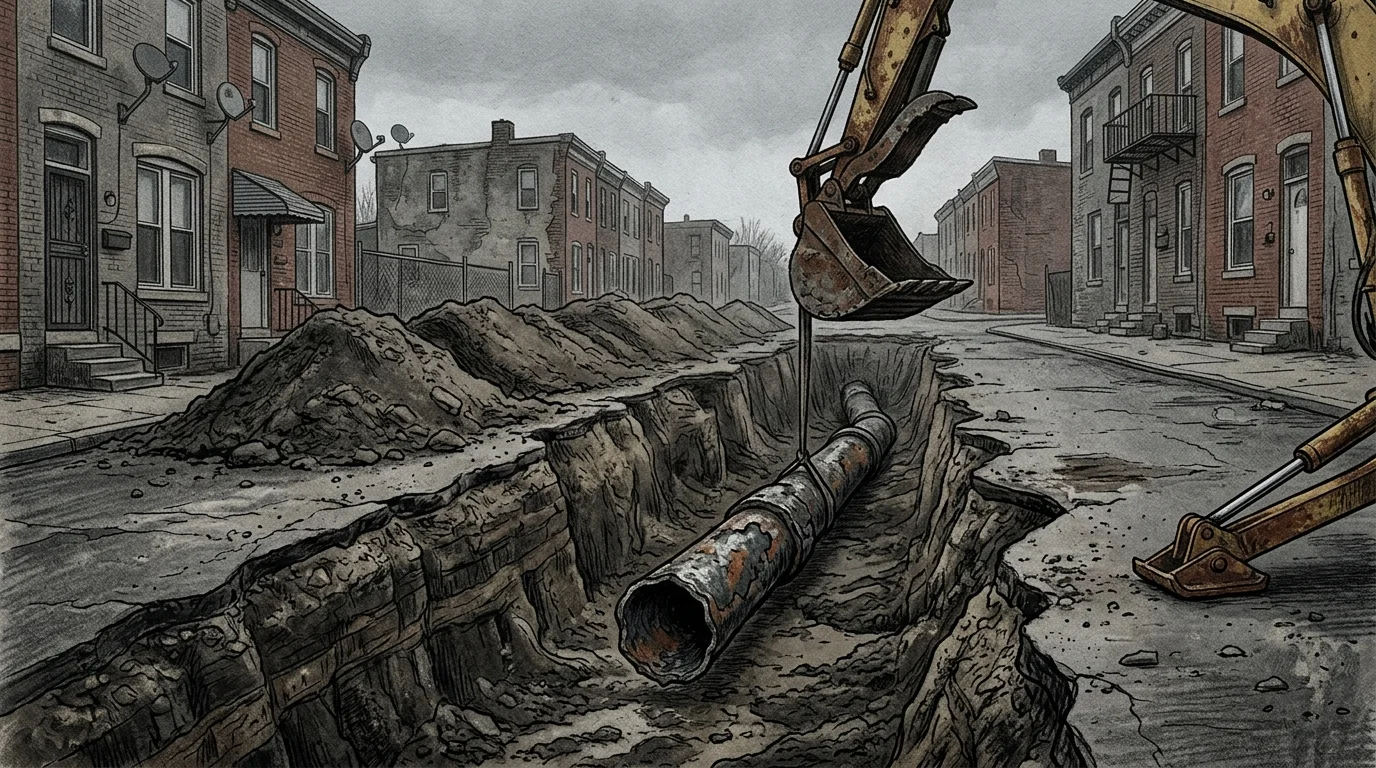
Minneapolis is moving to replace thousands of lead water pipes running beneath the city's oldest neighborhoods, a project that will affect roughly 500,000 residents served by Minneapolis Water Works across the city and several suburbs.
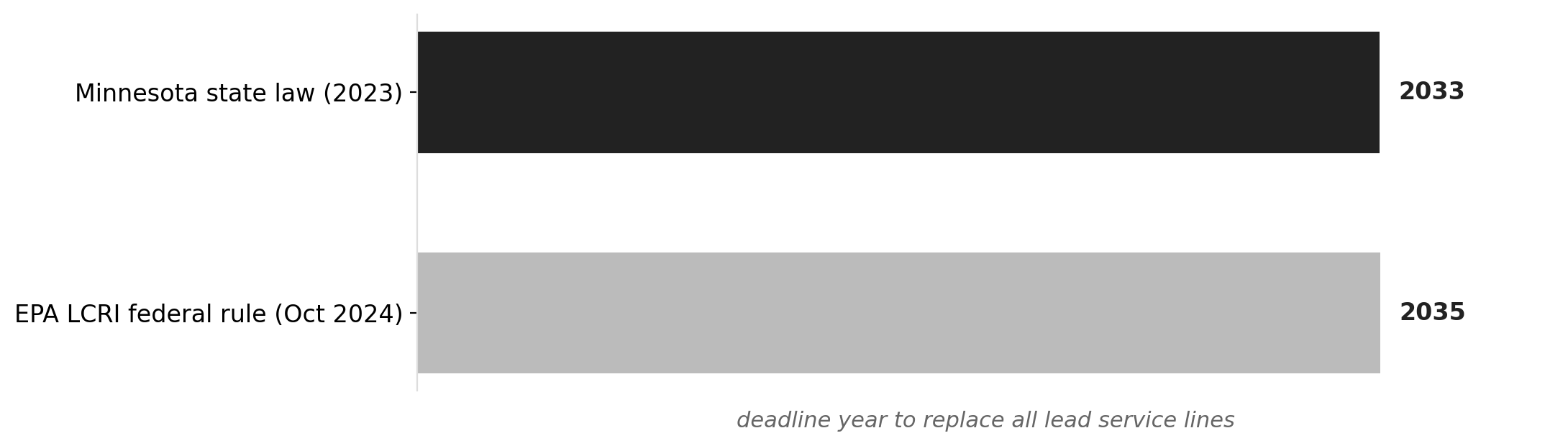
The push comes from two directions at once. Minnesota's 2023 lead service line replacement law requires all lead pipes statewide to be replaced by 2033, two years ahead of the federal deadline set by the EPA's updated Lead and Copper Rule, finalized in October 2024. Both rules emerged from the same hard lesson: lead pipes, installed as standard practice from the late 1800s through the 1950s, can leach neurotoxic metal into tap water, and no level of exposure is safe for children.
Minneapolis completed its initial service line inventory in late 2023, identifying thousands of confirmed or suspected lead lines concentrated in North Minneapolis, Northeast Minneapolis and parts of South Minneapolis. These are some of the city's oldest neighborhoods, platted when lead pipe was the norm, and North Minneapolis in particular has documented rates of childhood lead exposure higher than wealthier parts of the city.
Source: NationGraph.
Federal money is helping cover costs. The 2021 Bipartisan Infrastructure Law set aside $15 billion nationally for lead pipe replacement, and Minnesota received roughly $43 million in an early tranche, with more expected. The city has posted a contractor solicitation as it prepares to begin the physical work.
The thorniest question involves the pipes under private property. The private-side lines, the sections running from the city main to the front door of a home, have historically been the homeowner's financial responsibility. Advocates and progressive members of the City Council have pushed for the city to absorb that cost entirely, arguing that placing the burden on individual homeowners, many of them renters or lower-income residents in the most affected neighborhoods, would make the program inequitable in practice. That debate has moved through multiple budget cycles without a final resolution.
Cities that moved fastest on this problem, like Newark, N.J., which replaced its lead lines in under three years, did so by treating private and public lines together and funding both publicly. Minneapolis will be watching that model closely as it works toward its 2033 deadline.
Similar federally funded replacement programs are underway across the Midwest, including in Muskegon, Michigan and Saginaw, Michigan, where cities have used infrastructure law money to accelerate removals in older neighborhoods. How Minneapolis handles the private-property cost question could influence how other regional water systems approach the same dilemma.