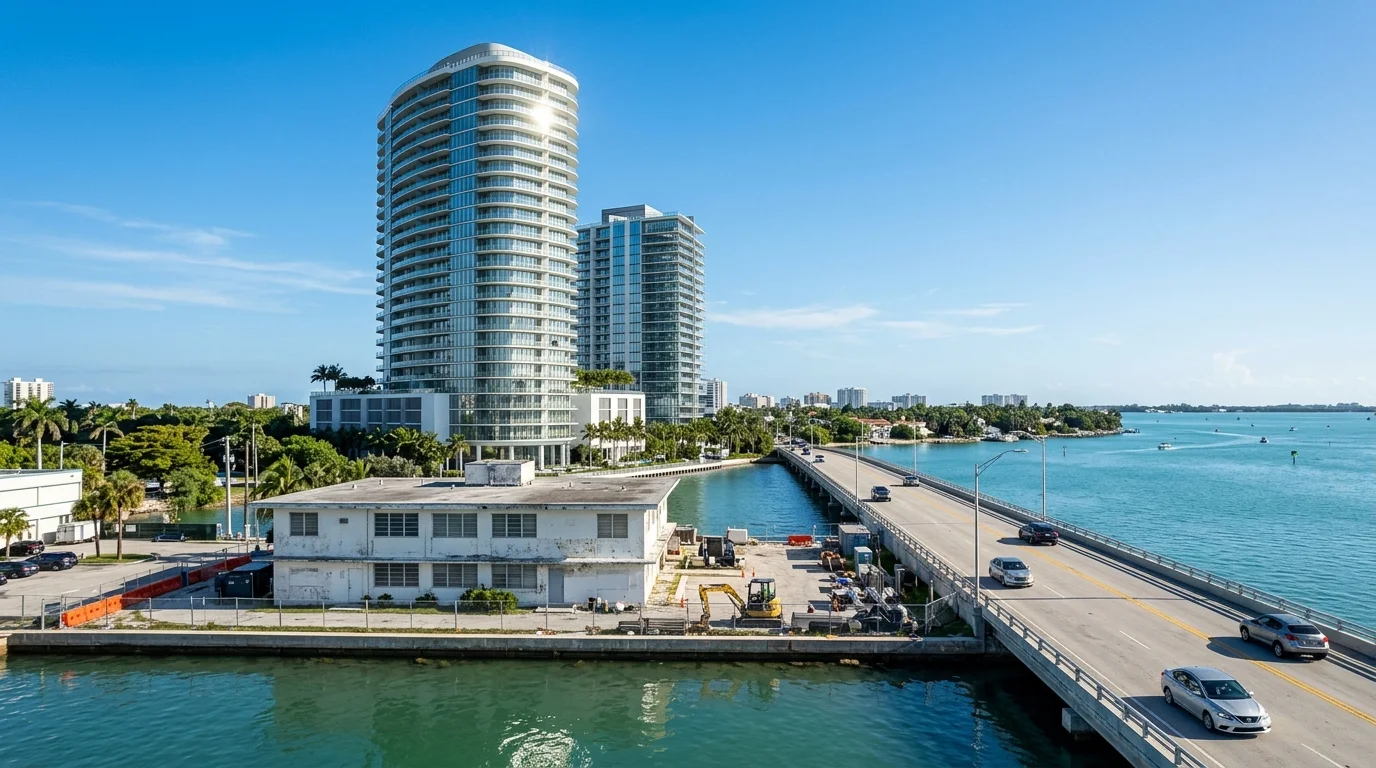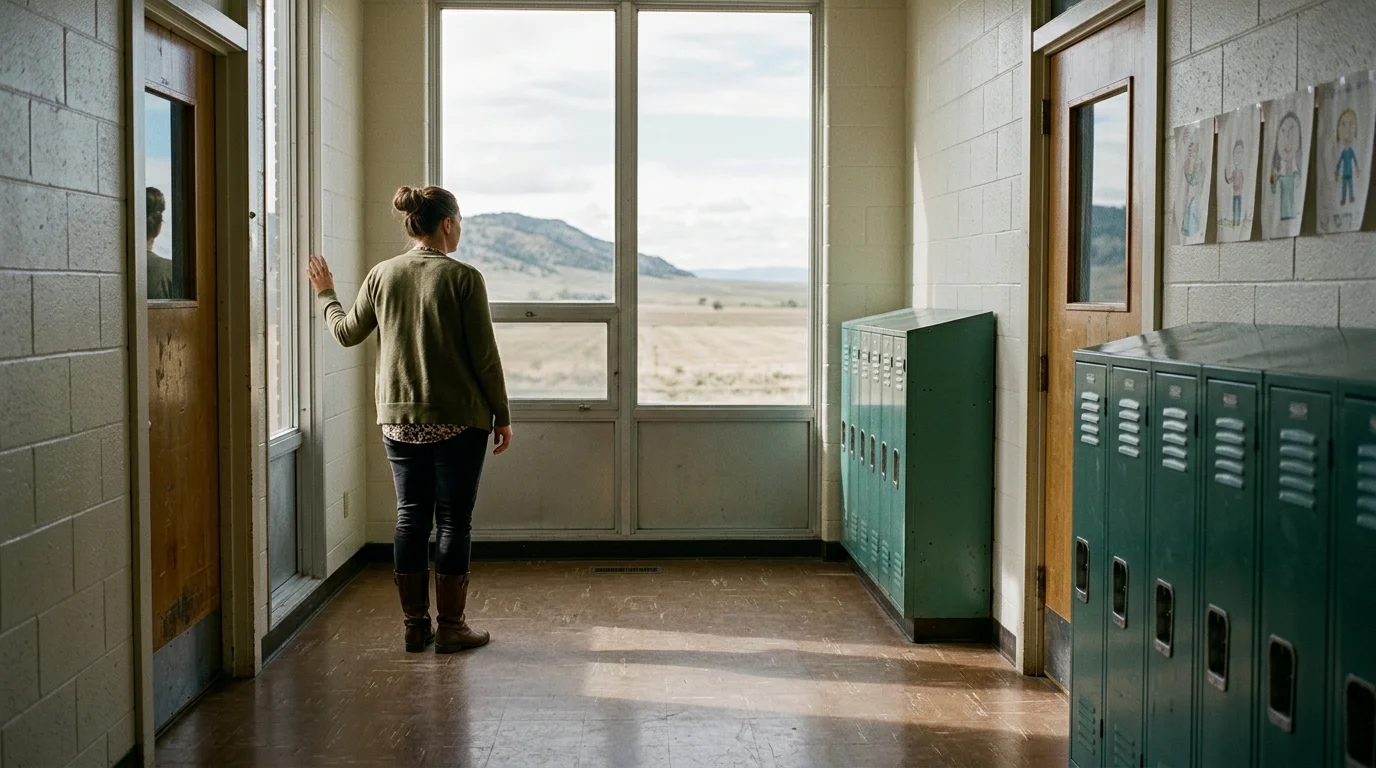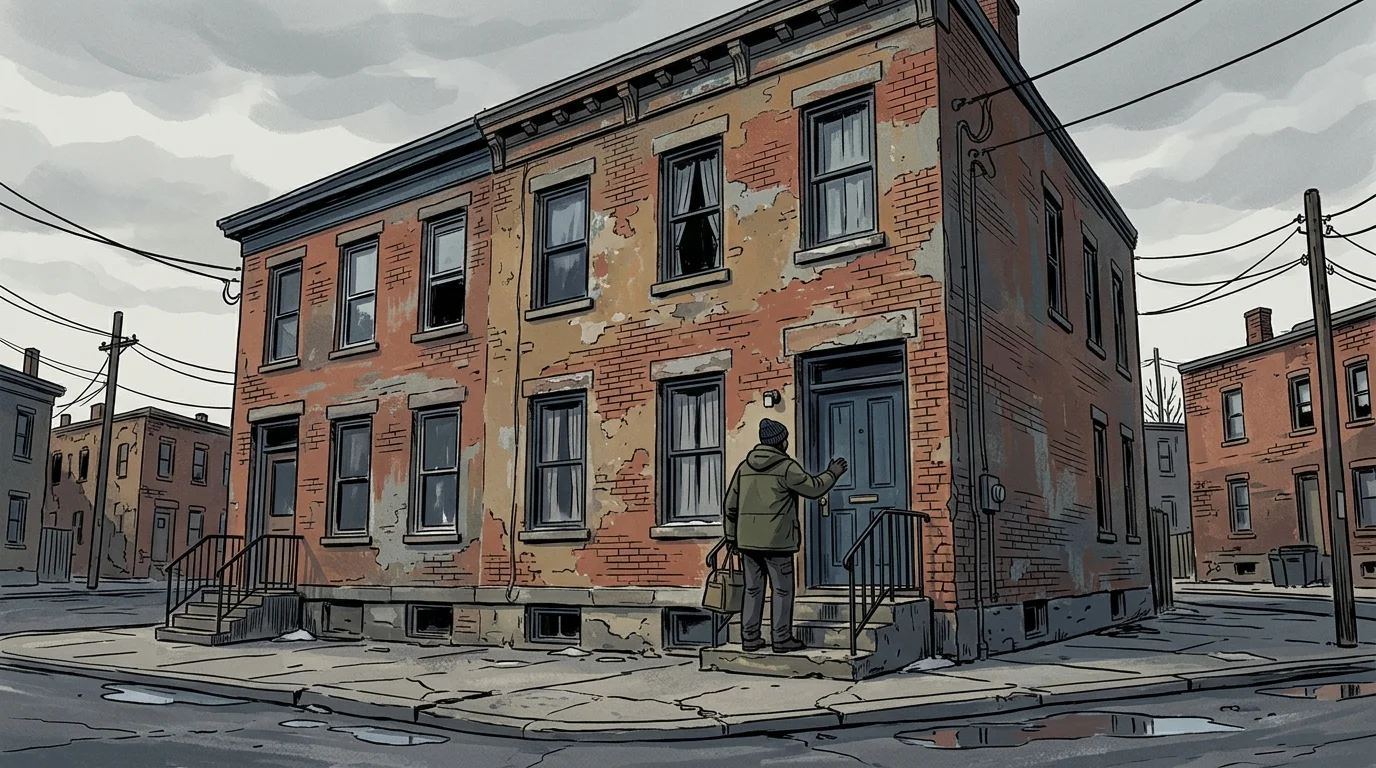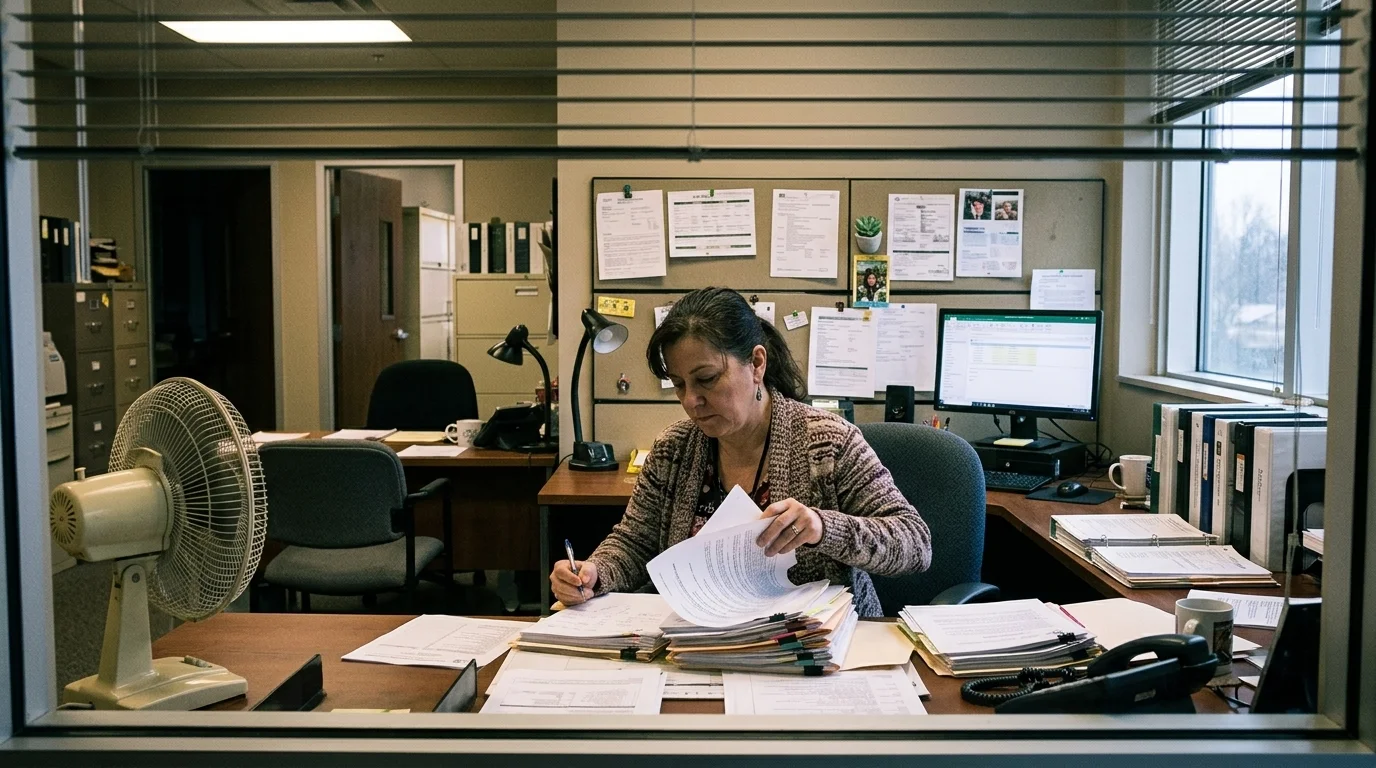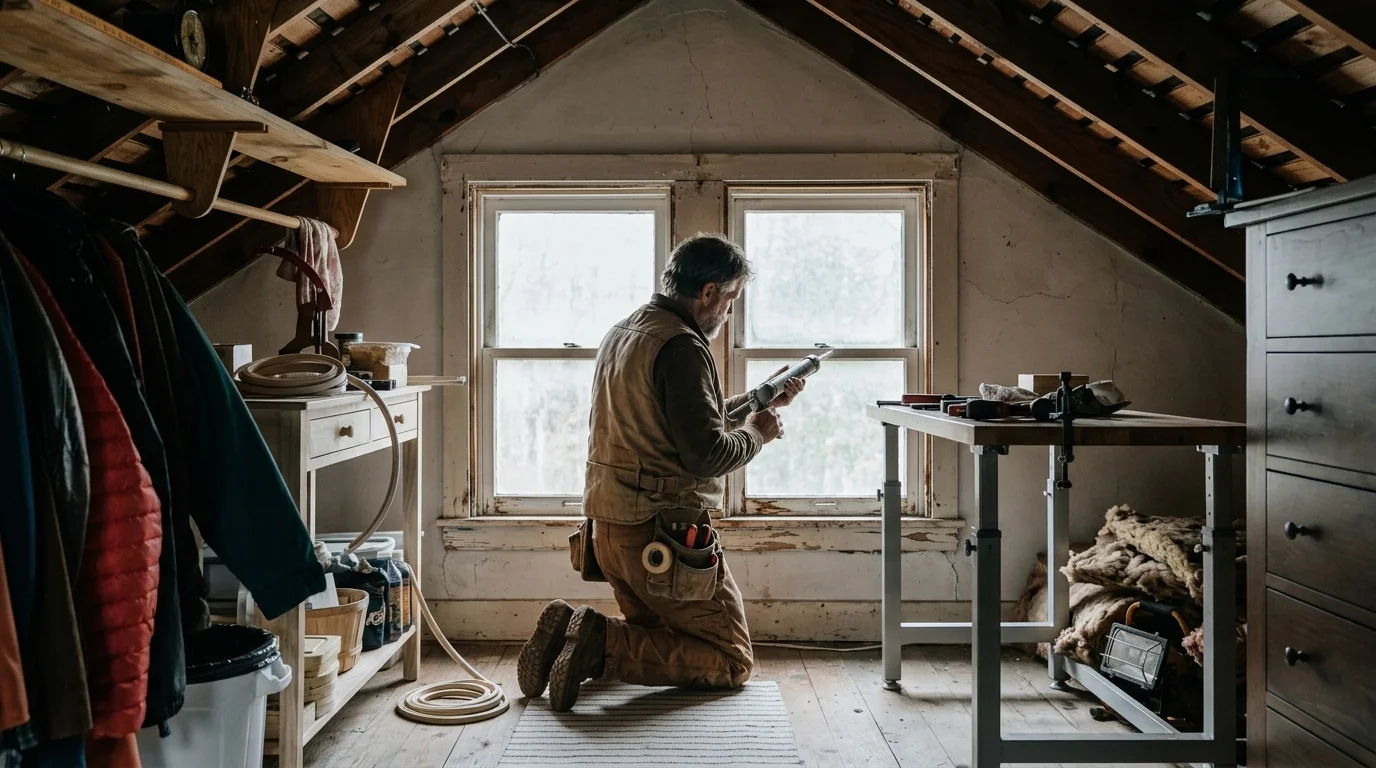
Fort Collins, Colo., is moving to weatherize homes for low-income residents, hiring a contractor to insulate, seal and improve ventilation in some of the city's most vulnerable households before another smoke-choked wildfire season arrives.
The city's Healthy Homes Weatherization program reflects a shift in how cities think about energy efficiency work. Traditional weatherization has focused on cutting heating and cooling costs through insulation and air sealing, but tightening a leaky home without addressing what's already inside it can backfire. Colorado's Front Range carries some of the highest radon concentrations in the country, and wildfire smoke has become a recurring summer fixture since the 2020 Cameron Peak Fire burned into Larimer County. For residents in older, drafty homes, the risk runs in both directions: too much outside air in winter drives up utility bills, but the wrong kind of sealing without proper ventilation traps combustion gases, mold and smoke indoors. The Healthy Homes framing tackles both problems at once.
Fort Collins is an unusual city for this kind of work. With a median home price above $550,000, it has the wealthy tax base and political will to pursue aggressive climate goals, including an 80% emissions reduction target by 2030 under its Our Climate Future plan. But it also has a growing population of cost-burdened renters who have little leverage to improve the homes they live in. The city runs its own municipal electric and water utility, giving it more direct tools than most Colorado cities to reach households at the building level.
Federal money is part of what's making programs like this possible. The 2021 Bipartisan Infrastructure Law allocated $3.5 billion to the Department of Energy's Weatherization Assistance Program, the largest single investment in the program's history, and the 2022 Inflation Reduction Act added more for home energy and electrification upgrades. Colorado has been working to spend that money down through local partners.
The contract value and number of homes to be served are not specified in the solicitation posted to BidNet Direct. Once the city selects a contractor and finalizes the agreement, those details should become public.