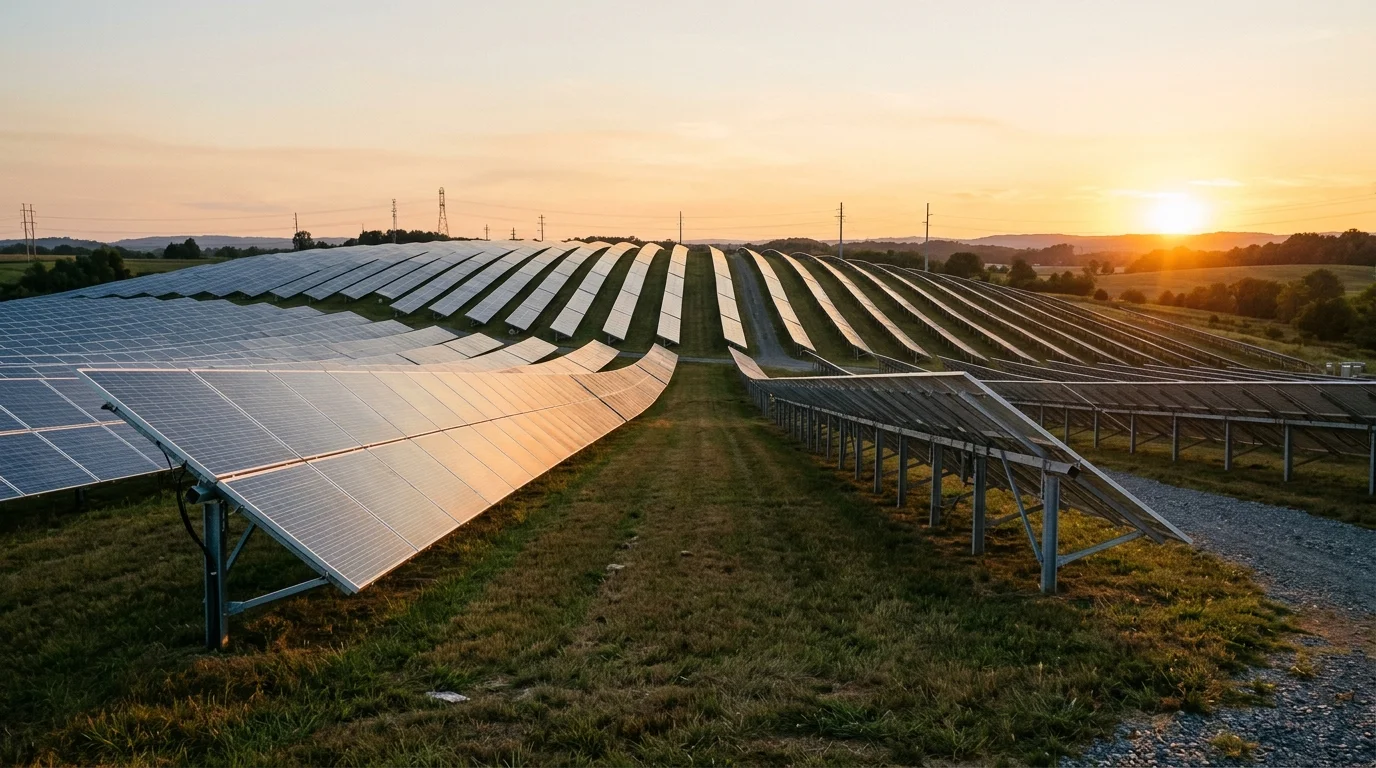
Cuyahoga Falls, Ohio is moving to convert a closed municipal landfill into a solar energy facility, joining a national wave of cities that have found a second life for capped waste sites that can't be built on but can generate electricity.
The city has posted a request for proposals for solar development at the Hardy Road Landfill, a former solid waste site that has sat idle under Ohio EPA post-closure monitoring requirements for years. Under state rules, closed landfills require ongoing environmental oversight for at least 30 years after closure, making them a recurring expense with no offsetting income. A solar project would flip that equation, generating either lease payments, below-market electricity, or both, depending on the deal structure the city pursues.
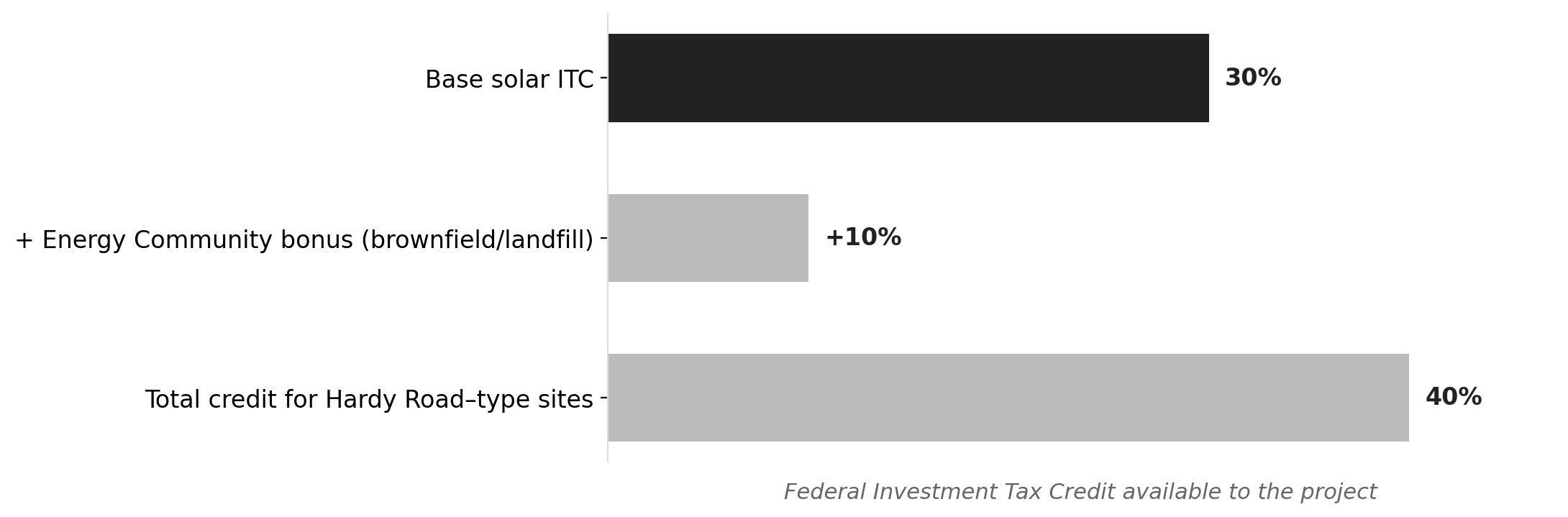
The timing is deliberate. The federal Inflation Reduction Act, passed in August 2022, added a bonus 10% tax credit on top of the standard 30% federal investment tax credit for solar projects built on brownfields and closed landfills. That 40%-plus federal subsidy has made previously marginal sites like Hardy Road financially attractive to developers. Much of Summit County, which includes Cuyahoga Falls, qualifies as an "energy community" under the IRA, a designation that targets areas with histories of industrial employment and fossil fuel infrastructure and unlocks the bonus credits.
Source: NationGraph.
Closed landfills have become particularly sought-after for solar because they solve a puzzle developers usually struggle with: large, flat parcels near existing utility infrastructure, already zoned for non-residential use, with no competing development pressure. Solar arrays on capped landfills use ballasted racking systems that sit on the surface without penetrating the protective cap, making them compatible with the site's environmental restrictions. The Hardy Road site sits in FirstEnergy's Ohio Edison service territory, which handles grid interconnection.
Cuyahoga Falls, a Summit County suburb of about 51,000 people just north of Akron, has largely sidestepped the fierce local opposition that has stalled utility-scale solar on Ohio farmland under the state's 2021 siting law. A city-owned brownfield draws no such controversy.
The specific acreage, projected capacity and preferred deal structure, whether a power purchase agreement, land lease or another arrangement, were not detailed in the available record. Those specifics will likely emerge as the city reviews developer proposals.