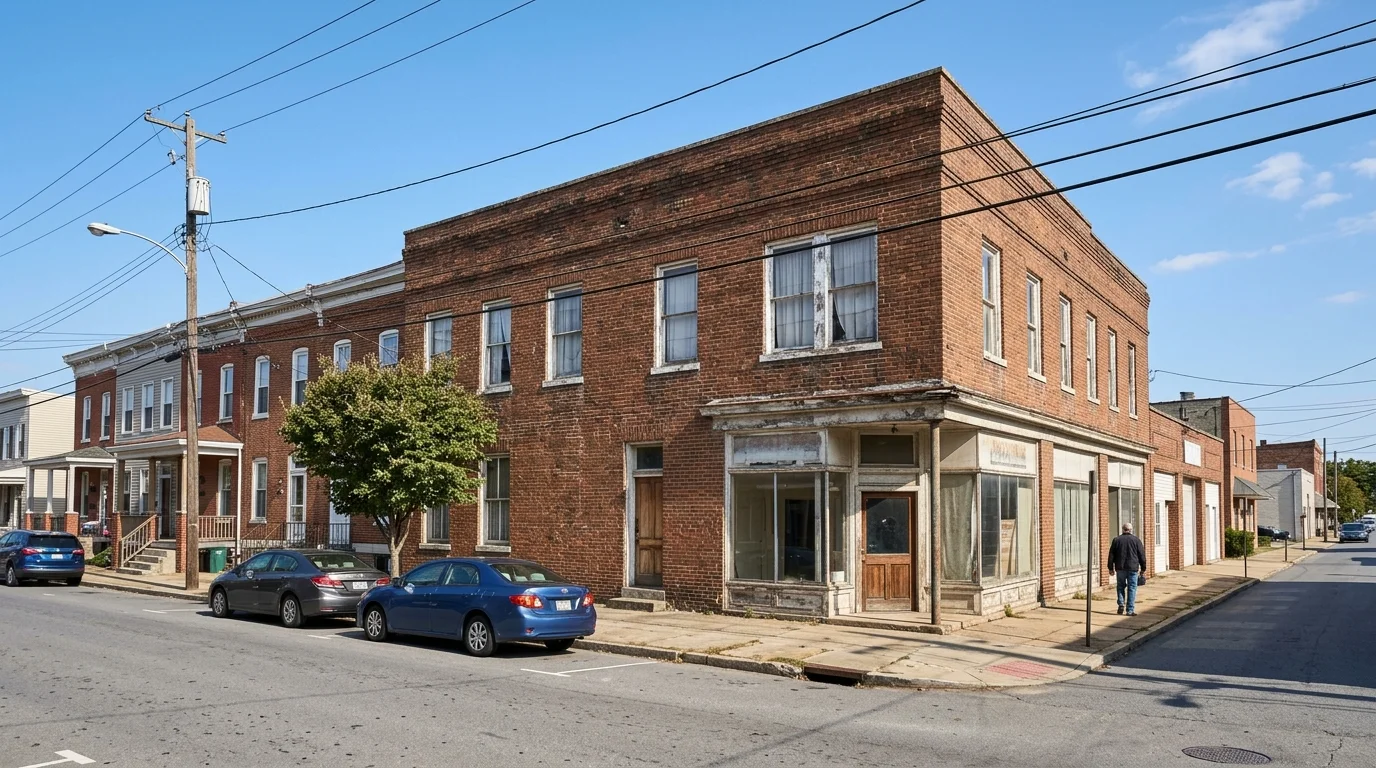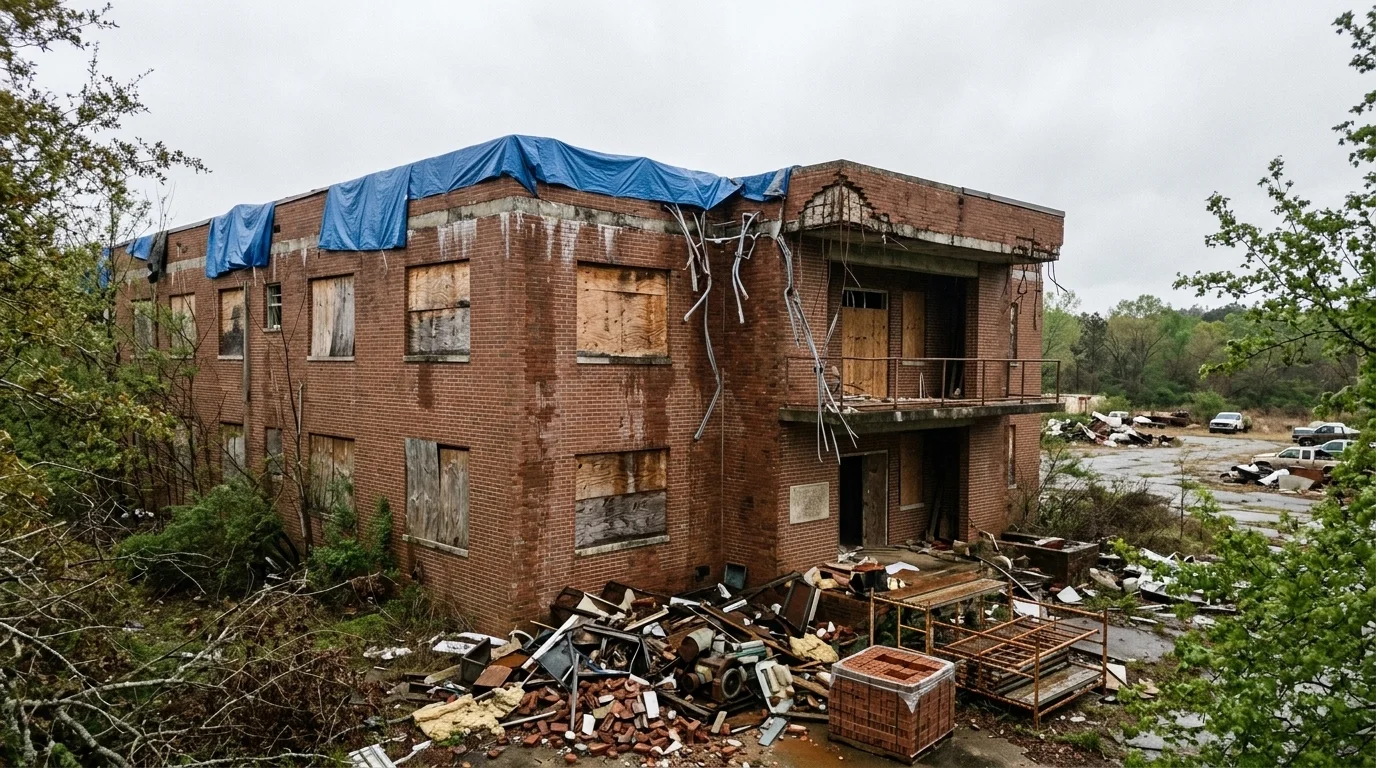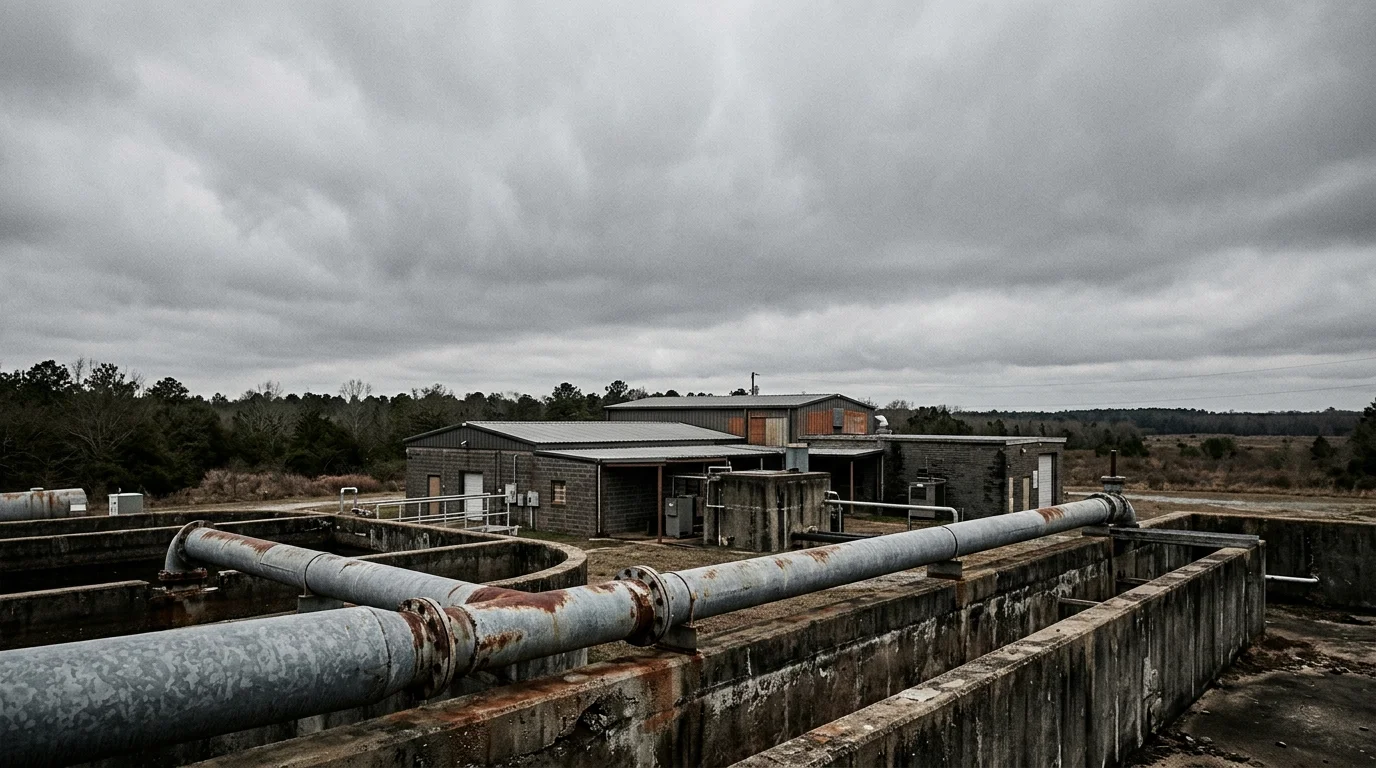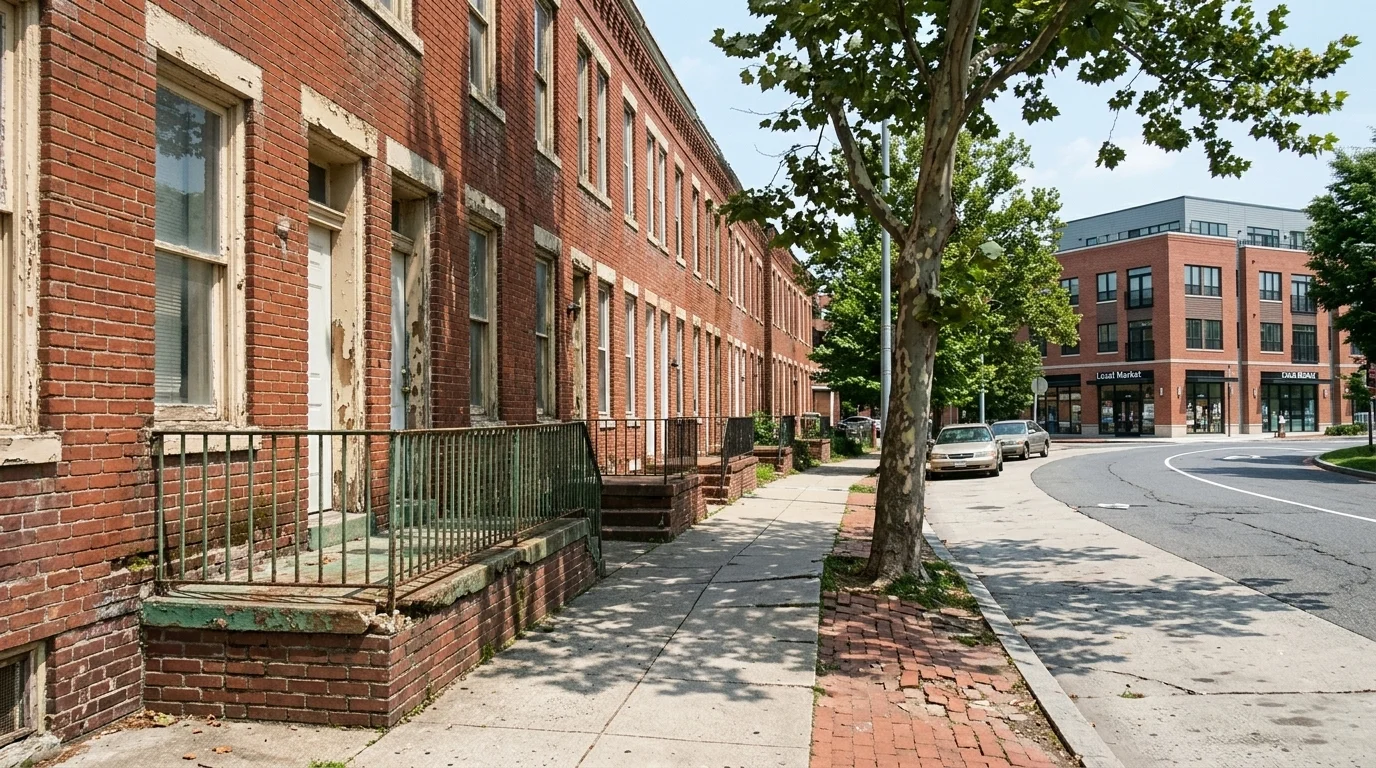
Washington's public housing authority is looking for a private developer to tear down and rebuild the Sibley Townhomes, a small public housing community in the rapidly gentrifying Columbia Heights and Cardozo corridor of Northwest D.C., as it tries to reverse decades of physical deterioration while under intense federal scrutiny.
The District of Columbia Housing Authority (DCHA) is choosing a long-term development partner who would finance, construct, and manage a rebuilt community on the site near 12th and Fairmont NW. The effort is part of DCHA's broader Transformation Plan, which aims to convert aging, deteriorating public housing into mixed-income communities by bringing in private capital through HUD's Rental Assistance Demonstration program. Under that model, traditional public housing units are converted to project-based Section 8 contracts, making them attractive to private developers who can access financing unavailable to public housing authorities. Active solicitations are listed on DCHA's procurement portal.
The timing is difficult for the agency. In October 2022, HUD issued a scathing assessment finding DCHA failing in 82 of 99 oversight categories, including unsafe living conditions and failure to inspect thousands of units, placing it among the worst-run housing authorities in the country. Tenant complaints about mold, rodents, broken elevators, and long-vacant units have drawn sustained coverage from local outlets and repeated criticism at the D.C. Council. The council responded in 2023 by restructuring the DCHA Board.
Source: NationGraph.
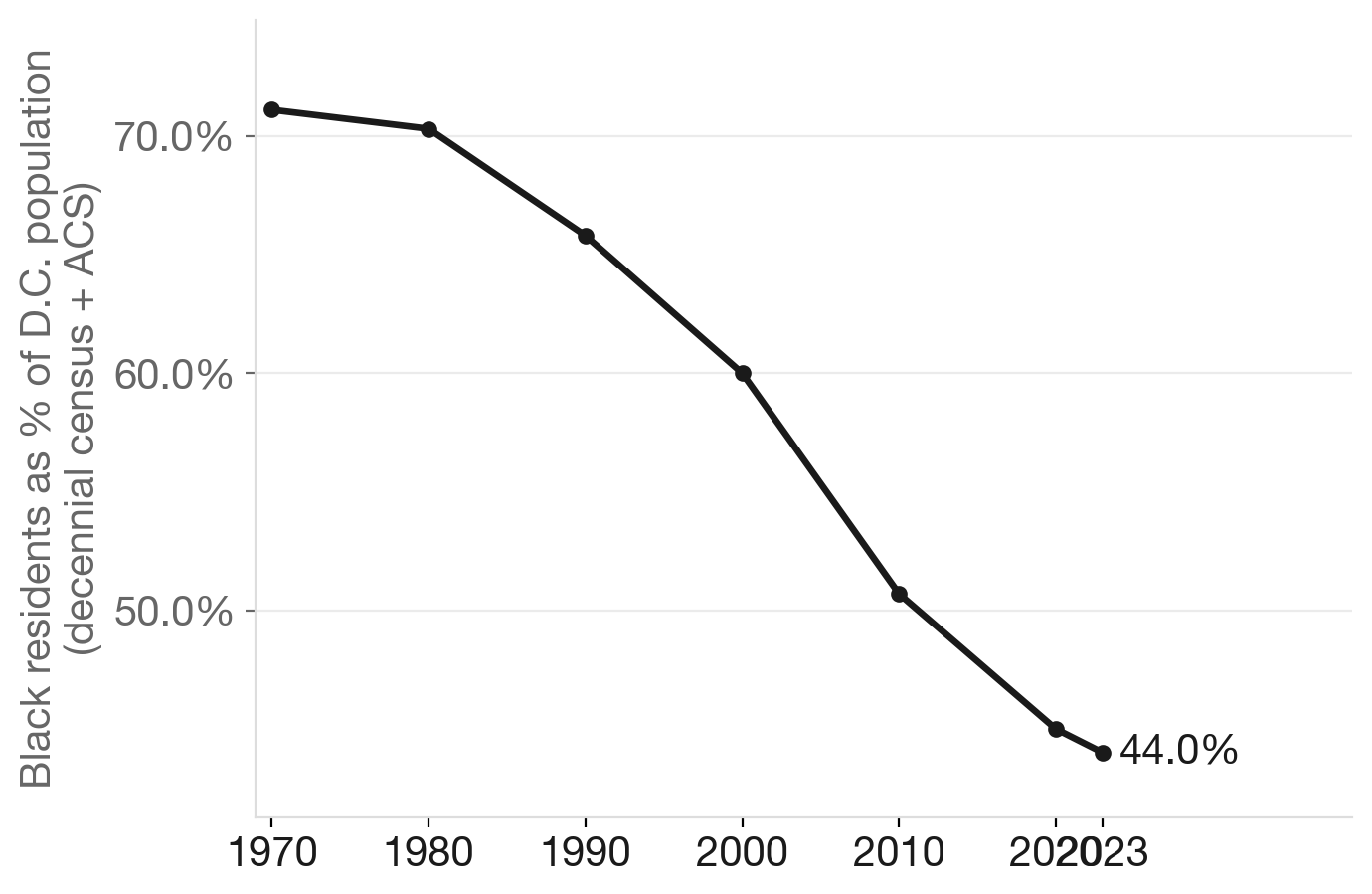
For residents, the stakes are immediate. D.C. is already one of the least affordable cities in the country, with median home prices above $600,000 and average one-bedroom rents near $2,300 a month. DCHA houses roughly 50,000 residents and has a waiting list that has been closed to new applicants since 2013, with more than 40,000 households still on it. Ward 1, where Sibley sits, has gentrified sharply in recent years, and any redevelopment there carries a familiar question that has dogged other DCHA projects: whether the low-income residents who currently live there will actually be able to return once construction is done.
Other DCHA redevelopments pursued under the same model, including Barry Farm, Greenleaf and Park Morton, have all faced delays and disputes over whether displaced residents got genuine right-to-return guarantees and whether deeply subsidized units were replaced one-for-one. Sibley, as a smaller scattered-site property, may move faster, but the concerns are the same.
No timeline for developer selection or construction has been publicly announced. The agency's ability to execute, and to protect current residents through the process, will be an early test of whether its Transformation Plan can deliver more than its predecessors.