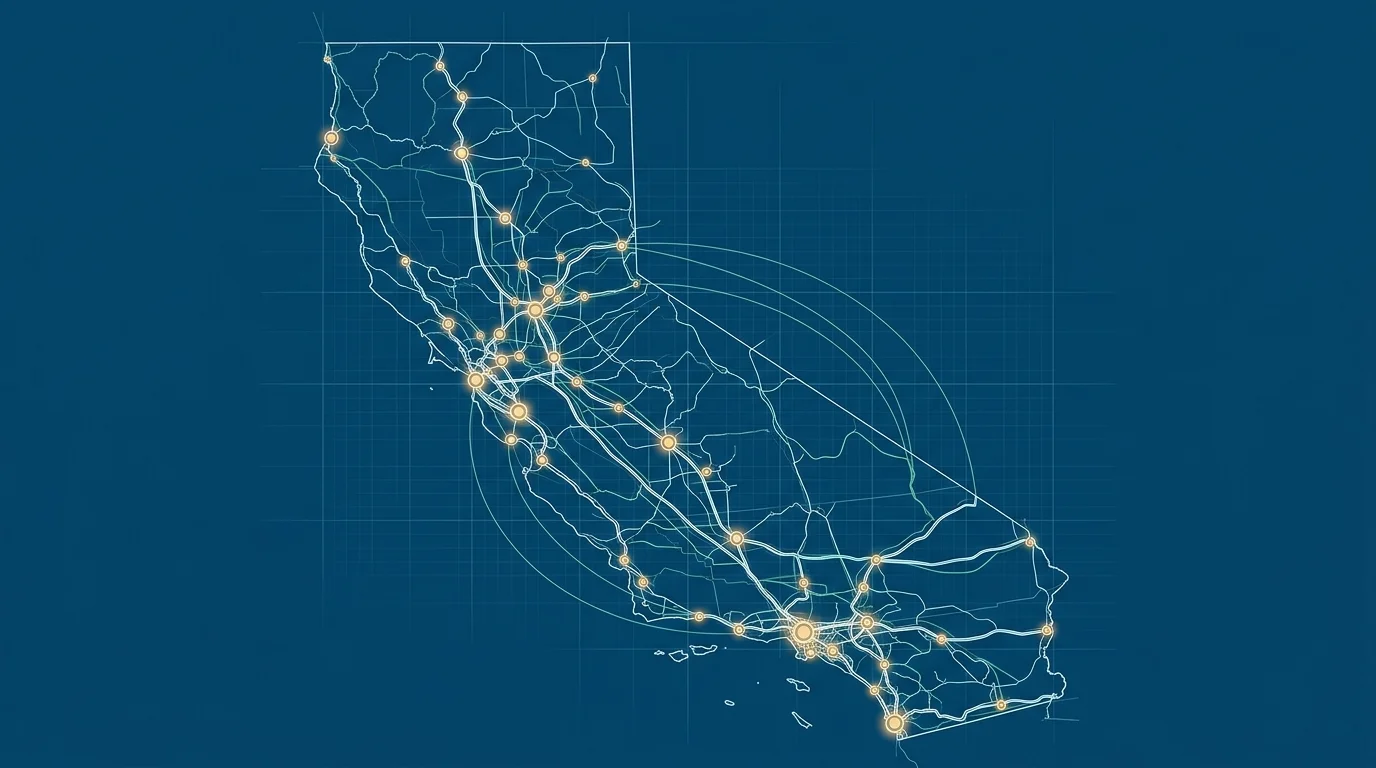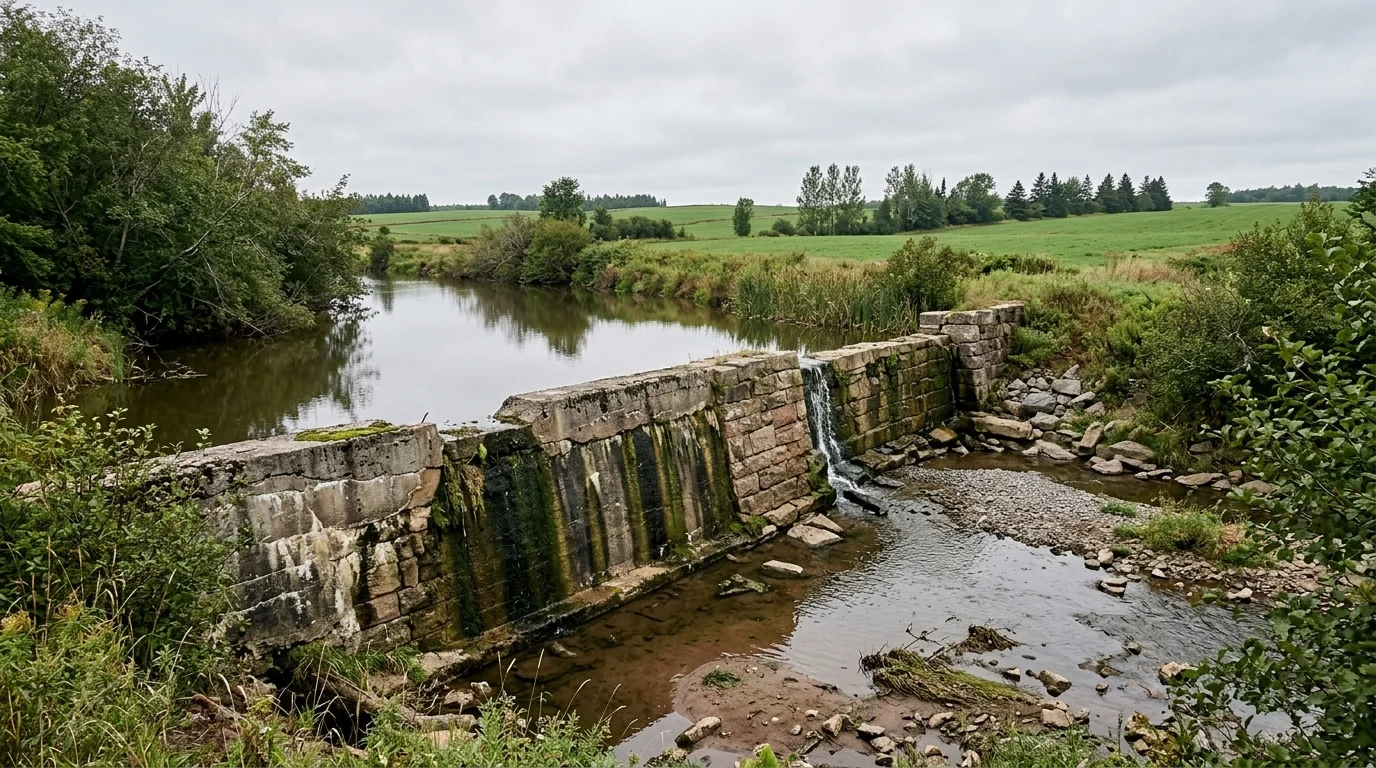
Prince Edward Island is taking the next concrete step toward removing another aging dam, part of a quiet but accelerating provincial campaign to dismantle water infrastructure built for 19th-century mills and ice ponds that now warm rivers, trap farm runoff, and block fish passage.
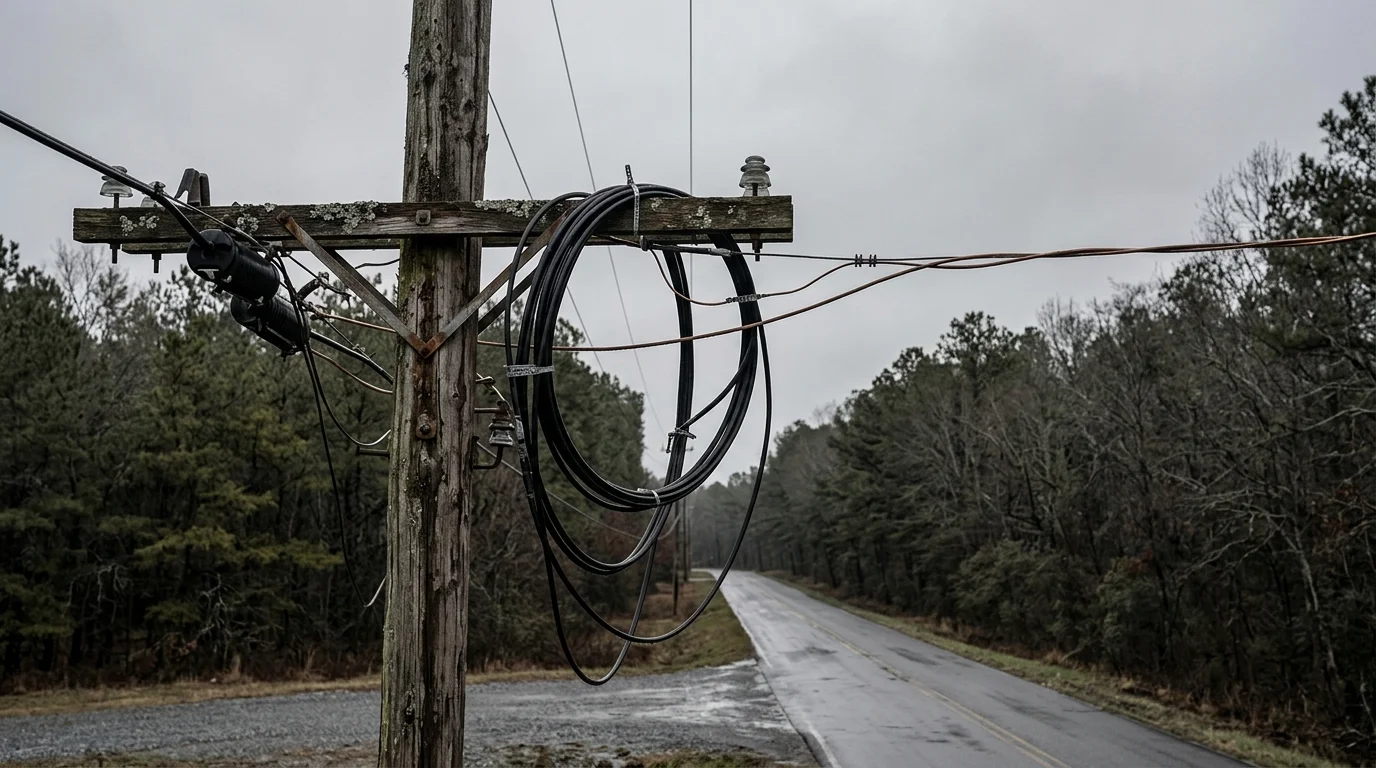
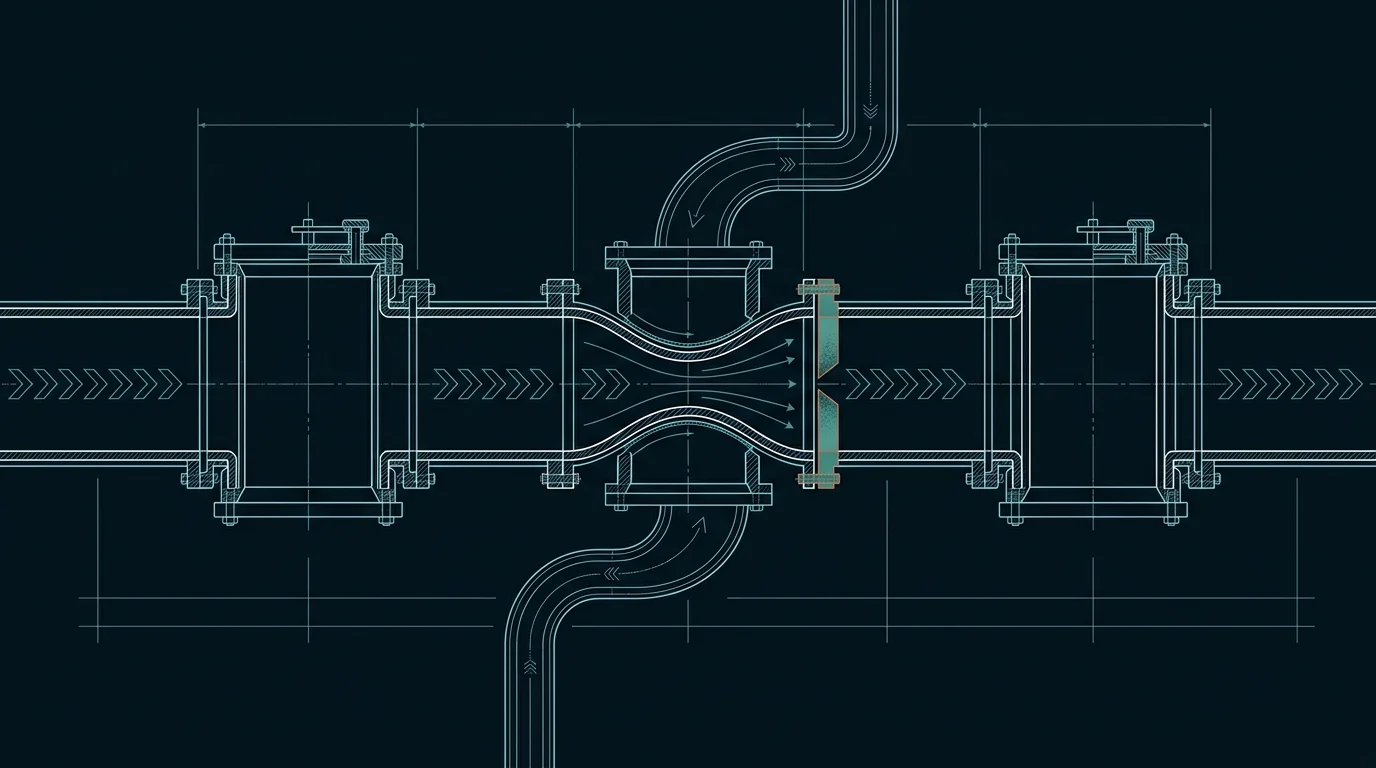
Before the dam itself can come out, two pieces of enabling work have to happen first: nearby properties need new septic systems so they are no longer tied to the dam's impounded water table, and downstream road crossings need upgraded culverts sized for a free-flowing river and future flood events. Those preparatory contracts are now being sought through the federal procurement portal CanadaBuys, with the tender posted Sept. 24. The federal involvement suggests funding likely flows through Fisheries and Oceans Canada or a related coastal restoration program, though the specific watershed and dollar value were not disclosed in the posting.
The "Stage 2" label on the contract means design and preliminary work are already done. What's left is putting the preconditions in place so the dam can actually come down.
The stakes on PEI are higher than they might appear elsewhere. The island's rivers have been badly stressed for decades by agricultural runoff, particularly nitrogen from the potato farming that dominates roughly 40% of PEI's land. Dams make that problem worse: impounded water warms to temperatures lethal for brook trout and Atlantic salmon, and sediment loaded with nitrates pools behind the structure instead of flushing through. PEI is also the only province where every resident drinks groundwater, making the connection between septic systems, farm runoff, and watershed health unusually direct and politically charged.
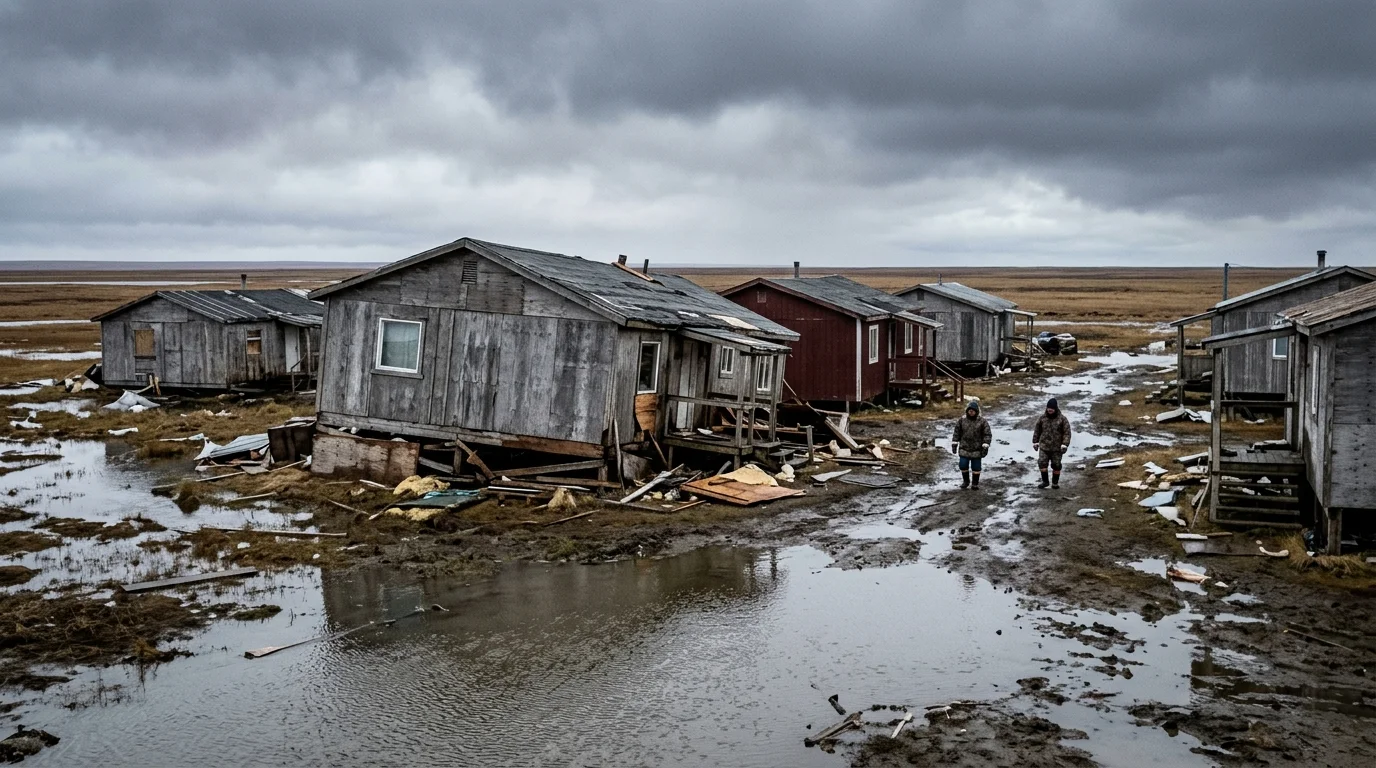
Fish kills tied to low-oxygen conditions in PEI estuaries drew provincial and federal attention through the 2010s, and Hurricane Fiona in September 2022, the most destructive storm in the island's recorded history, washed out undersized culverts across the province and reset the political conversation around how water infrastructure should be built. Since then, both levels of government have prioritized climate-resilient watercourse crossings alongside the broader dam removal effort.
More than 2,000 dams have been removed across North America since 1990, with the pace picking up sharply amid new federal funding in both the U.S. and Canada. PEI's watershed groups and the Atlantic Salmon Federation have pushed hard for removals, though some landowners and cottage associations have resisted losing the recreational ponds the dams create.
Once the septic and culvert work is complete, the dam removal itself would follow as the project's next phase.