Minneapolis is moving to rebuild its bike-share system two years after Lyft shut down Nice Ride, the program that had made the city a national model for urban cycling, and this time the city is demanding solutions to the two failures that brought the old system down: rampant theft and unequal access.
The city has posted a request for proposals seeking both a "Secure Biking Network" and an operator to run it, a bundled approach that signals Minneapolis wants more than just a vendor dropping dockless bikes on city sidewalks. The emphasis on security is a direct response to problems that plagued Nice Ride's final years: theft and vandalism of e-bikes were widely cited as a key factor in Lyft's 2023 decision to pull out, leaving the city without any formal bike-share for the first time since 2010.
But the equity piece may be just as consequential. Nice Ride stations concentrated heavily in Uptown, downtown and other wealthier neighborhoods, while North Minneapolis and parts of the Southside went largely unserved. The city's own 2018 equity study documented those gaps, and they drew sustained criticism throughout Nice Ride's run. Minneapolis's Transportation Action Plan and its 2023 Climate Equity Plan both set mode-shift targets that depend on shared bikes actually reaching low-income and BIPOC communities.
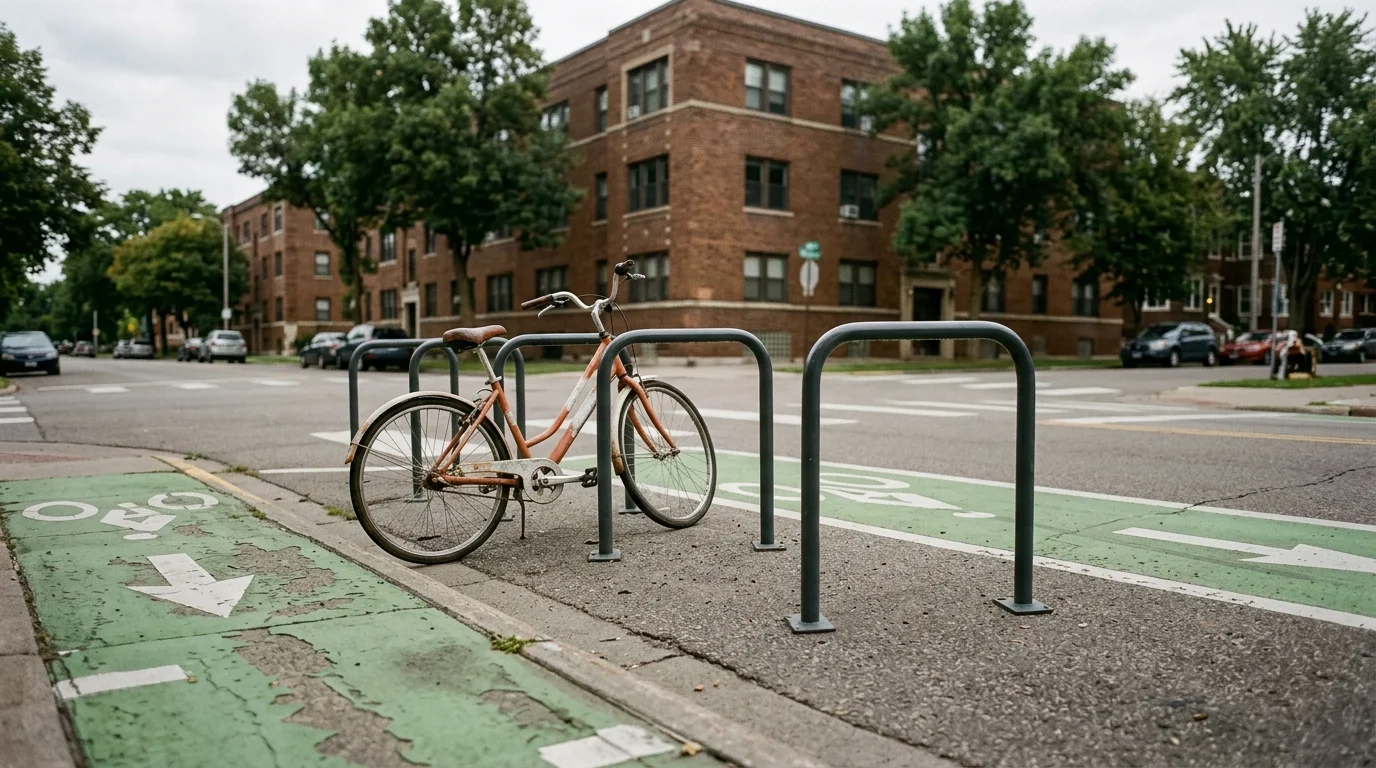
Minneapolis remains one of the most bike-friendly large cities in the country, with an extensive protected lane network and the Midtown Greenway running east-west through the heart of the city. Scooter operators like Lime have partially filled the micromobility gap since Lyft's exit, but bike-share has been absent entirely. The city is now trying to rebuild that infrastructure in a way that outlasts the next operator's business calculation.
One practical challenge any new operator will face: Minnesota winters effectively limit cycling infrastructure to roughly an eight-month season, a constraint that has always complicated the economics of bike-share here.
The city's broader push to direct investment toward historically underserved areas, a commitment that has grown more urgent since 2020, runs through this effort as well. Similar equity-focused investment has shaped other Minneapolis initiatives, including a planned trail extension along Minnehaha Creek that would connect neighborhoods long cut off from the greenway system.
No timeline for selecting an operator has been announced publicly.