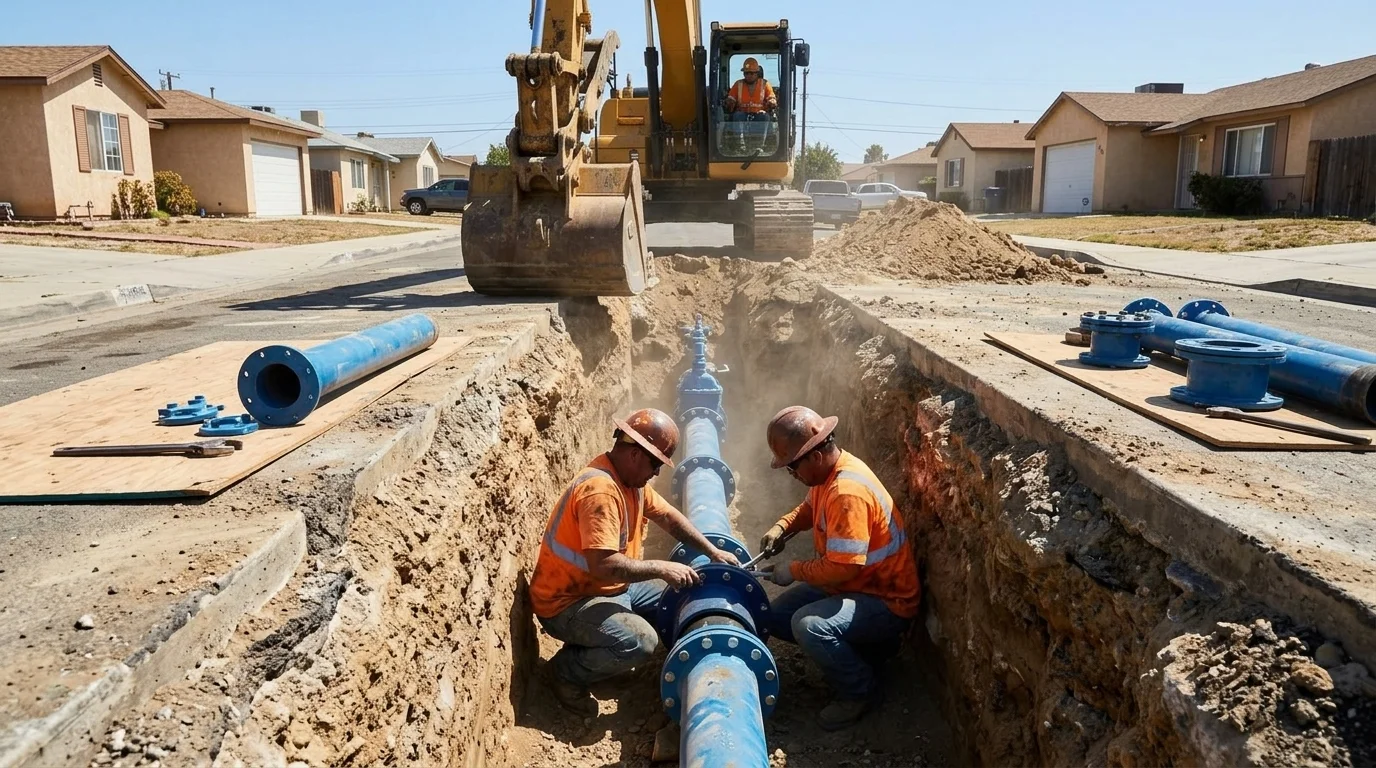
Houston is moving forward with another round of sewer pipe repairs as the city races to stop the flow of raw sewage into its bayous and comply with a federal cleanup order that could cost $2 billion before it's done.
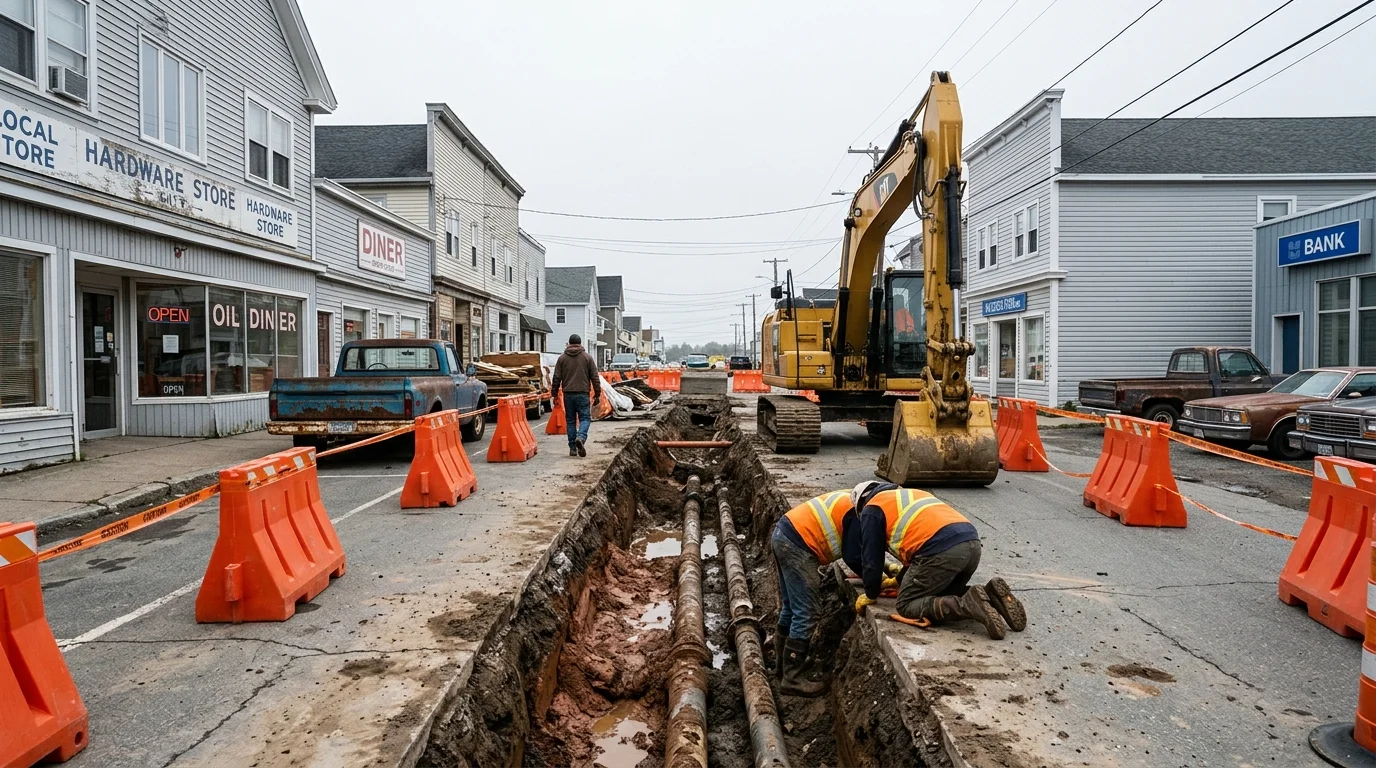
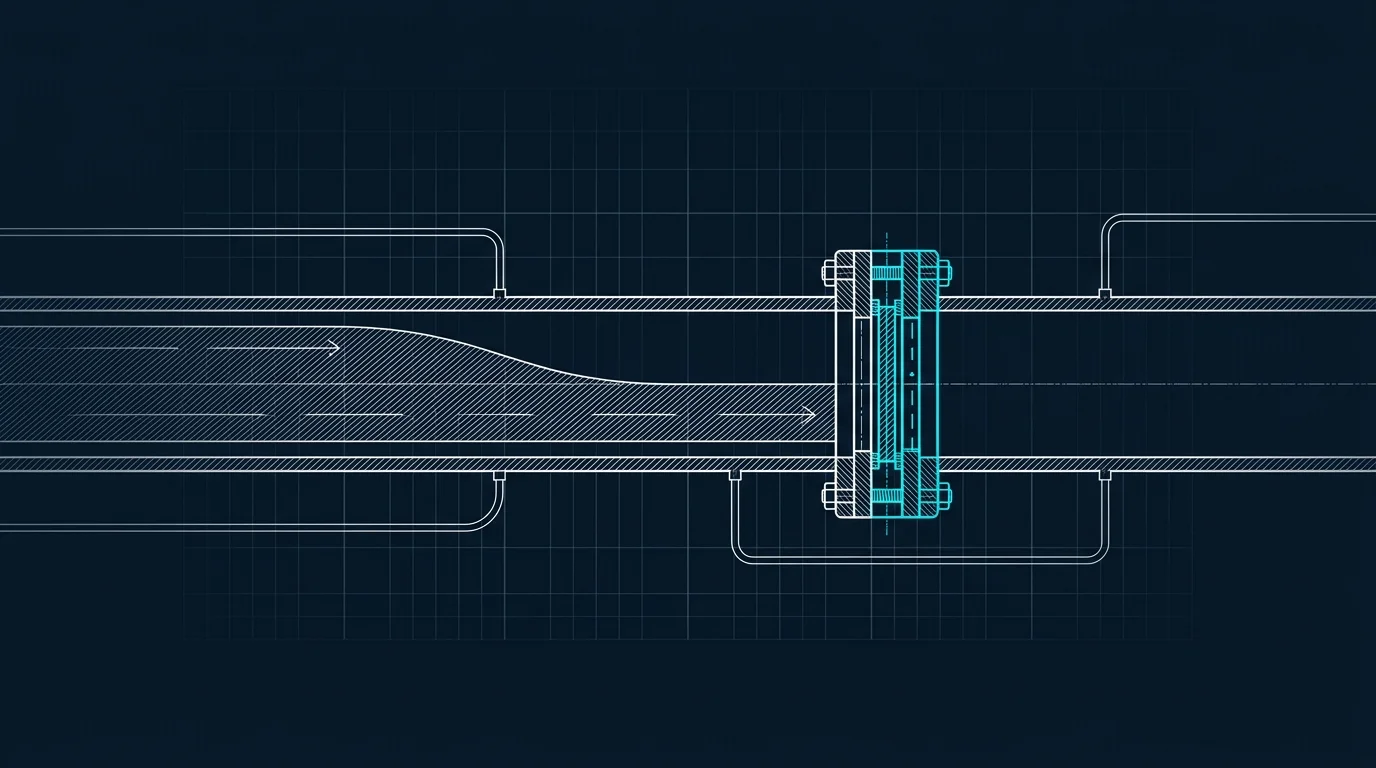
The work targets deteriorating pipes across the nation's fourth-largest city using cured-in-place pipe (CIPP) technology, a trenchless method that threads a resin-saturated liner into a damaged pipe and hardens it in place, forming a new pipe inside the old one without tearing up streets. For a city with 6,700 miles of wastewater lines, the approach is faster and roughly half the cost of conventional dig-and-replace repairs.
The urgency is federally imposed. In 2019, Houston entered a consent decree with the EPA and the Texas Commission on Environmental Quality after years of discharging billions of gallons of raw or partially treated sewage into Buffalo Bayou, Brays Bayou, and Galveston Bay in violation of the Clean Water Act. The agreement requires the city to overhaul its wastewater infrastructure over 15 years, and sewer pipe rehabilitation is central to that plan.
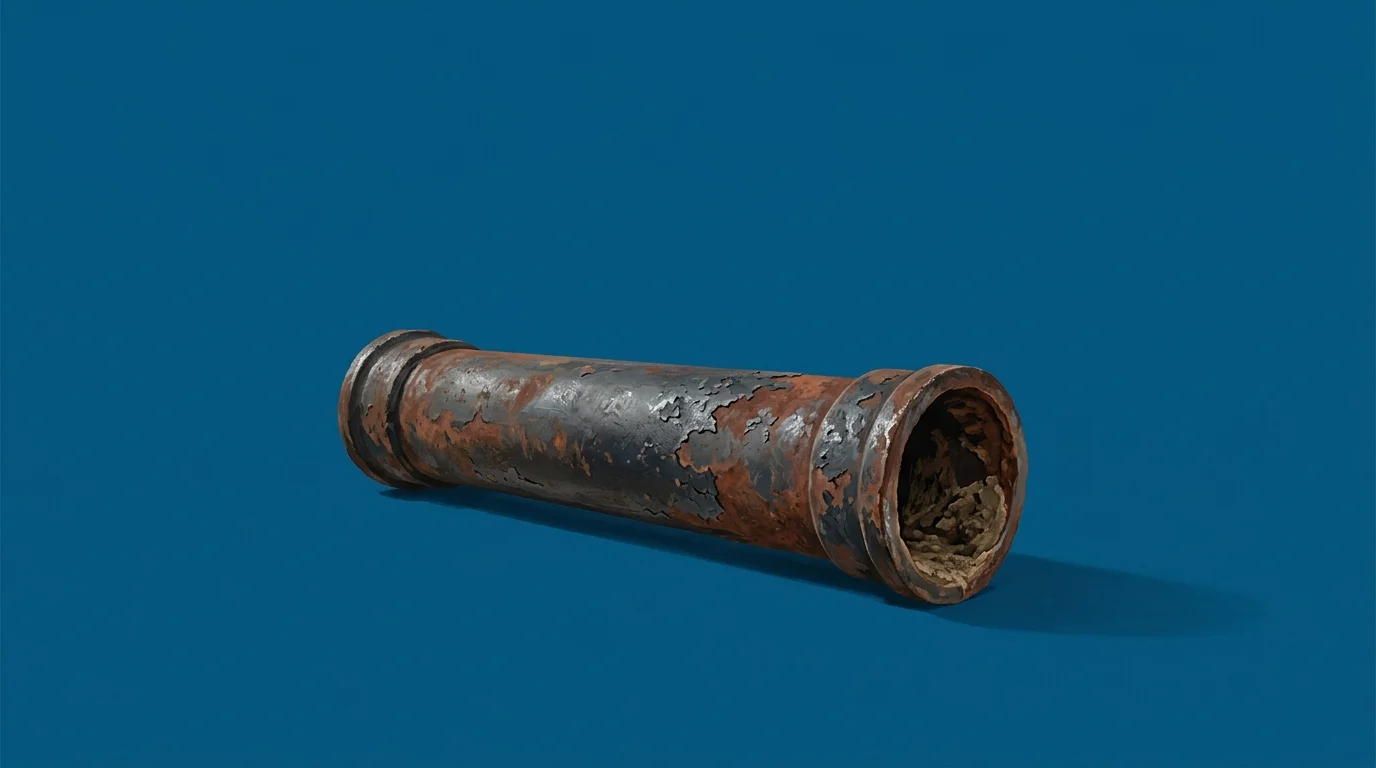
Houston's pipes face an unusually punishing environment. Much of the system was built during the city's postwar suburban boom, meaning large stretches are now 40 to 70 years old. The city's flat topography, high water table, and expansive clay soils, which swell and contract with rainfall, put constant stress on pipe joints. Houston averages around 50 inches of rain a year and sits in the path of Gulf storms. Hurricane Harvey alone dumped more than 60 inches on parts of the region in 2017, overwhelming a sewer system already prone to what engineers call infiltration and inflow: groundwater and stormwater seeping in through cracks and failed joints, swamping capacity and triggering overflows.
The city has reported thousands of sanitary sewer overflows per year. Those spills foul waterways, close parks, and draw the regulatory scrutiny that produced the consent decree in the first place.
Federal infrastructure funding has helped accelerate the pace of repairs. The 2021 Bipartisan Infrastructure Law directed $55 billion nationally toward water and wastewater systems, and Texas has channeled a significant portion of its share to Houston through the Texas Water Development Board's revolving loan programs.
Reports in recent years indicated Houston was running behind on some consent decree milestones, adding pressure to move faster. Mayor John Whitmire, who took office in 2024, has made infrastructure investment a stated priority, though rising water and sewer rates, already climbing to fund compliance work, remain a sore point in a city where median household income sits around $56,000.
One long-running concern with CIPP work involves the chemicals used in the curing process. A 2018 Purdue University study raised questions about styrene and other volatile organic compounds that can be released during installation, and some cities have tightened environmental controls as a result. How Houston manages those requirements on this contract will be worth watching.
The city has issued multiple CIPP contracts in recent years as part of a systematic rehabilitation cycle. This latest round is another step in a long-term campaign with a hard federal deadline still years away but closing.