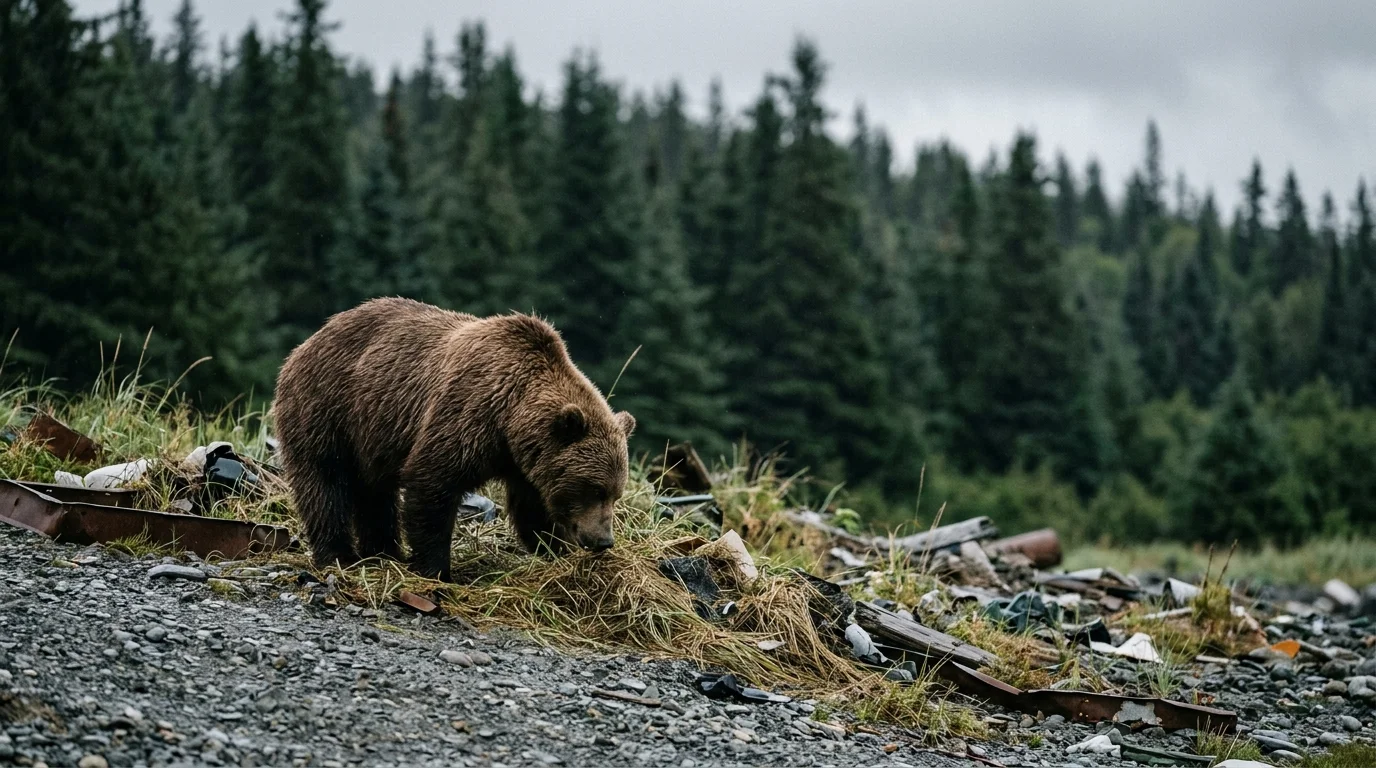
Cordova, Alaska is moving to build an electrified fence around its remote landfill, a small but consequential step in a town where brown bears and people share one of the most compressed landscapes in North America.
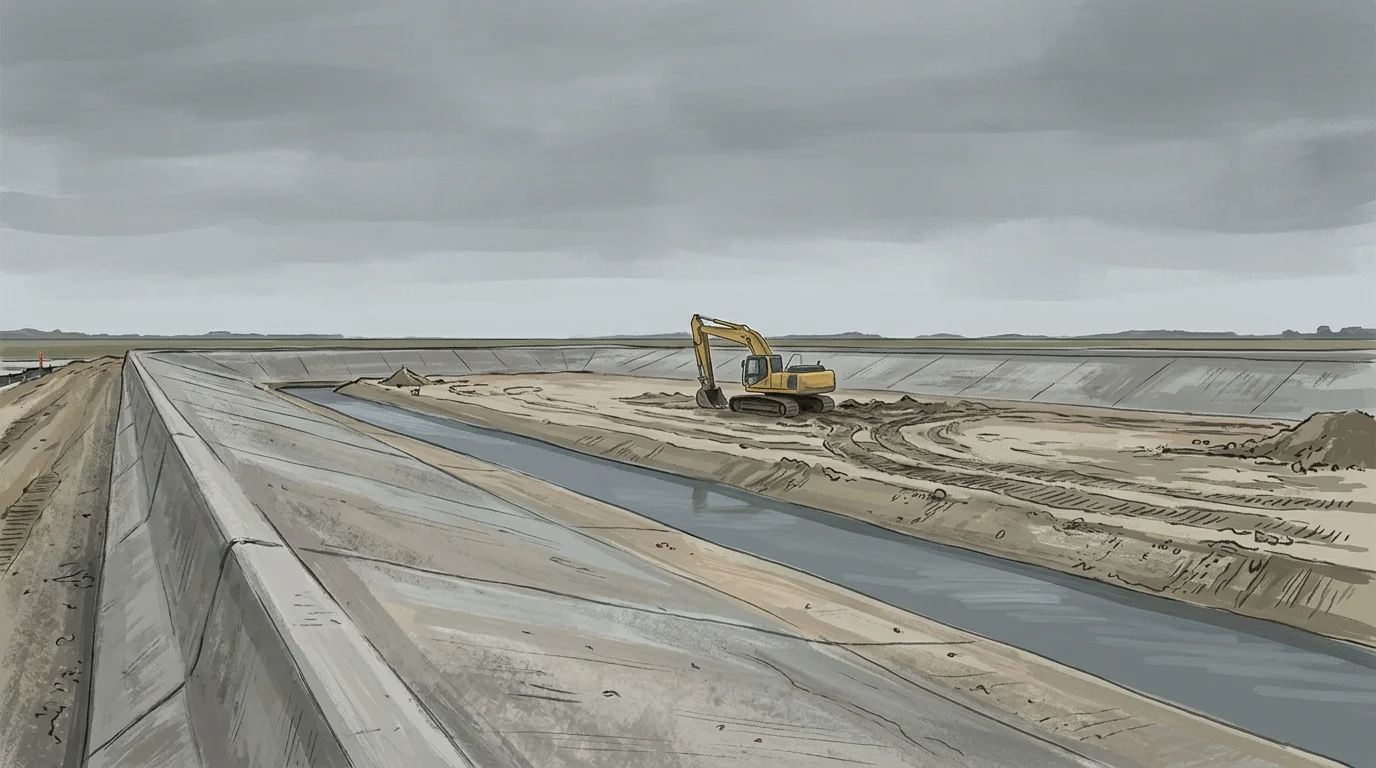
The 17 Mile Landfill sits along the Copper River Highway outside this isolated fishing community of roughly 2,600, deep in the Copper River Delta ecosystem, which hosts one of the highest brown bear densities on the continent. Salmon streams run nearby. Bears have long found the landfill an easy meal.
The problem with that is straightforward: bears that learn to eat garbage stop fearing humans, come back repeatedly, and teach their cubs to do the same. Alaska wildlife managers call them "food-conditioned" bears, and the Alaska Department of Fish and Game has documented for years that food conditioning is the leading cause of preventable bear mortality in the state. Bears that keep returning to human food sources typically end up killed, either by residents acting in defense of life or property or by wildlife officers.
Source: NationGraph.
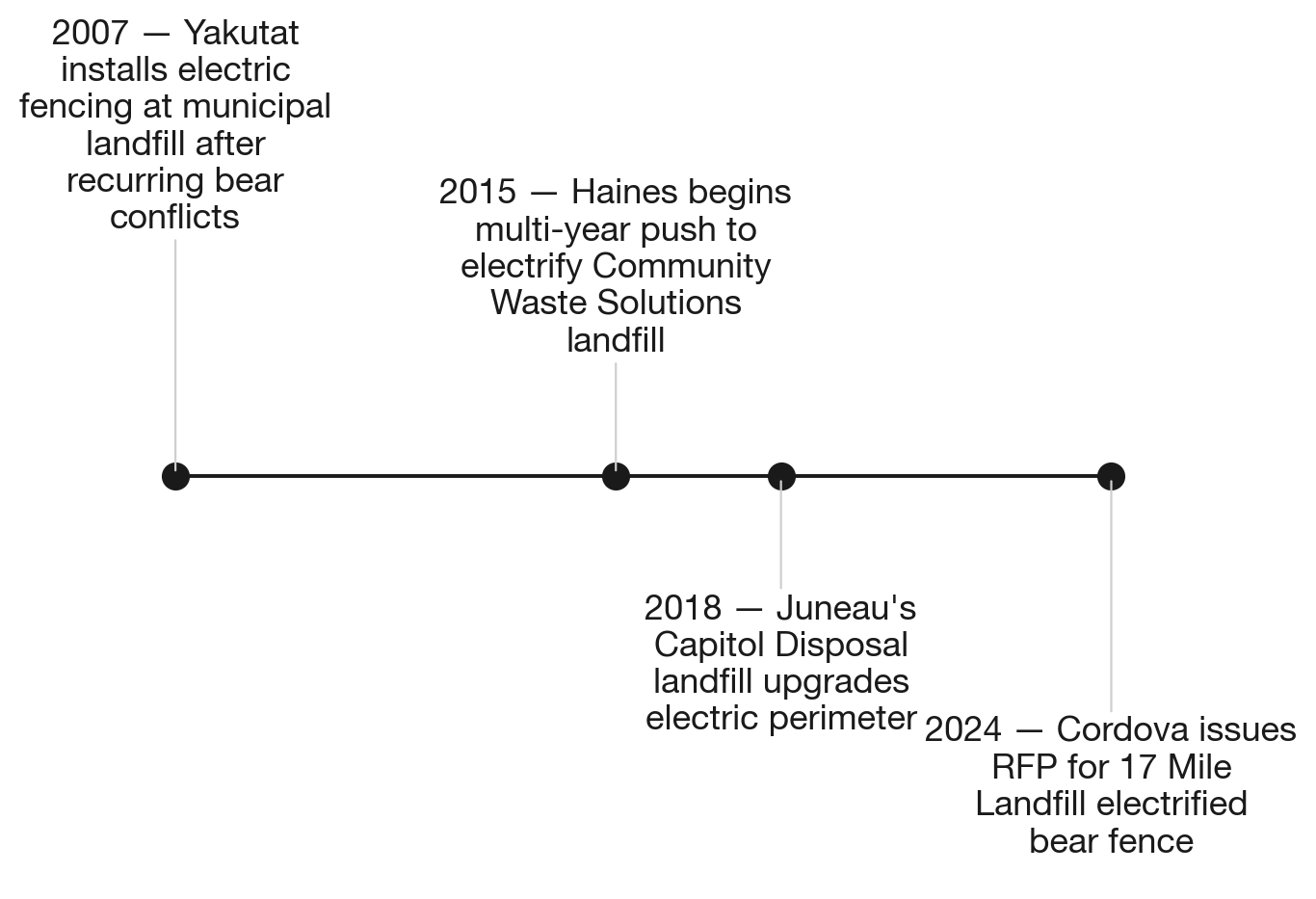
Electric fencing, usually seven to 10 strands running at 5,000 to 7,000 volts on solar power, has become Alaska's standard fix for exactly this situation. Communities including Yakutat, Haines, Juneau and Whittier have all made the move, many of them pushed by Alaska Department of Environmental Conservation compliance requirements. State solid waste regulations explicitly require landfill operators to control vectors, and state guidance includes bears in that category. Cordova is arriving late to this wave, amid similar regulatory pressure along with community frustration over recurring incidents and concerns about liability.
The fence is also expected to address a related nuisance: litter blowing off the site. The city's project listing frames the work as both bear and litter mitigation, suggesting the infrastructure will serve double duty.
For a town accessible only by boat or plane, with an economy built on the Copper River salmon fishery, any significant capital project carries weight. The city has not disclosed the project budget, fence length, or construction timeline. Those details will likely become clearer as contractor proposals come in.
Cordova has been investing in other core infrastructure as well. The city is rebuilding its harbor, the economic backbone of the salmon fishery that defines life there.
For now, the bear fence marks a shift from informal deterrence toward a permanent engineering solution, one that wildlife managers say saves bears' lives as much as it protects the landfill.