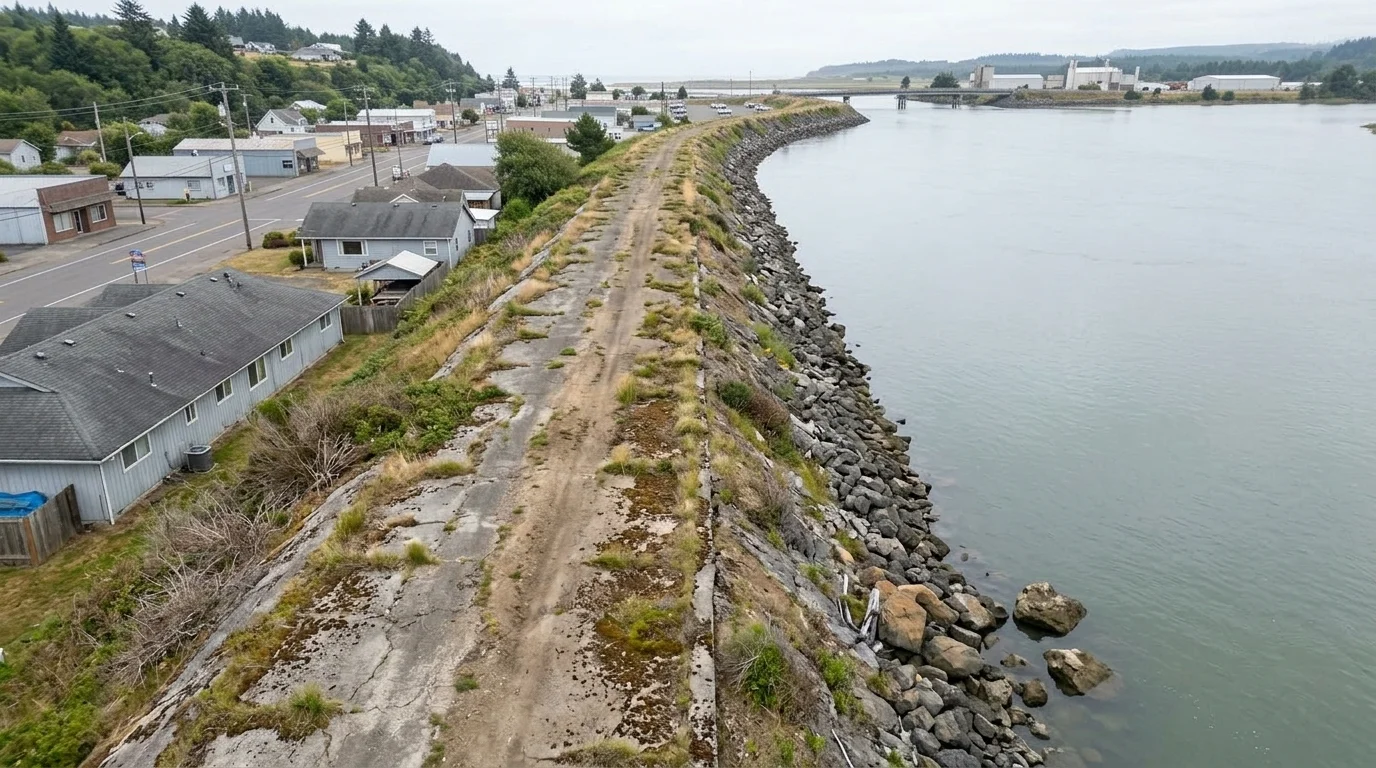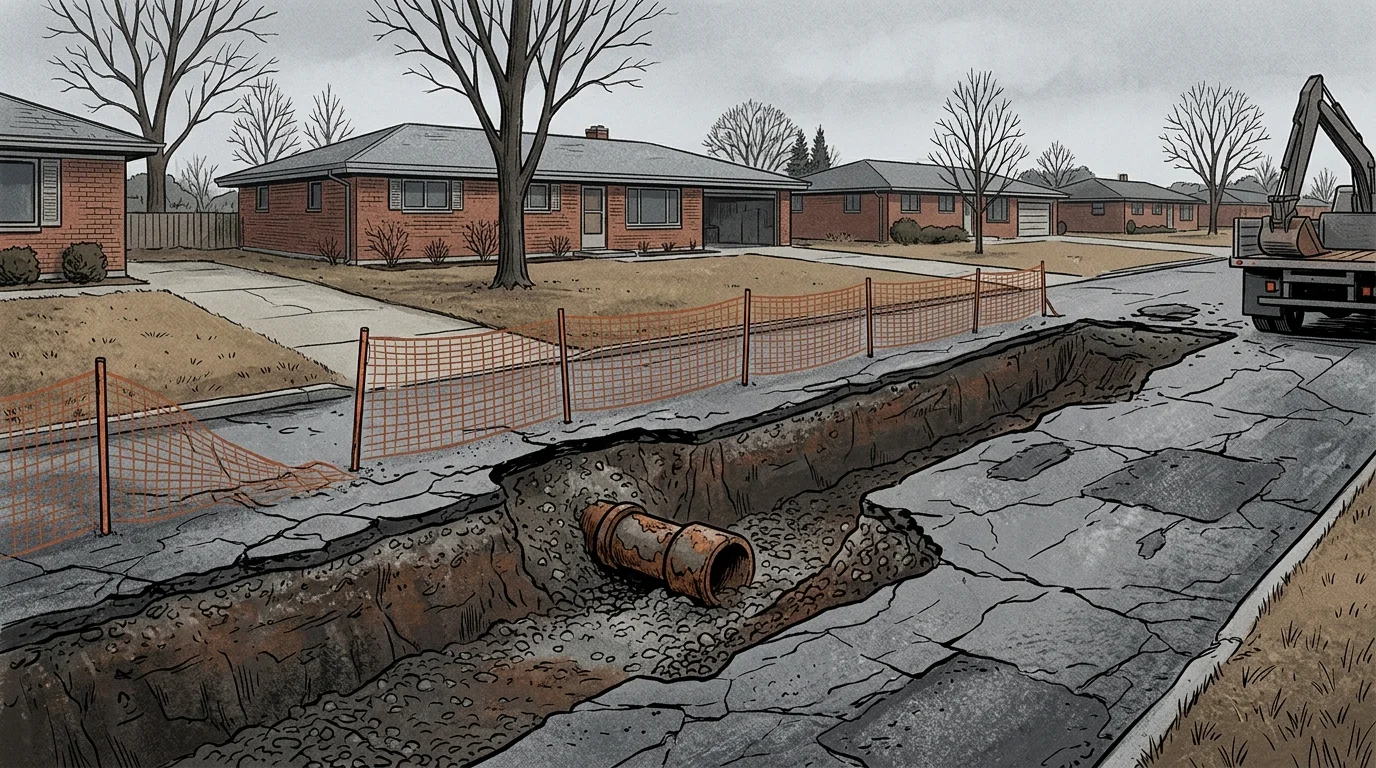
Rowlett, Texas is moving ahead with the second phase of a ground-up rebuild of Country Aire Estates, a 1970s-era subdivision whose streets, water lines, and drainage have been deteriorating for decades alongside much of the city's aging infrastructure.
The project follows a pattern common across fast-growing Dallas-Fort Worth suburbs: neighborhoods that boomed between the 1970s and 1990s are now hitting the wall on infrastructure that's 30 to 50 years old, forcing cities into expensive catch-up spending at the same time they're absorbing new residents. Rowlett, a city of roughly 65,000 on Lake Ray Hubbard in northeast Dallas County, has been working through that backlog methodically, backed by a $74 million voter-approved bond package in 2018 and a follow-on $69 million bond program in 2023 that made street reconstruction a top priority after years of resident complaints.
Rather than patching problems street by street, Rowlett's approach is to rebuild entire neighborhoods at once, replacing pavement, water mains, sewer lines, and drainage systems in a single coordinated effort. That strategy costs more upfront but avoids the cycle of tearing up newly paved roads to fix pipes underneath, and it limits how long residents have to live with construction disruption. Country Aire Estates homeowners, many of them long-tenured, have raised pavement and drainage concerns at city council meetings for years.
Phase 1 of the Country Aire Estates reconstruction was completed in an earlier project cycle. The city is now seeking a contractor for Phase 2, posted June 16, 2026. The total project cost and construction timeline have not been publicly disclosed in the solicitation posting.
Rowlett's infrastructure push took on added urgency after a devastating EF-4 tornado struck the city in December 2015, destroying hundreds of homes and accelerating citywide conversations about resilient neighborhood rebuilding. Country Aire Estates sits within that broader effort to modernize the city's oldest residential areas before further deterioration drives costs even higher.