A deteriorating bridge on County Road 268 in rural Suwannee County, Florida is getting a full replacement, backed by a $3.17 million federal grant flowing through the U.S. Department of Transportation's Bridge Formula Program.
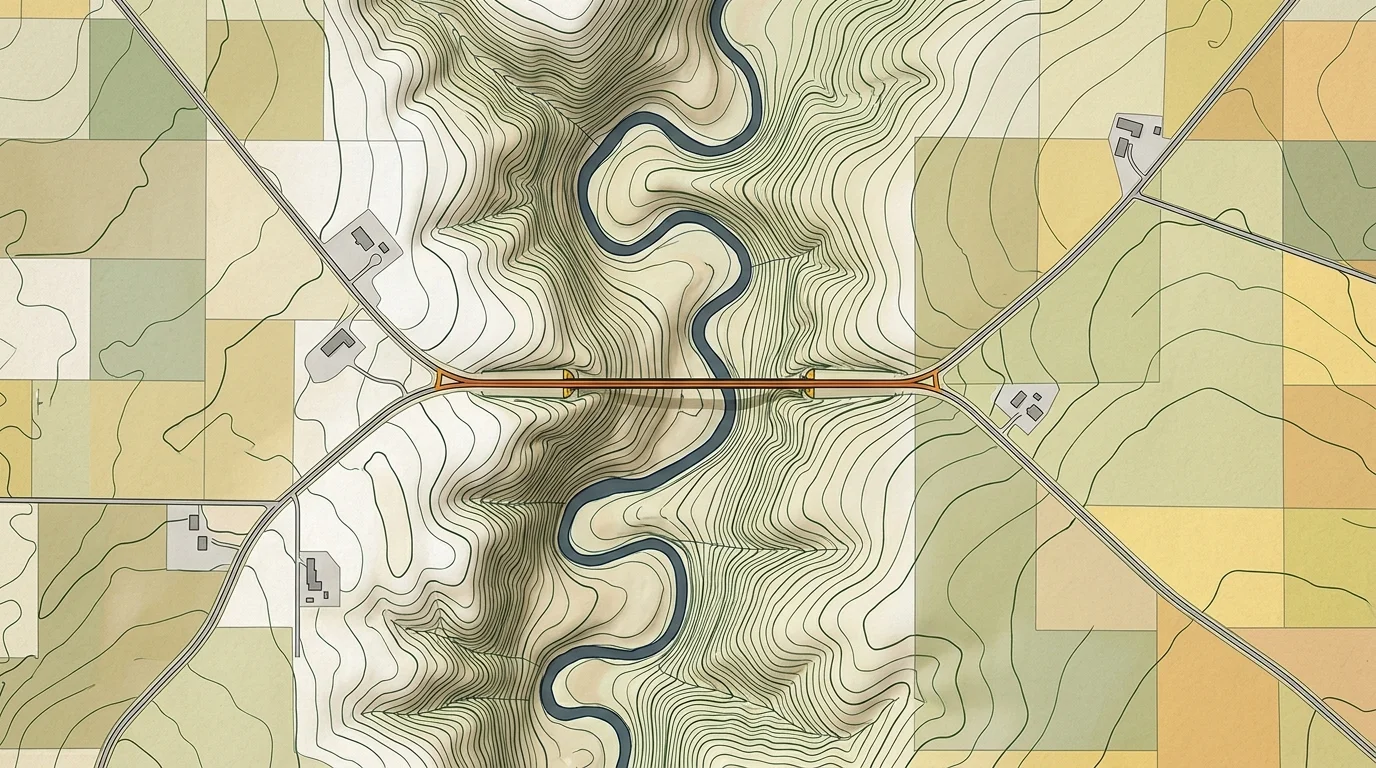
The bridge carries High Bridge Road over the Little River, a tributary of the Suwannee River in north-central Florida. The structure was deemed too far gone for repair, so crews will replace it entirely. For the roughly 44,000 residents of Suwannee County, that bridge isn't an abstraction: it's a connector for farmers, timber operators, and rural households who would face long detours on an already sparse road network if it were closed or load-restricted.
The problem is one of math. Suwannee County's entire annual budget is a fraction of what a single bridge replacement costs, and this project is no exception. Like many rural counties that built bridges during the mid-20th century infrastructure boom, Suwannee is now watching those structures hit or exceed their 50-to-75-year design lives with little local money to address them. Federal dollars aren't a bonus here; they're the only way projects like this happen.
The funding comes from the Bridge Formula Program, created under the 2021 Bipartisan Infrastructure Law as the largest dedicated federal bridge investment since the Interstate Highway System was built. The program directs $26.5 billion nationally over five years, with a specific requirement that at least 15 percent go to county roads and local routes that sit outside the federal highway system. CR 268 fits exactly that profile.
Florida has roughly $245 million in Bridge Formula Program money to work with, and the state has been among the more active in moving that funding into actual construction. The Little River crossing is one piece of that larger effort, which targets hundreds of Florida bridges flagged as needing significant work. The state's subtropical climate, coastal exposure, and flood-prone river systems accelerate deterioration faster than in many other states. The Little River area sees periodic flooding tied to hurricanes and tropical storms, which adds stress to aging structures over time.
Similar Bridge Formula Program dollars have funded rural replacements across the country, including a bridge in Pawnee, Oklahoma and a project in rural north Florida that faced comparable local funding constraints.
Construction timelines have not been publicly announced, but with the grant now posted, the replacement is moving into its active phase.