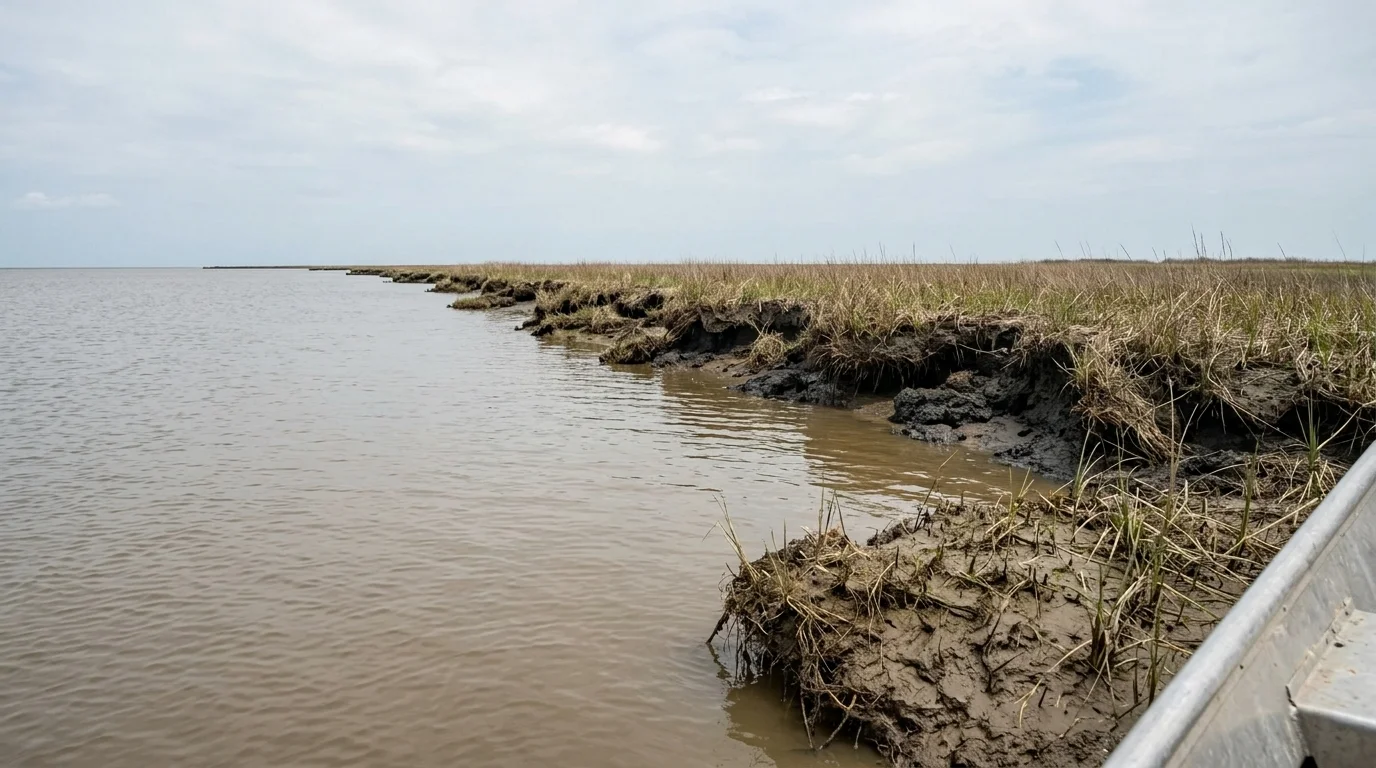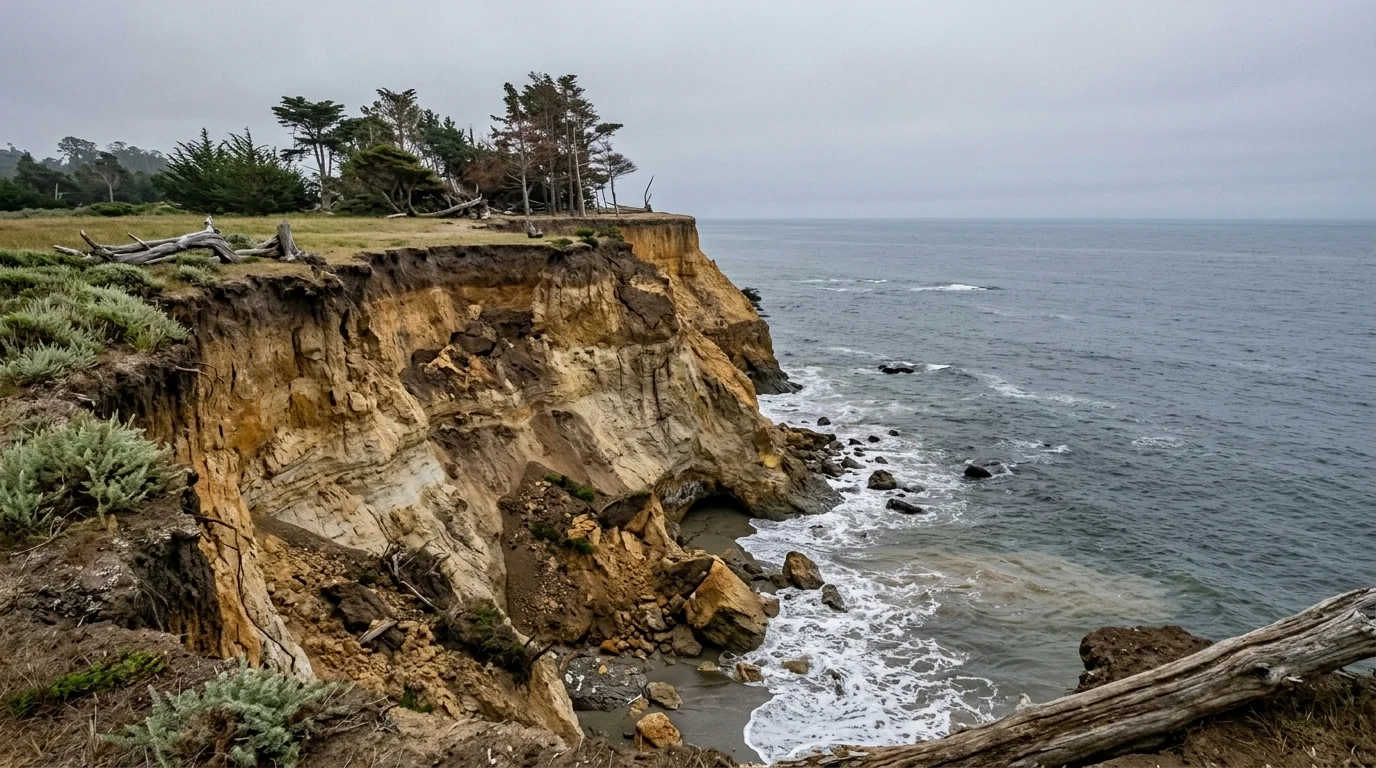
Shell middens, burial grounds, and village sites that California Native American tribes have tended for thousands of years are washing into the Pacific, and until now, the state's climate adaptation money has largely bypassed the communities watching it happen. California is changing that with its first dedicated tribal funding program for sea level rise, put forward by the Ocean Protection Council.
The Sea Level Rise Tribal Cultural Resources Funding Program opens planning grants to both federally recognized tribes and non-federally recognized tribes listed with the Native American Heritage Commission, an eligibility definition designed to reach communities that have historically been shut out of state grant infrastructure. Among the tribes with ancestral ties to California's 840-mile coastline are the Wiyot, Tolowa Dee-ni', Kashia Band of Pomo, Amah Mutsun, and multiple Chumash bands.
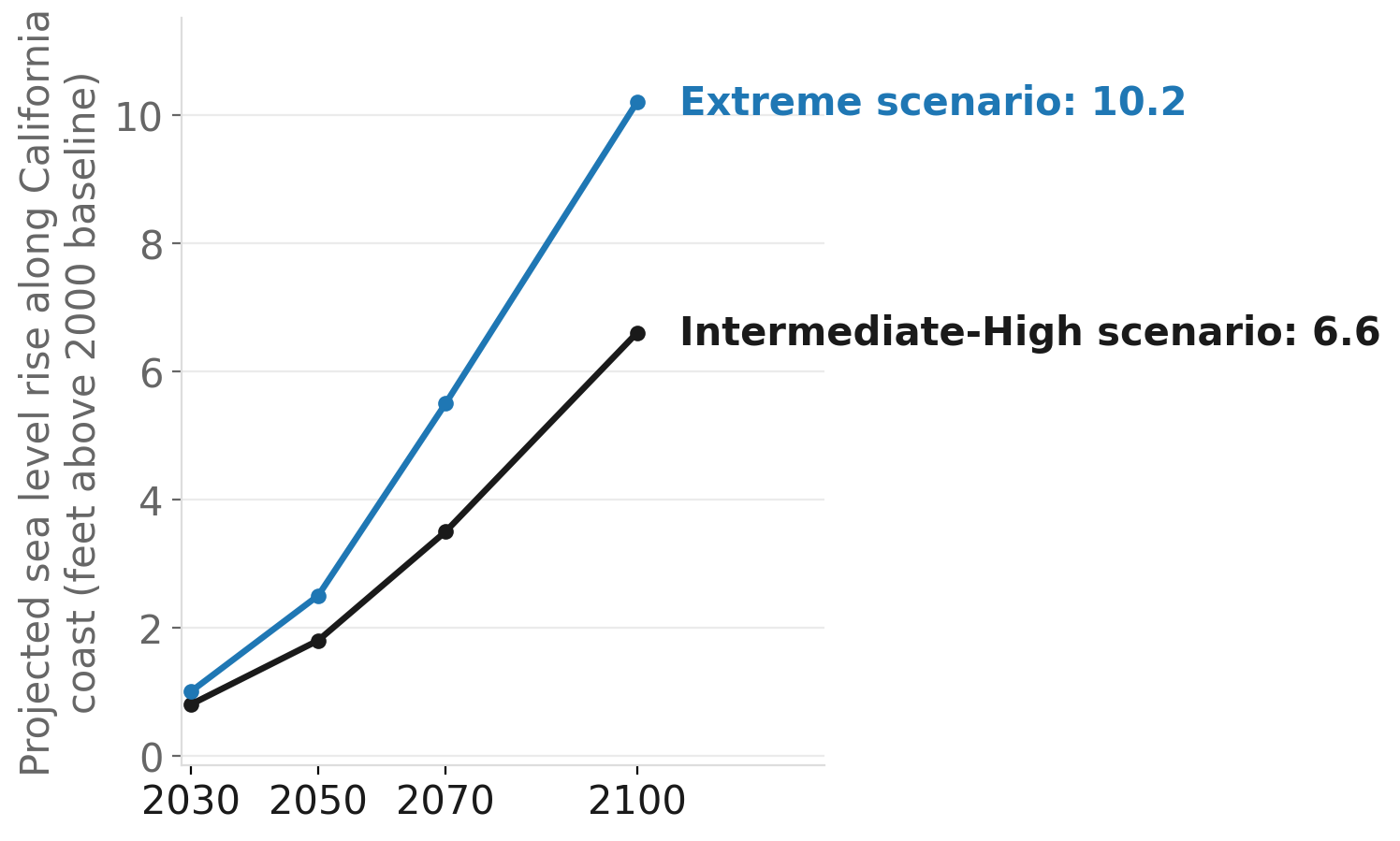
The stakes are high. California projects up to 6.6 feet of sea level rise by 2100, with extreme scenarios exceeding 10 feet, and roughly $150 billion in property is at risk statewide. Coastal tribal cultural sites are among the most exposed, and among the least protected: most California coastal tribes were displaced from their shoreline territory during the Gold Rush and mission eras, meaning their most sacred sites now sit on state parks, private land, or federal holdings. That complicates who has legal standing to act as the ocean advances.
Source: NationGraph.
The program was authorized by SB 1, the 2021 California Coastal Act amendments that shored up the state's coastal protection framework and directed agencies to plan for sea level rise. The Ocean Protection Council, which has run multiple sea level rise grant rounds in recent years, acknowledged that prior funding streams carried matching requirements and administrative burdens that made them largely inaccessible to tribal governments. This program is explicitly structured to remove those barriers.
The launch fits a broader pattern of the Newsom administration framing tribal partnership as central to California's climate strategy, following a 2019 executive apology for the state's history of dispossession and a formal Truth and Healing process. Tribal advocates have argued that funding and decision-making authority have lagged behind the official rhetoric. The erosion of the Wiyot Tribe's Tuluwat Island, returned to the tribe by the city of Eureka in 2019 after more than a century, is among the most visible examples of the problem this program aims to address.
Tribes interested in applying can find program details and eligibility requirements on the Ocean Protection Council's website. The funding covers planning work, meaning the harder question of how tribes protect sites they no longer legally own will follow.