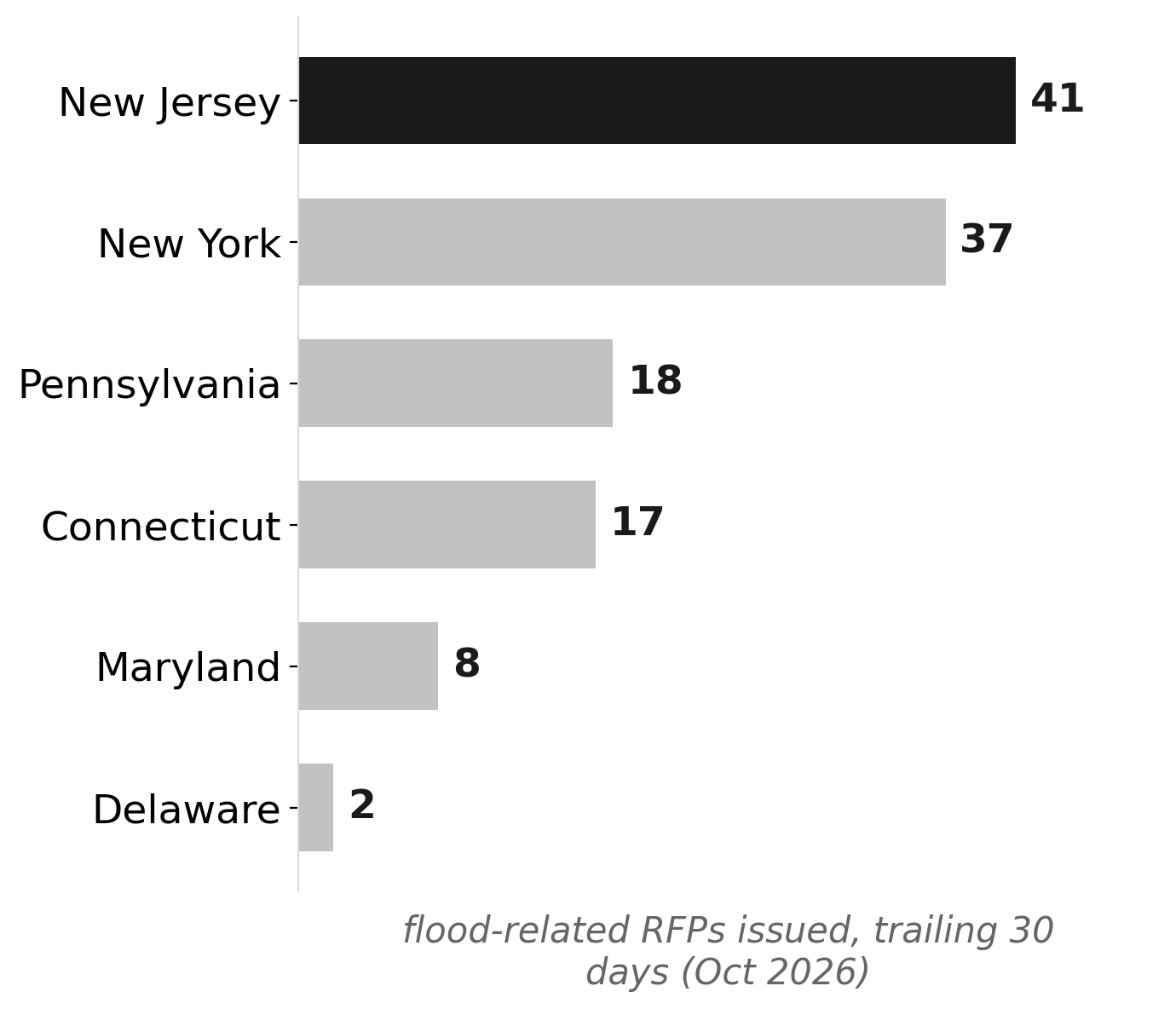
New Jersey municipalities issued 41 flood-control procurement solicitations in the past 30 days, 4.7 times the 12-month monthly average of about 8.8, and 26 of those are net-new contracts rather than rebids. The October surge is not a sudden discovery of flood risk in a state that already knows it well. It is what happens when a backlog of unspent money finally runs out of runway.
The numbers behind that backlog are striking. New Jersey currently holds $341 million in active federal flood grants across 24 open awards, but has outlayed only $81 million of that total, leaving roughly $260 million in federal commitments that local engineers must now convert into signed contracts or risk de-obligation. That gap, accumulated across years of slow municipal procurement, is the proximate engine of October's blitz.
Three distinct funding events, arriving in roughly the same 12-month window, turned a chronic spend-down problem into an acute deadline. In January 2026, then-Acting Governor Tahesha Way signed a $44.4 million state appropriation to NJDEP covering both Green Acres land preservation and Blue Acres flood buyouts, putting state dollars into the pipeline. In April, FEMA awarded $42 million to 12 New Jersey flood mitigation projects, unlocking local procurement obligations with multi-year performance windows: $12.5 million for Essex County pump stations, $9.3 million for Cape May County coastal bulkheads, $5.8 million for Atlantic County pump stations. Then, in late October, the Sherrill Administration announced a Garden State Preservation Trust approval of $88 million, including $26.3 million specifically for Blue Acres acquisitions, in the weeks immediately before this RFP count peaked. Each tranche is a separate program with its own compliance clock. Each clock started at a different time. All of them are now running.
Source: NationGraph.
It is worth being precise about what these programs are, because they are not interchangeable. FEMA's Flood Mitigation Assistance grants, which funded the Essex and Cape May projects, target repetitive-loss properties and require local cost-share. The Pre-Disaster Mitigation program, which delivered nearly $11 million to communities in New Jersey and New York in September 2026, is congressionally directed and operates on a separate application track. The Hazard Mitigation Grant Program flows only after a presidential disaster declaration. Blue Acres, by contrast, is a state-administered program funded through bond proceeds and direct appropriations, not federal dollars, though it has previously used FEMA money as a co-funding partner. Congresswoman Nellie Pou's $16.6 million in FEMA water-project awards to Passaic and Bergen counties, announced in January 2026, adds yet another stream. When all of these arrive in the same fiscal year, municipalities do not coordinate their procurement calendars. They each race their own deadline.
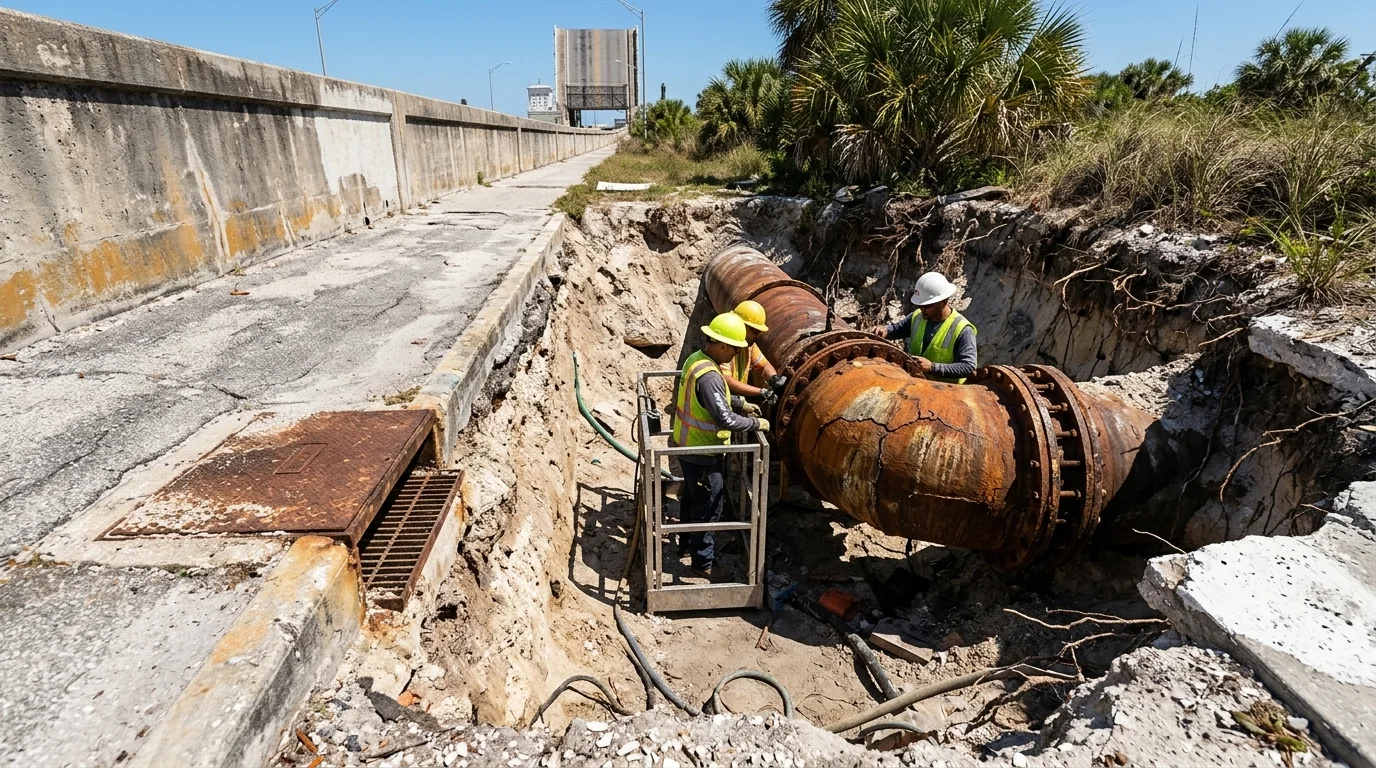
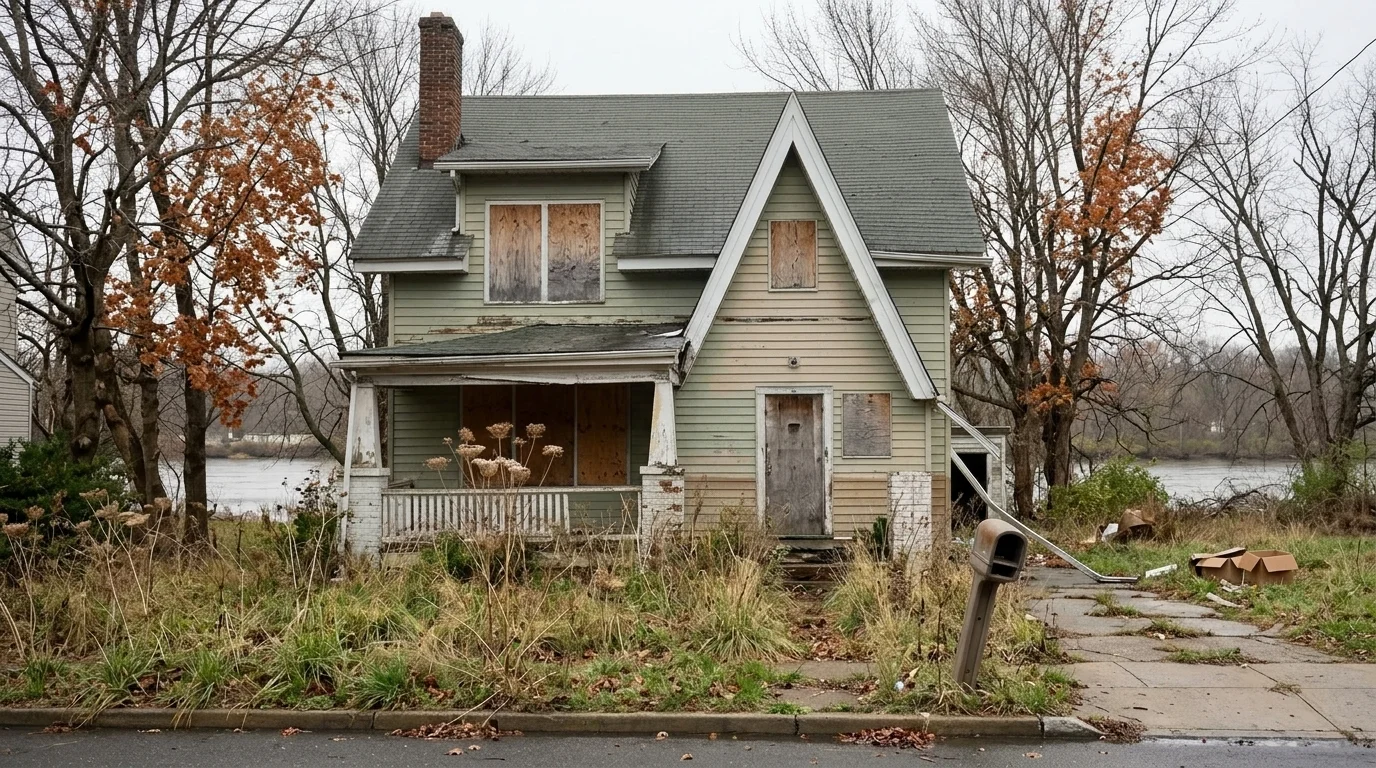
The procurement NJ is now executing spans the full resilience stack. Coastal municipalities, among them Surf City, Sea Bright, Cape May, and Brick, are soliciting contracts for bulkheads, pump stations, and shoreline engineering. Inland river-corridor towns, including Manville, Lambertville, Kenilworth, and communities along the Passaic, are issuing bids for stormwater drainage, certified floodplain managers, and FEMA grant administration consultants. Blue Acres municipalities are procuring archaeological survey firms and title search services, the unglamorous prerequisites to any residential buyout. The Yale Climate Connections feature published this month on why New Jersey continues to buy flood-prone homes notes hundreds of pending buyout applications still awaiting funding, a backlog the October GSPT approval is now intended to address.
New Jersey's posture here is not unusual in kind, but it is unusual in scale. No neighboring state comes close in the same 30-day window: New York issued 37 flood-related RFPs, Pennsylvania 18, Connecticut 17, Maryland 8, Delaware 2. The gap reflects both New Jersey's outsized flood exposure, 130 miles of coastline, major river corridors, and a topography that traps both coastal surge and inland rainfall, and its comparatively mature institutional infrastructure for absorbing federal money. The Blue Acres program, now in its 30th year and the longest-running state home-buyout program in the country, has completed more than 1,250 voluntary purchases across 50 municipalities. NJDEP Chief Resilience Officer Nick Angarone has described buyouts as "often the only way to ensure the safety and well-being of property owners" in repeatedly flooded communities.
What the October numbers cannot tell you is whether New Jersey can actually execute at this pace. Issuing an RFP is not the same as awarding a contract, and awarding a contract is not the same as breaking ground. The municipalities now flooding the procurement system with solicitations will need qualified bidders, project engineers with bandwidth, and local governing bodies willing to approve awards quickly. The performance windows on federal grants are not indefinite.
The next signals to watch: how many of these October solicitations receive competitive bids by year-end, and whether NJDEP's Blue Acres pipeline moves fast enough to absorb the new GSPT allocation before the Sherrill Administration's next budget cycle resets the board.